
Table of Contents (7)
The sports game I keep pretending I’m done with
Every spring I do the same stupid dance with MLB The Show. I roll my eyes at the new box art, mutter something about “it’s just a roster update,” complain about Diamond Dynasty turning into a second job… and then, two weeks later, there I am: coffee on the desk, pad in my hands, grinding away in Double-A like a complete hypocrite.
I’ve played almost every big sports title over the last two decades – FIFA/EA Sports FC, NBA 2K, Madden, the lot. I’ve sunk hundreds of hours into Ultimate Team, gotten way too invested in fictional MyCareer storylines, even tried to convince myself eFootball wasn’t a total disaster. None of them have turned into what MLB The Show has become for me: my weird, unexpectedly wholesome lugar feliz anual.
And that’s the part that still surprises me. I didn’t grow up in the US. Baseball wasn’t the background noise of my childhood like it is for so many Americans. It was this exotic, slightly confusing sport I mostly knew from movies and the odd late-night broadcast. Yet the one sports game that’s burrowed deepest into my year-to-year routine is the one that most people in Europe barely acknowledge.
MLB The Show isn’t just “the baseball game.” It’s the only big-budget sports title that actually respects its sport enough to embrace what makes it unsexy to most people: the slow rhythm, the obsession with numbers, the long climb through the minors, the weight of history. And that, more than the shiny graphics or yearly feature buzzwords, is why I keep coming back even when I swear I’m out.
Baseball is 60% “nothing happens,” and that’s the point
The thing you always hear from non-fans about baseball is, “Nothing happens.” And they’re not wrong. A huge chunk of the sport is pitchers staring in for signs, batters stepping out of the box, throws back to first, foul balls drifting harmlessly into the stands. If you only live for highlight reels, baseball looks like dead air with the occasional explosion.
Most sports games are terrified of that kind of quiet. FIFA crams every second with sliding tackles and over-the-top commentary. NBA 2K wants ankle breakers, posters, and green-release threes every possession. Even Madden has turned into an endless loop of bomb plays and fourth-down gambles. It’s all dopamine, all the time.
MLB The Show does something braver: it actually leans into the boredom. It understands that baseball is tension more than action. That the 60% of “nothing” is what makes the 40% of contact, stolen bases, and diving catches matter. When you’re pitching in a tight game and you nail your spots three times in a row then finally get a weak fly ball, it’s weirdly satisfying precisely because you had to sit in that slow-build for multiple at-bats.
The pacing tools help, sure. You can play full nine-inning games. You can sim to critical moments. But the overall design still respects baseball’s natural rhythm instead of shredding it for the sake of “engagement.” The menus, the commentary snippets, the camera cuts between pitches – they all mimic the cadence of watching a real broadcast without panicking that you might look “boring.”
That might sound like a weird thing to praise in 2026, when every publisher on the planet is chasing retention metrics. But the honest truth is this: the more I play MLB The Show, the more every other sports game feels like it’s scared I’ll put the controller down for 10 seconds. The Show trusts me to sit in the count, read pitches, take a borderline ball instead of swinging at everything because I’m desperate for a clip.
Road to the Show: the only career mode that actually feels like a career
The real hook for me – the thing that turns this from “nice sports sim” into my yearly comfort game – is Road to the Show. I’ve played the MyPlayer/MyCareer equivalents in 2K and EA’s stuff. Most of them boil down to the same fantasy: you’re a generational talent, you dunk on everyone, you’re the savior of whichever franchise signs you.
MLB The Show looks at that and goes, “Yeah, that’s not how this works.” Even if you ace the scouting games, even if you go high in the draft, the game shoves you exactly where real prospects go: into the meat grinder of the minor league system. Double-A, then maybe, maybe, Triple-A, then if you don’t completely flame out you might get a September call-up to sit on a big-league bench and pinch hit twice a week.
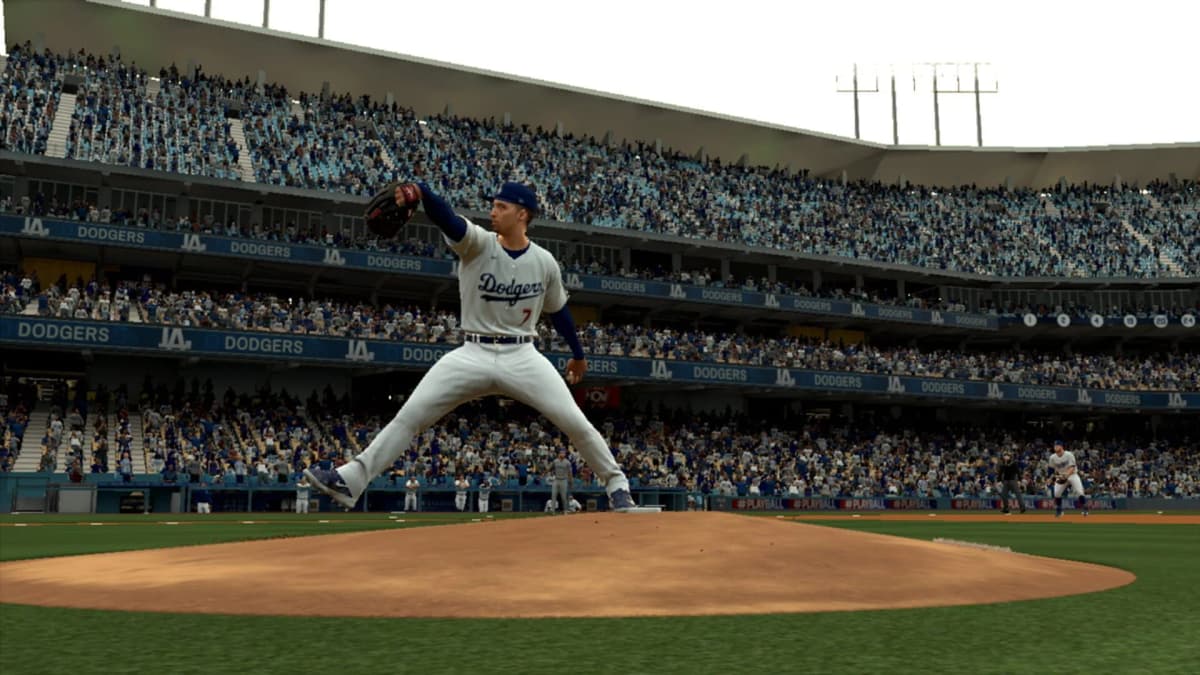
That climb is brutally slow in the best way. Your player in RTTS starts off painfully mediocre. You don’t have the bat speed to catch up to high heat. Your fielding is shaky; you misread balls all the time. You scrape together tiny marginal gains: a few extra points of contact here, a bit more arm strength there. It takes months of in-game time, dozens of games, and a lot of late-night sessions before you even feel average in the minors.
What really sells it is the way the game respects your time while staying true to that grind. You don’t have to play every pitch of every inning. In fact, the magic happens when you lock the experience down to your player’s key moments – just your plate appearances, plus defensive plays where you’re directly involved.
Each game becomes this tight six-to-eight-minute loop. You step into the box four or five times, work the count, try not to chase trash. Maybe you get one tough grounder in the field you have to convert. Then the calendar ticks over, your manager mutters a line, your stats inch up, repeat. It’s routine in the best possible sense – the same way real ballplayers talk about “showing up every day and doing the work.”
That’s the loop that makes MLB The Show my go-to “20 minutes before bed” game. I’ll absolutely jump into some sweaty competitive fighter or big open-world epic when I’ve got a free evening. But if I’ve just wrapped work and have a sliver of time, the siren song is always the same: “One more series in Double-A. One more chance to impress the manager. One more shot at getting that call to Triple-A.”
The joy of numbers: when Moneyball brain takes over
Here’s where MLB The Show completely destroys every other sports game for me: it actually rewards you for caring about the same things real front offices obsess over. Not just the big, sexy stats like home runs and RBI, but the nerdy stuff – on-base percentage, pitch mix, platoon splits, spray charts.
Most sports titles dabble in numbers. FIFA has its 1–99 ratings and expected goals. NBA 2K throws PER and true shooting percentage onto menus most players never open. But they rarely make those stats feel like the heartbeat of how you play. They’re fluff more than feedback.
MLB The Show is different. You start to notice that your contact rating against lefties is garbage, so maybe you don’t swing for the fences in those matchups – you shorten up, aim for opposite-field singles. You realize your pitcher’s slider is getting hammered when you hang it, so you start burying it in the dirt as a chase pitch instead of trying to back-door it every time.
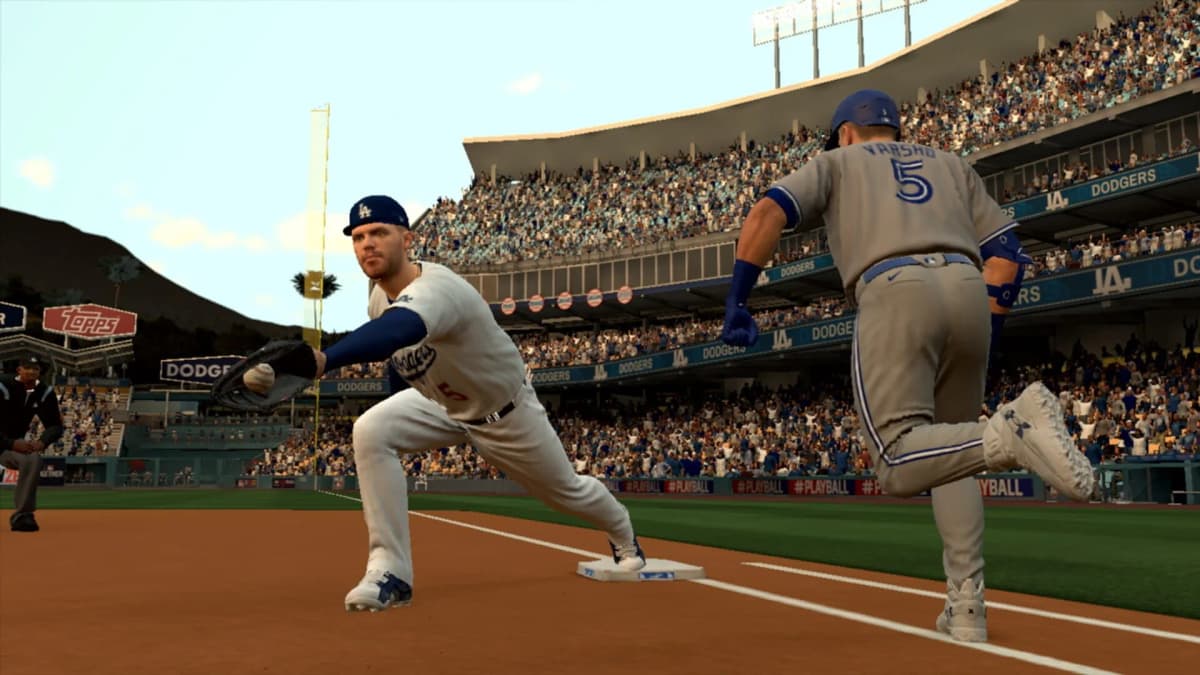
The game nudges you into this Moneyball mindset where taking a walk because you worked a 3–2 count is just as satisfying as roping a double. Your stats pages become this evolving story: plate discipline creeping up, slugging dipping when you go into a slump, WAR inching higher as your defense stops being a disaster. It’s all there, visible and responsive.
I’ve had RTTS seasons where I felt genuinely proud of a .370 OBP and “only” 15 homers because I knew exactly how I got there – by grinding out at-bats, refusing to chase, turning myself into the kind of player analytics departments drool over. No cutscene needed, no cringey dialogue about “proving the haters wrong.” Just the box score evolving over 162 games.
Respecting history: the Negro Leagues and beyond
The other reason I’ll die on the hill that MLB The Show is the strongest sports series out there is its obsession with history – and not just the sanitized, nostalgia-poster version. When San Diego Studio started adding dedicated Negro Leagues content, it wasn’t just, “Here’s a cool uniform and a boosted card, go mash homers.” It was a genuine attempt to tell stories gaming has mostly ignored.
As someone who didn’t grow up in the US system and didn’t get taught this stuff in school, playing through those Negro Leagues episodes felt like more than fan-service. You get narrated context, vignettes, and goals tied to how those players actually played. It’s still a videogame, sure – you’re completing objectives, chasing rewards – but you come out of it knowing names and legacies that otherwise would’ve just been numbers on a retro card.
In a year when the National League hits its 150th anniversary, that focus on lineage matters. A lot of sports games pay lip service to history: a few classic teams, maybe a throwback broadcast filter if they’re feeling spicy. MLB The Show builds entire modes around it, and each yearly entry nudges that forward a bit more instead of just reskinning whatever was there before.
Is it perfect? No. There’s always the risk that this stuff gets cannibalized into card packs and “content drops.” But the fundamental tone is different. Whenever I bounce from The Show to something like NBA 2K’s MyTeam, the contrast is brutal. One side feels like a fever dream of casino mechanics draped in 90s nostalgia; the other feels like an actual, if imperfect, attempt to treat a sport’s past as something more than a marketing hook.
The ugly truth: it’s still an annualized, monetized beast
This is where the conflicted part comes in. For all the praise I’m throwing at MLB The Show, I’m not blind to the obvious problem: it’s still an annual sports game, built on the same churn-and-burn model that’s gutted so many other franchises.
There are years where the feature list feels thin, where Road to the Show tweaks seem more like tinkering than evolution, where the big marketing beats lean harder on Diamond Dynasty than anything involving actual baseball nuance. There have been iterations where progression systems in RTTS felt suspiciously tuned to push you toward online modes. And yes, the card-collecting economy is a whole separate black hole of stubs, grinds, and fear of missing out.
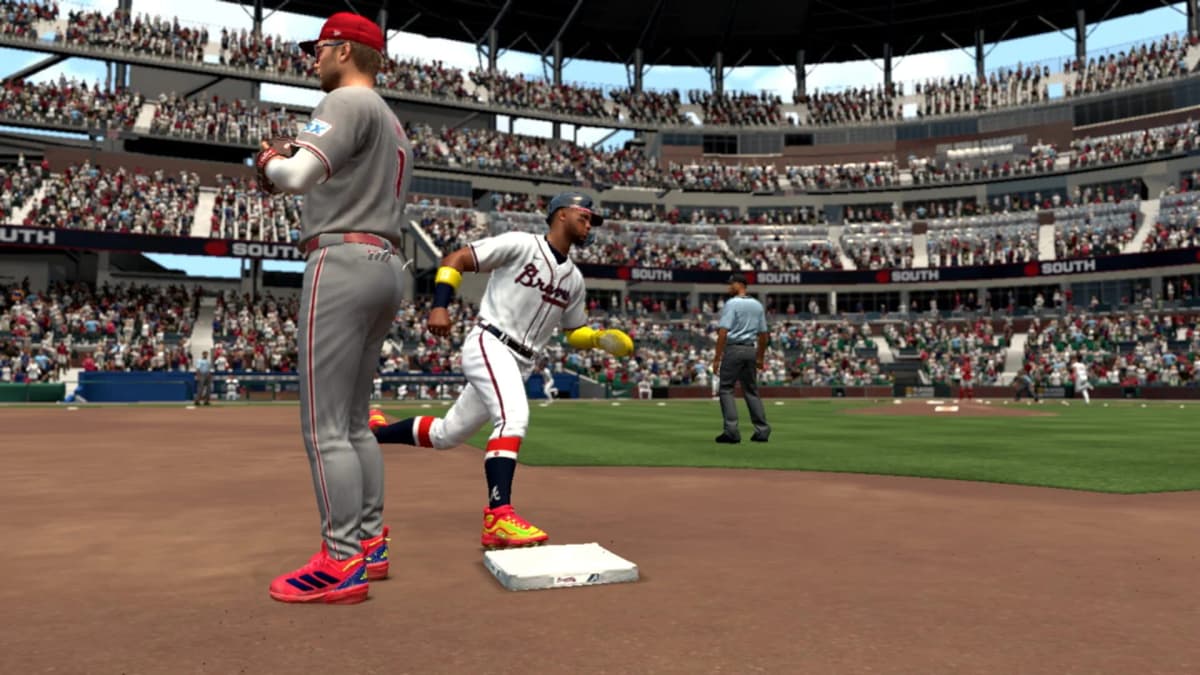
I’ve had those moments of looking at yet another special edition packed with early access and card bonuses and thinking, “This is exactly the crap I criticize EA and 2K for.” I’ve had RTTS saves broken by some weird patch behavior. I’ve sworn off buying The Show day one because I don’t want to reward the sports-industrial complex, then caved anyway because the itch for that first spring at-bat is too strong.
So no, this isn’t some pure, untainted alternative to the worst habits of the industry. It lives in the same capitalist reality as everything else we play. There’s always that faint anxiety in the back of my mind that one year they’ll decide Road to the Show is “under-monetized” and start carving it up, or that the historical modes will get buried under a mountain of seasonal grinds.
But here’s the difference that keeps me hanging on: underneath all that, the core philosophy of the game still screams “we care about baseball” louder than “we care about engagement metrics.” When I’m on the mound trying to paint the outside corner in a 2–2 count, I’m not thinking about battle passes. I’m thinking about location, sequencing, and whether my catcher’s setup is bait or truth.
My lugar feliz anual in a loud, desperate industry
We’re at a weird point for sports games. Some of the biggest names feel creatively cooked, content to wrap the same mechanics in a new monetization model every year. Others are so terrified of losing eyeballs to shooters and battle royales that they keep cranking everything toward arcade chaos and loot-box addiction.
MLB The Show, somehow, has dodged that complete identity crisis. It absolutely has monetized modes. It absolutely does the annual dance. But at its heart, it’s still a game about standing in a batter’s box, tracking a pitch from the pitcher’s hand, and deciding in a split second whether to commit or let it go. It’s still a game about scouting reports, farm systems, and the emotional whiplash of being one hot streak away from a call-up – or one slump away from being forgotten.
That combination – the slowness, the statistik-nerd joy, the farm grind, the respect for the Negro Leagues and 150 years of National League lineage – is why this series has turned into my strange, very specific annual happy place. Every spring, when real baseball wakes up, I reinstall the latest entry, roll a new Road to the Show character, and lose myself in the small dramas of minor-league bus rides and late-inning pinch-hit appearances.
Is it the “best” sports game? For me, yeah, comfortably. Not because it’s flawless, but because it’s the only one that consistently feels like it understands the soul of its sport instead of just its highlight package. But I can’t pretend I’m not watching it carefully, wondering how long that balance will hold, how long the design philosophy can survive the pressures that have warped so many of its peers.
For now, though, MLB The Show remains what it’s quietly been for years: my lugar feliz anual in a medium that’s increasingly allergic to silence, patience, and subtlety. Maybe that’s nostalgia talking. Maybe it’s my inner stat nerd. Or maybe, just maybe, it’s proof that there’s still room for big sports games that trust their sport – and their players – enough to be a little bit “boring.”
FinalBoss // Gear
Level up your setup
01Top-rated gaming headsetson Amazon→02High-refresh gaming monitorson Amazon→03Gaming chairson Amazon→04Discounted game keyson Kinguin→Affiliate links · As an Amazon Associate, FinalBoss earns from qualifying purchases.
Want to Level Up Your Gaming?
Get access to exclusive strategies, hidden tips, and pro-level insights that we don't share publicly.
Ultimate Gaming Strategy Guide + Weekly Pro Tips