
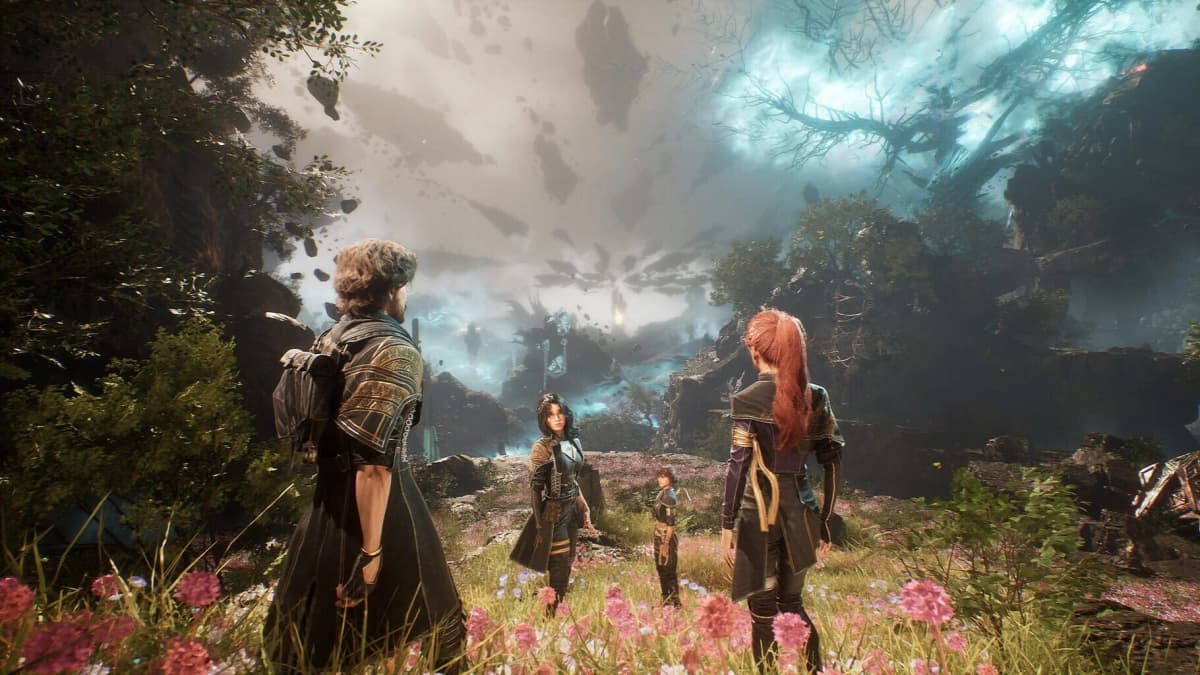
The Clair Obscur AI Fallout: Why an IGA Win Vanished — and What It Means for Players
Game intel
Clair Obscur: Expedition 33
Lead the members of Expedition 33 on their quest to destroy the Paintress so that she can never paint death again. Explore a world of wonders inspired by Belle…
The AI controversy that cost Clair Obscur its IGA crown – and why you should care
This caught my attention because Clair Obscur: Expedition 33 didn’t just sell well – it became the indie sensation of 2025. So when the Indie Game Awards (IGA) pulled its Game of the Year and Debut Game trophies after confirming undisclosed generative‑AI use, it wasn’t a niche ethics spat. It was a public test of how the industry will treat honesty, art, and awards going forward.
- What happened: The IGA rescinded Clair Obscur’s Debut Game and Game of the Year awards after Sandfall Interactive confirmed generative‑AI was used in development despite claiming otherwise at submission. The Game of the Year title went to Blue Prince and Debut Game to Sorry We’re Closed.
- Why it matters: The incident forces a clearer line between “AI assisted” and “AI‑made,” and shows awards bodies are willing to act fast when rules are broken.
- The practical player take: The game still plays the same – millions bought it and patches are out — but trust and disclosure are now part of purchase calculus.
Breaking down the IGA decision
The headline: during the IGA livestream on December 20, 2025, Sandfall initially submitted Clair Obscur claiming no generative‑AI involvement. After the premiere, a studio representative admitted generative AI was used for some assets. The IGA’s rules bar undisclosed gen‑AI use in core assets, so the organization disqualified Clair Obscur and reassigned the trophies to the next eligible nominees.
There are two important caveats. Sandfall insists the AI work was limited to pre‑production concept sketches and non‑final promotional mockups — not shipped in‑game assets like character models, environments, or textures. The studio patched or replaced assets that were suspected of being AI‑made before release, they say. The IGA judged the undisclosed use at submission the offense, not whether the final build was AI‑heavy.
The developer’s claim vs. the evidence
Sandfall is a 12‑person French team; small teams lean on tools to ship. Their statement and a post‑premiere forum post say AI was used in ideation. The dev art lead even streamed a postmortem showing Midjourney prompts compared with final Photoshop layers. That matters — concept AI isn’t the same ethically or practically as AI‑generated in‑game textures or animations.
Still, two things sting: they certified “no AI” at submission, and watchdogs flagged assets that required post‑release patches. Whether the IGA’s punishment is proportional depends on whether you care more about rule enforcement or the final product that players actually bought and played.
What this actually means for gamers
Short answer: nothing breaks in your copy. Clair Obscur still plays like the hybrid turn‑based marvel it shipped as on October 15, 2025 — Day‑One on Game Pass, PC/PS5/Xbox at 60 FPS, and over 2 million sales. Patch 1.2.3 added New Game+ and stability fixes, and community tools and mods (including AI‑scanner plugins) let curious players inspect assets themselves.
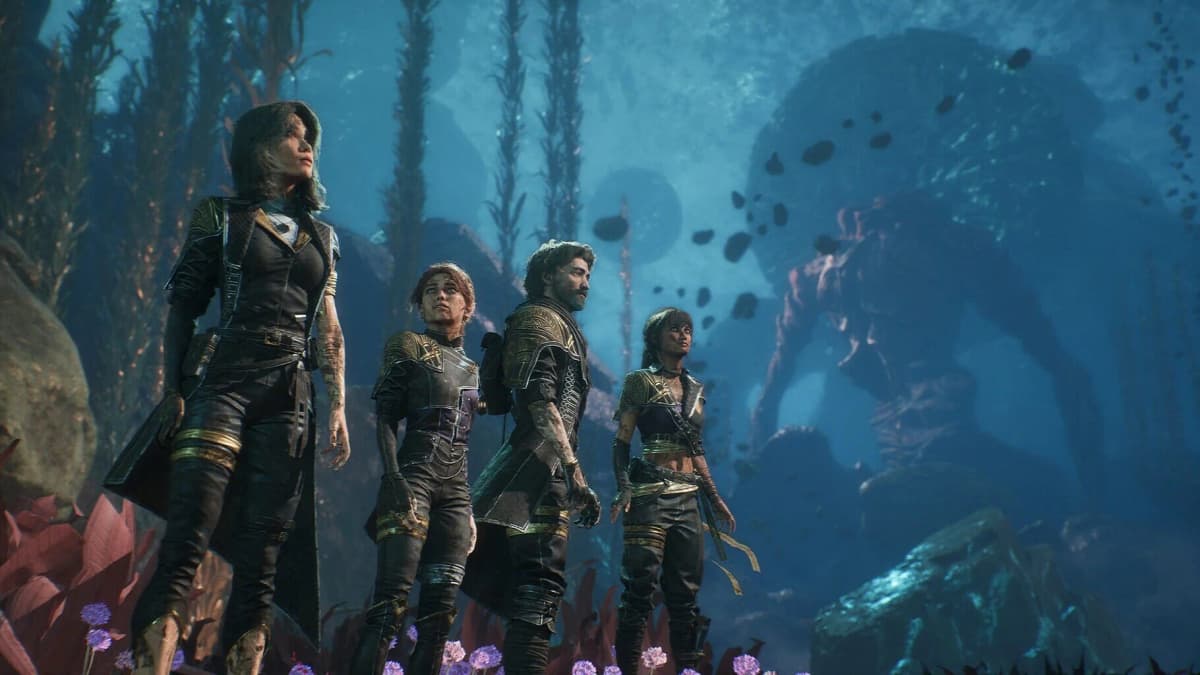
Longer answer: the episode raises reasonable expectations. If you care about creator transparency, the IGA ruling is a win: awards bodies are starting to treat undisclosed AI use as a disqualifier. If you care only about gameplay, the votes of millions who’ve played — and the 92% Steam positive rating — still matter.
Want to Level Up Your Gaming?
Get access to exclusive strategies, hidden tips, and pro-level insights that we don't share publicly.
Ultimate Gaming Strategy Guide + Weekly Pro Tips
Industry ripple effects and what to watch next
This isn’t isolated. 2025 saw several audits of indie releases and marketing materials. Expect stricter submission rules from major festivals, clearer disclosure fields on storefronts, and post‑release spot checks. That’s good for transparency — but it also risks penalizing small teams who use AI responsibly for speed without intending to mislead.
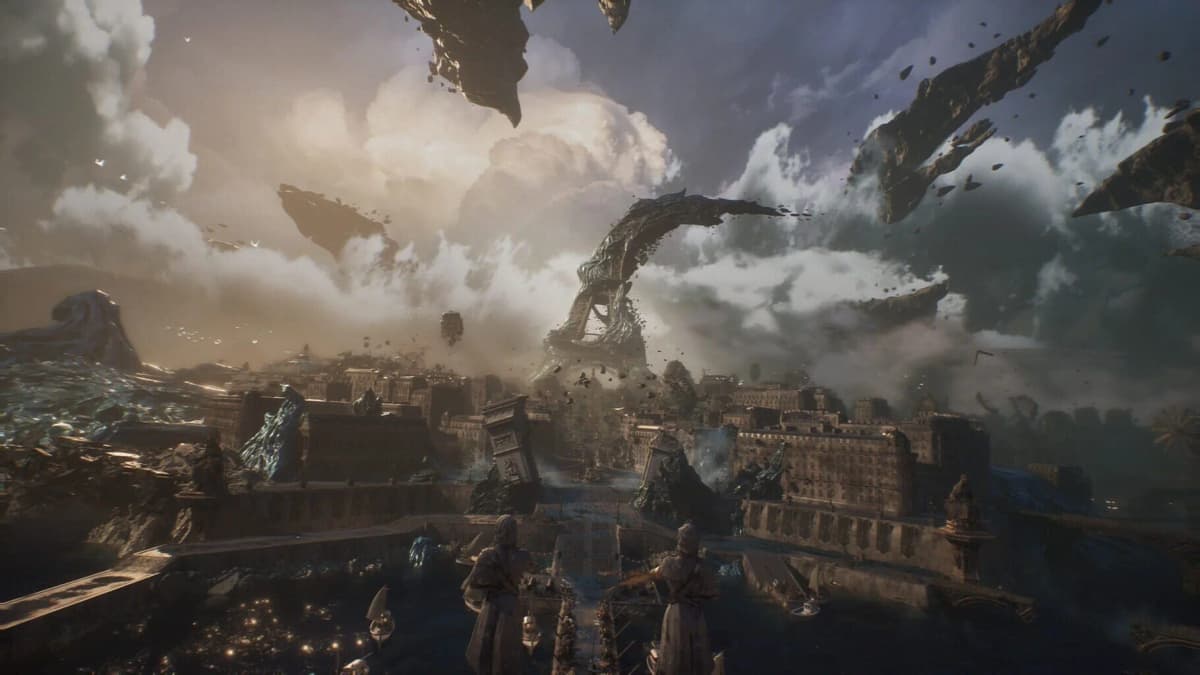
For developers, the lesson is blunt: disclose. For players, the lesson is practical: if disclosure matters to you, look for it on official dev blogs, patch notes, and credits — and use demos and community tools to verify claims yourself.
TL;DR
The IGA stripped Clair Obscur’s awards because Sandfall certified “no generative‑AI” at submission then admitted otherwise. The game itself remains popular and patched, but the episode is a turning point: awards now carry enforcement, and disclosure is becoming a player expectation. Play the demo, decide if the craft still matters to you, and expect more transparency rules from festivals and stores in 2026.