
If you came to The Cleansing – Versus expecting a tag-team fighter, the first match will confuse you fast. This is not a fighting game. It is a competitive, real-time tactics PvP game with RPG elements, set in a feudal dystopian future, where you command a squad of heroes and win by controlling the battlefield – not by landing combos. Once you stop playing it like a brawler and start playing it like a territory war, it clicks.
Table of Contents (10)
The short version
- It is a real-time tactics PvP game, not a 3v3 fighter – there are no combos, tags, or assists.
- You pick five heroes before a match from five classes: Ranger, Recruit, Highborn, Brainer, and Nomad.
- You win by capturing and holding territory to bank conquest points and resources, not by depleting one health bar.
- Each class has two skill paths; commit to one per hero instead of spreading upgrades thin.
- Spend captured resources on hero upgrades, weapons, and armor to harden your front line.
- Build a balanced five: a tanky front-liner like the Highborn, ranged pressure, and at least one flexible pick.
- You can warm up in Versus against AI before queuing into online PvP or co-op.
Tip 1: Treat it as territory control, not a duel
The single biggest mental shift is this: in The Cleansing – Versus, you do not win by killing the enemy team. You win by capturing and keeping control over the battlefield to gain conquest points and resources. Kills matter only when they let you take or hold ground. New players chase fights across the map, leave their captured territory undefended, and bleed the lead they already earned.
Before you commit to a skirmish, ask one question: does winning this fight take or protect a point? If the answer is no, you are spending heroes for nothing. Hold what you have captured, raise your banner over it, and let the conquest points stack up while the opponent overextends.
Tip 2: Build a balanced five before the match starts
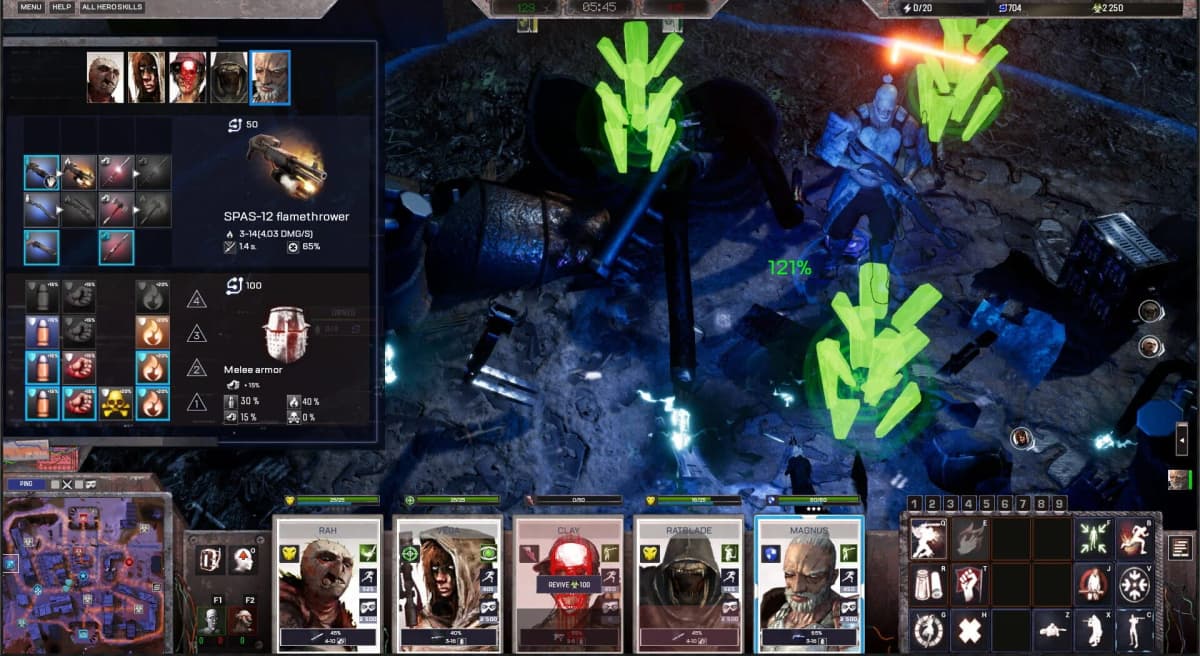
You bring five heroes into each match, drawn from five classes: Ranger, Recruit, Highborn, Brainer, and Nomad. That selection is your real game plan, and you make most of it before the first banner ever goes up. A lopsided squad – all ranged, or no durable front line – falls apart the moment a fight actually contests a point.
The Highborn is a useful anchor to understand the roster: it wants to be close to enemies to deal damage, can also function as a support unit, and absorbs a lot of punishment on the battlefield. Pair a durable front-liner like that with ranged pressure and a flexible pick so you can both take ground and survive the counter-push.
- Pick at least one durable close-range hero to hold contested ground.
- Add ranged or support so you are not trading face-to-face every fight.
- Leave one slot flexible to answer what the opponent actually fields.
- Do not stack five of the same role; one dimension is easy to counter.
Tip 3: Commit to one skill path per hero
Every class in The Cleansing – Versus has two skill paths. That branching is where most of a hero’s identity comes from, and it rewards commitment. Spreading upgrades across both paths gives you a watered-down hero that does two things poorly instead of one thing well.
Decide what each hero is for before you start investing – front-line damage, support, area control – then pour upgrades down the path that matches that job. You can also customize heroes with different weapons and armor to counter specific opponents, so let the matchup steer which path and gear you lean into rather than running the same build on autopilot.
Tip 4: Treat resources as your real win condition
Captured territory does two things at once: it banks conquest points toward victory, and it feeds you the resources that fund hero upgrades, weapons, and armor. Those two loops are the whole game. A player who controls more of the map snowballs – more points, more resources, stronger heroes – while the opponent stays stuck on their starting kit.
Because of that, the early game is not about flashy kills. It is about grabbing economy. Take the points that pay you, reinvest into upgrades that let you hold them, and only then push to contest the opponent’s ground from a position of strength.
Tip 5: Use the 3D battlefield for position
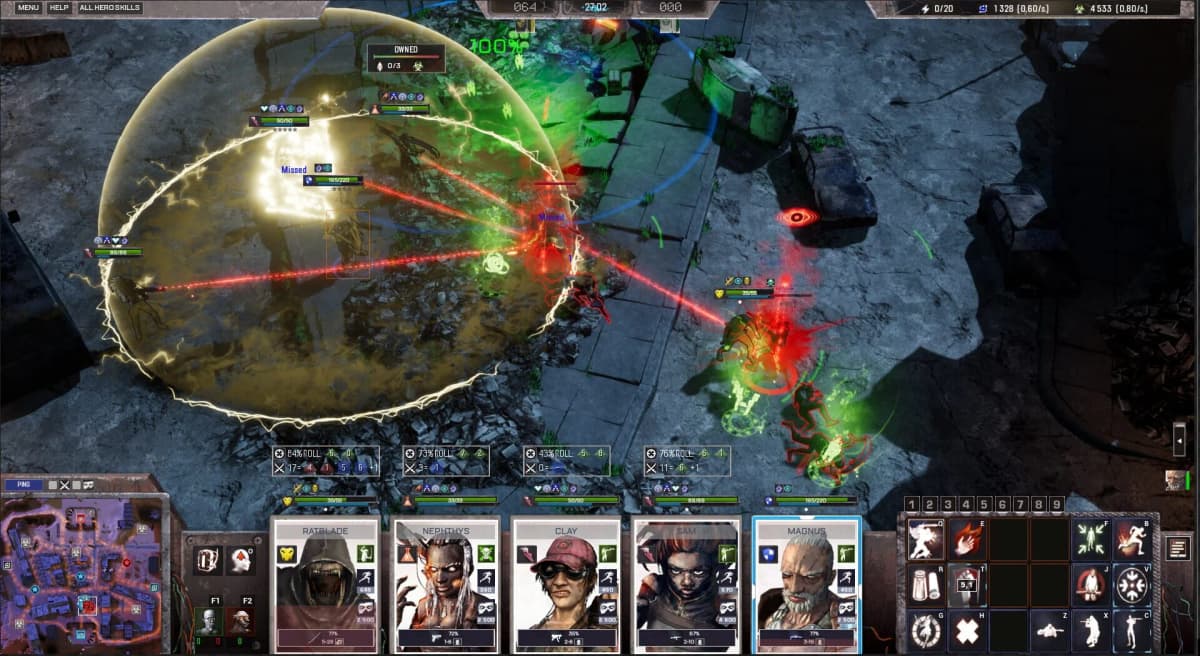
This is a real-time tactics game, which means micro-positioning is a tool, not an afterthought. Use the 3D environment to your advantage – high ground, choke points, and approach angles all change how a contested point plays out. A ranged hero on an elevated position covers a capture far better than the same hero standing in the open.
Set up before the fight comes to you. Position your durable heroes where the enemy must walk into them, keep your fragile damage dealers behind cover or at range, and force the opponent to attack into your formation rather than letting them dictate the engagement.
Tip 6: Warm up against AI before you queue ranked
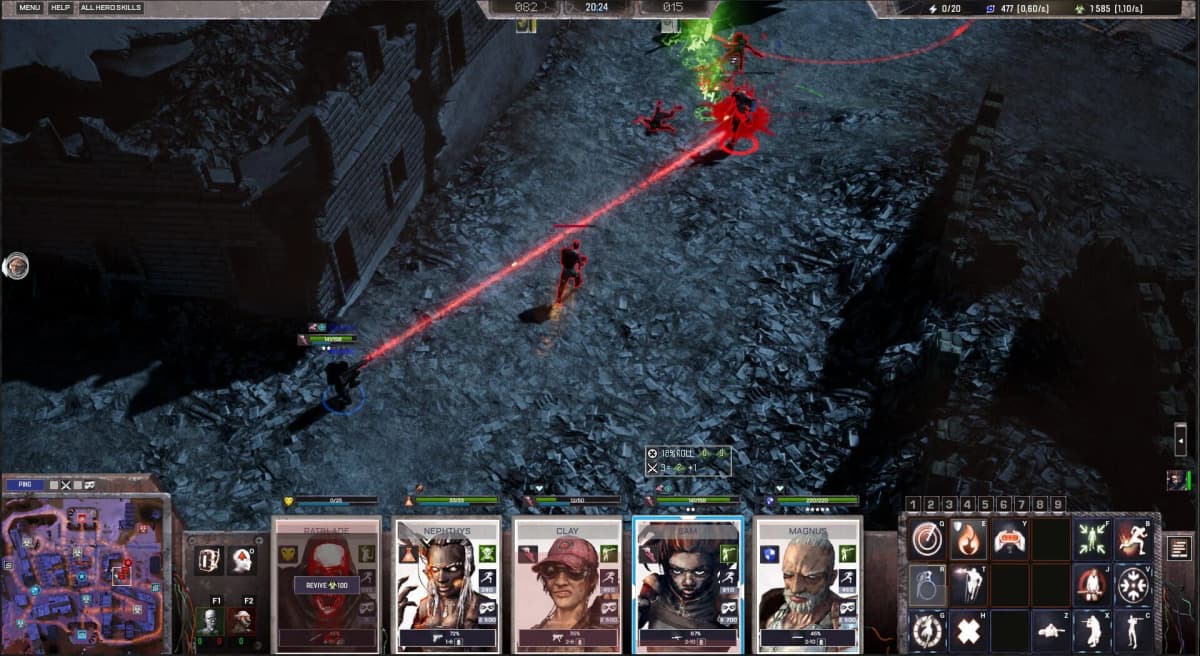
The game lets you play Versus matches against AI as well as against other players online, and there is co-op too. Use the AI matches the way they are meant to be used: to learn how each class moves, how the capture loop feels, and which of your five-hero compositions actually functions – without a ladder punishing every experiment.
Once your squad plan feels deliberate and you can hold a point without panicking, move into online PvP. Jumping straight into competitive play means learning the classes, the economy, and the positioning all at once, which is exactly how new players get overwhelmed.
Tip 7: Know what you are buying into first
The Cleansing – Versus is a free-to-play title from Grindstone Interactive that launched into Steam Early Access on 28 September 2017 and has not seen meaningful updates since. Going in with that context saves frustration: expect rough edges, a small player pool, and unfinished systems rather than a polished, actively supported release.
If you still want to learn it, that is fine – just calibrate your expectations to an early-access tactics experiment, not a live competitive scene. Practice against AI to get the core loop, and treat any online matches you find as a bonus.
Common mistakes
- Playing it like a fighter – there are no combos, tags, or assists to learn.
- Chasing kills across the map while your captured territory goes undefended.
- Splitting upgrades across both of a hero’s skill paths instead of committing to one.
- Stacking five heroes of the same role and getting hard-countered.
- Spending resources on whatever is available instead of gear that counters the enemy.
- Ignoring high ground and choke points in a game built around positioning.
Practical takeaway
The plan is simple once you stop expecting a fighting game. Draft a balanced five from the Ranger, Recruit, Highborn, Brainer, and Nomad classes, commit each hero to one skill path, and play for territory rather than kills – capture points, bank conquest and resources, reinvest into upgrades and gear, and use the 3D battlefield to hold what you take. Warm up against AI first, and go in knowing it is an unfinished early-access tactics game. Do that and the map war starts to make sense.
FinalBoss // Gear
Level up your setup
01Top-rated gaming headsetson Amazon→02High-refresh gaming monitorson Amazon→03Gaming chairson Amazon→04Discounted game keyson Kinguin→Affiliate links · As an Amazon Associate, FinalBoss earns from qualifying purchases.
Want to Level Up Your Gaming?
Get access to exclusive strategies, hidden tips, and pro-level insights that we don't share publicly.
Ultimate Guide Strategy Guide + Weekly Pro Tips