
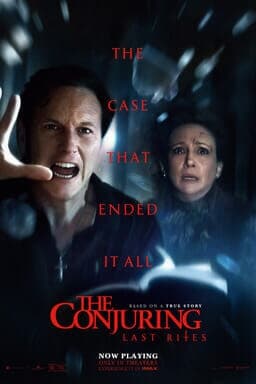
This caught my attention because it’s rare to see the ninth film in a cinematic universe tracking for a $100M+ global opening weekend. Warner Bros. and New Line expect Conjuring: “L’Heure du jugement” (the fourth main Conjuring and ninth in the universe) to land $50-55M domestically and another $50M internationally in its first weekend. That’s not just good for horror-it’s a signal flare for cross-media IP that often bleeds into the games we play.
The sales pitch is simple: The Warrens are back, one last time, and the franchise that helped rekindle mainstream appetite for R-rated supernatural horror is aiming to bow out with a bang. The numbers—$50-55M domestic, roughly $50M abroad in weekend one—would put this entry right next to the series’ heaviest hitters. For context, the original Conjuring and its sequel both opened just north of $40M domestically, while The Nun (a spinoff) managed $53.8M in the U.S. The only clear asterisk in the record is The Conjuring 3, which launched day-and-date on streaming in 2021 and still crawled to $200M+ worldwide.
If these projections stick, we’re looking at one of the strongest horror openings of the year. That matters because strong horror openings tend to ripple into games: publishers greenlight more experiments, licensors get bolder, and communities rally around seasonal content drops. The moment a horror brand shows box office muscle, you can practically hear a dozen pitch decks for asymmetrical multiplayer and VR experiences fire off.
Horror is one of the few genres that consistently overperforms relative to budget in both film and games. We’ve seen it on PC with breakout co-op scares like Lethal Company and long-tail staples like Phasmophobia, and on the big-budget side with Resident Evil remakes and Alan Wake II reminding everyone that narrative horror can be prestige. On the licensing front, Dead by Daylight has turned cinematic horror into a live-service playbook—Chucky, Alien, and Halloween aren’t there by accident. A Conjuring-sized weekend would put this universe squarely back at the top of licensors’ wish lists.
There’s also the business reality: Warner Bros. Discovery publicly loves “evergreen, live-service” revenue in games. Hogwarts Legacy proved single-player can still mint money, while Suicide Squad showed the danger of chasing a service model without the content cadence. A Conjuring win strengthens the case for horror investments that don’t require superhero budgets. The safe bet isn’t a bloated AAA shooter—it’s a tightly scoped, streamable horror experience with high viral potential and smart community hooks.

If the studio wants to cash in without burning goodwill, it shouldn’t be another generic demon-slaying action romp. The Conjuring’s identity is investigative dread—EVP recorders, cold spots, crucifixes, and moral choices that feel like they matter. A first-person, systems-driven investigation game where evidence gathering changes outcomes would fit the IP. Think the tension of Alien: Isolation’s cat-and-mouse, mixed with the deduction of Return of the Obra Dinn or the co-op anxiety of Phasmophobia. Limited tools, real consequences, zero bullet sponges.
VR is the obvious playground (those viral “The Nun” VR shorts were proof of concept), but a flat-screen version with strong streamability is just as valuable. The trick is to design for “watchability”—procedural haunt logic, unpredictable entity behavior, and runs short enough to keep viewers hooked. If Warner wants a live-service angle, seasonal case files and community-led “evidence challenges” are a better fit than a battle pass slapped on holy water.

We’re in a moment where horror wins by being specific and player-driven. Box office strength for Conjuring: “L’Heure du jugement” doesn’t guarantee a great game—but it improves the odds that someone gets the budget to try. If you love horror in games, a $100M+ opening is more than a headline; it’s leverage for the kind of projects we actually want to play.
The new Conjuring is tracking for a $100M+ global debut, which is huge for a ninth-entry horror film. That kind of launch power usually fuels crossovers and greenlights. If Warner plays it smart, we’ll get investigative, streamable horror experiences—not another soulless tie-in. Projections aren’t reality yet, but the conditions for a great game adaptation just improved.
Get access to exclusive strategies, hidden tips, and pro-level insights that we don't share publicly.
Ultimate Gaming Strategy Guide + Weekly Pro Tips