
The CRKD Les Paul Blueberry Burst Pro Controller: Music Game Nostalgia, Reinvented for PC Gamers
Game intel
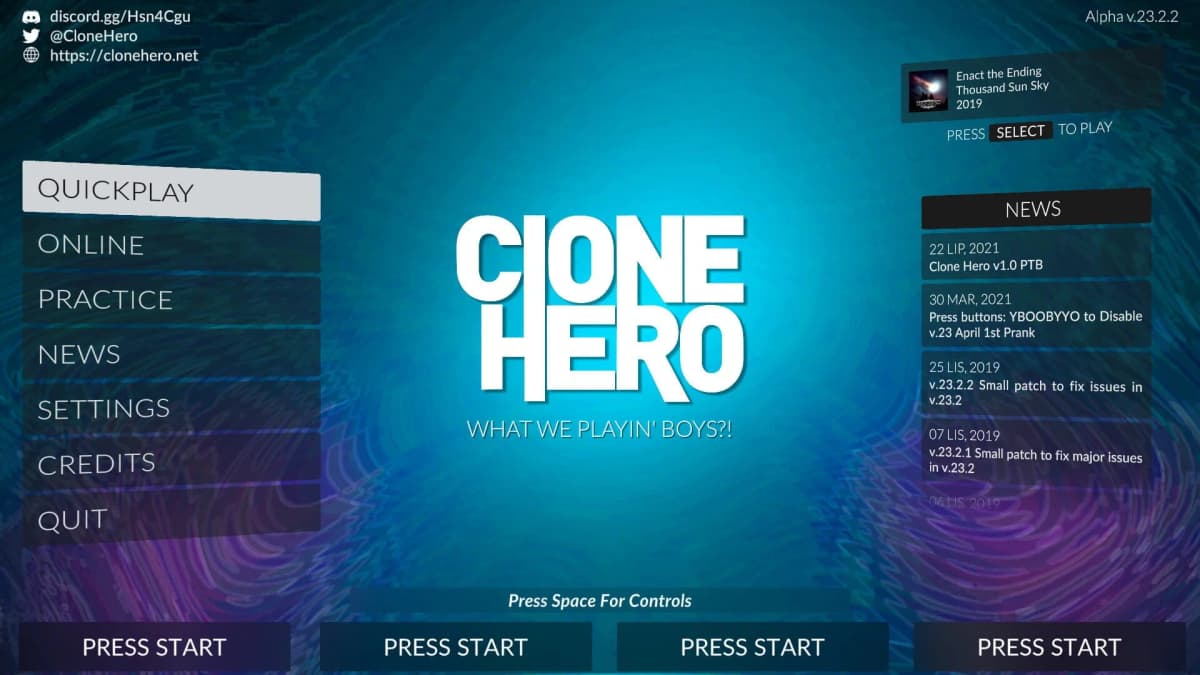
Clone Hero
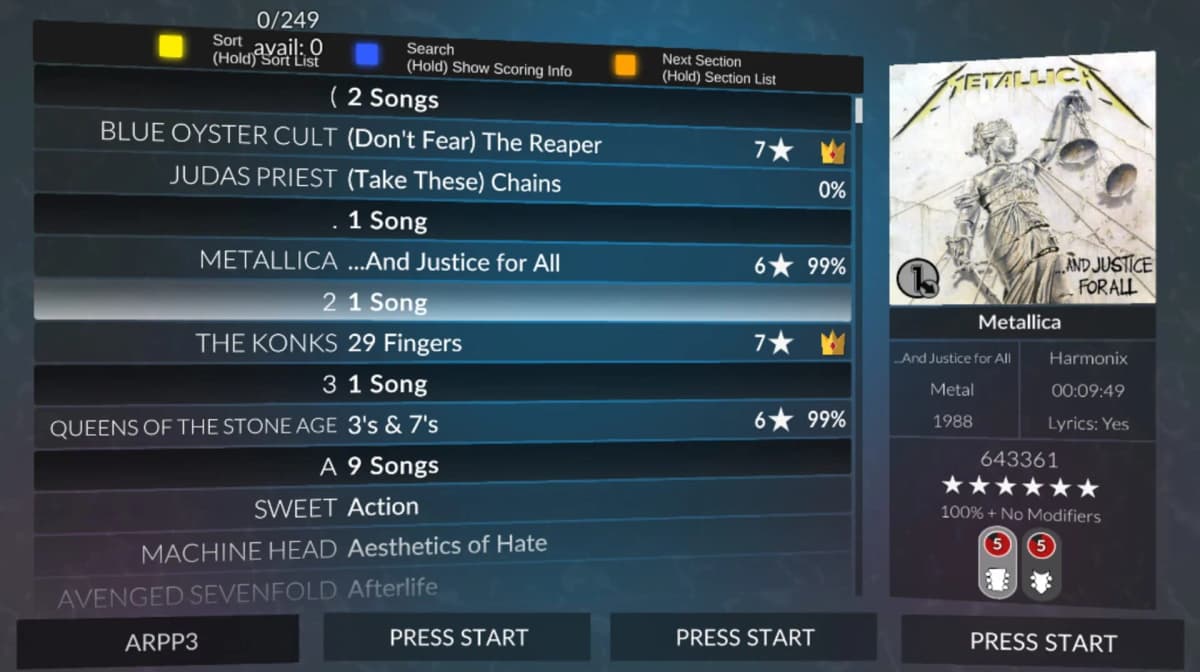
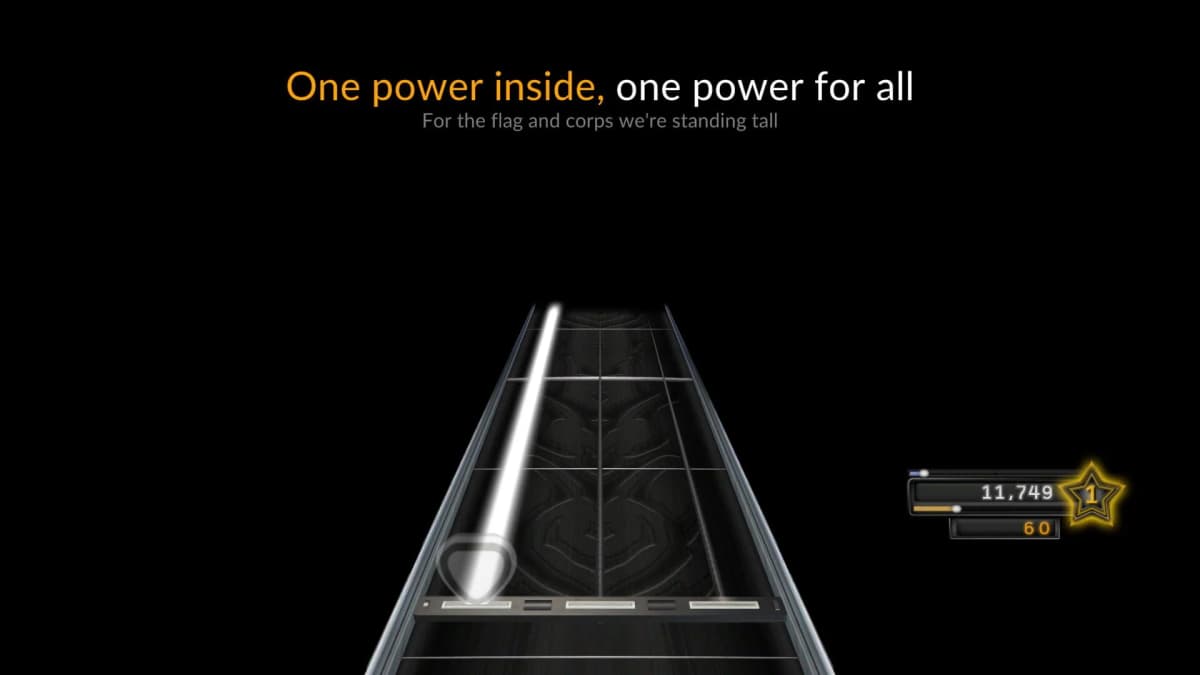
Clone Hero is a free rhythm game, which can be played with any 5 or 6 button Guitars, Drums (knockoffs, MiDis and from official guitar hero or rock band series…
Few things hit harder for rhythm game fans than a plastic guitar in hand and a wall of colorful notes scrolling at breakneck speed. When I first picked up the CRKD Les Paul Blueberry Burst Pro Controller, I felt a jolt of pure nostalgia-like it was 2007 all over again and the glory days of Guitar Hero and Rock Band had never ended. But this isn’t just another cash-in on retro vibes; the Blueberry Burst Pro nails the plug-and-play simplicity we’ve missed, while quietly slipping in a bunch of modern upgrades.
Key Takeaways: Why This Controller Deserves Attention
- No-nonsense plug-and-play compatibility with Clone Hero, Fortnite Festival, YARG, and even classic Guitar Hero titles on PC
- Genuine Les Paul feel, but revamped with mechanical buttons, Hall Effect strum bar, haptics, and customizable RGB
- Finally, no more clunky adapters or sketchy input-mapping software-just instant jamming
- Targets the rhythm game revival without the corporate bloat that doomed the genre a decade ago
The Revived Les Paul: Plug-and-Play Like It’s 2007
If you survived the late 2000s rhythm game explosion, you probably remember the inevitable tragedy: plastic guitars tossed in cupboards, franchises oversaturated, and hardware support withered away. Like a lot of old fans, I helped keep the spirit alive thanks to Clone Hero, but always felt let down by jury-rigged adapters and laggy, used hardware scavenged from eBay.
That’s why the CRKD Les Paul Blueberry Burst Pro caught my eye immediately. The pitch is simple: real Les Paul nostalgia, but you plug it into a PC and it just works. No exotic drivers, no third-party mapping tools-just fire up Clone Hero or even Fortnite Festival and start shredding. For the first time since the PS2 era (and certainly the PC era), there’s a new guitar controller built for these games out of the box. And trust me, that’s a breath of fresh air after fiddling with Xbox 360 dongles and janky software for years.
What Sets the Blueberry Burst Pro Apart?
I’ve tried my share of modern alternatives, like the PDP Riffmaster. Sure, they’re leaps ahead of the ancient hardware, but even those came with caveats: missing inputs, hoop-jumping setups, or lackluster build quality. One night with CRKD’s take and—honestly?—I forgot I was using a new piece of gear. The neck profile, fret spacing, and even the look all feel like classic GH3 Les Paul, but smoother and less “toy-like.” Mechanical fret buttons have a crispness to them, and the Hall Effect strum bar feels both tough and responsive—a huge upgrade over the mushy feel of most knockoffs.
Then there are the modern bonuses: customizable RGB (because what PC peripheral isn’t glowing in 2024?), subtle haptic feedback for note hits, and a build that feels solid enough for marathon sessions. One of my biggest gripes—input delay on old hardware—just isn’t an issue here. The Blueberry Burst Pro is responsive, forgiving even to my decade-old muscle memory. No more cursing at laggy receivers or praying Windows detects the right device profile.
Want to Level Up Your Gaming?
Get access to exclusive strategies, hidden tips, and pro-level insights that we don't share publicly.
Ultimate Gaming Strategy Guide + Weekly Pro Tips
Why This Actually Matters: A Real Instrument Controller Comeback
Here’s the real story: the resurgence of rhythm games like Clone Hero and YARG, alongside new blood from stuff like Fortnite Festival, is finally getting proper hardware support. For years, rhythm fans had to jump through hoops—while corporate publishers just ignored the genre or tried to drown it in overpriced bundles. CRKD’s Les Paul shows you don’t need a massive franchise relaunch to do it right. Just give the community what it’s been begging for: a new, reliable, fun-to-use guitar for the games we already play.
For $134.99/£129.99 (or a bit less for the multi-platform version), it’s not exactly impulse-buy territory—but if you’re serious about rhythm games, it feels less like a cash grab and more like a long-overdue answer to a real need. And with RedOctane’s name popping up again, I wouldn’t be surprised if we’re seeing the start of another big wave—hopefully one that respects what made these games special the first time around.
TL;DR
The CRKD Les Paul Blueberry Burst Pro isn’t just a nostalgia play—it’s a practical, modern answer to the rhythm game revival. It plugs in and works, nails the feel, and brings those 2000s music game memories racing back. For veteran rhythm fans, this one’s easy to fall in love with—and about time, too.