
The Cube, Save Us Hits Steam Next Fest: 63-Player Extraction Mayhem or The Next Big Thing?
Game intel
THE CUBE, SAVE US
The Cube, Save Us is an action-packed, close-combat extraction game set in a post-apocalyptic world. Pass each of the cube gates that presents its own surround…
Why This Announcement Actually Matters
The extraction shooter scene has been crowded with pretenders lately, but THE CUBE, SAVE US made me pause. A 63-player PvPvE match inside a destructible Rubik’s Cube of 27 procedural maps? That’s either a brilliant twist on a genre that’s gotten stale, or a recipe for third-party chaos. With a free demo running during Steam Next Fest from October 13 at 6 a.m. PDT through October 20 at 6 p.m. PDT, we can finally stress-test the idea instead of guessing.
Key Takeaways
- Up to 63 players in a single extraction match is bold-expect spicy third-party fights and potential performance headaches.
- Destructible environments plus 27 procedurally combined maps could keep raids fresh, or make learning the map impossible if not tuned.
- No fixed classes; seven weapon types and flexible skills hint at buildcraft, but balance is everything.
- XLGAMES has MMO chops (ArcheAge), which is good for systems and bad if monetization/anti-cheat aren’t airtight.
Breaking Down the Pitch
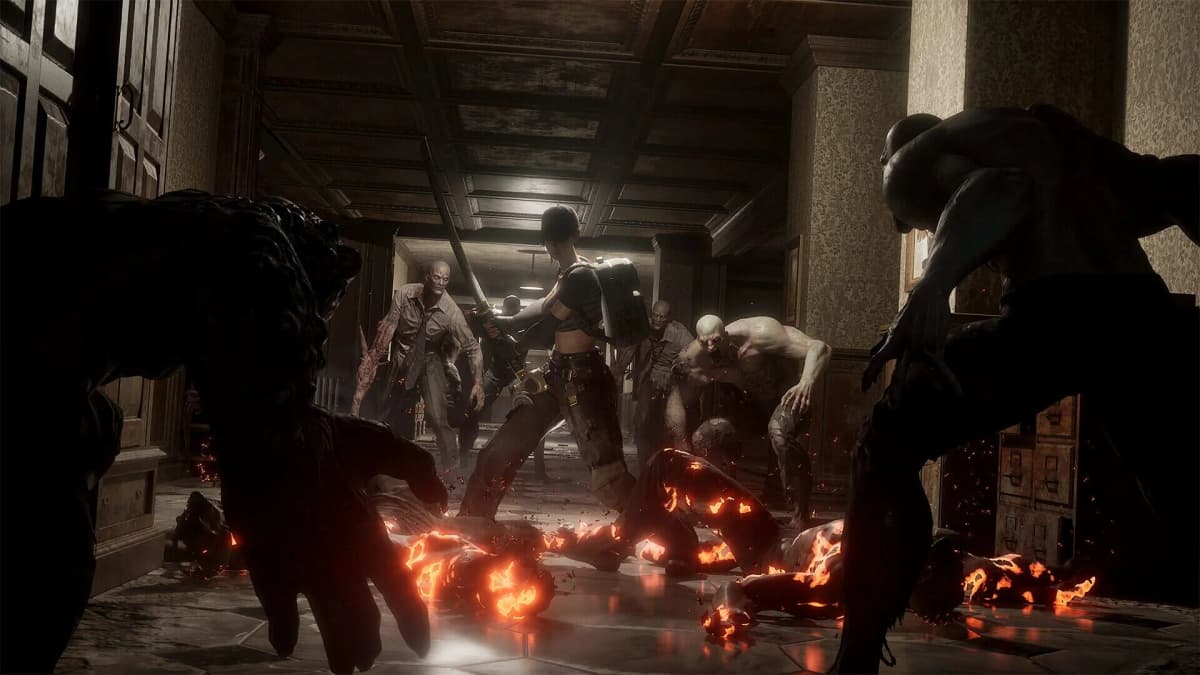
Set on a post-nuclear Earth, THE CUBE, SAVE US throws survivors into a massive structure built from 27 map tiles that procedurally combine each session. Within that cube, you’ll hunt monsters, gather resources, craft and trade, duel other squads, and extract before time runs out. It’s running on Unreal Engine 5 with real-time destruction, which, if it’s more than a gimmick, could finally push extraction meta beyond choke points and door-camping.
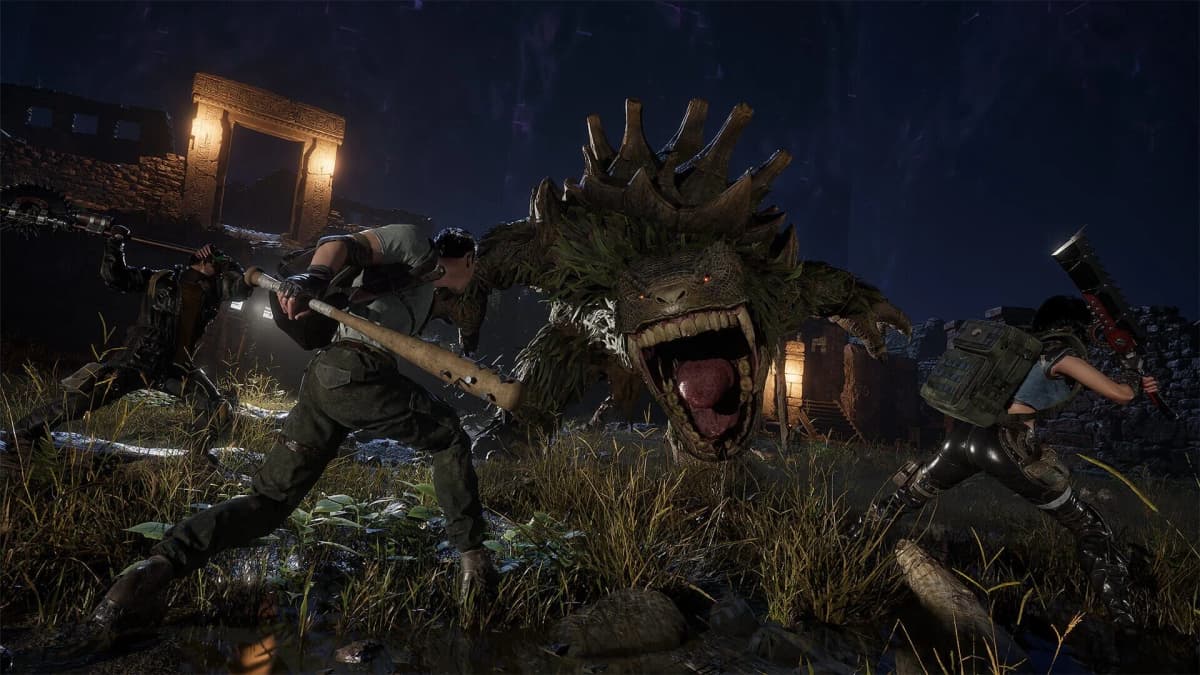
The studio says combat revolves around seven weapon types and a freeform skill system rather than rigid classes. That reads like build experimentation over grindy class unlocks-a good sign-though we’ve all seen metas crystallize around two or three broken combos if patches lag. Strategic “skill-based combat” sounds great; the demo needs to prove cooldowns, damage numbers, and mobility tools actually create counterplay instead of one-button wipes.
63 Players in Extraction: Ambition Meets Risk
Most extraction games cap player counts far lower. Hunt: Showdown thrives with a dozen players because audio, spacing, and boss objectives create readable tension. The Cycle: Frontier went bigger and struggled to keep fights meaningful. At 63, THE CUBE, SAVE US could devolve into unending third parties unless the cube’s geometry and objectives funnel action in waves rather than permanent crossfires. The “race to escape before time runs out” helps, but extraction lanes, spawn logic, and sightlines will make or break pacing.
Then there’s performance. UE5’s Chaos destruction is impressive, but synchronized destruction across dozens of players and AI is a netcode nightmare. We need consistent hit registration, stable tick rates, and sensible debris behavior. If explosions tank frames or block doors in ways that desync, you’ll lose raids to the server instead of other players—instant uninstall territory for this genre.
Procedural Tiles and Destruction: Variety vs. Readability
The procedural 27-tile structure could be a masterstroke. Extraction games live and die by macro knowledge: knowing flank routes, sound traps, and ambush angles. Rotating tiles keeps veterans guessing, but there’s a thin line between “fresh” and “incoherent.” Smart theming and recognizable landmarks are essential. Destruction should open or close routes, not just look cool. If you can breach a wall to create a new extraction path or collapse cover to force repositioning, that’s meaningful sandbox design.
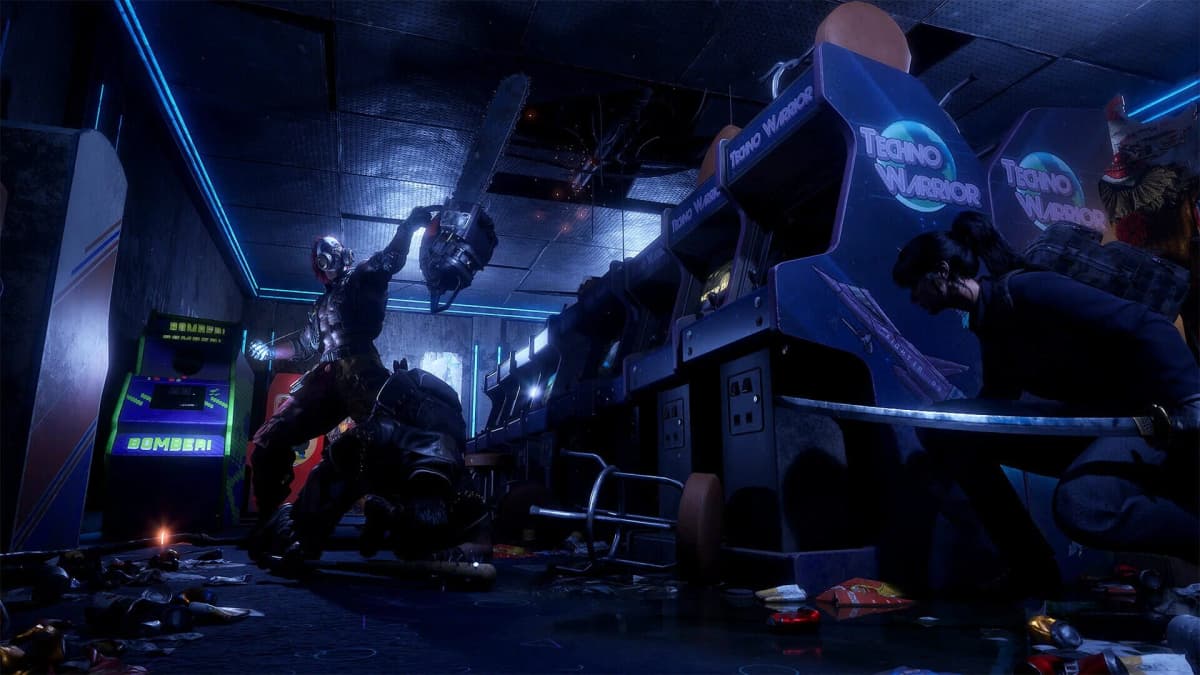
Sound design will be critical. With destructible geometry, audio occlusion and verticality cues need to be readable. If a monster fight two tiles over sounds like it’s in your lap, the cube becomes noise soup. In a 63-player raid, clarity is a feature.
Want to Level Up Your Gaming?
Get access to exclusive strategies, hidden tips, and pro-level insights that we don't share publicly.
Ultimate Gaming Strategy Guide + Weekly Pro Tips
Studio Track Record and the Monetization Question
XLGAMES knows large-scale online systems. ArcheAge delivered one of the most intricate sandbox MMOs of its time—deep economy, naval PvP, emergent drama. It also sparked years of debate in the West over monetization and pay-to-win edges. THE CUBE, SAVE US is pitched as “hardcore PC,” which raises fair questions:
- Is progression wiped between seasons? What’s the long-term loop beyond crafting?
- How are squads matched against solos? Is there a solo queue?
- What’s the anti-cheat plan at scale? Extraction games die without aggressive enforcement.
- Monetization: buy-to-play with cosmetics, or free-to-play with boosts? Clarity matters before anyone sinks hours in.
The team says it wants feedback from the demo. Good—use it to lock down progression fairness, skill balance, and clear comms about business model.
What to Test This Week
- Performance and netcode: frame drops during big fights, hitreg consistency, rubberbanding when destruction triggers.
- Combat feel: time-to-kill, recoil patterns across the seven weapon types, skill cooldown cadence, counters to burst builds.
- Map readability: can you learn tile landmarks quickly, or does procedural layout feel like spaghetti every raid?
- Extraction flow: clear exfil rules, camp-proofing, timer pressure, and whether monsters meaningfully affect PvP.
- Audio: directional cues through multi-level tiles, monster versus player differentiation, and how destruction changes sound.
- Crafting loop: are mats worth carrying over loot, does trading impact power curves, and is there a reason to re-enter the cube after a bad raid?
My gut says this could land somewhere between Hunt’s emergent tension and DMZ’s accessible chaos—if the cube systems create organic objectives and not just noisy arenas. If it can’t keep fights readable at 63 players, I’d rather see them cap lobby sizes for competitive modes and keep the big lobbies for casual chaos.
TL;DR
THE CUBE, SAVE US brings big ideas to extraction: 63 players, destructible UE5 environments, and procedural tiles. The demo window is October 13-20 during Steam Next Fest. If the netcode holds, destruction matters, and monetization stays fair, XLGAMES might have something genuinely fresh. If not, it’ll be another loud experiment that disappears as fast as it arrived.