
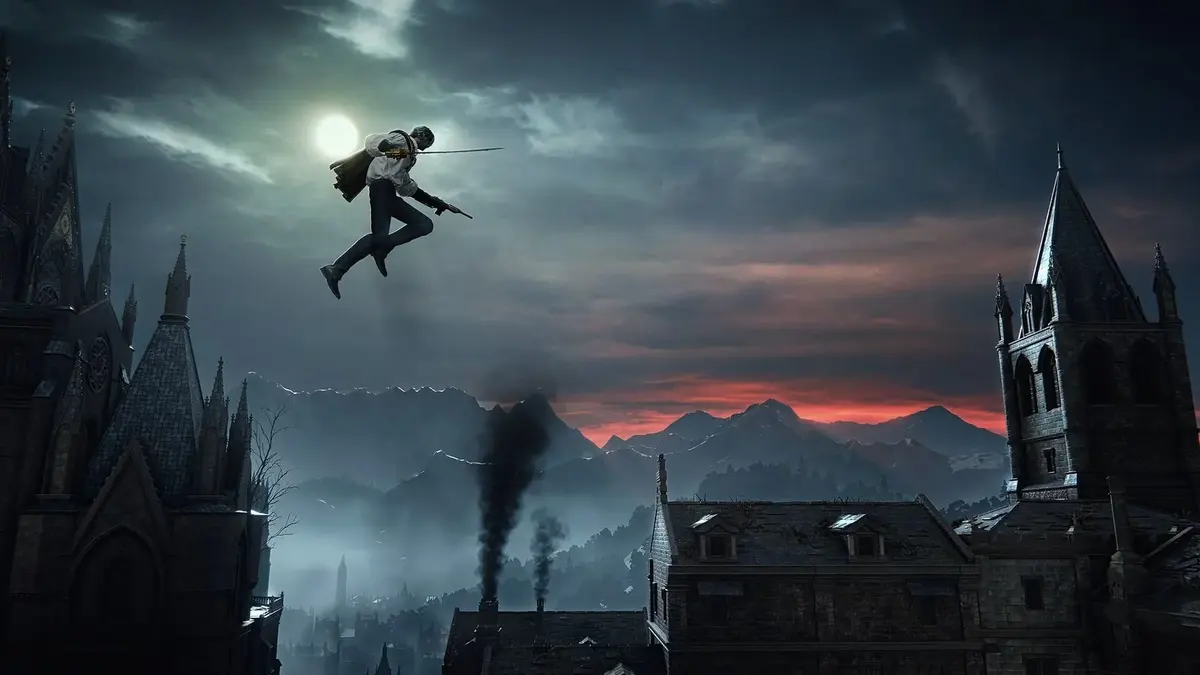
The Duskbloods Network Test was a closed, five-session online test for Nintendo Switch 2, built to stress multiplayer servers before the game’s eventual release. Access required more than downloading a client: players needed to have applied between 22 and 28 July 2026, been selected, kept an active Nintendo Switch Online membership, and used the same regional Nintendo Account that received the entitlement.
The important catch: there was no late-registration route and no way to share an invite with another account. If an account was not selected during the application period, it could not enter this specific Network Test. The original test window ran from 21 to 24 August 2026, while any future test schedule would need a new official announcement.
Table of Contents (8)
What The Duskbloods Network Test Required
The Network Test itself carried no participation fee, but online access still required a Nintendo Switch Online membership. A standard membership, Family Plan membership, or eligible trial could work as long as online play was enabled on the account used for the test.
- A Nintendo Switch 2 console. The original Nintendo Switch could not download or run this test client.
- A Nintendo Account from a supported test region: North America, Europe, Japan, or Oceania.
- A successful Network Test selection tied to that exact Nintendo Account.
- An active Nintendo Switch Online subscription for the scheduled session dates.
- The Network Test application installed and updated before the session opened.
- The correct account region for the entitlement or download code.
Account matching was the part most likely to block otherwise selected players. The Nintendo Account that submitted the application had to be the one signed into the Switch 2 when downloading and launching the Network Test. Having multiple accounts on the same console did not transfer access between them.
| Account situation | Network Test access result | What mattered |
|---|---|---|
| Selected account, correct region, active Nintendo Switch Online | Eligible to download and play during an active session | The entitlement, subscription, and console account all matched |
| Selected account, but the player used a different Switch 2 profile | Access could fail | The invitation was tied to the original Nintendo Account |
| Selected account, but the account region was changed afterward | eShop access or code redemption could be blocked | Test entitlements and codes were region-locked |
| Application submitted but no selection received | No access to this Network Test | Registration was a limited selection process, not guaranteed entry |
| No application during 22-28 July | No access to this Network Test | Nintendo did not offer late registration |
The Access Timeline That Selected Players Followed
The Network Test used a staged rollout rather than opening its servers to every Switch 2 owner at once. That timing explains why a player could receive a selection notification, preload the client, and still be unable to connect until a specific four-hour window began.
| Date | Access stage | What it meant |
|---|---|---|
| 22-28 July 2026 | Application period | Eligible players submitted one entry per Nintendo Account through their regional Network Test page. |
| Around 10 August 2026 | Selection checks opened | Applicants could check their status through the campaign or Nintendo account flow. |
| 18 August 2026 | Code and preload access | Selected players could claim their entitlement or redeem a regional code, then download the separate Network Test application. |
| 21-24 August 2026 | Five scheduled online sessions | The servers accepted logins only during fixed four-hour blocks. |
Selection confirmation could arrive through email, an account-status page, or a visible download entitlement. A confirmation message by itself was not the final step. The selected account still needed to claim the Network Test client through the correct eShop region.
Where code distribution was used, selected players were told to return on 18 August at 6:00 a.m. PT, 9:00 a.m. ET, or 2:00 p.m. BST to obtain a redeemable code. Missing that handoff did not create a new route into the test; it only delayed access for people who were already selected.
Region-Locked Codes Were the Biggest eShop Trap
The Duskbloods Network Test treated the Nintendo Account region as part of the access requirement. The lock applied to the account, not to the Switch 2 hardware. A console with several profiles could hold accounts from different regions, but the player still needed to use the profile tied to the original application and code.
- North American download codes worked only with an eligible Americas-region Nintendo Account.
- European codes worked only with the appropriate European eShop region, including UK and continental European accounts where applicable.
- Japanese codes required a Japanese Nintendo Account and the Japanese eShop.
- Australia and New Zealand codes required an AU/NZ Nintendo Account.
A code from one region could not be redeemed on an account from another. The usual “code cannot be used” message pointed to a region mismatch, an already-claimed code, or an entitlement attached to a different account. Redeeming a code also consumed it for that account; it could not then be reused on another profile.
Keep the selected account’s country or region unchanged until the test is finished. Changing the Nintendo Account region after selection could remove access to the relevant eShop listing or make a valid regional code unusable.
How Selected Players Preloaded the Network Test Client
The Network Test used a separate application rather than the eventual full version of The Duskbloods. Selected participants could find it through the Nintendo eShop entitlement attached to their account, commonly under Nintendo eShop → Profile → Redownload or Purchased Software. Some accounts instead received a 16-character eShop code to claim the same client.
Preload access opened around 18 August, roughly three days before the first scheduled session. That lead time mattered because an installed icon did not guarantee the client was current. Before a session, the software information screen needed to show that updates were complete. Any mandatory patch had to be installed before the servers would accept a login.
- Confirm that The Duskbloods Network Test appears on the Switch 2 HOME Menu.
- Check that the Switch 2 profile currently selected is the same Nintendo Account used for the application.
- Verify Nintendo Switch Online remains active through the scheduled test date.
- Open the game’s software information and install any available update.
- Leave spare system storage for an update, since Nintendo did not publish a confirmed final file-size figure for the Network Test client.
Two more points about the client itself. Network Test save data does not transfer to the retail release: the build exists to collect server and balance data, so every character and unlock is temporary. And do not delete the Network Test client lightly while sessions may still run, since removing it can also remove its local save data; once the Network Test period formally ends, the installed client no longer connects to the servers at all.
The Nintendo Switch Online status could be checked on the console through System Settings → Users → Nintendo Account → Nintendo Switch Online. This was worth checking before the session start time rather than during it, since a lapsed membership and a server-side login problem could look very similar from the game’s connection screen.
The Five Scheduled Sessions and Why Time Conversion Mattered
The Network Test did not provide continuous access between 21 and 24 August. It used five four-hour sessions synchronized globally. Outside those blocks, the client could show an unavailable or maintenance-style message even when the installation, entitlement, and Nintendo Switch Online membership were all correct.
| Scheduled session | British Summer Time | Central European Summer Time | Pacific Daylight Time |
|---|---|---|---|
| Friday, 21 August | 11:00–15:00 BST | 12:00–16:00 CEST | 03:00–07:00 PDT |
| Friday, 21 August | 19:00–23:00 BST | 20:00–24:00 CEST | 07:00–11:00 PDT |
| Saturday, 22 August | 03:00–07:00 BST | 04:00–08:00 CEST | 19:00–23:00 PDT on 21 August |
| Sunday, 23 August | 11:00–15:00 BST | 12:00–16:00 CEST | 03:00–07:00 PDT |
| Monday, 24 August | 03:00–07:00 BST | 04:00–08:00 CEST | 19:00–23:00 PDT on 23 August |
For players in North American Eastern Time, the published conversions landed at roughly 10:00–14:00 ET for the 21 August daytime slot, then 14:00–18:00 ET, 06:00–10:00 ET, and 22:00–02:00 ET for later sessions depending on the day. That is exactly the kind of schedule that punishes sloppy calendar math.
Every window ended hard at the four-hour mark. Players still in a match at the end of a session were disconnected. Logging in near the start of the window was the practical move: it gave the maximum time to test matchmaking and left room for queues, maintenance notices, or sudden server trouble.
The 21 August Server Problems Changed the Plan
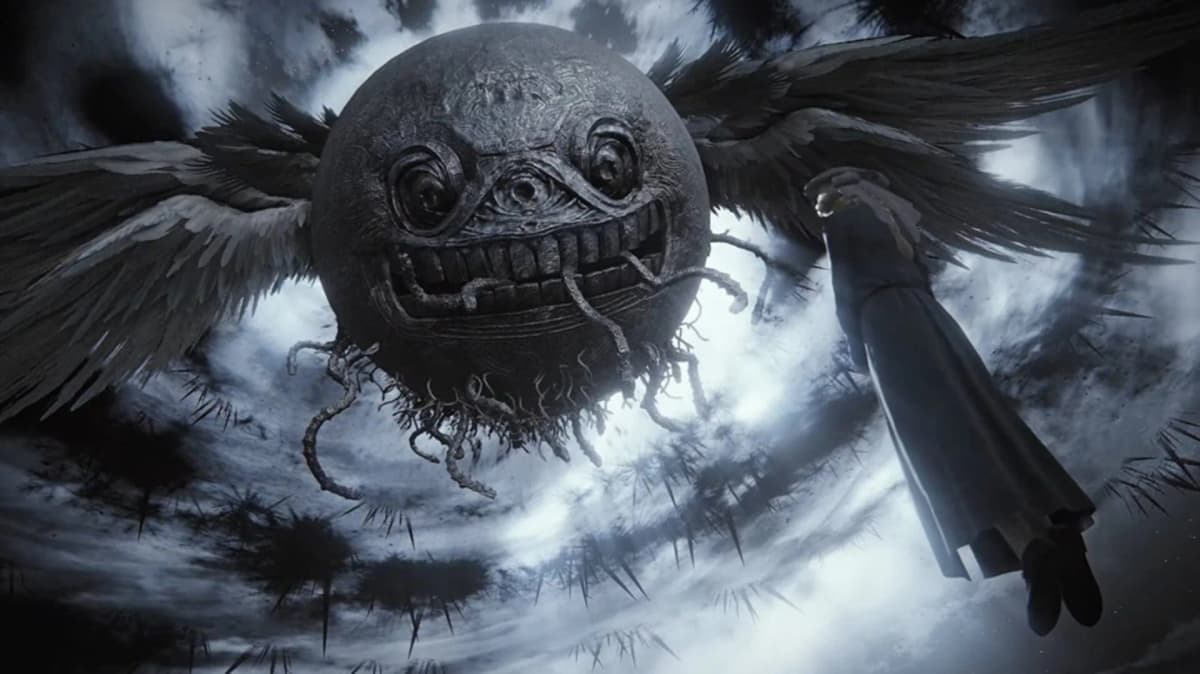
The 21 August session that opened at 19:00 ran into immediate login and connectivity failures. FromSoftware closed that day’s session at 20:47 after the servers could not handle the traffic. The studio said it was investigating the login issues, noted that server capacity was not holding up, and said future schedules would be announced later after improvement work.
That distinction matters for anyone checking old timetables. The original five-session schedule showed the intended windows, but a scheduled slot was never a guarantee that a disrupted session would continue or be replaced. A connection error during an active window could come from the test’s server state rather than an account problem.
- If the client would not connect before a session began or after it ended, that was expected behavior.
- If an error appeared during a scheduled session, first confirm the account, Nintendo Switch Online status, client update, and region match.
- If those checks were correct, avoid changing account regions or trying to redeem the same code again. Those actions could create a separate access problem.
- Session suspensions and revised hours required official confirmation after server work; the original timetable alone was not enough.
What Players Were Trying to Access During Each Four-Hour Window
The Duskbloods is a Nintendo Switch 2 console exclusive multiplayer action RPG built around PvPvE matches for up to eight players. In plain terms, PvPvE means players are fighting both other players and computer-controlled enemies in the same match. Each player enters as a named blood sworn character with distinct weapons, ranged attacks, and special abilities. More than 10 characters have unique names, giving the test a broader roster than a single fixed class selection.
A full match could run for about 30 minutes. Its structure used roughly three eight-minute phases, with ranking pressure based on hidden virtue. Players could earn virtue through several actions, including defeating PvE enemies for Blood Fang Virtue, gathering items for Collector Virtue, holding ritual sites for pledge virtue, and completing each character’s individual sigil objective.
Ritual sites were especially important because capturing one required holding the action for about 10 seconds, leaving a player exposed to interruption or theft. Gold stones improved virtue gains from taking sites, while red stones improved the rewards for defeating other players. Death did not automatically eliminate a blood sworn: characters could respawn during the match, keeping pressure on the server and the ranking system until later eliminations.
After the second phase, the lowest two players were eliminated. After the third, another three fell out, leaving three players for the final closed PvP brawl. The test also included temporary team-up elements, kin companion NPCs summoned from glowing map symbols, and a possible ninth-player invasion into an ongoing match. These systems are exactly why a network test needed real concurrency instead of a simple offline demo.
Practical Access Checklist for Any Future The Duskbloods Test
The specific August 2026 Network Test did not support late applicants, and no second Network Test or open beta had been confirmed at that point. For any newly announced test, the safe preparation is to keep one Nintendo Account in the correct region, apply through that account only, maintain Nintendo Switch Online, and preload the entitled client before the first timed window.
- Use the Nintendo Account that submitted the application.
- Keep that account’s region aligned with the application and any supplied eShop code.
- Do not buy, trade, or attempt to reuse Network Test codes.
- Claim the entitlement and verify the client on the Switch 2 HOME Menu before session day.
- Install updates before the session start time.
- Convert the announced session window to local time and log in when it opens.
- Treat server errors during a closed test as possible capacity issues after confirming the account basics.
The clean rule is simple: selection, account region, Nintendo Switch Online, installed client, and session timing all had to line up at once. Miss any one of them and access stopped there. And as the 21 August shutdown proved, even players who did everything right could still run into the one thing a network test exists to expose: server capacity under real demand.
FinalBoss // Gear
Level up your setup
01Best-selling Switch 2 gameson Amazon→02Switch 2 accessorieson Amazon→038BitDo controllerson Amazon→04Discounted game keyson Kinguin→Affiliate links · As an Amazon Associate, FinalBoss earns from qualifying purchases.
Want to Level Up Your Gaming?
Get access to exclusive strategies, hidden tips, and pro-level insights that we don't share publicly.
Ultimate Guide Strategy Guide + Weekly Pro Tips