
The Fable turns manga panels into tactics: a deckbuilding roguelike worth watching
Game intel
The Fable: Manga Build Roguelike
The Fable: Manga Build Roguelike combines manga, tactical puzzles, and roguelike gameplay into one thrilling experience. Enjoy stylish pixel-art action while t…
Manga pages as a battlefield? The Fable just made deckbuilders interesting again
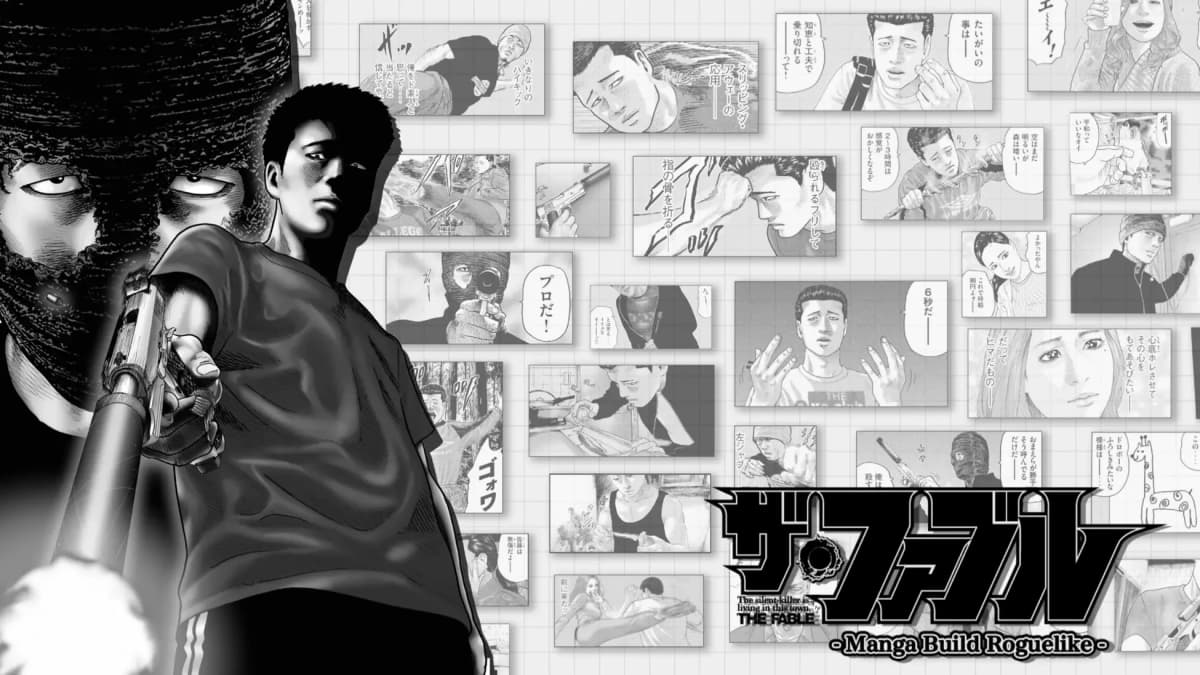
This caught my attention because I’ve played more deckbuilding roguelikes than I care to admit, and the subgenre’s been coasting on Slay the Spire’s blueprint for years. The Fable: Manga Build Roguelike, from MONO ENTERTAINMENT and Kodansha, actually tries something different: you don’t just play cards-you place illustrated manga panels onto a blank page to choreograph fights. It launches Nov. 5, 2025 on PC (Steam) and Nintendo Switch with English and Japanese language support.
- Deckbuilding meets layout: arrange Attack, Defense, and Move panels on a “page” to script your turn.
- Damage rips holes in the page-presentation that could become real, tactical terrain.
- Playable specialists (Akira, Yoko, Suzuki) hint at stealth, gunplay, and traps stacking into synergies.
- Puzzle Mode and manga mini-games add bite-sized challenges beyond roguelike runs.
Breaking down the announcement
The Fable adapts the hit manga and anime series about a legendary assassin trying (and often failing) to live a “normal” life. In-game, action scenes are dealt like cards, then placed onto panel slots. Think Fights in Tight Spaces’ card choreography meets FRAMED’s comic-panel tinkering. You’ll chain movement into melee or gun attacks, tuck in defensive beats, and try to anticipate enemy advances-all before the page turns.
MONO calls out three core panel types—Attack, Defense, Move—plus distinct attributes per “scene card.” That suggests the usual deckbuilder alchemy (draw engines, stance swaps, positional combos) wrapped in a manga layout puzzle. The neat flourish: taking hits tears the paper. If those rips aren’t just cosmetic, they could block placements or force suboptimal routes, which is the kind of constraint that turns a good tactics loop into a great one.
Character kits matter. Akira is your lethal all-rounder, with hand-to-hand and firearms. Yoko drops in from behind for ambush chains (picture a backstab line that upgrades if you end movement behind cover), and Suzuki brings traps and debuffs—classic control tools that could alter enemy pathfinding and set up multi-panel payoffs. If the designers commit to strong identity per character, we might get runs that feel wildly different rather than just “new relic, same deck.”
Beyond the roguelike runs, Puzzle Mode promises single-page brainteasers—perfect for teaching advanced tech like “cover two gaps with one diagonal move” or “parry into reload into finisher” without the RNG noise. There are also mini-games pulled from the manga, including Playboy Kawai’s sake-drinking bit. If these break up the pace between attempts, great; if they’re overused filler, less so.
Industry context: a crowded genre, a fresh angle
Since Slay the Spire crystallized the formula, we’ve seen smart riffs—Into the Breach’s perfect information puzzle box, Marvel’s Midnight Suns’ positional card tactics, and Fights in Tight Spaces’ kinetic brawls. The Fable’s panel placement could earn a seat at that table if it makes layout and page management as important as the cards themselves. Visual clarity will be crucial, especially on Switch handheld: small text and muddy iconography can kneecap even the best ideas.
Kodansha backing an indie creator from its Game Creator’s Lab is also notable. Licensed manga games sometimes play it safe; this one’s leaning into form meeting function, which is exactly where adaptations can shine. MONO’s prior projects (IGNISTONE, Clock Rogue) suggest a taste for systems-first design, and that’s the right instinct for a roguelike.
The gamer’s perspective: questions that will make or break it
Cool pitch aside, there are practical questions:
- Depth vs. novelty: Do panels support build diversity (statuses, terrain control, stance mechanics), or is layout just a visual flourish?
- Meta progression: What carries between runs? Unlocks are fine; grindy power creep isn’t.
- RNG balance: Can smart planning overcome bad draws, or will runs hinge on perfect panel deals?
- Switch performance: Snappy loads and crisp text are non-negotiable in a tactics deckbuilder.
- Onboarding: If you don’t know The Fable, will the game still read cleanly, both mechanically and narratively?
There’s also tone. The Fable mixes cold-blooded efficiency with deadpan humor. The mini-games nod to that, but combat needs to sell the manga’s “six seconds to end a life” mystique. If a well-placed triple-panel chain lets Akira dismantle a room in one turn—chef’s kiss. If everything devolves into chip damage and armor math, the fantasy gets diluted.
For fans, authenticity will be the bar. For the rest of us, it’s all about whether the panel system creates delicious tactical dilemmas: do you spend your last slot on a Dodge to preserve the page, or squeeze in a risky Dash that opens a two-hit combo? The best deckbuilders thrive on those micro-gambles paying off.

Why this could land right now
We’re in a moment where “cards plus X” needs more than a thin theme to stand out. The Fable’s X—literal pagecraft—might be substantial. If damage reshapes your canvas, if position and facing matter for ambushes, and if each character twists the rules in surprising ways, this could be the rare licensed roguelike that earns word-of-mouth on mechanics, not just IP.
Developer mono put it plainly: “This game makes full use of the unique characteristics of manga while combining tactical puzzle elements with roguelike systems.” If the team delivers on that promise and keeps the UX tight, The Fable could be 2025’s stealth tactics sleeper—whether you’ve read the manga or not.
TL;DR
The Fable: Manga Build Roguelike hits PC and Switch on Nov. 5, 2025, turning combat into a page-layout puzzle with Attack/Defense/Move panels and character-specific kits. It looks fresh; now it needs depth, clean UX on Switch, and smart RNG to match the concept’s promise.