

The Falconeer: Revolution Remaster Is Free on Steam — Does It Finally Soar?
Game intel
The Falconeer: Revolution Remaster
The Falconeer is an open-world air combat game, featuring frenetic aerial dogfights and deep exploration of the mysterious open-world of The Great Ursee. Gener…
The Falconeer’s Free Remaster Caught My Eye for the Right Reasons
I bounced off The Falconeer when it launched alongside the Xbox Series X back in 2020. The vibe was undeniable-Benedict Nichols’ soaring score, those painterly skies over the Ursee-but the flight model felt stiff on mouse and keyboard, combat could be punitive early on, and missions leaned on repetitive escort-and-assault loops. So when developer Tomas Sala and Wired Productions dropped The Falconeer: Revolution Remaster as a free upgrade on Steam, that actually made me sit up. Not because of the usual “rebuilt from the ground up” marketing line, but because the patch notes aim straight at the pain points players have flagged for years.
Key Takeaways
- It’s a free upgrade on Steam for existing owners; the remaster replaces the legacy edition for new players.
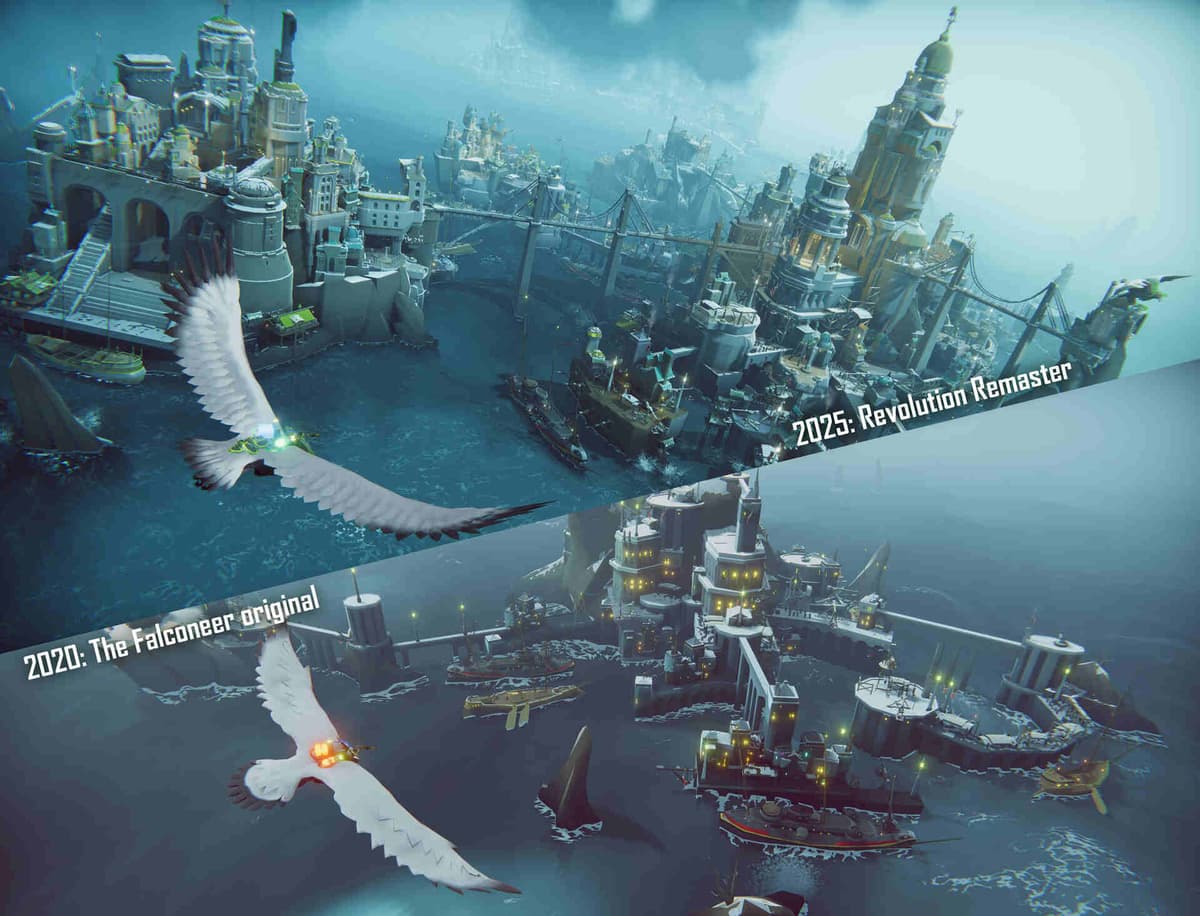
- Overhauled visuals include redesigned warbirds and fully dynamic lighting-this isn’t just a texture pass.
- Refined flight controls and a new single control scheme for mouse and keyboard target The Falconeer’s most divisive system.
- Rebalanced missions, smarter enemies, and integrated “Edge of the World” DLC promise a better-paced campaign.
- The original build remains accessible via a Steam branch, which is a classy move for preservation and preference.
Breaking Down What’s Actually New
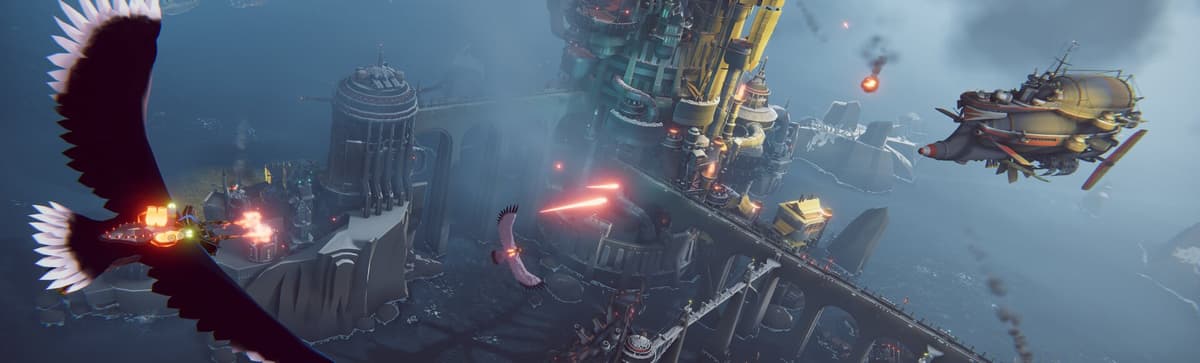
On paper, Revolution is a comprehensive tune-up. The team calls out rebuilt environments and redesigned warbirds, which matters in a game that lives and dies on motion readability and target silhouettes at speed. The new lighting and “fully dynamic illumination” should help with the Ursee’s dramatic weather—sunset dogfights were stunning before, but visibility could suffer when clouds, spray, and particle effects stacked up. Better lighting can fix both mood and clarity.
Controls are the headline for me. The Falconeer’s flight model is momentum-based with resource management quirks, and the original mouse and keyboard support never felt intuitive. Sala says this remaster offers “a smoother, faster, more responsive” feel plus a reworked single control scheme for PC players. If that translates to cleaner rolls, more predictable energy management, and less input latency, we’re talking about a real difference in how every skirmish feels.
Campaign pacing gets attention too: smarter enemies, faster pacing, and “more epic encounters.” That reads like fewer bullet-sponge loops and more meaningful dogfight set pieces. Integrating the Edge of the World DLC into the base campaign is a win—less menu hopping and a more cohesive tour of the Ursee’s factions and mysteries. Extra voice lines, new settlements, and subtle lore updates suggest Sala is stitching this closer to Bulwark: Falconeer Chronicles’ expanded canon.
Why This Matters Now
We’re five years on from launch, and The Falconeer has become an odd cult favorite: adored for its art direction and worldbuilding, dinged for its onboarding and repetition. Plenty of remasters chase a new SKU to resell you the same game. This one’s free for Steam owners, which puts it in the consumer-friendly camp alongside No Man’s Sky-style redemption arcs rather than the “buy it again” playbook. The messaging is telling too: “This remaster is something I need to exist,” Sala says. That tracks with how he’s treated the Ursee—an ongoing universe rather than a boxed product.
If Revolution really is the “definitive vision,” it also sets the technical baseline for whatever comes next in this world. Bulwark taught us Sala’s tools and art pipeline are evolving; dynamic lighting and rebuilt assets hint at a more flexible foundation for future content, whether that’s new campaigns, stand-alone expansions, or something more experimental.
Will It Fix The Falconeer’s Biggest Pain Points?
The original’s early difficulty spikes—the kind that sent you spiraling into the sea because your energy economy wasn’t clicking—were a tone-setter. “Rebalanced missions” and “smarter enemies” could cut both ways, but faster pacing usually means less meandering between hotspots and fewer drawn-out slogs. If enemy behaviors now encourage altitude control, dives, and storm-charging in a way that feels taught rather than punishing, that’s the sweet spot.
As for controls: a single, sane mouse/keyboard scheme is overdue. Controller players were mostly fine, but on PC the game never felt as crisp as Ace Combat or as weighty as a proper sim. The Falconeer sits in that strange middle ground—fantasy birds, not jets—so responsiveness matters more than authenticity. I’ll be testing whether snap turns, aiming compensation, and camera behavior finally match the game’s cinematic ambitions.
Want to Level Up Your Gaming?
Get access to exclusive strategies, hidden tips, and pro-level insights that we don't share publicly.
Ultimate Gaming Strategy Guide + Weekly Pro Tips
What We’re Still Waiting to Hear
Right now, Revolution is a Steam-only story. There’s no mention of Xbox or other platforms getting the same overhaul, which is odd given The Falconeer’s Series X launch pedigree. Cross-platform parity matters; if you took your warbird to next-gen day one, you deserve clarity on timelines. I’m also curious about performance on mid-range PCs, new accessibility options, and whether saves migrate cleanly from the legacy build. “New technology” often implies engine changes—great for visuals, risky for compatibility.
The Gamer’s Bottom Line
For new pilots, this is the right time to dive in. You’re getting the full package—campaign plus DLC—with a control overhaul and fresher pacing. For lapsed players (like me) who loved the Ursee but hated fighting it, Revolution reads like a sincere attempt to fix the friction. And for preservation nerds, keeping the original build alive on a Steam branch is the sort of respect we rarely see when remasters roll through and erase history.
TL;DR
The Falconeer: Revolution Remaster is live on Steam, free for existing owners, and focused on the right fixes: controls, pacing, and clarity. It might finally let this gorgeous world play as well as it looks—now we just need console parity and real-world testing to confirm the “rebuilt” promise.