
Table of Contents (6)
Why the Fallout TV show matters to PC sales – and why it isn’t just a one-week spike
The Fallout TV adaptation didn’t just send curious viewers into the Steam store for a weekend – it appears to have permanently nudged more people into buying Fallout games on PC, and notably into Complete/GOTY editions. G2A’s marketplace analysis finds Season 1 produced an immediate spike, then left 2025 sales at a higher baseline than before the show. The month before Season 2 premiered clocked 78% more volume than the prior quarter, and over 60% of orders were Complete or GOTY packages. That’s the kind of durable halo publishers actually pay for.
Key takeaways – the real effects, fast
- G2A data: Season 1 created a lasting uplift; pre-Season 2 month saw +78% sales vs. the prior quarter.
- Complete/GOTY/Ultimate editions make up >60% of orders — buyers prefer bundled legacy packages over piecemeal purchases.
- New Vegas Ultimate rose 12.5% in Season 2, while Steam concurrent-player peaks for Fallout 4, Fallout 76 and New Vegas doubled or nearly doubled around the show.
- This is a catalog-boost, not a new-IP surge — publishers are monetizing back catalog and discovery is driving Full Edition purchases.
Why this actually matters
Entertainment tie-ins often produce temporary spikes. What’s different here is durability. G2A’s numbers show 2025 settled at a higher sales baseline after Season 1, and the quarter before Season 2 already ran 78% above the earlier period. Steam metrics in our background pack back that up: Fallout 4 daily concurrency jumped (from roughly 17.5K to more than 44K at one peak), Fallout 76 doubled, and New Vegas saw meaningful gains. Those aren’t flash-in-the-pan peaks — they’re sustained lift while the show is on viewers’ minds.
Crucially, the purchases skew toward Complete/GOTY editions. That matters strategically. Newcomers drawn in by a TV show are less interested in hunting down DLC lists; they want the whole package. For publishers, that’s more predictable, higher-margin revenue than selling individual DLC bits. For players it’s convenient — for the industry it’s a reminder that media tie-ins are an efficient funnel for back-catalog monetization.
The uncomfortable observation the PR deck won’t highlight
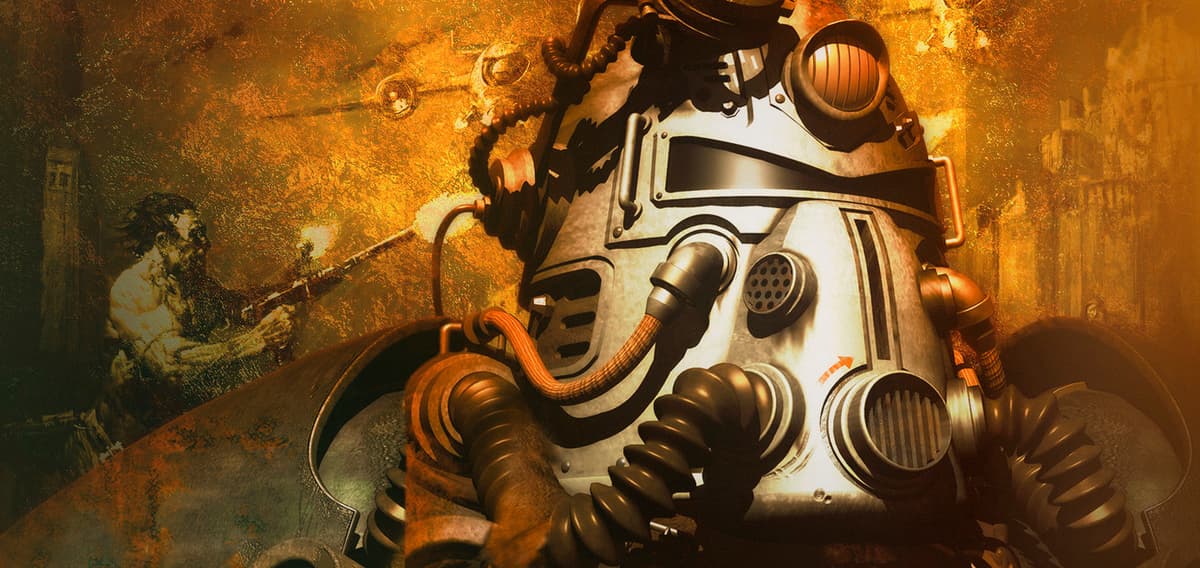
Yes, the show is bringing players back. But that success primarily benefits old games — Complete editions and legacy titles — not new development. The community chatter in forums is loud: fans want remasters (Fallout 3 / New Vegas specifically) timed to the show’s bump. Instead, the market is getting sales of existing bundles. That’s smart business, but not the same as investing in new games or meaningful remasters timed to maximize cultural momentum.
Ask Bethesda/Microsoft the obvious follow-up: are these buyers new to Fallout, or returning players repurchasing bundled editions? If the bulk are new, the case for remasters and clearer onboarding becomes stronger. If they’re recyclers, the lift is still valuable, but less transformative for franchise growth.
What to watch next — specific signals that will prove whether this is sustainable
- Post-finale retention: watch Steam daily concurrency and G2A sales for 30-60 days after Season 2 wraps to see if the baseline holds.
- Fallout 4 / next-gen patch: a timed performance/feature update could convert casual viewers into long-term players — its release window will be a litmus test.
- Remaster announcements: a New Vegas or Fallout 3 remaster timed to the show would show the publisher is actively leveraging the halo instead of just selling existing bundles.
- Season 3 tie-ins: with a third season already greenlit in chatter, any merchandising or release bundling will reveal whether this becomes a planned cross-media strategy or recurring luck.
If I were talking to PR right now I’d ask: what percent of uplift is first-time buyers, and why didn’t you push a remaster or a “new viewer” starter bundle while the audience was hot? The answers will tell us whether this halo gets turned into long-term franchise growth — or remains a convenient revenue pulse for legacy stock.
TL;DR
The Fallout TV series created a measurable, durable sales halo on PC: Season 1 raised the baseline, Season 2 produced a 78% pre-launch sales surge, and Complete/GOTY editions captured most purchases. That’s lucrative catalog monetization, but it’s not the same as new development or remasters timed to the moment. Watch post-finale retention, any remaster announcements, and the Fallout 4 next-gen/patch schedule — those will decide whether this becomes a strategy or just a repeatable spike.
FinalBoss // Gear
Level up your setup
01Graphics cardson Amazon→02Gaming laptopson Amazon→03High-refresh gaming monitorson Amazon→04Discounted game keyson Kinguin→Affiliate links · As an Amazon Associate, FinalBoss earns from qualifying purchases.
Want to Level Up Your Gaming?
Get access to exclusive strategies, hidden tips, and pro-level insights that we don't share publicly.
Ultimate Gaming Strategy Guide + Weekly Pro Tips