
This demo isn’t just a teaser you delete after one scare. Koei Tecmo and Team NINJA shipped a cross-platform demo for Fatal Frame II: Crimson Butterfly Remake on March 5 that carries your progress into the full release next week – and they’ve rebuilt the game to push the original’s emotional core with a new “hold hands” mechanic. That combination turns a traditional pre-launch glimpse into a meaningful preview and a test-drive for how much the remake will change the tone of a 2003 cult classic.
- Save-transfer demo: Play on PS5, Switch 2, Xbox Series X|S, or Steam now; your demo save imports into the full game when it launches (most outlets list March 12).
- New emotional layer: Team NINJA added a “hold hands with Mayu” feature and more side content, signaling a firmer focus on the sisters’ relationship.
- Camera and sound upgrades: Camera Obscura gets Focus/Zoom/Filter tools; 3D sound and rebuilt visuals aim to modernize atmosphere.
- Performance caveats: Demo comparisons show 30 FPS target with instability and clear visual downgrades on Switch 2 and lower-tier hardware.
Table of Contents (6)
Why the save-transfer demo matters more than you’d expect
Demos that matter are rare. Most exist to whet appetites; they don’t change the way you approach launch day. Fatal Frame II’s demo does. Letting players import progress removes the usual demo friction – you can legitimately begin your playthrough now and continue where you left off. That makes the demo a practical tool for deciding whether to pre-order (especially with the usual early-purchase bonuses floating around) and gives fans an honest baseline to judge Team NINJA’s handling of the material.
The ‘hold hands’ mechanic: narrative tweak or tonal risk?
The original Crimson Butterfly built dread partly by leaving the sisters’ bond implied through story beats and environmental detail. Team NINJA is explicitly leaning into that relationship: “holding hands” with Mayu is a new, connective gameplay element reported in multiple previews. On paper it reads as a neat modernizing touch – a simple way to make the stakes feel personal — but it’s also the kind of change that can shift the game’s emotional register from uncanny to sentimental if mishandled.
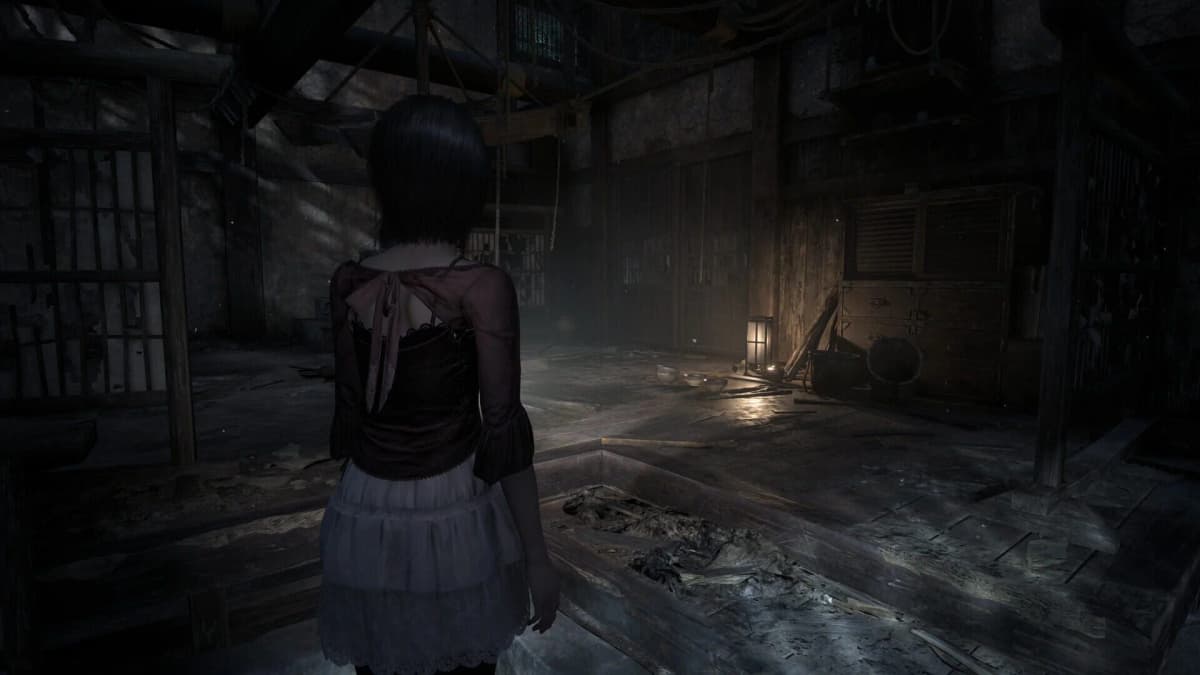
I’ll be watching whether the mechanic is optional, toggleable, or used as a thin veneer for narrative beats. If it deepens micro-interactions (tuning camera angles, sound cues, or enemy behavior), it can be a real improvement. If it’s purely cosmetic or shoehorned into cutscenes, it’s an easy way to dilute the original’s ambiguity.
What the demo actually lets you test — and what it hides
Across previews, the demo covers the opening section and includes cutscenes that set the tone. You can test the new Camera Obscura options (Focus, Zoom, Filters), the rebuilt 3D audio that aims to sell ghostly proximity, and the interplay between exploration and photographing wraiths. Alpha Beta Gamer flagged added side stories and new areas in the remake, suggesting Team NINJA went beyond skin-deep upgrades.
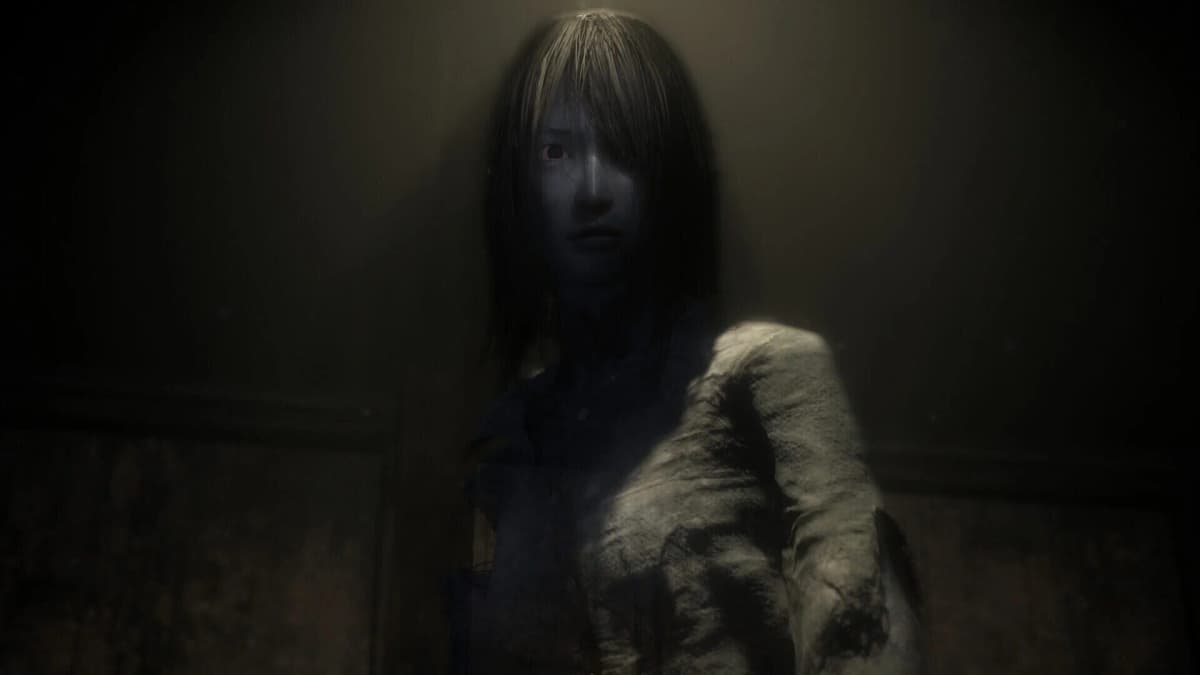
But NintendoEverything’s platform comparisons are the necessary cold water: the game targets 30 FPS and appears unstable in places, with the Switch 2 build showing obvious vegetation and shadow reductions and a dynamic resolution that can dip far below native. Those are exactly the things the demo lets you verify early — and things that will shape whether the remake feels faithful or compromised depending on your platform.
The question the PR team won’t answer until launch day
Is the “hold hands” feature integral to puzzles, scares, and the Camera Obscura combat loop, or is it a narrative ornament? And will save-transfer work seamlessly across regions and platforms? Those are the mechanics that will decide whether this remake deepens the original or merely polishes it.
What to watch next
- March 12, 2026: Full release on most platforms — watch launch-day reviews for how save transfers perform and whether any bugs crop up.
- First 48 hours post-launch: Patch notes and developer responses about performance, especially on Switch 2 and Xbox Series S.
- Community threads and comparison videos: Look for side-by-side footage showing vegetation, shadow, and frame-rate differences that affect atmosphere.
- Whether “hold hands” is togglable or affects difficulty, footage and patch notes will reveal how invasive the change is.
If I could ask Team NINJA one thing before launch: is every demo save transferable regardless of region and platform, and can players opt out of the new relational mechanics if they prefer the original’s ambiguity?
TL;DR
Team NINJA’s demo for Fatal Frame II: Crimson Butterfly Remake is worth more than a free fright — it transfers to the full release and surfaces the remake’s two biggest bets: a gameplay-first modernization of the Camera Obscura and an emotional re-centering via a “hold hands” mechanic. Performance differences across platforms and how integral that mechanic becomes are the two things that will determine whether this remake is a respectful update or a tonal detour.
FinalBoss // Gear
Level up your setup
01Top-rated gaming headsetson Amazon→02High-refresh gaming monitorson Amazon→03Gaming chairson Amazon→04Discounted game keyson Kinguin→Affiliate links · As an Amazon Associate, FinalBoss earns from qualifying purchases.
Want to Level Up Your Gaming?
Get access to exclusive strategies, hidden tips, and pro-level insights that we don't share publicly.
Ultimate Gaming Strategy Guide + Weekly Pro Tips