
Why Players Abandon The First Berserker Rather Than Go Easy
Game intel
The First Berserker
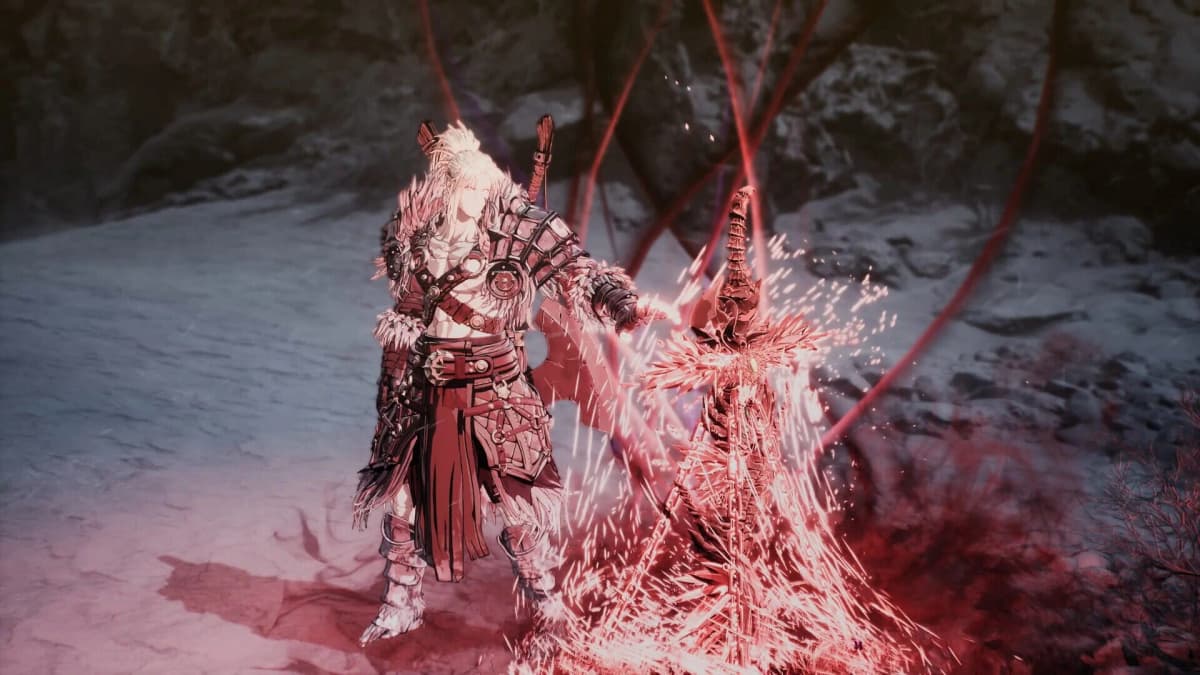
The First Berserker: Khazan is a hardcore action role-playing game. The player will become Khazan, the great general of the Pelos empire, whom overcame death,…
Why The First Berserker’s Difficulty Debate Hit a Nerve
The First Berserker: Khazan arrived in early access with a bold promise—a hidden Easy mode for players who wanted to experience its brutal action-RPG combat without tearing out their hair. Instead, Neople’s own data revealed a striking trend: rather than drop the difficulty, a majority of players chose to quit entirely. That unexpected reaction has kicked off a fresh conversation about pride, labeling, and what “accessibility” really means in games built on challenge.
- Rather than switch modes, most players walked away.
- Calling the default mode “Normal” made it feel like a badge of belonging.
- Neople had to add Beginner and Hardcore options to balance feedback.
- This saga highlights the tension between gamer pride and true accessibility.
The Pride Paradox
At first glance, The First Berserker isn’t reinventing the Souls-like wheel. Its core systems—block, dodge, perfect parry, and punishing boss encounters—are familiar territory for anyone who’s battled through Dark Souls or Elden Ring. Yet Neople aimed to soften that “git gud or quit” stigma by tucking an Easy option beneath the surface. Creative Director Junho Lee later revealed that four months of player data painted a stubborn truth: most players hit the exit menu faster than they toggled down to Easy.
That’s not just digital bravado; it’s gamer identity in action. Quitting felt more honorable than “admitting defeat” by choosing a lower difficulty. Even seasoned action-RPG fans told stories of spending an hour on a boss, then calling it quits rather than face the shame of a downshift.
Labels and Player Psychology
It turns out that names matter—even more than developers expected. When asked, players said they might’ve tried an alternate setting if “Normal” had been labeled “Hard.” A small tweak in UI copy could have reframed the experience: “This is a tough challenge—if you struggle, drop to ‘Normal.’” But by calling it Normal, the mode signaled, “This is what everyone is meant to handle.” And if you didn’t, maybe you didn’t belong.
FromSoftware famously refuses to dilute difficulty—Hidetaka Miyazaki once warned that adding adjustable challenge to Elden Ring would “break” its vision. Neople’s experiment shows that simply tacking on an Easy slider isn’t enough; you need to align player expectations with your tuning and your terminology.
“Easy” Mode: Not So Easy
Irony piled on when the Easy mode itself drew criticism for still feeling like a meat grinder. Players who dared to switch described it as “the hardest Easy mode ever”—a result of trying to preserve core difficulty while offering “accessibility.” Instead of granting relief, the half-measure only deepened frustration and reinforced the quitting crowd.
One developer comment acknowledged that, for some, even the reduced damage and slower enemy attacks weren’t enough to overcome that psychological barrier. If an Easy mode still demands dozens of retries, what purpose does it serve?

Neople’s Tuning Adjustments
Responding to feedback, the studio released a patch with two new toggles: Beginner for players who truly need a gentler learning curve, and Hardcore for veterans craving even purer boss fights. Beginner mode features more generous checkpoints, clearer tutorials on parry timing, and damage reduction tuned to undercut the steepest spikes. Hardcore, by contrast, restores early-game boss patterns stripped of player buffs.
These additions represent an olive branch to both camps, but they also raise a question: if Beginner is necessary, was Easy ever enough? And if Hardcore exists, should Normal even be in the middle?
Industry-Wide Reflections
This saga isn’t unique to Neople. FromSoftware, Team Ninja, and many indie studios wrestle with the same dilemma: how to honor a passionate core audience while inviting newcomers. Too much challenge risks alienating fresh players; too little dilutes the satisfaction of overcoming a tough fight. It’s a delicate balance that extends beyond Souls-likes to any title where difficulty is woven into identity.
As the conversation around accessibility grows louder, developers must ask not only “How do we reach more players?” but “How do we speak to them?” Wording, UI framing, and honest tuning all play a role in helping diverse audiences find success without compromising the game’s spirit.
Conclusion: Rethinking Difficulty in 2025
The First Berserker’s journey from hidden Easy mode to multi-tiered settings underscores one core truth: you can’t solve difficulty debates with raw numbers alone. You need empathy for the players who associate challenge with self-worth—and humility to admit that a single “Easy” toggle might not cut it. If pride drives more gamers away than it pushes through walls, it’s time for studios to rethink labels, tuning, and the very conversation around difficulty.
Ultimately, challenge and accessibility aren’t enemies—they’re two sides of the same coin. But in 2025, game makers must ensure that “Easy” truly lives up to its name, and that no player feels shame for seeking a route to victory.