
House-Flipping Meets the Void? I’m Weirdly Into The Lift
Game intel
The Lift
You are a handyman renovating a massive research facility abandoned after a mysterious incident. The Lift is an eerie first-person simulator with satisfying ho…
House-Flipping Meets the Void? I’m Weirdly Into The Lift
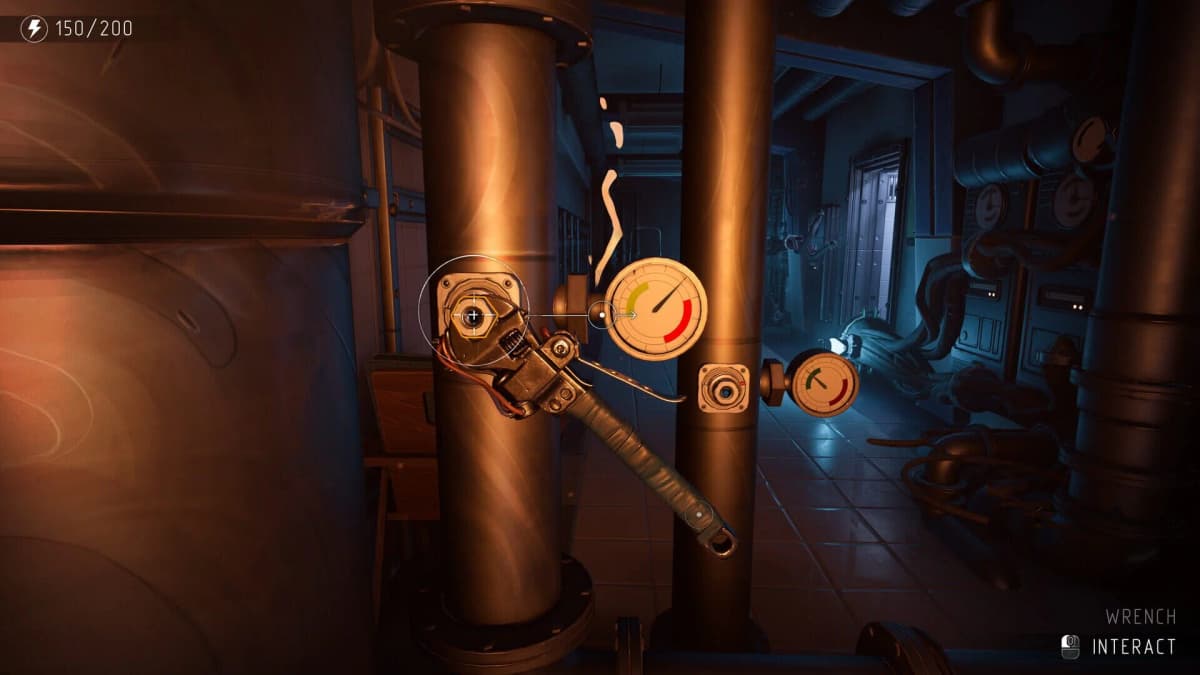
“Supernatural handyman simulator” isn’t a genre I ever penciled into my calendar, but The Lift instantly hooked me. Imagine a first-person renovation game where your workshop is a literal elevator drifting through an abandoned Soviet-style research complex, torn from normal spacetime by a catastrophic accident. You’re not just slapping down paint—you’re rewiring machines, rerouting power, and investigating SCP-style anomalies that leak reality like a busted pipe. Developed by Fantastic Signals (alumni of Pathologic 2 and Ori and the Will of the Wisps) and published by tinyBuild, The Lift is slated for PC in 2026, with console ports to follow. Right now, there’s a limited-time Open Playtest on Steam, and trust me—that’s exactly where you want to be tinkering with fuses instead of waiting for a glossy E3 trailer.
Why The Lift Has Us Hooked
- Real systems matter: assemble circuits, trace fault currents, manage voltage drops—this isn’t “click to repair.”
- Immersive sim DNA: non-linear exploration, emergent problem-solving, and narrative choices inside a retrofuturist Soviet sci-fi labyrinth.
- Cosmic horror that rewards curiosity: Strugatsky meets SCP, with hidden side passages begging to be probed.
- The 2026 runway looms large: the Steam playtest must prove this is more than a slick vertical slice.
Breaking Down the Core Loop
Here’s the pitch: you awake from stasis in the Lift, a modular cab on rails, and your mission is to restore the Institute floor by floor. Each stop presents three pillars—renovate, explore, repair—that interlock in surprising ways. You might refit a busted dormitory, stumble on a half-erased diary hinting at an experiment gone wrong, then reenergize a dormant reactor by diagnosing a short in the transformer bank. Over time, those systems bleed into each other: pulling a cable here might overload machinery down the hall, and flipping a circuit breaker could unlock new wiring pathways on another level.
That complexity is the hook. Fantastic Signals promises multi-component circuits (resistors, capacitors, inductors), fault-current identification, cable routing logic, and even torque generation for mechanical repairs. If they deliver, we’re staring at a first-person Shenzhen I/O meets Prey rather than a glorified power-washer. The tantalizing part is that every wire you patch and panel you toggle could have narrative weight—maybe that power spike awakens something unspeakable.
When Cozy Meets Creepy
Renovation sims have given us simple pleasure for years—House Flipper, PowerWash Simulator, PC Building Simulator—and I love the mindless zen of those. The Lift aims to scratch the same “put things in order” itch but then yank you by the collar into existential dread. It’s cozy labor with cosmic stakes. Factor in the Soviet-retro art deco (think rusted brass, cracked control panels, and propaganda posters peeling off walls) and you get a setting that’s equal parts familiar and alien.
From the Strugatsky-inspired library, where books float in zero-G, to the data-archive wing that flickers with glitch-effects, each biome can feel like its own mini game. If the team commits to letting us bypass a locked door via creative wiring—rather than a forced key-hunt—that could cement The Lift’s status as an immersive-sim darling.
Playtest/Mechanics Deep Dive
Everyone loves a bullet list, but let me paint the picture: you approach a dead power distribution board in a corridor. On screen, you see a schematic overlay. You drag a live wire from the main feed to a terminal, watch the voltage meter spike, and hear a high-pitched alarm warning of an overload. You patch in a resistor to tone down the amps, then reroute a secondary line to a backup generator. If you mess up—boom, cascading failure and a blast door seals the hallway.
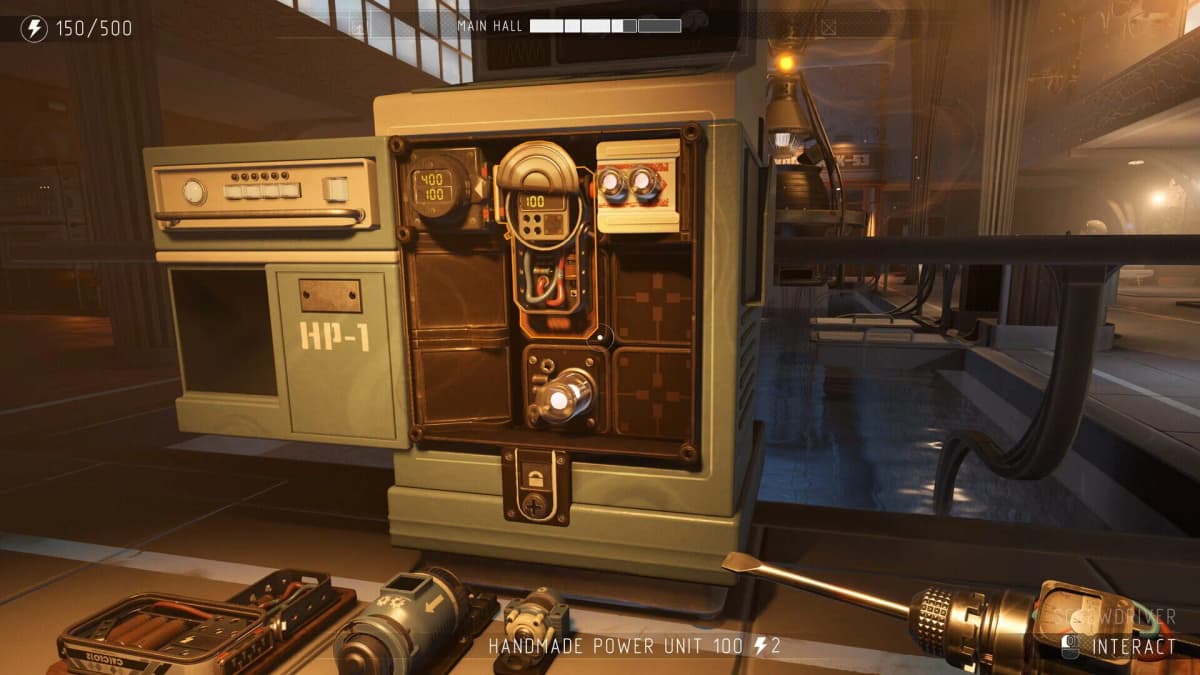
That’s the promise. In your hands, flipping switches and placing breakers should feel tactile, with real feedback: subtle controller rumbles, audio cues for current flow, visual flares when a circuit crosses safe thresholds. Here’s a quick checklist for the Steam playtest:
- Depth of Components: Are resistors, capacitors, transformers each behaving uniquely?
- Emergent Failure Modes: Can a misplaced wire chain-react and affect systems elsewhere?
- Tool Feel and Feedback: Does wiring feel smooth? Are UI drag-and-drop snaps intuitive?
- System Scalability: Do puzzles evolve as you unlock new modules, or repeat the same color-matching?
- Tension vs. Tutorial Balance: Is there room to experiment safely before “learning the ropes” kills the thrill?
If that list lights up in green, Fantastic Signals is on track. If it stays amber, this could collapse into busywork.
Comparative Analysis: Standing Out or Blending In?
- Shenzhen I/O vs. The Lift: Both demand circuit know-how, but The Lift trades text-heavy code for hands-on wiring in 3D space and layers in horror–mystery.
- Prey vs. The Lift: Prey’s emergent tools let you turn tools into weapons; The Lift should let you turn innocuous panels into traps or secret pathways, not just fight aliens.
- PowerWash Simulator vs. The Lift: Washing clean is soothing, but The Lift wants your repairs to open narrative threads—making every fix a clue rather than a chore.
- Pathologic 2 vs. The Lift: Pathologic’s systemic disease caught you in a web of cause and effect. The Lift must show similar systemic stakes, where stabilizing one circuit can destabilize another in dramatic ways.
Healthy Skepticism: The Red Flags
1) Timeline Anxiety: 2026 feels distant. A polished demo can hide shallow systems—if those puzzles don’t scale, we’ll replay the same five tricks on different walls.
2) QA & Support: tinyBuild’s mixed record means this could hit with bugs that break the wiring UI or crash when too many breakers overload at once.
3) Genre Crowding: “SCP-style” is a crowded shelf. The Lift’s unique voice must come through—maybe via bureaucratic logs that let you repurpose HR forms into circuit blueprints.
What If They Nail It?
If The Lift delivers genuine systems literacy—meaning you learn why a motor stalls under load or how grounding errors cascade into blackouts—it could push the renovation genre into genuinely “thinking” territory. Marry that with immersive-sim freedom (multiple solutions, reactive world) and a cosmic mystery that unfolds through your toolbox, and you have a game that respects player intelligence without hiding behind dense manuals or predetermined bullet points.
TL;DR
The Lift transforms cozy house-flipping into a thinking person’s immersive sim with real electrical engineering stakes and SCP-style cosmic dread. Jump into the Steam playtest to see if those wiring promises are genuine or just shiny art. If Fantastic Signals fuses Pathologic’s systemic bite with Ori-grade polish, 2026 just got a lot more electrifying.