
If you’ve ever walked slowly across a grimy street, knocking thugs into the gutter with a buddy at your side, you’ve been living in Yoshihisa Kishimoto’s world. Now the man who helped invent the modern beat ’em up is gone – and his absence says as much about how games remember their creators as his work did about how we like to play.
Yoshihisa Kishimoto, creator of Double Dragon and the Kunio-kun (River City) series, died on April 2, 2026. He was reportedly 64 years old, with some outlets listing 65, but all agree on the date. His son Ryūbō confirmed the news in a social media post, asking fans to keep enjoying his father’s games, from Kunio-kun to Double Dragon. Japanese outlet Famitsu later verified the passing.
Table of Contents (9)
Key takeaways
- Double Dragon & Kunio-kun creator Yoshihisa Kishimoto dies at 64, leaving behind the template most side-scrolling brawlers still follow.
- He turned real street fights and Japanese delinquent culture into Renegade, Double Dragon, and River City – then watched others build empires on that blueprint.
- His late-career return on projects like Double Dragon IV and River City Ransom: Underground shows how awkwardly the industry handles its own pioneers.
- The bigger story isn’t just an obituary; it’s a reminder that games still struggle to credit and preserve the people who defined whole genres.
The guy who turned schoolyard fights into a genre
Kishimoto didn’t start as “the Double Dragon guy.” He cut his teeth at Data East in the early ’80s, working on laserdisc arcade curios like Cobra Command and Road Blaster – interactive anime car chases you could barely keep running in a smoky game center. That era taught him two things: how to stage action cinematically, and how quickly tech fads die if the play underneath isn’t strong.
The real shift happened when he moved to Technos Japan. In 1986 he created Nekketsu Kōha Kunio-kun, localized in the West as Renegade. It wasn’t just another arcade brawler; it was drawn straight from his own life. Kunio is a Japanese high school delinquent throwing fists in train stations and back alleys, a fantasy version of the street scraps Kishimoto has said he got into growing up.
One year later, Double Dragon lands, and everything snaps into focus. Take Kunio’s close-quarters scrap, stretch it into a scrolling city, drop in two-player co-op, throw in weapons you can grab off the floor, and suddenly you’re not just playing a fight — you’re on a side-scrolling journey through a fight. It hit in 1987 like a truck.
Most outlets will tell you Double Dragon “popularized” beat ’em ups. The more honest read: it defined them. The crowd control, the eight-way movement plane, the janky-but-perfect jump kicks, the rhythm of walking, clearing the screen, inching right, repeat — that’s Kishimoto’s design language. Final Fight, Streets of Rage, Turtles in Time, even the throwback darlings like Teenage Mutant Ninja Turtles: Shredder’s Revenge all start from his blueprint.
Kunio-kun: the most personal brawler you never noticed
Outside Japan, Double Dragon got the glory while Kunio-kun quietly built a whole universe. In the West we mostly knew it as the River City series — River City Ransom, Crash ’n the Boys, and a mess of localizations that sanded off the Japanese delinquent culture but kept the bones.
Under the hood, Kunio-kun is arguably closer to Kishimoto’s heart than Double Dragon ever was. The first arcade game is set in a fictionalized version of his own high school, with a protagonist who shares his name. Later entries morph into sports games and RPG-infused brawlers, but the core vibe stays the same: scrappy punks, dense city life, and fights that feel more like messy real brawls than clean martial arts choreography.
That’s the bit modern retrospectives tend to skip while they speedrun to “double dragon & kunio-kun creator yoshihisa kishimoto dies at 64.” He wasn’t just good at brawlers; he was one of the first designers to put his own youth culture on-screen in a way arcade audiences recognized instantly. Before “authenticity” was a buzzword, Kunio-kun was selling it 100 yen at a time.
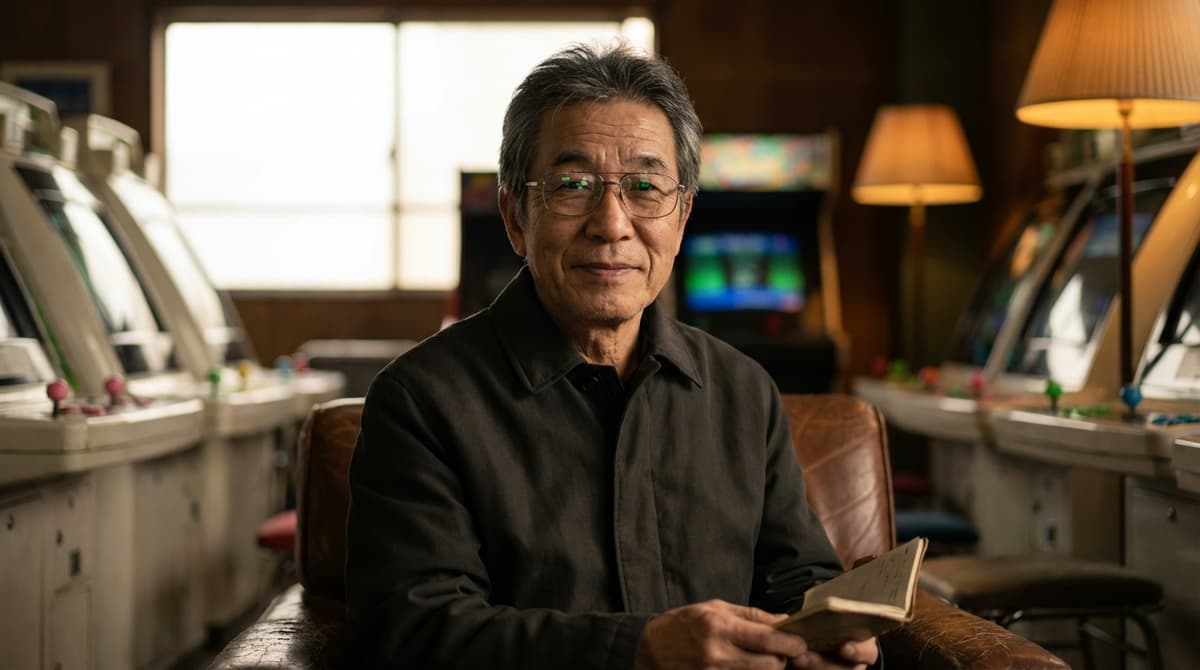
The Kunio-kun DNA is all over today’s “modern retro” brawlers. When River City Girls leans into comedy and school life, or when small indies fuse stats, shops, and open-ish streets with punching, they’re echoing what Kishimoto sketched in the late ’80s on modest hardware.
The beat ’em up boom he started never really moved past him
Look at a timeline of the genre’s big moments and Kishimoto sits right at the inflection point. Before Double Dragon, you had proto-brawlers like Kung-Fu Master and Spartan X, but they’re basically one-lane gauntlets. After Double Dragon, everyone and their corporate parent is making “walk right and hit things” games.
Capcom’s Final Fight beefs up the sprites and tightens the controls. Sega’s Streets of Rage brings in a legitimately great soundtrack and smoother co-op. Licensed titles from Teenage Mutant Ninja Turtles to The Simpsons re-skin the template. But the fundamental loop? You could drop any of those characters into a Double Dragon stage and the muscle memory would carry you.
Even outside pure beat ’em ups, Kishimoto’s influence is weirdly sticky. The way modern action games treat crowds of fodder enemies — groups you juggle, reposition, and control rather than duel — comes straight out of the belt-scroller mentality. Musou games like Dynasty Warriors, the mob-clearing waves of an Arkham fight, even co-op roguelites where you’re constantly checking your spacing on a 2.5D plane — they all talk, quietly, in his accent.
And yet, unlike Miyamoto with platformers or Romero with first-person shooters, Kishimoto’s name never quite became mainstream shorthand. His games did. His mechanics did. His characters did. He didn’t.
The wrestling games and the forgotten middle of his career
There’s another piece of his resume that tends to get buried under all the elbow drops in the alley: the actual elbow drops in the ring. At Technos, Kishimoto also directed arcade wrestling games WWF Superstars and WWF WrestleFest, which hit at the height of late ’80s and early ’90s pro wrestling mania.
Those games mattered for the same reason Double Dragon did: they understood spectacle. Huge sprites, bold colors, chunky grapples that felt like they hurt. Tag mechanics and chaotic multi-man brawls that made sense the second you dropped a coin in. If you’ve ever played a modern wrestling game that remembers to feel like an arcade show instead of a fragile simulation, you’re seeing that thread.
After Technos folded in the mid-’90s, Kishimoto didn’t land at some big, safe first-party studio. He founded his own outfit, Plophet Co., and moved into freelance work. It’s a familiar story if you’ve watched how Japanese studios treated their veterans once the arcade market waned: the people who built the golden age became contractors for the nostalgia era.
Late-career revivals and the industry’s awkward respect
When Double Dragon came back in a bigger way, Kishimoto finally got called home — sort of. Arc System Works, which now holds the Double Dragon and Kunio-kun rights, brought him in to direct Double Dragon IV in 2017. It was a deliberate throwback, using Famicom-style visuals and mechanics as if the Super Nintendo era never happened.
Fans were split. Some loved the purity; others wanted a modernized take like Streets of Rage 4. But from a creator’s perspective, it was at least a rare case of a publisher letting the original architect put his stamp on an official sequel decades later. You can feel his priorities all over it: mean enemy placement, janky but expressive moves, a sense that the game isn’t there to flatter you.
He also served as a consultant on River City Ransom: Underground, a Western-made spiritual successor to Kunio-kun. That was the other kind of respect: not just “we own your IP, come sign off on this,” but “we grew up playing your stuff, help us get it right.” His credit on that project isn’t front-of-box big, but it’s there, and it mattered to the devs who sought him out.
The uncomfortable question here is simple: why did it take nostalgic revivals for the industry to put his name back in lights at all? Double Dragon and Kunio-kun kept generating value — collections, merch, new spin-offs — but for most players, “the brand” was the star, not the guy who sketched it out over cheap coffee thirty-odd years ago.
Remembering the creator, not just the logo
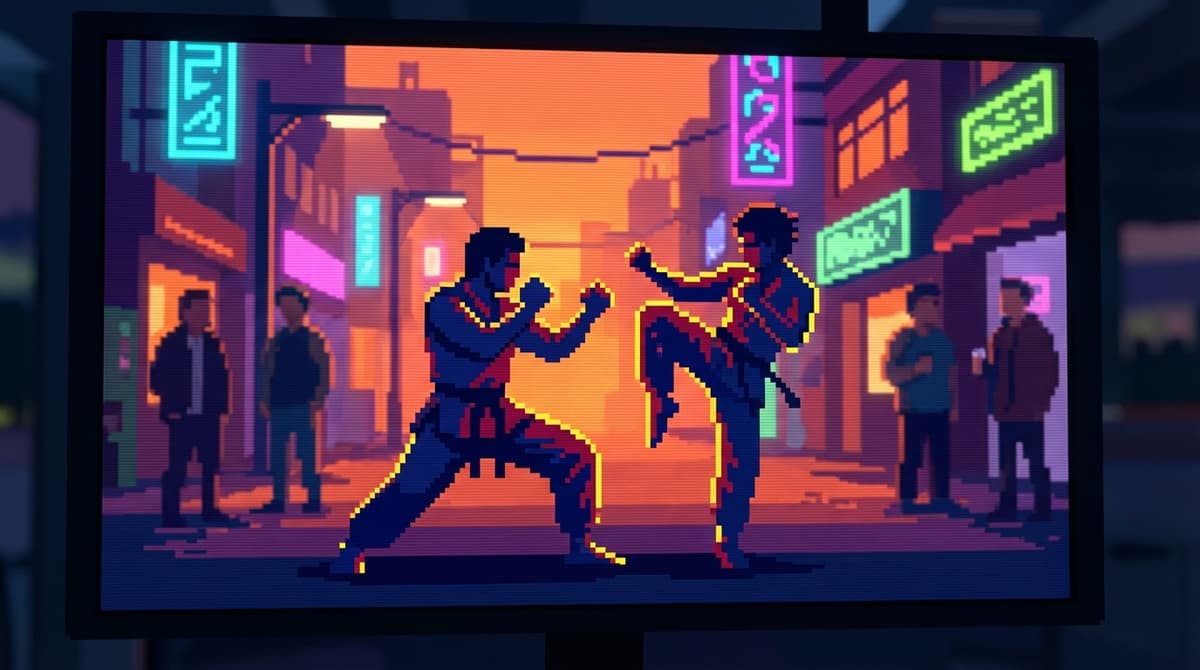
When news broke that double dragon & kunio-kun creator Yoshihisa Kishimoto dies at 64, the coverage was respectful but predictable: list the hits, pull a quote from his son, embed a few old arcade flyers, move on. What’s missing is the part where we ask why so few players knew his name until they saw it in an obituary.
Games are notoriously bad at authorship. We talk about studios and IP, not people. The exceptions — the Kojimas, the Miyamotos — prove the rule. Kishimoto sits in the category just underneath: foundational, imitated for decades, yet somehow not part of the mainstream pantheon.
That’s why his son’s request lands harder than it might seem. In his post announcing the death, he asked fans to keep enjoying his father’s work — to keep playing Kunio-kun and Double Dragon, to keep those worlds alive. It’s not just a sentimental line. For creators from that era, replaying their games is sometimes the only visible acknowledgment they get.
The good news is that his stuff is still accessible. Collections like Double Dragon & Kunio-kun Retro Brawler Bundle keep the core games on modern platforms. Indie studios are still riffing on River City. Brawlers are having a low-key renaissance. Every time a new belt-scroller launches and proudly calls itself “old-school,” it’s admitting, whether it knows it or not, that it’s building on Kishimoto’s work.
So yes, this is an obituary. But it’s also a reminder that if we care about gaming history, we need to care about the actual people who put their names in the credits, often once, in tiny font, in a game we dropped coins into and forgot. Yoshihisa Kishimoto’s games never really went away. The least the industry can do now is make sure his name doesn’t either.
What to watch next
- Future Double Dragon and Kunio-kun releases: The next time Arc System Works or any licensee puts out a Double Dragon, River City, or Kunio-kun project, watch the credits and marketing. If Kishimoto’s name is front and center, that’s a sign his legacy is being taken seriously.
- Official tributes and retrospectives: Japanese outlets like Famitsu and Western events like GDC love a good “history of the beat ’em up” segment. Whether Kishimoto is framed as the central figure there will tell you how the industry chooses to remember him.
- How other devs talk about him: Over the next year, expect brawler and fighting-game developers to share stories about Double Dragon’s influence. The more specific those stories are, the clearer his invisible impact becomes.
TL;DR
Yoshihisa Kishimoto, creator of Double Dragon, Kunio-kun, and key arcade wrestling titles, has died at 64, confirmed by his son and Japanese press. His work at Technos Japan in the ’80s effectively invented the side-scrolling beat ’em up template that games still lean on today. The real measure of his legacy now is whether future brawlers and revivals finally put his name alongside the logos he created.
FinalBoss // Gear
Level up your setup
01Top-rated gaming headsetson Amazon→02High-refresh gaming monitorson Amazon→03Gaming chairson Amazon→04Discounted game keyson Kinguin→Affiliate links · As an Amazon Associate, FinalBoss earns from qualifying purchases.
Want to Level Up Your Gaming?
Get access to exclusive strategies, hidden tips, and pro-level insights that we don't share publicly.
Ultimate Gaming Strategy Guide + Weekly Pro Tips