
Table of Contents (9)
How a stray 151st Pokémon rewired the world
When Pokémon Red and Green launched in Japan in February 1996, nobody expected a tiny, hidden creature tucked into leftover bytes to reshape gaming culture. Yet that’s exactly what happened. A last-minute addition by programmer Shigeki Morimoto, combined with a playground rumour about “Mew under a truck” and an obscure in-game glitch, ignited word-of-mouth that sent cartridge sales skyrocketing. As Pokémon celebrates its 30th anniversary and The Pokémon Company leans again on nostalgia—like the new Game Boy-style music jukebox—historians and dataminers are peeling back the legend of Mew. What they’re finding isn’t tidy marketing magic, but a messy, human story of limits, myths, and the kind of accidental authenticity blockbuster franchises can’t buy.
Key Takeaways
- An unauthorised Mew insertion by Shigeki Morimoto used just 300 free bytes but tapped into a love of hidden secrets (ON Games Volume 2, 2019).
- The “Mew under a truck” myth is pure playground folklore; the real exploit lives in a specific code sequence (Game Freak, 2018 YouTube interview).
- Rumours doubled and even tripled weekly sales, proving genuine mystery outperforms top-down PR every time.
A programmer’s hidden addition
In the final weeks of Pokémon Red and Green’s development, Game Freak found roughly 300 bytes of unused space in the cartridge code. Rather than delete it, programmer Shigeki Morimoto slipped in a data entry for a new creature: Mew. The sprite remained uncoloured in early builds and could only be accessed through glitches or special events, but its presence was real. “I wanted to leave something special for players who dug deep,” Morimoto told Game Freak’s official YouTube channel in 2018. “The code allowed me those few extra bytes, so I slipped it in more as an Easter egg than a feature.”
It wasn’t an impromptu prank born purely from mischief. Morimoto’s addition reflected Game Freak’s broader design ethos, championed by Satoshi Tajiri, Ken Sugimori, and their team: create a game world rich enough to invite fan myths. Tajiri later admitted he was inspired by 1980s arcade rumours—stories of invisible foes or runaway dogs crossing the screen—and wanted to reproduce that feeling of wonder. Embedding Mew without official documentation or in-game guidebook reference was a calculated risk, banking on players to explore every byte of code, every spoken whisper, and every handwritten diary entry within the game’s files.
The myth that fueled a frenzy
Almost immediately after Red and Green hit shelves, rumor networks kicked into gear. CoroCoro magazine and fanzines ran speculative guides on a hidden “151st Pokémon,” but none could explain how to find it. Word spread in schoolyards: “Surf past the SS Anne on Route 8, sneak past the guard, push the blue truck on Route 25, and Mew appears.” This colourful tale—now known as the “Mew under a truck” myth—was perfect playground currency: simple to repeat and dazzlingly cinematic.
In reality, no in-game truck sprite hid Mew data. As long-form accounts in ON Games Volume 2 (2019) clarify, the exploit relied on a precise sequence: battle a Trainer with a specific lead Pokémon (commonly Abra or Ditto), immediately use Fly or Teleport before the game writes your current location back into memory, then return to Vermilion City and surf northward. That memory leak tricks the game into loading Mew’s data instead of your last opponent’s sprite. Yet the truck legend persisted because it was portable and visually compelling—exactly the kind of false myth that guides kids through code they’d never read for themselves.
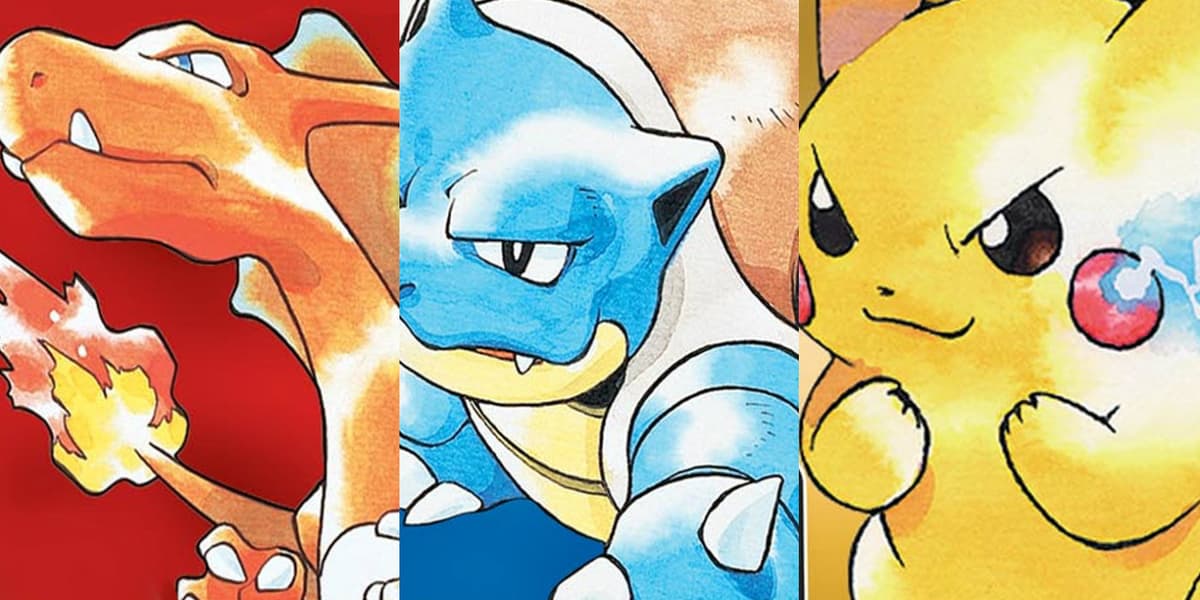
Developer recollections and internal Game Freak records (as recounted in ON Games Volume 2) suggest that as soon as these Mew rumours began circulating, sales doubled from roughly 120,000 cartridges per month in March 1996 to over 250,000 the following month. In some regions, weekly shipments temporarily matched those numbers. That spike wasn’t fueled by magazine ads or television spots: it was pure social engineering, demonstrating that an actual, unscripted mystery can outperform any marketer’s carefully scheduled reveal.
Cracking the code: The real glitch explained
To see how the glitch works in code, you must understand Gen 1’s data structures. Each battle stores your lead Pokémon’s ID and status flags in a fixed memory block. When you exit a battle without saving, the game writes those flags to your current map location. By flying away too quickly, you overwrite normal map data with battle flags—the game then believes you’re on the SS Anne after beating a specific Trainer. The map loader uses a pointer that checks for event flags first; if it finds the leftover battle flag, it loads Mew’s data instead of the local wild encounters. It’s a classic buffer remapping trick, improvised by players and later documented by dataminers.
Kyle “Dr Lava” Tarpley, a leading Gen 1 code archaeologist, told us: “Peeling back layers of Red and Green is like excavating an ancient site. Each byte tells a story, from untold fan myths to the team’s last-minute decisions. Mew’s glitch is less a mistake than a happy consequence of pared-down hardware and playful developer intent.” Tarpley’s ongoing GitHub repository and video breakdowns have become go-to references for anyone wanting to verify the precise conditions of the exploit, proving that folklore can stand up to technical scrutiny without losing its magic.
Archivists of code: dataminers and historians
In the 30 years since Pokémon’s debut, datamining has matured from hobbyist ROM hacks to rigorous scholarship. Researchers like Tarpley cross-reference untranslated Japanese magazine interviews—often scanned but never fully contextualized—and translate snippets using a combination of machine translation and professional linguists. This meticulous work has clarified who knew what and when, separating Tajiri’s original concept for Mew from Morimoto’s technical insertion and from the player-created myths that followed.
GamesRadar+ (2021) highlighted how hardware limitations—four kilobytes of RAM, six frames per second in battle animations, and a monochrome screen—shaped Mew’s inclusion and concealment. Localization challenges played a part too; regional versions had to strip early “Unknown” trait checks that could crash when encountering undefined data. Modern datamining adds fidelity to that narrative, revealing code comments left by developers, placeholder values, and even debug logs that hint at cut content, like an unused trainer-themed battle against Mewthree.
A brand’s double-edged secret
Today, The Pokémon Company orchestrates reveals with livestreams, timed trailers, and strategic merchandise drops. The Feb. 27 Game Boy Music Collection launch, covered by Nintendo Life, Numerama, and Gematsu, demonstrates how carefully these events are scripted. But the Mew origin story points to a different kind of engagement: one born of genuine mystery, discovery, and community lore.
My question for Pokémon’s executives is simple: do you want to protect the polished brand footprint or embrace the messy culture that made fans into evangelists? Authentic surprises—like Mew in 1996—create organic talkability. They reward curiosity and shared experience. By comparison, staged announcements can feel hollow once the novelty fades. If The Pokémon Company leans too far into curated nostalgia, it risks sidelining the unscripted wonder that built its first generation of fans.

Conclusion
The hidden 151st Pokémon in Red and Green wasn’t a marketing masterstroke, but a happy confluence of developer mischief, hardware quirks, and playground creativity. Morimoto’s unauthorised data entry and a folklore-fueled glitch combined to transform slow-burn sales into a global phenomenon. Today’s dataminers and historians are untangling fact from fiction, confirming the accidental genius of that moment. If The Pokémon Company wants to sustain its cultural engine, it should preserve the spirit of playful mystery rather than sterilize it with over-curation.
After all, the code only opened the door—community storytelling ran through it and never looked back. That interplay of mischief, limitation, and collective imagination is Pokémon’s real legacy, and it’s worth protecting for the next 30 years.
TL;DR
A late-game addition by Shigeki Morimoto and an obscure Gen 1 glitch—amplified by the “truck” myth—drove a massive sales spike for Pokémon Red/Green. Modern dataminers are unraveling the true story from code and interviews, reminding us that authentic mystery still outperforms scripted marketing every time.
FinalBoss // Gear
Level up your setup
01Best-selling Switch 2 gameson Amazon→02Switch 2 accessorieson Amazon→038BitDo controllerson Amazon→04Discounted game keyson Kinguin→Affiliate links · As an Amazon Associate, FinalBoss earns from qualifying purchases.
Want to Level Up Your Gaming?
Get access to exclusive strategies, hidden tips, and pro-level insights that we don't share publicly.
Ultimate Gaming Strategy Guide + Weekly Pro Tips