
The only thing I wanted to know before turning the lights down and hitting New Game was whether The Midnight Walk was going to eat my whole night or fit neatly into one. The practical answer is reassuringly clear: most players should expect roughly 4 to 6 hours to reach the credits, while a more thorough run that chases all achievements, trophies, or platinum-style completion lands closer to 6 to 10 hours. That lines up with the game’s own positioning too, because the Steam store page describes it as “on the shorter side”. In other words, the short runtime looks intentional, not like a warning sign.
Table of Contents (8)
The short answer on The Midnight Walk playtime
If you are trying to decide when to start, budget one evening for the main story and one to two sessions if you want to sweep up extra content. Public playtime reporting currently points to a compact, chapter-based horror adventure rather than a sprawling survival-horror campaign. The release date on Steam is listed as May 8, 2025, which matters because these estimates are based on a released version of the game, not preview footage or prerelease guesses.
- Main story: about 4-6 hours
- Completionist run: about 6-10 hours
- Structure: six chapters, each generally under an hour
- Best planning assumption: one sitting for story, two sittings for 100%
Why the runtime stays compact
The biggest reason The Midnight Walk stays short is its chapter structure. Current reporting describes the game as split into six chapters, with each one typically taking less than an hour. The opening chapter is described as especially brief, which keeps the game moving instead of spending too long on setup. That kind of structure usually produces a very readable pace: you can finish a chapter, stop cleanly, and come back later without losing the thread.
That matters more in a horror game than it would in a giant RPG. A shorter chapter rhythm helps tension because it keeps the experience concentrated. You are not spending hours grinding levels, cleaning up map icons, or wandering through oversized filler spaces. The playtime is doing a job here. It keeps the mood sharp and stops the atmosphere from thinning out.
What pushes you toward four hours, and what pushes you toward six
The lower end of the estimate is likely for players who stay focused on the critical path, solve puzzles without much backtracking, and do not linger over every detail. The upper end is where most first-time players will land if they play carefully, absorb the world, and take a little longer with navigation or puzzle reads. One important detail from public coverage is that puzzle-solving difficulty can stretch the total runtime, so the game’s length is not just about movement speed. It is also about how quickly the logic clicks for you.
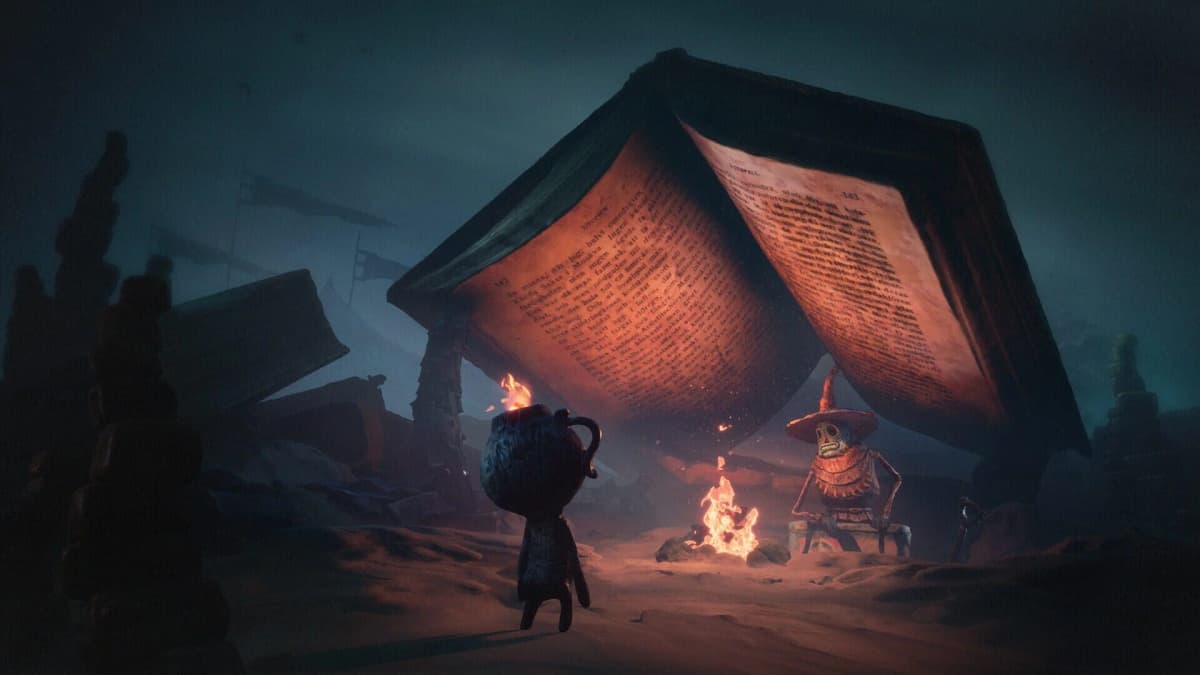
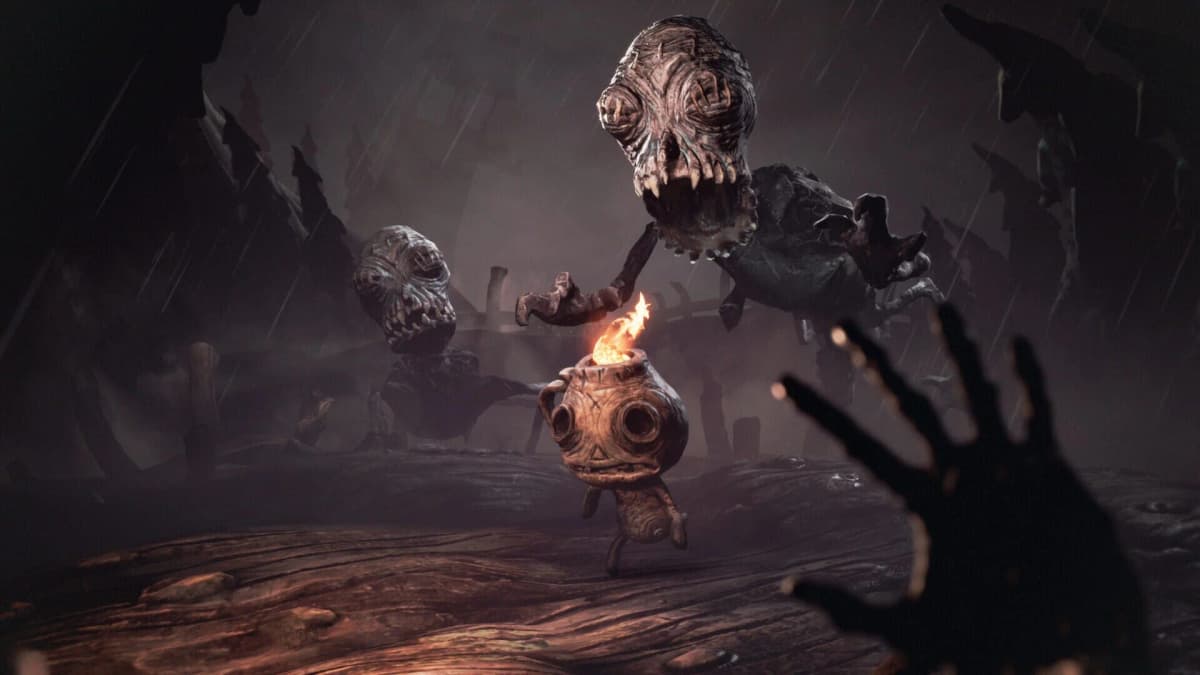
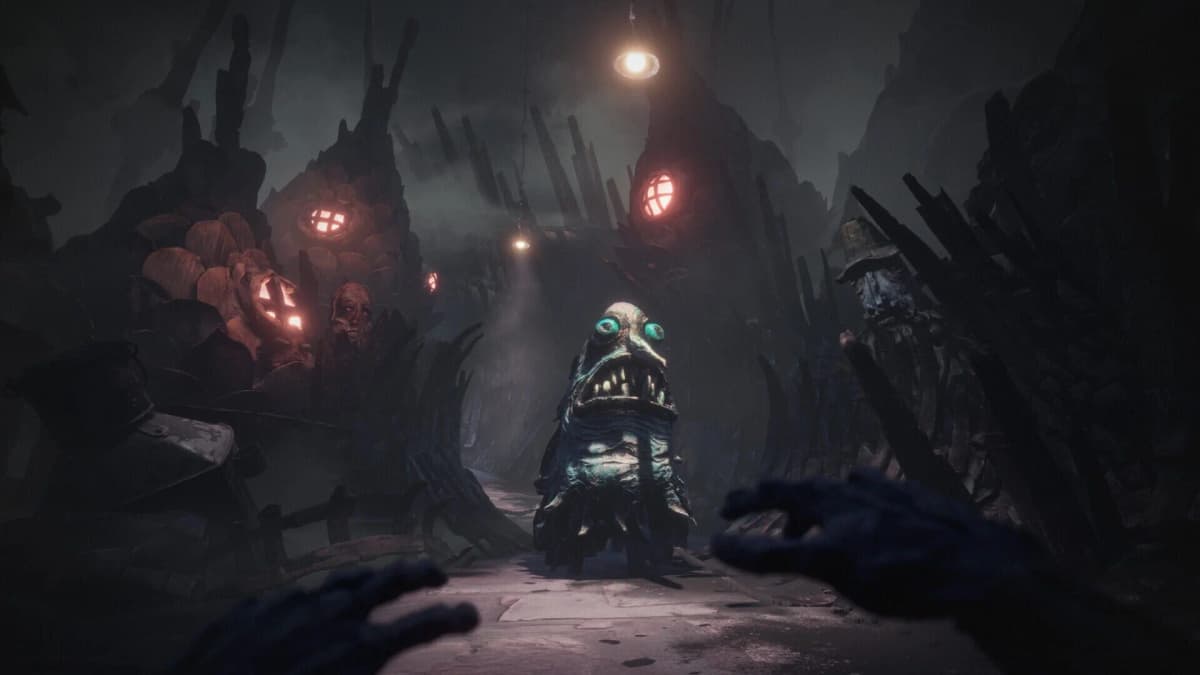
The visual style probably plays a role here too. The Midnight Walk has a clay-built, stop-motion-inspired presentation that invites you to look around. Games with that kind of handcrafted art direction often gain time not because they are mechanically huge, but because players naturally slow down to study the scene composition, creature design, and environmental storytelling. That is a good kind of runtime extension. You are not padding the game; you are actually noticing it.
- Faster run: follow the critical path, solve puzzles quickly, skip extra searching
- Longer first run: explore more, pause on puzzles, spend time taking in the environments
- Longest runs: chase achievements, endings, and 100% cleanup
What the 6-10 hour completionist range probably means in practice
The step up from 4–6 hours to 6–10 hours is meaningful, but it is still modest by modern standards. That tells you something important: The Midnight Walk appears replay-friendly, not enormous. Publicly available longplays and playlists include labels like “full game,” “all endings,” and “100% longplay”, which strongly suggests there is enough optional or branching material to reward a more complete run. At the same time, the existence of those uploads also supports the idea that this is still a sub-10-hour experience for most dedicated players.
If you are a trophy hunter, that is actually a nice sweet spot. It usually means you can finish a normal run, decide whether you liked the game enough to clean up the rest, and still complete the whole package without turning it into a week-long project. If you are not a completionist, the key takeaway is simpler: you are not missing the “real” version of the game by only doing the story. The longer range looks like bonus thoroughness, not mandatory bulk.
Why some descriptions say six chapters and others mention five tales
There is one small wrinkle in the available information. The clearest playtime reporting describes The Midnight Walk as having six chapters, while at least one full-game longplay description refers to “five tales of fire and shadow.” That sounds contradictory at first, but it does not have to be. Those labels may simply be counting the game in different ways, such as story “tales” versus internal gameplay chapters. Without an official statement that breaks the structure down in detail, the safest read is that the game is short either way, and the segmentation language is less important than the overall runtime.
This is a good place to be careful with expectations. Confidence is high on the broad range: short main run, somewhat longer 100% run. Confidence is lower on exact minute-by-minute breakdowns for every chapter, because public information is still much stronger on overall bands than on precise splits.
Can you finish The Midnight Walk in one sitting?
Yes, for the main story, that is a very realistic plan. If you start in the evening and you are comfortable with puzzle-driven horror, The Midnight Walk looks very finishable in a single sitting. That is one of the most useful things to know about its playtime. It is a game you can schedule around a free night rather than reserve a whole week for.
Where players get tripped up is assuming “short” means “rushable.” It does not. A four-to-six-hour game can still feel much better when you give it uninterrupted space, especially when atmosphere is part of the appeal. If you want the best version of the experience, the sweet spot is probably a long evening with headphones, no multitasking, and no pressure to chain the game directly into collectible cleanup.
- Best for story-only players: start when you have a full evening free
- Best for completionists: split it into a story session and a cleanup session
- Best for horror pacing: avoid chopping it into too many short fragments
How reliable these estimates are right now
The current estimates are useful, but it is worth understanding their limits. The strongest confidence comes from the broad picture: The Midnight Walk is short, deliberately so, and broadly finishable in under 10 hours even with completionist intent. The weaker part is exact precision, because public results currently include one especially clear estimate source for both story and full-completion ranges, while no official developer statement in the available material appears to pin down a formal average completion time.
That does not make the estimate shaky; it just means you should treat it like a planning tool rather than a stopwatch. If you are deciding whether to buy the game, schedule a session, or wait for a weekend, the current range is solid enough to act on. If you want to know whether your first run will be 4 hours 12 minutes or 5 hours 47 minutes, the evidence is not that granular yet.
What the short runtime means for the game’s role
The most important thing about The Midnight Walk playtime is that it shapes your expectations correctly. This is not a forever game, not a systems-heavy sandbox, and not the kind of horror title that tries to justify itself with bloat. Its shorter length appears to be part of the design identity. The Steam description calling it “on the shorter side” supports that reading, and the chapter-based structure reinforces it.
For players, that is usually good news. A compact horror adventure has less room to over-explain itself, repeat encounters, or flatten its own tension. It can arrive, unsettle you, show off its handcrafted style, and end before the atmosphere wears thin. The replay potential suggested by all-endings and 100% longplays adds some extra value, but the core appeal still seems to be the same: a focused, curated trip rather than an endless one.
FinalBoss // Gear
Level up your setup
01Top-rated gaming headsetson Amazon→02High-refresh gaming monitorson Amazon→03Gaming chairson Amazon→04Discounted game keyson Kinguin→
Affiliate links · As an Amazon Associate, FinalBoss earns from qualifying purchases.
Want to Level Up Your Gaming?
Get access to exclusive strategies, hidden tips, and pro-level insights that we don't share publicly.
Ultimate Guide Strategy Guide + Weekly Pro Tips