
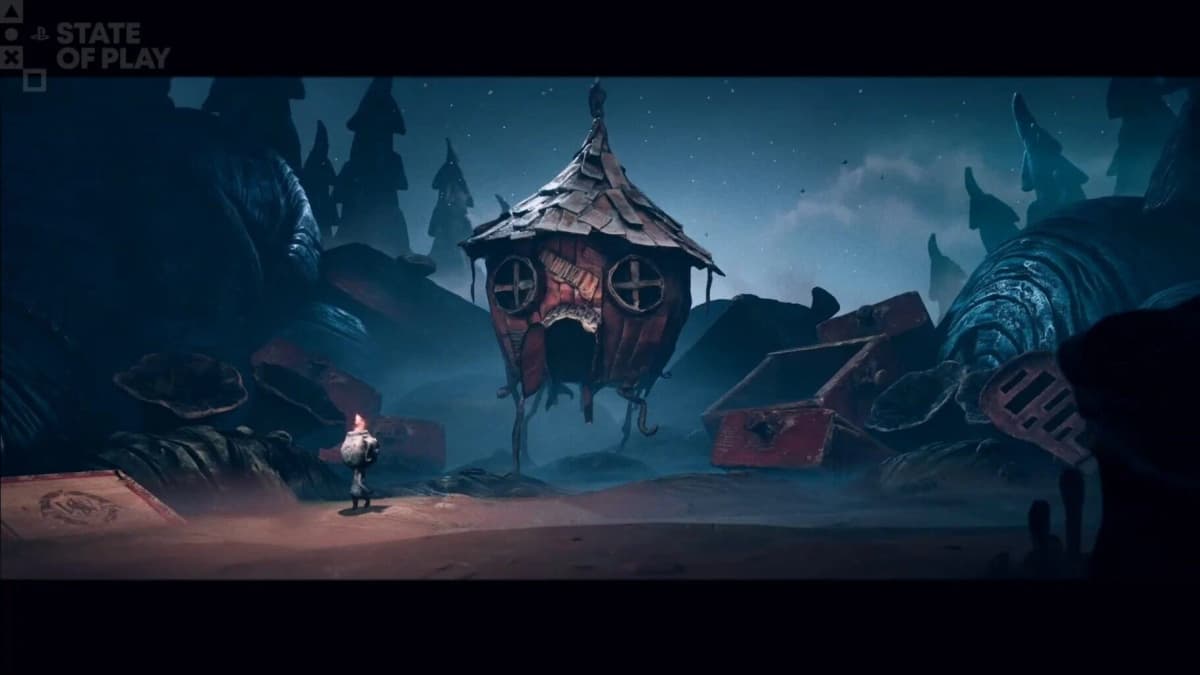
The cleanest way through The Midnight Walk is to treat Potboy’s flame as your route, not your backup light. Most chapter stalls happen for the same reasons: you skipped an intermediate candle, you tried to solve a light puzzle before mapping the full chain, or you moved through a stealth section before identifying the next hiding spot. If you light every safe anchor, keep Potboy protected, and assume each puzzle links to the next one, chapter progression becomes much more readable.
Table of Contents (8)
The core rule: Potboy is the chapter’s key, not just a companion
Across current walkthrough coverage, Potboy’s flame is the central mechanic that ties together traversal, puzzle solving, and survival. You are not simply escorting a lantern. You are extending a moving line of safety through each area. Candles, matches, torches, and similar light points usually exist to create that line one step at a time.
That changes how you should read every new room. Before touching the obvious switch, door, or mural, look for three things: the next light source, the next hiding place, and the environmental interaction that keeps the route open. If you miss one of those, the room can feel confusing or even broken when it usually is not. In practice, what looks like a puzzle failure is often just an incomplete path.
A good default habit is simple: light forward first, explore second. If a side room contains a collectible or lore object, it is much safer to detour once the main flame chain is established. That reduces backtracking and lowers the chance that you lose progress because you let an earlier light go dark or wandered into a stealth trigger without an exit plan.
How to protect Potboy’s flame and avoid unnecessary resets
The safest movement pattern is anchor-to-anchor. Light one candle or torch, immediately locate the next one, then move only as far as you need to extend the chain. This matters because The Midnight Walk repeatedly builds pressure around flame maintenance. If you hesitate too long, take the scenic route, or double back without relighting, you can create the exact kind of stall that makes players think they missed an item when the real issue is timing.
Enemies and danger zones are especially punishing when you carry an unextended flame. If a hostile encounter starts while your last safe light is too far behind you, one mistake can force a much longer recovery. When possible, pre-light the room’s nearest anchors before approaching the trigger area. That way, if the sequence goes wrong, you recover from a nearby checkpoint in the route rather than from the beginning of the chain.
Potboy also supports traversal. In some sections, he is used to move through tight spaces such as pipes, knock down wood, or create a usable bridge. If the chapter seems to stop at a gap or blocked route, stop looking only for a missing key item. Check whether the room is really asking you to send Potboy somewhere you cannot go yourself. The game uses that trick often enough that it should be one of your first checks.
- Light every obvious candle or match on the main path, even if it looks optional.
- Do not investigate side spaces until you know where the next safe light is.
- If the route dead-ends at debris or a gap, look for a Potboy-sized interaction point.
- When the flame chain fails, restart from the last confirmed light instead of wandering.
How light puzzles actually work in The Midnight Walk
Most light puzzles in this game are chained rather than isolated. One lit object enables the next: a candle reveals a path, that path leads to a second flame point, and the completed set opens a passage, activates a gate, or makes a hidden route readable. If you approach these like separate tasks, the pacing feels awkward. If you approach them like a circuit, the logic is much clearer.
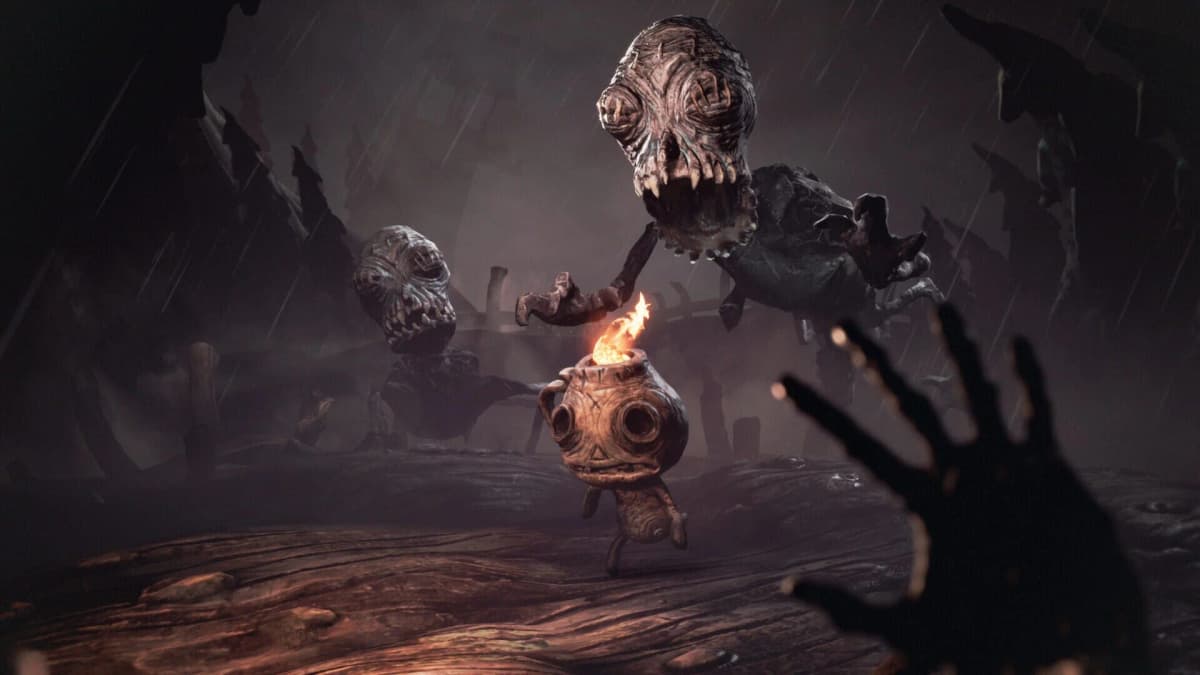
That also means order matters more than players expect. Some sequences effectively ask you to keep one light active while reaching another. If the first light expires or was never properly activated, the final door or mechanism may not respond. When that happens, do not assume the puzzle is bugged. Go back to the first node in the chain and verify each step in order. This is one of the most common failure points in linked flame puzzles across adventure games, and The Midnight Walk uses the same basic logic.
A practical method is to stand still for a few seconds and trace the full route with your camera before lighting anything. Identify the first flame point, the second, the final goal, and the enemy-free lane between them. That small pause saves far more time than rushing the first candle and discovering halfway through that you chose the wrong side of the room.
Chapter 1 example: the three-candle door logic
Early on, the game teaches this clearly with a three-candle symbol door puzzle. The useful lesson is not just the door solution itself. It is the structure behind it. The room wants you to identify all relevant candle points first, understand which ones are part of the door logic, and only then complete the chain. If the door does not react, one of the linked candles is the first thing to recheck.
This is also where many players lose time chasing decorative details. The game’s art direction makes many spaces look equally important, but chapter progression usually depends on the functional light path, not on every visible object in the environment. Follow the candles first. Sweep for extras after the route is stable.
Chapter 2’s Moonbird mural puzzle is a good test of sequencing
One of the clearest mid-game examples is the Moonbird mural sequence. The currently documented order is: second from the left, second from the right, the mural immediately to its right, the middle mural, then the first on the left. If you are at this section and nothing is happening, the sequence itself is the first thing to fix.
This puzzle is worth calling out because it teaches two habits that help in later chapters. First, not every light interaction is solved by proximity or simple left-to-right clearing. Second, visual storytelling and puzzle logic are blended together, so “read the room” matters more here than in a pure switch puzzle. If a later chapter gives you multiple light targets and no immediate response, assume there is an intended order before assuming you missed a hidden lever.
Stealth routing: move between hiding spots, not between objectives
Stealth in The Midnight Walk is not a side layer you can brute-force through. Current chapter guidance consistently treats it as a gating mechanic. When a monster patrols or pressure rises, your route should be: hide, watch the pattern, move only when the next safe point is clear, then relight and reset. If you instead move straight toward the objective marker or the obvious door, you usually cross too much exposed ground.
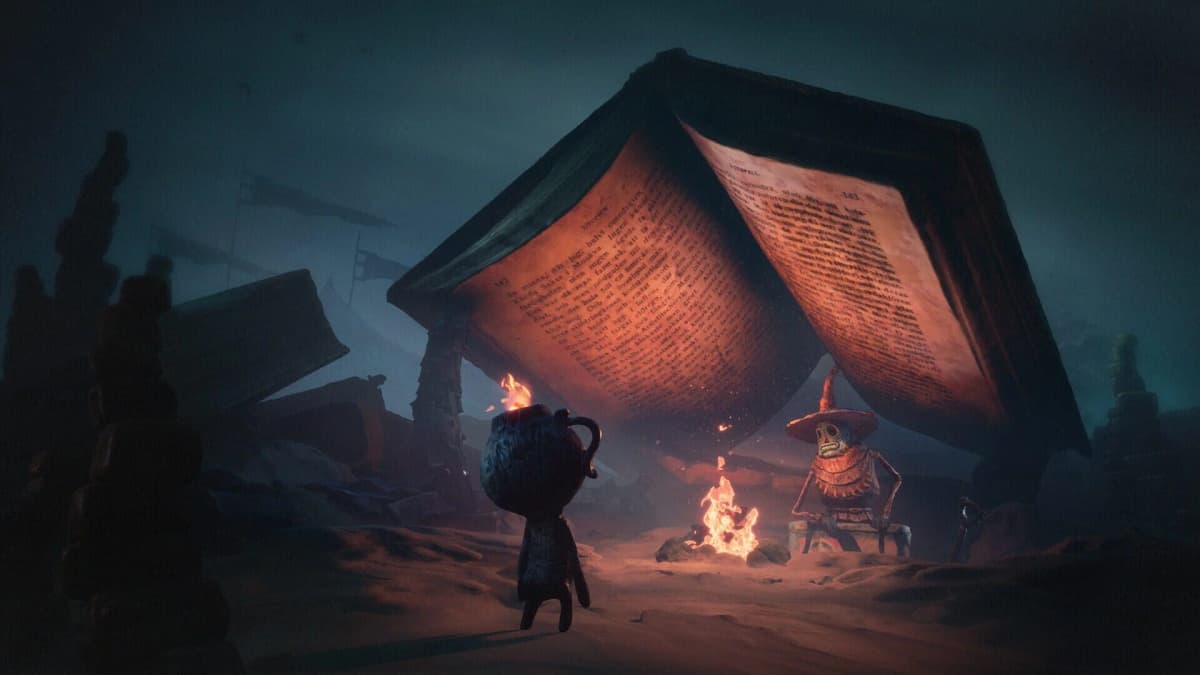
Wardrobes and similar hiding spaces matter because they break the room into manageable segments. Think of them as checkpoints inside the stealth route. Your job is not to clear the entire area in one clean sprint. Your job is to create short, repeatable movements from one cover point to the next while keeping the flame chain intact. If the enemy attention shifts away from your lane, that is the moment to move. If you are unsure, wait. Hesitation at the start of a move is safer than panic in the middle of open floor.
It also helps to separate two goals that players often combine: surviving detection and solving the room. Survival comes first. If an area contains both a stealth threat and a light puzzle, do not overcommit to the puzzle during a bad patrol cycle. Hide, regain spacing, then finish the light action on the next opening. Trying to do both at once is how you lose Potboy’s flame and your route at the same time.
- From each hiding spot, locate the next hiding spot before you move.
- Use the first safe opening to improve position, not necessarily to finish the room.
- Relight nearby anchors whenever the patrol leaves you enough time.
- If a section turns messy, re-establish stealth first and puzzle progress second.
What looks like a softlock usually has one of four causes
The Midnight Walk can create moments where progression feels dead. In most cases, the chapter is still recoverable without a full restart. The usual causes are consistent enough that you can troubleshoot them quickly.
- A flame in the chain was missed. Go back to the earliest light point in the sequence and confirm each one is active.
- You took too long between linked lights. Re-run the route with a cleaner path and less side exploration.
- A Potboy traversal interaction was overlooked. Search for pipes, blocked wood, or other companion-specific spaces.
- The stealth route was broken before puzzle completion. Hide, reset enemy attention, and rebuild the room in smaller moves.
If a door, passage, or reveal does not trigger, resist the urge to search the entire chapter for a missing item right away. Start with the active room. In this game, progression is usually local. The answer is often in the lights you already touched, the order you used, or the route you took to reach them.
A practical chapter-completion routine
If you want a consistent way to finish chapters without needless backtracking, use the same routine every time a new area opens. Scan the room. Find the next two light anchors. Identify at least one hiding place. Check for a Potboy-only route. Then start the chain. This routine is simple, but it matches how the game is built, which is why it prevents most of the common mistakes.
- Read the room before lighting the first object.
- Extend Potboy’s flame one safe anchor at a time.
- Treat puzzles as linked sequences, not single switches.
- Use stealth spaces as route segments, not emergency panic rooms.
- When progress fails, recheck the current chain before leaving the area.
Handled that way, Potboy stops feeling like a fragile escort target and starts functioning as the system that explains the whole game: light defines the path, stealth protects the path, and chapter completion comes from maintaining both together.
FinalBoss // Gear
Level up your setup
01Top-rated gaming headsetson Amazon→02High-refresh gaming monitorson Amazon→03Gaming chairson Amazon→04Discounted game keyson Kinguin→
Affiliate links · As an Amazon Associate, FinalBoss earns from qualifying purchases.
Want to Level Up Your Gaming?
Get access to exclusive strategies, hidden tips, and pro-level insights that we don't share publicly.
Ultimate Guide Strategy Guide + Weekly Pro Tips