
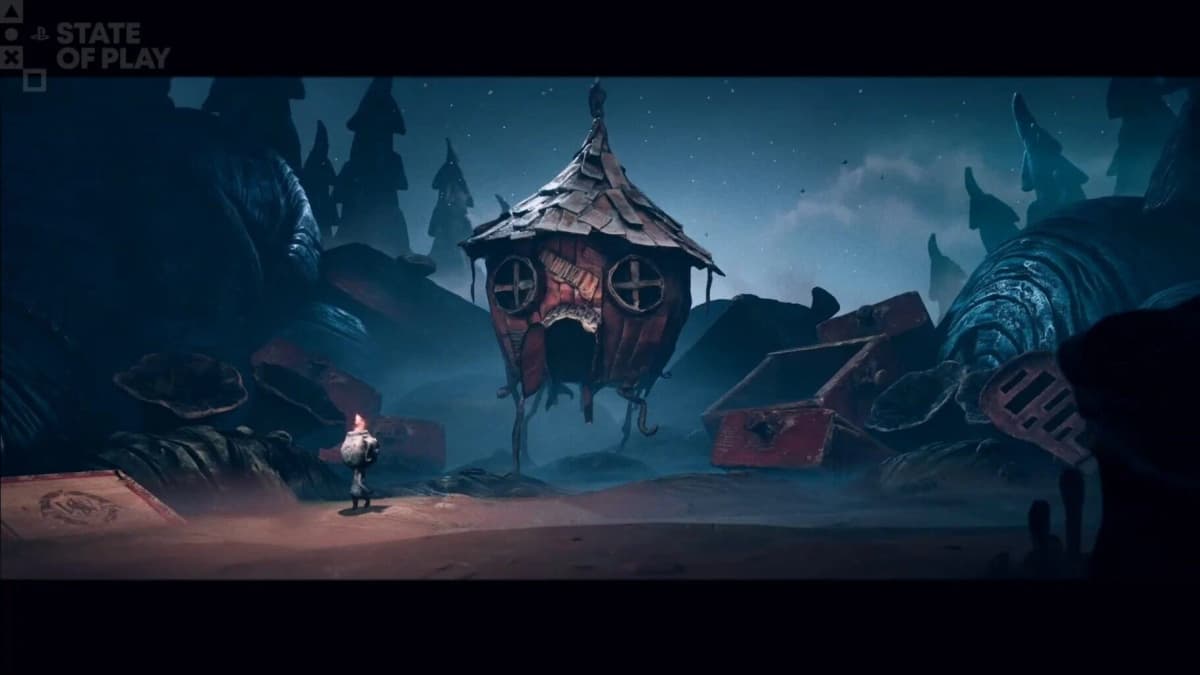
There’s a certain kind of horror game that can win me over before it explains a single rule. Give me a world that looks handmade, creatures that seem pinched out of clay instead of rendered in clean digital lines, and audio that feels like it crawled out of a fireplace, and I’m already halfway sold. I also know the risk. Games like that can live on mood for an hour or two, then suddenly you notice you’re mostly admiring the wallpaper.
That tension is the heart of this The Midnight Walk review. Based on the current critical consensus, The Midnight Walk is easy to admire and a little harder to fully love. It appears to be an exceptional audiovisual horror adventure: eerie, tactile, and genuinely memorable in the way few games are. It also seems deliberately light on gameplay complexity. If you want a six-to-eight-hour dark fairy tale carried by art, sound, and atmosphere, this looks like a strong recommendation. If you need demanding puzzles, deep stealth, or mechanics that keep evolving until the credits, this one seems more limited than its visuals suggest.
Key takeaways
- The art direction is the main attraction. Critics consistently praise the claymation-inspired look, unsettling creature design, and storybook-horror tone.
- Sound matters as much as visuals. Audio is not just there to set a mood; it also feeds into navigation, tension, and puzzle solving.
- The gameplay is the dividing line. The loop of exploration, light puzzles, and gentle stealth looks approachable, but not especially deep.
- It is short and focused. Most coverage places it around the 6-8 hour range, which helps its best ideas stay fresh for some players and makes the thin mechanics more noticeable for others.
- VR support is a bonus, not a miracle. It exists on supported platforms, but at least one VR-focused review argues it does not fully feel like a ground-up VR showcase.