
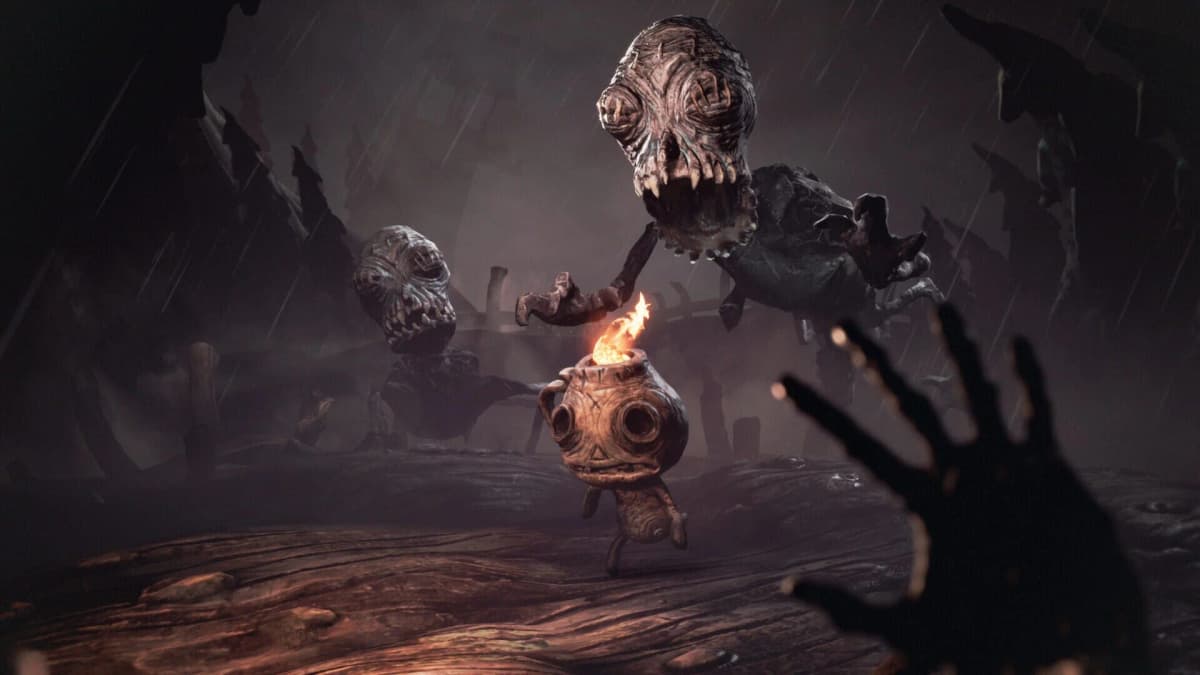
The cleanest Platinum route for The Midnight Walk is a two-part plan: finish the full story first, then use Chapter Select for a focused collectible and miscellaneous trophy cleanup. Completing the game unlocks the ability to replay chapters while retaining global collectible and trophy progress, so every missed collectible or event can be recovered without restarting the entire journey.
That structure matters in a first-person horror-adventure built around five tales of fire and darkness. The Burnt One’s journey with Potboy works best when you can follow its atmosphere, light-based exploration, stealth moments, and story beats without breaking pace to repeatedly consult a completion checklist. Save the detailed hunt for after the ending, when every chapter is available and each replay has a single purpose.
Table of Contents (12)
The Best Platinum Route at a Glance
- Phase 1: Complete the story. Play through all five tales and reach the ending before attempting serious cleanup.
- Phase 2: Run a collectible pass. Use Chapter Select to revisit the chapters containing anything still missing.
- Phase 3: Clear event, timing, and waiting trophies. Return to the relevant chapters with no story-progress pressure and give these conditions dedicated attention.
- Phase 4: Finish remaining one-off requirements. Use the same chapter-by-chapter approach instead of beginning a new campaign.
Key warning: do not abandon a story run because you believe a collectible or situational trophy has been lost. Chapter Select keeps your overall progress intact after the ending. The efficient response to a missed requirement is to complete the story, then return to the appropriate chapter for a targeted replay.
Phase 1: Treat the First Run as a Story Run
Start by seeing The Midnight Walk through to its ending. The game’s handcrafted presentation is built from real clay, scanned into the game, and animated in stop-motion style; it is designed around the mood of moving through a dark world beside Potboy, whose fire and light are central to navigation and puzzles. Constantly stopping to verify every optional interaction turns that first pass into a checklist exercise and makes the five-tale structure harder to absorb.
You can still collect anything that is obvious or convenient during the campaign. The difference is that you should not force a chapter restart, reload the whole game, or linger indefinitely over an uncertain trophy condition. Finish the current tale and keep moving toward the ending.
- Play naturally through each tale rather than attempting a blind 100% sweep.
- Pick up visible collectibles when they are directly on your route.
- Keep a simple note of anything that looks like it may need a return visit.
- Allow story scenes, exploration, and stealth sequences to play at their intended pace.
- Prioritize reaching the ending, because that is what opens the efficient cleanup tool.
The first completion is the important unlock. Once it is done, the trophy route becomes far more controlled: you choose a chapter, enter with a specific objective, complete it, and move on. That is a much better use of time than trying to make an unfamiliar first run perfectly complete.
Phase 2: Unlock Chapter Select and Use It Correctly
Chapter Select becomes available after finishing the game. It lets you revisit any chapter while preserving global progression, including collectible progress and trophy flags. In practical terms, a replay is a cleanup visit rather than a replacement for your completed save.
This removes permanent lockouts from the Platinum route. Collectibles, chapter events, and other trophy conditions can be triggered again through the relevant chapter, so the game does not demand a flawless first playthrough. A missed interaction only changes which chapter you return to later.
Use Chapter Select with a clear objective before each replay. Entering a chapter simply because it is next in the list can lead to unnecessary repeat runs. A better rhythm is to group outstanding requirements by chapter, complete everything practical during that visit, then leave once the chapter’s remaining goals are cleared.
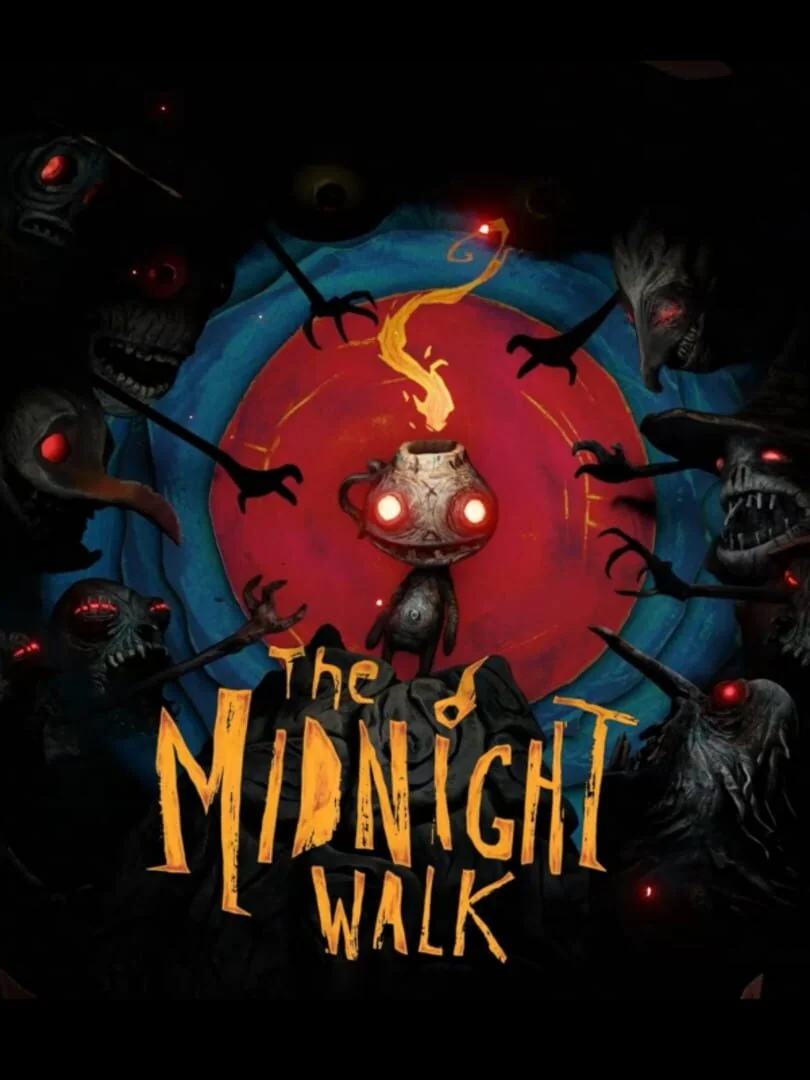
Keep a Chapter-by-Chapter Cleanup List
A short external checklist is useful here, especially for collectathon-style cleanup. List the chapter first, then write the specific collectible, event, or situational trophy you still need. Avoid a vague note such as “replay later”; it creates duplicate work when several tales are available at once.
- Chapter: the tale you need to revisit.
- Goal type: collectible, event, observation, waiting condition, or other one-off task.
- Status: unfinished, attempted, or completed.
- Replay priority: combine multiple outstanding goals in one visit whenever the chapter allows it.
This small bit of organization is especially valuable after the ending, when the game’s five tales are all available and the temptation is to replay them without a plan.
Phase 3: Do Collectibles Before Timing-Based Trophies
Run your collectible cleanup first. These are the most straightforward goals to organize, and they give each Chapter Select replay a clear route: enter the needed tale, focus on the outstanding pickups, and finish the visit with progress preserved.
The main advantage is mental as much as mechanical. Once collectible hunting is separated from story progression, you are free to move slowly through a chapter, inspect areas carefully, and revisit the exact sections that matter. During the initial campaign, that same behavior can disrupt tension or leave you unsure whether you should keep pushing forward.
After the collectible pass, move on to trophies linked to observing events, waiting in a particular situation, or allowing a condition to play out. These objectives fit a post-story cleanup far better than a first run because they can require patience rather than forward momentum.
Give Waiting and AFK-Friendly Tasks Their Own Session
Several trophy conditions are timing-based or friendly to an idle approach. Handle them after the main collectible sweep, when you are no longer trying to preserve the pace of the story. Return through Chapter Select, reach the required scenario, and allow the event or waiting condition enough uninterrupted time to register.
Trying to combine these with a first-time story playthrough creates an awkward tradeoff: either you rush forward and miss the condition, or you pause a dramatic sequence for an unknown length of time. The post-game route removes that problem. You can treat the chapter as a controlled trophy setup rather than a narrative chapter you are seeing for the first time.
- Complete ordinary pickups first, since they reward active exploration.
- Group observation and waiting requirements into a separate cleanup pass.
- Return to the relevant chapter directly instead of replaying earlier tales to reach it.
- Leave enough uninterrupted time for an event-based trophy condition to complete.
- Confirm progress before moving on to another chapter.
Common Platinum Route Mistakes
Restarting the Campaign for One Missed Requirement
A full replay is unnecessary for standard cleanup. The ending opens Chapter Select, and that system preserves the progress that matters for collectibles and trophies. Go back to the needed chapter instead of repeating the journey from the beginning.
Trying to Perfect Every Tale Blind
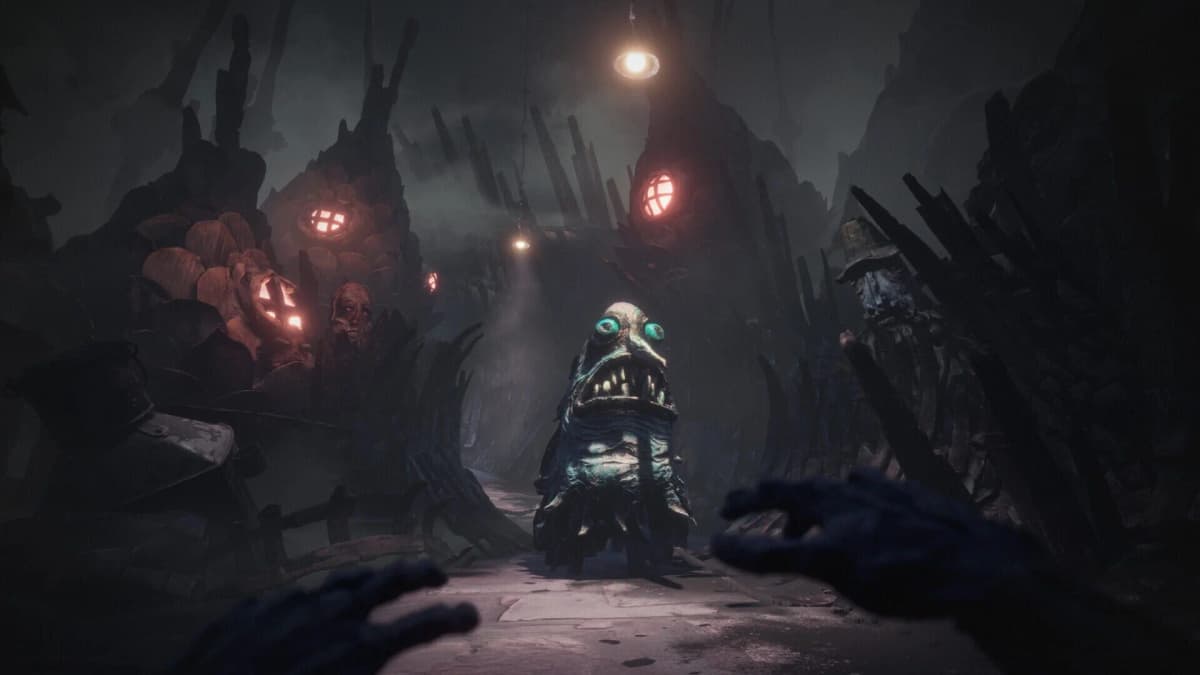
The Midnight Walk’s lighting, stealth, puzzles, and horror-adventure pacing already ask you to stay present in the moment. A blind completionist run adds friction without providing a long-term advantage. The game’s chapter structure is built to support later revisits, so let the first run breathe.
Mixing Collectibles With Long Waiting Conditions
These goals demand different playstyles. Collectibles reward careful movement and inspection, while timing-based requirements reward patience and a stable setup. Combining them can make both take longer, particularly if you leave a chapter before an event has fully registered.
Leaving Cleanup Notes Too Vague
“Something missed in the middle” is not enough once all chapters are open. Record the tale and the type of requirement while it is still fresh. A precise list turns Chapter Select into a short series of deliberate revisits rather than an unfocused search across the full game.
Platform Note for The Midnight Walk
The Platinum route applies to the PlayStation 5 version of The Midnight Walk. The game’s broader release history includes PC, VR, and PlayStation VR2, while its Nintendo Switch 2 version launches on March 26, 2026, with handheld and docked play supported. The Switch 2 release is priced at 3,400 yen in Japan and listed at $29.99 in the United States.
Regardless of where you experience the game’s clay-crafted world, the underlying completion lesson remains useful: finish the five-tale journey before turning exploration into a targeted cleanup project. The post-story Chapter Select structure is the feature that keeps the route efficient.
FinalBoss // Gear
Level up your setup
01Top-rated gaming headsetson Amazon→02High-refresh gaming monitorson Amazon→03Gaming chairson Amazon→04Discounted game keyson Kinguin→
Affiliate links · As an Amazon Associate, FinalBoss earns from qualifying purchases.
Want to Level Up Your Gaming?
Get access to exclusive strategies, hidden tips, and pro-level insights that we don't share publicly.
Ultimate Guide Strategy Guide + Weekly Pro Tips