
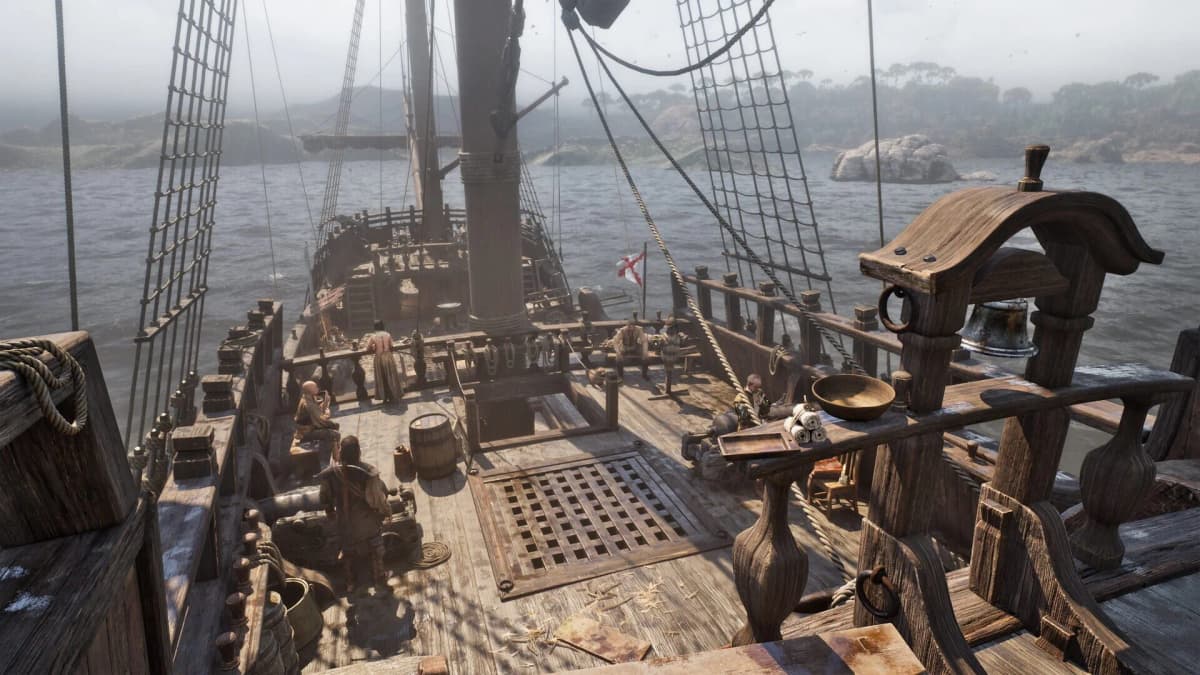
The strongest opening in The Mound: Omen of Cthulhu is simple: treat each expedition as a contract-first extraction, not an open-ended loot run. Sign a Contract on the Galleon, prepare only for its objective, load the Ox Wagon with a return trip in mind, then leave as soon as the objective and a worthwhile haul are secured. Hostility and madness build as an expedition drags on, so the safest loot is the loot you successfully bring back to the boat.
ACE Team’s 1-4 player PvE extraction horror game drops you into 1652 Chile with plenty of reasons to explore, from jungle nodes and camps to ruins and forts. The trap is trying to clear all of them in one trip. Early runs go much better when you decide what “enough” looks like before rowing ashore.
Table of Contents (6)
Build Every Expedition Around the Contract
Your Galleon is the starting point for the full expedition loop: sign a Contract, choose gear, load the Ox Wagon, select a landing zone, and row out. The Contract should drive every decision after that. Many contracts ask for a treasure-value quota, while others require a specific objective. Either way, your goal is to complete that requirement and return with the Wagon alive.
Before leaving the Galleon, establish a basic plan: where you will start looking, what you are willing to detour for, and what condition triggers the return trip. This gives the team a shared answer when the jungle starts producing more loot, more enemies, and more pressure at the same time.
- Objective first: Prioritize the item, location, or treasure value needed for the Contract before chasing optional finds.
- Route second: Pick a landing plan that keeps the Ox Wagon’s return path understandable. A short, familiar route is more valuable than a huge haul stranded far inland.
- Loot third: Add extra valuables only while the Contract remains achievable and the return trip still looks controlled.
- Extraction always: Remember that the run ends at the boat, not when you find the treasure.
Warning: Do not let a nearly finished Contract turn into a full-map expedition. Once the quota or objective is complete, every extra stop must justify the rising hostility, madness, equipment wear, and danger of moving the Wagon back to shore.
Load the Ox Wagon for the Return, Not for Greed
The Ox Wagon is the center of a successful run. It is how your crew carries the value that matters, and it must make it back to the boat with you. Use it as a moving cutoff point: if the Wagon already contains enough to complete the Contract and make the trip worthwhile, shift from collecting to protecting the extraction.
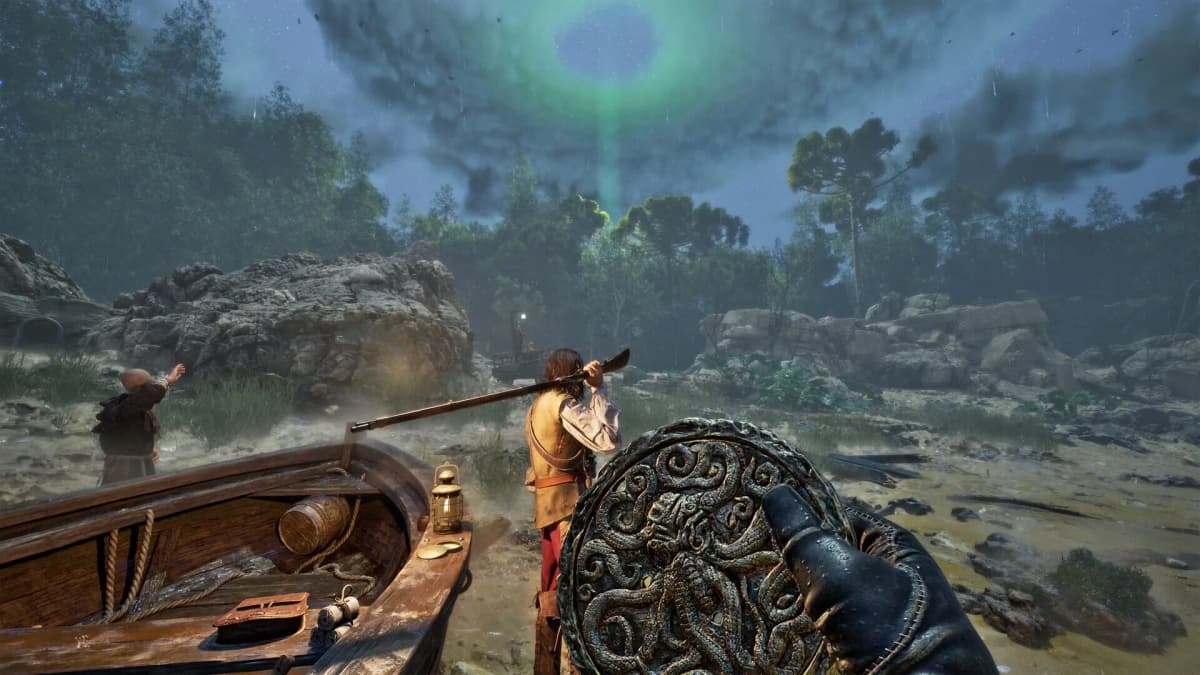
Keep your equipment choices practical. Early expeditions reward gear that helps you complete the job and survive the return, rather than a bag filled for every possible situation. Leave room for the objective and valuable finds. A full load of low-priority loot is a poor trade if it leaves the team pressured into a longer, messier route home.
- Load with the current Contract in mind rather than preparing for unrelated objectives.
- Make space for high-value finds and required items.
- Keep the Wagon close enough that the party can regroup around it quickly.
- Once it holds a completed Contract’s value, treat it as extraction cargo rather than an excuse to push deeper.
Choose Solo Runs for Control, Co-op Runs for Shared Pressure
Solo play gives you complete control over pace, noise, route choices, and the moment you turn back. That makes it useful for learning the Galleon-to-boat loop, understanding Contracts, and running focused objectives without the temptation of following a group into unnecessary danger. Solo survival is demanding, though, and the game’s early difficulty can punish attempts to haul too much too far.
Co-op pays off when all players are working toward the same Contract and the same extraction point. A four-player group can cover more ground and manage more pressure, but only if it avoids turning into four separate solo runs. Splitting up for every distant landmark makes it harder to control noise, madness, the Wagon’s position, and the timing of the retreat.
The game uses peer-to-peer multiplayer, with one player acting as the session host. Decide who is hosting before the group commits to an expedition, then keep communication centered on three calls: the Contract target, the Wagon’s direction, and the point where the group stops looting and heads back.
- Solo: Keep runs compact, prioritize the Contract, and leave after a clean objective completion.
- Co-op: Stay oriented around the Wagon and avoid sending the entire party on unrelated detours.
- Any group size: Agree that a completed Contract is a reason to extract, not a reason to gamble the reward.
Use Noise Discipline to Avoid Turning Loot Into a Fight
Stealth and noise discipline matter because every unnecessary fight costs time, draws pressure, and pushes the expedition closer to its dangerous phase. The jungle is already working against you through escalating hostility and madness. Do not create extra problems for low-value loot or a detour that does not help the Contract.
This is especially important because early melee combat can feel slow and unforgiving. Weak defensive options and fast weapon wear make extended brawls a poor default plan. Fight when the route or objective demands it, then refocus on moving the Wagon and getting out. A clean withdrawal is usually worth more than winning one more messy encounter far from the boat.
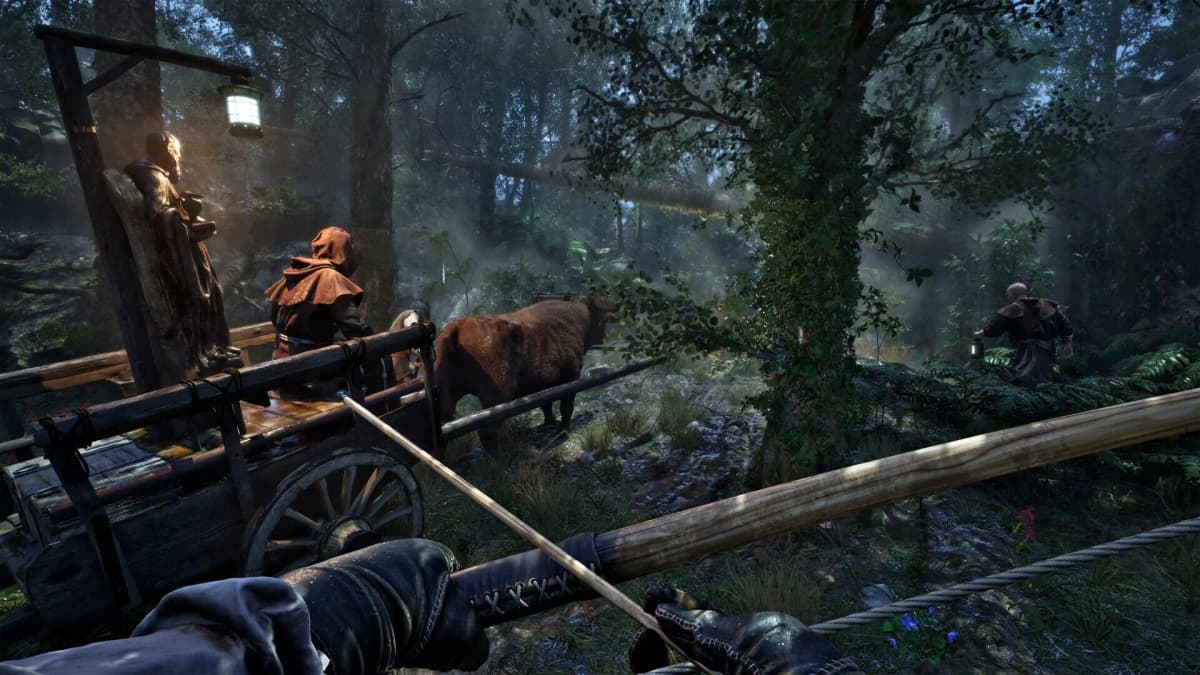
Madness is another reason to keep your route disciplined. When its effects are building, reduce your ambition: stop adding optional stops, regroup around the Wagon, and begin the return before the team’s situation becomes hard to read. The correct response to rising pressure is often a shorter plan, not a riskier one.
Handle Portal Missions as Completion-First Runs
Portal missions can produce a sharp difficulty spike, particularly for newer groups. Go into these contracts with a narrower goal than you would bring to a routine loot expedition. Focus on completing the mission requirement, keeping the Wagon positioned for a clean exit, and resisting the urge to combine a difficult objective with a deep exploration run.
A portal Contract is a poor place to test how much combat, madness, or extra loot your crew can endure. Secure the objective, reassess the team’s condition, and take the return route while it is still manageable.
Know When Leaving Early Is the Winning Play
Leaving early is correct whenever the Contract is complete and the next detour adds more risk than value. The Mound’s extraction structure rewards dependable returns. A smaller haul that reaches the boat advances your early progression; an overloaded Wagon lost during a late push does not.
- The Contract quota or specific objective is complete.
- The Ox Wagon already carries meaningful value.
- Hostility or madness is climbing fast enough to make more exploration harder to control.
- Your route back is still clear in the group’s plan.
- Equipment condition or the team’s ability to defend the Wagon is starting to limit safe detours.
- A portal objective or other high-pressure task has been completed.
Early bugs, performance issues, and balance problems can make a long run even more costly, so short, objective-focused expeditions are also the sensible way to learn the game’s current state. A planned patch beta may change technical performance and balance over time, but the core early-game habit remains the same: complete the Contract, protect the Wagon, and extract before the jungle decides the run has gone on long enough.
FinalBoss // Gear
Level up your setup
01Top-rated gaming headsetson Amazon→02High-refresh gaming monitorson Amazon→03Gaming chairson Amazon→04Discounted game keyson Kinguin→
Affiliate links · As an Amazon Associate, FinalBoss earns from qualifying purchases.
Want to Level Up Your Gaming?
Get access to exclusive strategies, hidden tips, and pro-level insights that we don't share publicly.
Ultimate Guide Strategy Guide + Weekly Pro Tips