
Table of Contents (12)
My First Night With The Outer Worlds 2: Faster Feet, Sharper Teeth
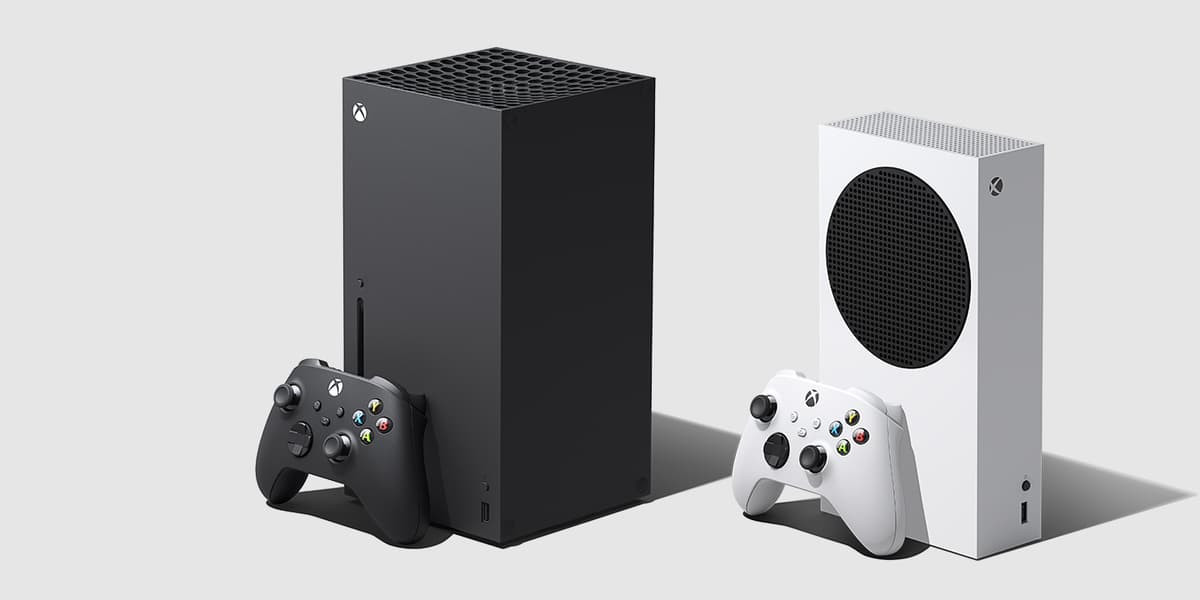
I booted up The Outer Worlds 2 on my Xbox Series X thinking I’d do a quick hour, shake off the space dust, and crash. Three hours later, I was still sliding through gunfights like I’d mainlined a Destiny clinic. Sprint, slide, snap to a second weapon, toss a grenade, tap time dilation to line a headshot-I knew within that first night that Obsidian finally tightened the screws on the shooting. It feels deliberate now. Punchy. Less foam dart, more bite.
That first session set the tone for my next 25 hours split across Series X (on a 4K TV, Performance mode) and my PC (5800X3D, 4070 Ti, 1440p ultrawide). I finished the main story, cleared a fistful of companion quests, and got lost in the weeds enough to feel the seams. It’s the most confident this series has felt in your hands, and yet, just as often, it feels like a stage with cardboard scenery. I kept thinking, “If only the drama matched the control.”
Building A Messy Hero: Backgrounds, Traits, and the Flaw That Bit Me Later
I started by leaning into the game’s character creation in the way only an Obsidian lifer does: too many minutes spent min-maxing the “what ifs.” I picked a scrappy spacer background, grabbed two traits that played to talking first and shooting second, and-here’s the spicy bit-took an early malus that fenced off a handful of skills to get perks elsewhere. It felt smart… until hour eight, when a locked Tech threshold stared back from a terminal I desperately wanted to crack. This game isn’t shy about showing you all the routes you could’ve taken if you’d built differently. Sometimes that stings; mostly, it nudges you to own your path.
The dynamic flaw system came for me too. After getting bathed in acid one too many times (note to self: stop shooting explosive drums at spitting distance), I got offered an “accept this flaw, gain a perk” prompt. I took it. The lingering debuff added a bit of tension in fights where I used the new acid gadget to melt armor—symmetry is fun, irony is not. I like that the game watches how you actually play and writes that into your sheet. It’s not punishing so much as… cheeky.
Gunplay Finally Lands: Time Dilation, Wall-Seeing Specs, and a Mean Slide
The big win here is how The Outer Worlds 2 moves and shoots. It borrows the right things from modern shooters—fluid mantling, a practical slide, quick swap, grenades that don’t feel like afterthoughts—and threads them through its RPG checks without dumbing them down. Time Dilation is back and better paced; it’s not god mode, but it gives you enough bullet time to make surgical plays: pop the shotgunner’s kneecap, tag the drone’s core, drop a grenade by the guy about to flank your companion.
The new toys make a difference. The acid launcher is a satisfying problem solver when you’re sick of chip damage on armored units. The “see-through-walls” goggles are a stealth crutch and a level design translator. After 10 hours, I realized I’d started using them like a detective mode to surface vents I kept missing and restrict my impatience. The inhaler healing system—customizable, quick to trigger—still does great work in the middle of chaos. And yes, if first-person isn’t your jam, there’s a third-person camera now; it’s serviceable for sightseeing and slower crawls, but I stuck to first-person whenever a fight broke out. The aim just feels better there.
Stealth’s Smarter, The World Isn’t: Interiors Sing, Exteriors Shrug
Stealth has teeth at last. Enemies have clearer perception states, stealth takedowns let you write a quieter story, and interiors are built to give you options. A favorite sequence: a corporate lab with a laser grid and two guards in a weirdly polite loop. Hack the side panel (if you’ve got the skill), sneak through a maintenance vent you only notice by scanning, or walk in with a forged access card you acquired from a terminal across the map. I chose to reroute power, darkening the wing, then immediately tried to shoot out a bright lamp to deepen my cover. Click. Nothing. Right—this world’s beautiful, but its props are props. That realization hit a few times.
Outdoors is where the seams pull. The maps are chunkier and less readable than they should be. I ran headlong into faux-natural barriers—sloped rocks that scream “climb me” but invisibly don’t—often enough to stop trying. It’s a weird dissonance: the game tells you “multiple paths exist,” then parks a geological bouncer in front of your best improvisation. You can absolutely play the ghost, but you can’t snuff light sources, knock over cover, or create opportunities with physics. It’s 2025 and the stage still won’t move with you.

Choices With Teeth: Saying No, Skipping Content, Owning The Fallout
What kept me engaged was the consequence web. It’s not just the big “who do you support” toggles; it’s all the little “do you really want to do this?” decisions along the way. Early on, a foreman demanded a bureaucratic runaround to lower a bridge. I said no. My companions protested, but I raided the camp, cleaned house, and hit the button myself. The region reacted. NPC chatter shifted, vendors got cagey, and a faction tracker I’d been half ignoring suddenly mattered. The game didn’t soft-lock me out of content; it just made me live with being the jerk who doesn’t do the dance.
I missed a potential companion entirely on this run because I pushed a main objective too quickly and sided with a suit over a cleric. Hours later, a questline closed with a gentle “someone else handled this.” It stung. It also made my ending feel personal. The Outer Worlds 2 will absolutely let you cut corners and skip squares—and its wrap-up montage remembers. If you want an RPG that respects refusal as much as agreement, you’re in good hands here.
Companions, Banter, and The No-Romance Road
Companions are better drawn this time. They have sharper questlines, and their combat skills feel less like passive buffs and more like buttons you actually want to press. I grew fond of my hard-nosed mechanic whose loyalty mission pushed me into a corporate graveyard of scrapped prototypes; the payoff wasn’t a romance (there aren’t any), but the quieter platonic closure fit the game’s tone. Still, I tried to flirt once or twice. The dialog steered toward camaraderie each time. It’s a choice, and I don’t hate it—just know what you’re getting into.
As for the writing: it’s Obsidian doing Obsidian, which is to say witty, verbose, and constantly undercutting the drab with a gag. The tonal whiplash is real. The plot insists there’s a reality-threatening problem, but you’re also pulling jokes like a sci-fi farce. I grinned often, laughed sometimes, and occasionally wished the game would let a scene breathe without a quip. The final mission is one of the few places where the stakes land with the weight they deserve; outside of that, it’s more funhouse mirror than heart-in-throat drama.
Progression That Finally Clicks: Clearer UI, Fewer Hoops
I remember bouncing off the first game’s progression flow. Too fiddly, too many side menus, too much obscure math. The Outer Worlds 2 streamlines the whole loop without sanding off the RPG bits. The character sheet makes sense at a glance; skill thresholds are readable; crafting and modding are more meaningful than mandatory. A quick tip that saved me time: invest just enough in Lockpick and Hack to hit early thresholds, then commit to your identity. The game gives you lots of fast travel points and enough resources that you don’t need to hoard every toaster you see. I still looted too much because, well, it’s a first-person RPG and my brain’s broken that way.
Time dilation builds are reliably nasty—stacking crits and slow-time bonuses turns mid-tier weapons into boss melters. My late-game loadout settled into a mid-range assault rifle for general work, a short-barrel shotgun for “get out of my face,” and a pistol tuned for headshot chains when the slow-time bar was full. The game’s not a build-crafting marvel on par with immersive sims that let you break systems over your knee, but it gives you enough levers to define your flavor.
AI, Encounters, and That One Grenade That Should’ve Been Dodged
Let’s talk smarts. The enemy AI is… fine until it isn’t. On normal difficulty, I watched soldiers stare at a grenade like it owed them money. Then I had other fights where a patrol flanked aggressively, pushing me off a comfortable perch I thought was safe. Companion AI can be a coin flip too; sometimes they’re clutch, sometimes they stick in a doorway like they’re auditioning to be a cork. It never tanked a mission for me, but I did sigh and manually reposition them more than once.
Encounters get more interesting when you flex dialogue or stealth to reframe the room. I negotiated my way past a security team by leaning on a forged work order, then knocked out a pair of cameras and drifted behind an engineer who had the keycard I needed. If you want the classic Obsidian loop—talk, sneak, shoot in that order—it’s here and stronger than ever. If you want to set a trap, kick a crate down a slope, and chain a physics sandbox to your plan… that’s the wall you’ll hit.
Presentation: Pretty, Clean, Old-School Static
Visually, Outer Worlds 2 is crisp and colorful. On Series X, the 60fps Performance mode held up well for me in most areas, and the 4K Quality mode looks great if you don’t mind the hit. On PC at 1440p, I had a handful of noticeable dips during heavy combat and a couple micro-stutters in busy hubs, even with VRR smoothing things out. Nothing show-stopping, but it’s there. Facial animation sits in that uncanny “speaking mannequin” zone, and the art direction, while charmingly retrofuturist, doesn’t try to chase bleeding-edge spectacle.
The world, for all its flair, is stiff. You can’t shoot out lights, cans don’t tip when you brush them, and the game never pretends physics are part of the playset. There’s a pragmatic appeal to that (fewer jank spirals), but it does starve the stealth-and-systems brain a little. Audio’s good—guns punch, grenades thump, and the score leans into sweeping “planetary Western” vibes without drowning scenes. Voice work’s strong too. I played with English voice-over and subtitles; if you’re looking for localized dubs beyond that, you’ll be reading a bit.
Quality Of Life: Third-Person Option, Accessibility, Loads That Don’t Make Coffee
Some small wins that added up. The third-person camera toggle is handy for players who get motion-sick or just want to frame their character; I still prefer first-person for precision. Field of view options are generous, the UI is cleaner all around, and fast travel points are spaced like a player placed them—not a designer trying to make you sweat. Load times on Series X were quick enough that a botched plan never felt like a time tax.
Bugs? A few. Two floating guns, one quest marker that refused to update until I fast-traveled twice, and a hilarious ragdoll from a grenade that froze mid-spin like time dilation got bored. I also hit one alarming PC hitch during a storm in an outdoor basin that tanked frames for ten seconds. It smoothed out after I dropped volumetrics one notch. Not pristine, not broken—squarely in the “launch RPG” bucket.
Who This Is For (And Who Should Wait)
If you loved the first game but wanted the gunplay to stop feeling like a polite suggestion, this is your sequel. If you crave classic Obsidian role-playing with real consequence trees, skill-gated routes, and companions who feel like more than stat sticks, you’re home. If your favorite thing about immersive sims is turning the environment into a Rube Goldberg machine, you’re going to bounce off the static world. And if you want a front-row ticket to “graphics as arms race,” this isn’t your show.
The Moment I Knew How I Felt
Around hour 18, I walked into a monastery-turned-stronghold. My plan: ghost the place, nick a relic, get out. The goggles showed me patrol paths, my skills gave me alternate routes, and a dialogue check at the end let me leave without a fight. Clean. On the way out, I tried again to shoot a bright ceiling light to help a clumsy companion sneak. It tinked. No response. I laughed and sighed at the same time. That’s The Outer Worlds 2 in a nutshell: it gives you robust tools to express yourself within its lanes, then reminds you those lanes are painted on concrete. It’s a better game than its predecessor by a clear margin. It’s also stubbornly old-school in ways that hold it back from greatness.
FinalBoss // Gear
Level up your setup
01Top-rated gaming headsetson Amazon→02High-refresh gaming monitorson Amazon→03Gaming chairson Amazon→04Discounted game keyson Kinguin→Affiliate links · As an Amazon Associate, FinalBoss earns from qualifying purchases.
Want to Level Up Your Gaming?
Get access to exclusive strategies, hidden tips, and pro-level insights that we don't share publicly.
Ultimate Reviews Strategy Guide + Weekly Pro Tips