
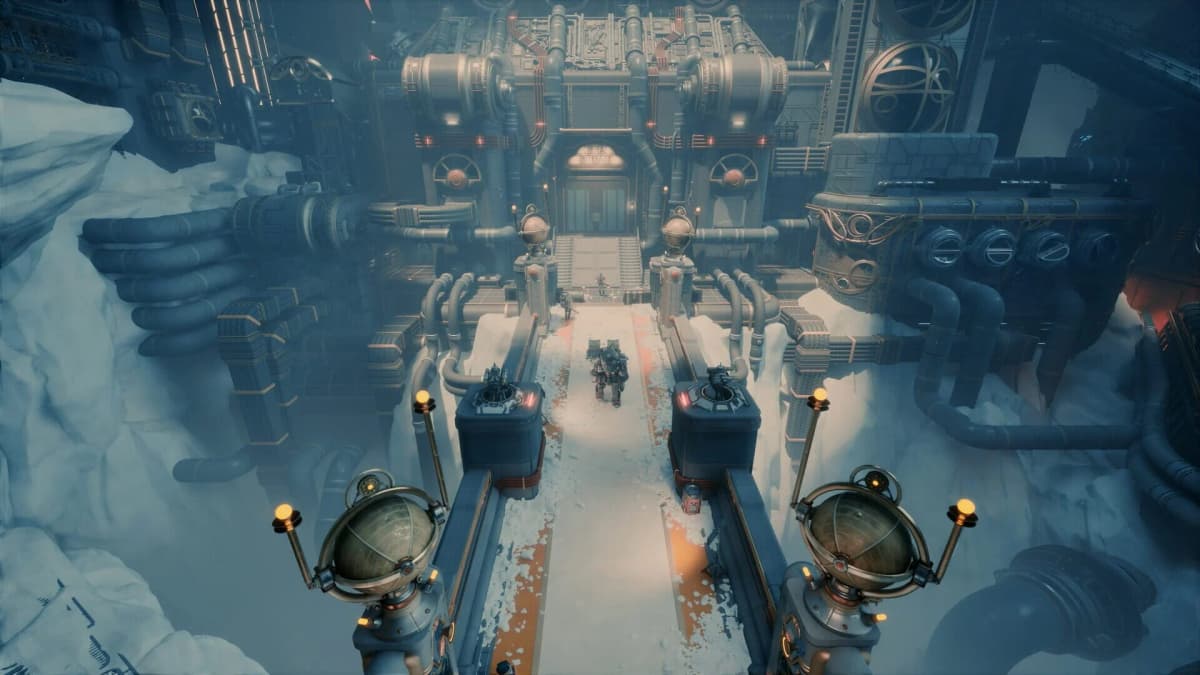
The Outer Worlds 2 Trolls Premium Buyers with a ‘Consumerism’ Flaw
Game intel
The Outer Worlds 2
The Outer Worlds 2 is the sequel to the award-winning first-person sci-fi RPG from Obsidian Entertainment.
Why This Caught My Eye
Obsidian Entertainment has always loved skewering corporate culture, but The Outer Worlds 2 goes one step further: it gently roasts the people who paid extra. Premium Edition buyers boot the game and get a message from the Terran Directorate that flags their “enthusiastic purchase” as a character trait-“Consumerism.” It’s not just a gag. It’s a real, permanent flaw that tilts the in-game economy: 15% cheaper vendor prices, but 10% less value on everything you sell. It’s a clever blend of satire and systems design that says a lot about Obsidian’s priorities-and about the state of deluxe editions in 2025.
- Premium buyers get the “Consumerism” flaw at launch: 15% vendor discount, 10% worse resale.
- It’s not pay-to-win-it’s a roleplay twist with a real trade-off.
- The flaw system is revamped to react to your habits, not just scripted triggers.
- Players see 5-10 flaws per run out of roughly 30, boosting replay value.
Breaking Down the Announcement
The Outer Worlds 2 launched on October 29, 2025 on PC, PS5, and Xbox Series X|S. Preordering the €99 Premium Edition unlocked a five-day head start on October 24, plus a surprise: the Terran Directorate pops up with a sardonic greeting and slaps you with the “Consumerism” flaw. The message basically says what we’re all thinking—buying shiny special editions is a personality trait now—and then wires that joke straight into your inventory screen. You’ll pay less at shops, but you’ll get less for the junk you hawk back. For hoarders who fund their builds by looting everything that isn’t nailed down, that 10% hit stings. For players who prefer to buy upgrades and consumables early, the 15% discount is noticeably powerful.
What I like here is how tidy the economy loop is. It’s not abusable arbitrage. You can’t buy cheap and sell for profit; the margin cuts both ways. It prods you toward a consumer mindset (fitting the name), not a merchant one. It’s Obsidian doing design-as-joke, but with teeth.
Is This Pay-to-Win or Smart Satire?
This isn’t a straight advantage tied to a pricier version, and that matters. The industry has leaned hard into “pay more, play early” and cosmetic bundles that smell like upsells. Obsidian turns that on its head: yes, Premium Edition buyers get something different, but it’s not a free buff. It’s a roleplaying commitment with consequences.
Does it feel fair to Standard Edition players? I think so, because the flaw is a sideways nudge, not a power spike. If anything, “Consumerism” can slow down serial sellers who rely on vendor trash to bankroll top-tier weapons. Conversely, it rewards players who invest in buying gear rather than scrapping it. The net impact depends on how you naturally play, which is exactly the point.
It’s also perfectly on brand for this universe. The Outer Worlds has always lampooned hypercapitalism—from cheery corporate dystopias to ad-speak NPCs—and here the joke lands because it changes your incentives. Satire works best when it messes with you a little.
A Smarter Flaw System That Watches How You Play
The first game’s Flaw system was a neat idea—take a penalty in exchange for a perk—but it could feel gamey: repeat a trigger, get offered a flaw, grab your perk point, move on. The sequel sharpens that concept. Flaws now mix an advantage and a drawback in one package, and more importantly, they reflect your habits.
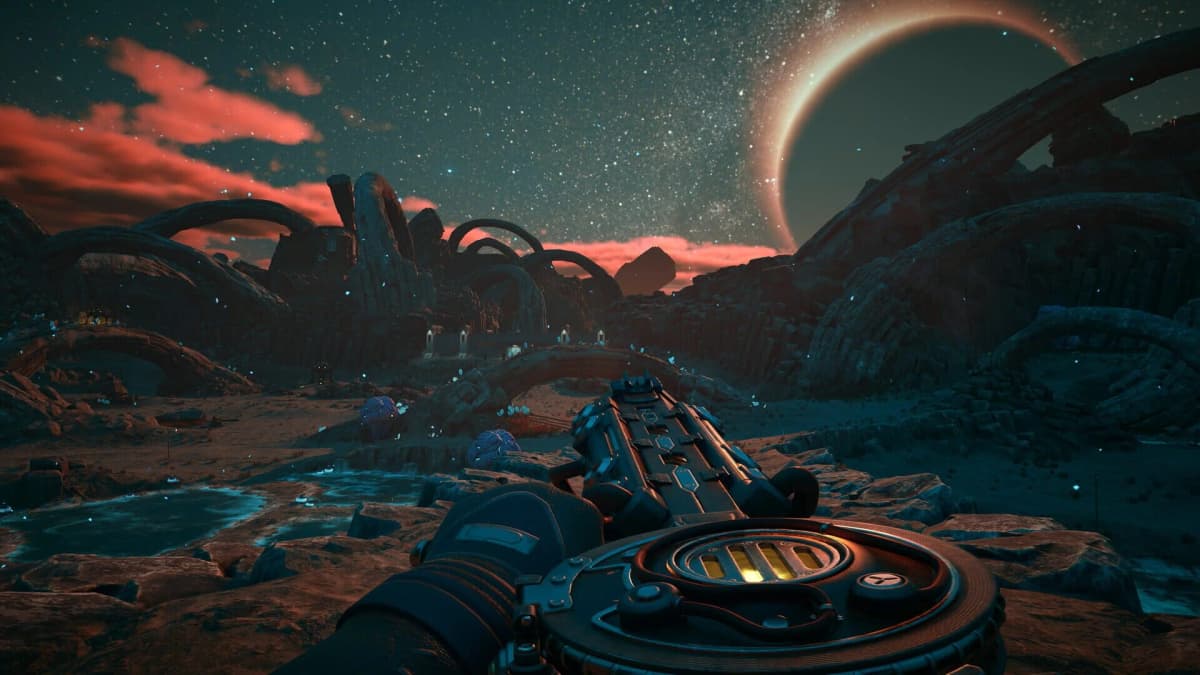
Two examples stood out. “Foot-in-Mouth Syndrome” hits players who habitually skip dialogue and cutscenes. That’s hilarious and brutal—if you button through story beats, the world pushes back. “Easily Distracted” appears when you scatter skill points everywhere instead of specializing, which thematically tracks with a jack-of-all-trades build. Obsidian says you’ll typically encounter five to ten flaws per playthrough out of around thirty, which should make reruns feel genuinely different without burying you in penalties.
This design feels closer to Fallout: New Vegas’ traits—pick your poison, live with the upside and the downside—than to The Outer Worlds 1’s perk-for-pain bargain. It anchors roleplay in feedback loops instead of one-time choices, which is where Obsidian does its best work.
What This Changes for Players
If you grabbed Premium and got tagged with “Consumerism,” lean into it. The obvious play is to stop thinking of loot as your primary income and start treating vendors as partners: buy ammo, mods, and key upgrades when you need them and don’t expect to fund your arsenal by selling every spacer’s toothbrush. Break down gear you don’t use, keep a tighter inventory, and plan purchases around that persistent 15% off. If you’re the type who min-maxes economy, the flaw basically tells you to be a buyer, not a flipper.
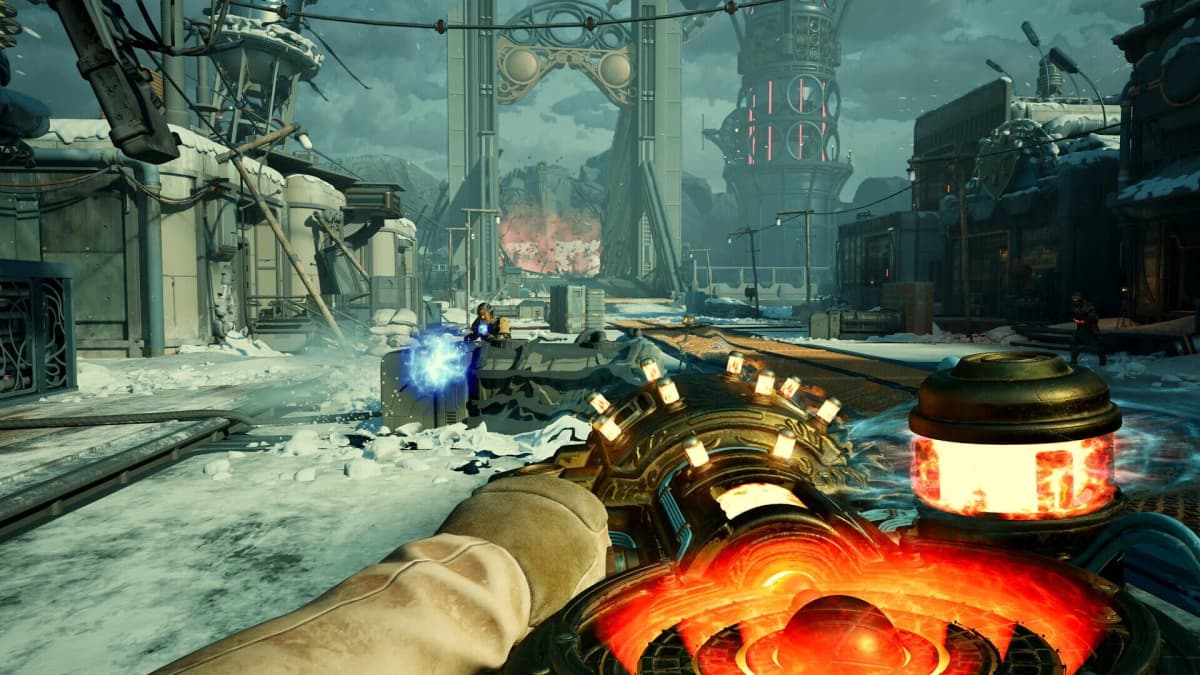
If you didn’t go Premium, you’re not missing a stat stick—you’re avoiding a permanent modifier that might not fit your style. And you’ll still see the revamped flaws kick in based on your choices. Skip dialogue? The game will notice. Scatter points? The game will notice. That’s the kind of systemic accountability RPG fans crave.
Community Reaction and Why It Matters Now
The sarcastic launch message racked up over 16,000 likes on Reddit in two days, which tracks with my feed: players appreciate a joke that commits. More broadly, this is a welcome counter to the current deluxe edition arms race. Instead of dangling a convenience buff, Obsidian ships a conversation piece that also tweaks the meta. It’s a flex you can’t fake with marketing copy.
TL;DR
Obsidian gave The Outer Worlds 2 Premium buyers a “Consumerism” flaw that discounts purchases by 15% and cuts resale by 10%. It’s sharp satire with real gameplay weight, and the broader, behavior-driven flaw system looks like a genuine upgrade that should make every run feel more personal.