

The Outlast Trials Makes PvP Permanent with Invasion — Here’s the Real Impact
Game intel
The Outlast Trials
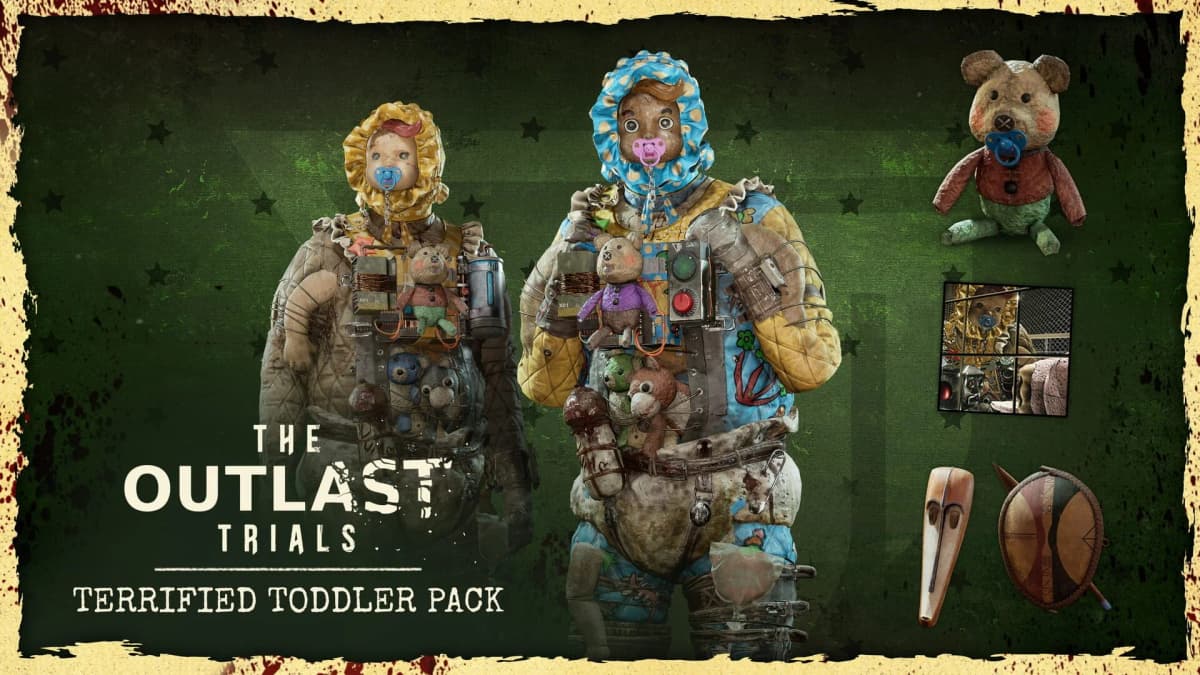
A baby fears nothing but a toddler begins to feel the crushing weight of humanity. Stand on uncertain footing against the darkness and keep a wobbly step ahead…
Why This Update Caught My Eye
Outlast has always been about being hunted, not hunting. That’s why Red Barrels locking in a permanent PvP mode-Invasion-for The Outlast Trials is a big deal. It shifts the fear from predictable AI patrolling to real players making chaotic choices. That’s thrilling in theory and terrifying in practice, especially for a co-op horror game built on teamwork, stealth, and “don’t look behind you.” With Halloween season in full swing and Program Geister returning, this update lands at the right time-but it also raises some very relevant questions for players who just want a clean PvE experience.
Key Takeaways
- Invasion is permanent: real players can become knife-wielding Imposters and invade Trials via Sleep Room Terminals.
- Imposters have strict constraints—limited time, no item pickups, but immunity to psychosis and Prime Asset effects—to keep things tense but not overpowering.
- Program Geister returns with event Variators, a time-limited Catalog, and Event Tokens that expire on November 18.
- There’s a new in-game store and the promise of vaulted Catalogs returning for Murkoff Coins—great for collectors, ripe for FOMO.
Breaking Down Invasion: Real People Are Scarier Than AI
Here’s the pitch: players can queue as Reagents (the usual victims) or as Imposters, with only a limited number of Imposters allowed to invade at once. Those waiting aren’t idle—they’re spotters, pinging targets and feeding intel to the active knife-freak stalking your team. When an Imposter spawns, their job is simple and nasty: locate, get close, and kill.
The knife has two modes: quick Slashes for chip damage and a Stab that’s an instant kill if you commit to a charge-up and manage close proximity. The design leans into Outlast’s cat-and-mouse DNA, but with a human cat now making off-script plays. Imposters are on a timer and have to evacuate through an Insertion Gate or risk electrocution—and a respawn penalty if they die being greedy. They can’t hoard your items and they’re uniquely immune to psychosis gas and Prime Asset effects, which is smart: it keeps PvP centered on mind games and positioning rather than resource denial or AI chaos.
At match end, Imposters are scored on damage, kills, and survival. That scoring could encourage calculated aggression over trolling, which is exactly what you want in an invasion system. My lingering question: can PvE squads opt out entirely without jumping through hoops? The notes don’t say. Outlast’s tension thrives on planned stealth and escalating panic; forced PvP with no opt-out would be a hard sell for some co-op groups. If there isn’t a clean toggle, there should be—private lobbies should stay sacred.
Geister Returns: Great Event Design, Unsubtle FOMO
Program Geister is back as a two-part, limited-time event running through November 18. This isn’t just a cosmetic rehash—Geister layers on Variators that meaningfully twist the rules. Expect to extract organ samples from fallen Reagents, deal with amped-up hallucinations, face more NPC imposters, lose player name visibility in Intensive/Psychosurgery, and survive enemies on high alert. It’s a clever way to amplify Outlast’s “Are you sure you heard that?” dread while nudging teams into noisier, riskier decisions.
- Event window: Part 1 (Oct 21, 10am ET – Nov 4, 9:59am ET), Part 2 (Nov 4, 10am ET – Nov 18, 9:59am ET).
- Earn Event Tokens by completing Trials and Geister Tasks.
- Spend Tokens in the free-to-access Geister Catalog for exclusive cosmetics.
- Unspent Tokens vanish after Nov 18; the 2025 Geister Catalog gets vaulted, then returns later in the Murkoff Store, unlockable with Murkoff Coins based on your progress.
Design-wise, that last bit is a double-edged scalpel. It’s consumer-friendly that missed items aren’t gone forever, but the combination of expiring Tokens and a later buy-back with premium currency is textbook FOMO. If cosmetics are your thing, set a reminder and empty your Tokens before the cutoff.
Two New MK-Challenges Add Bite Between Full Trials
Red Barrels also dropped two MK-Challenges—bite-sized Trials with sharp themes. “Beguile the Children” leans into media manipulation: hijack a broadcast and reshape the subliminal message. “Investigate the Minotaur” is corporate rot-as-horror: find evidence of the Buffalo Minotaur’s crimes and drag it into the press spotlight. These challenges tend to be solid 20-30 minute injections of puzzle-stealth with curated twists, perfect for squads who want progress without committing to a full gauntlet.
Want to Level Up Your Gaming?
Get access to exclusive strategies, hidden tips, and pro-level insights that we don't share publicly.
Ultimate Gaming Strategy Guide + Weekly Pro Tips
Monetization Check: New Store, Old Concerns
The update adds a new in-game store with exclusive outfits, DLC packs, and the promise of past Catalogs returning. Cosmetics in a live-service horror game are fine—Outlast’s tone actually makes goofy drip funnier—but tying event catalogs to limited windows and later Murkoff Coin purchases will always feel a bit predatory. The best practice here is clarity: show exact prices, provide genuine earnable paths, and don’t time-gate core QoL or gameplay.
There are also Twitch Drops available through November 18. If you care about cosmetics, it’s free value while you watch, but it’s also another engagement funnel layered on top of event Tokens and a refreshed store. The content treadmill is spinning faster; just be sure it’s rewarding players more than it’s wearing them down.
The Gamer’s Perspective: Potentially Brilliant, Needs Guardrails
On paper, Invasion fits Outlast disturbingly well. A human predator with limited tools and a hard timer can create incredible emergent stories—last-second gate escapes, perfectly timed stabs, mind games around noise pings. But the mode’s success hinges on matchmaking and consent. If I queue for chill PvE with friends and get blindsided by a sweaty Imposter every run, I’ll bounce. If there’s a clean opt-in/opt-out and ranked or MMR-style guardrails for Imposters, this could become a standout PvPvE mode alongside the best “invader” systems we’ve seen.
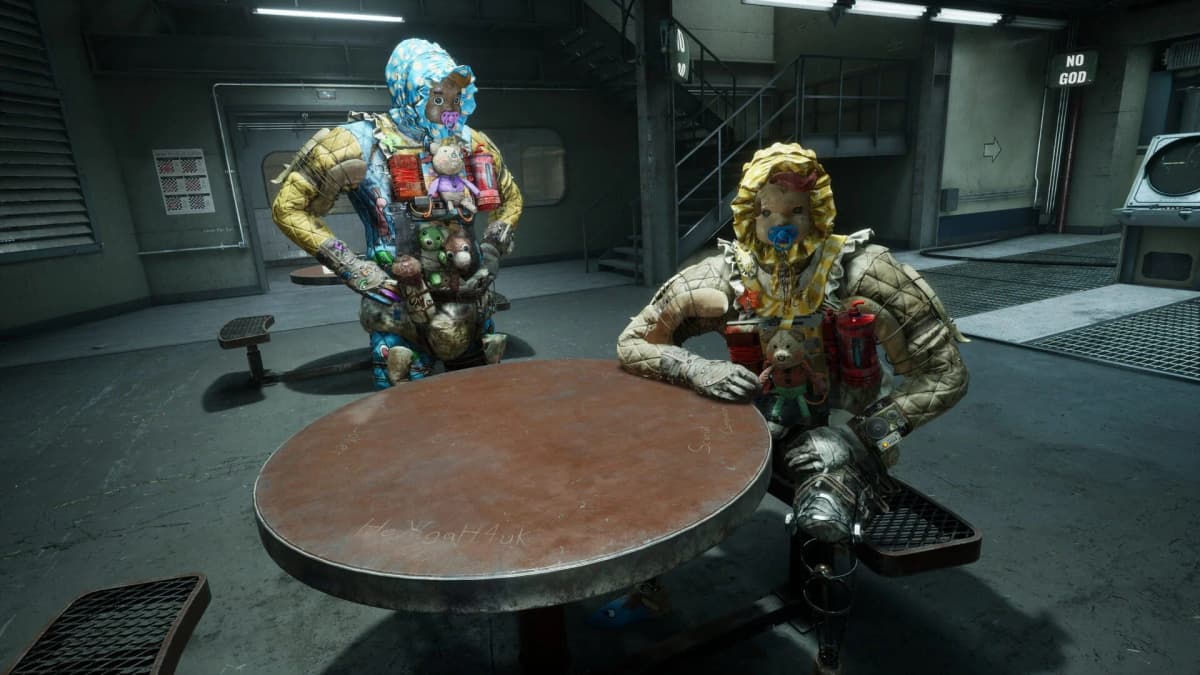
For now, the good news is that Red Barrels is treating Invasion as a true pillar, not a limited experiment. That means iteration is likely. If they listen to feedback on grief potential, reward balance, and lobby control, Invasion could evolve into the thing we tell new players to try first—right after we warn them not to turn around.
TL;DR
Invasion makes real-player horror a permanent part of The Outlast Trials, and it could be great if players can easily opt out and matchmaking keeps things fair. Geister returns with strong modifiers, a free event Catalog, and expiring Tokens that feed an aggressive FOMO loop. Cool content, sharp timing—now let’s see if the balance holds once the knives come out.