
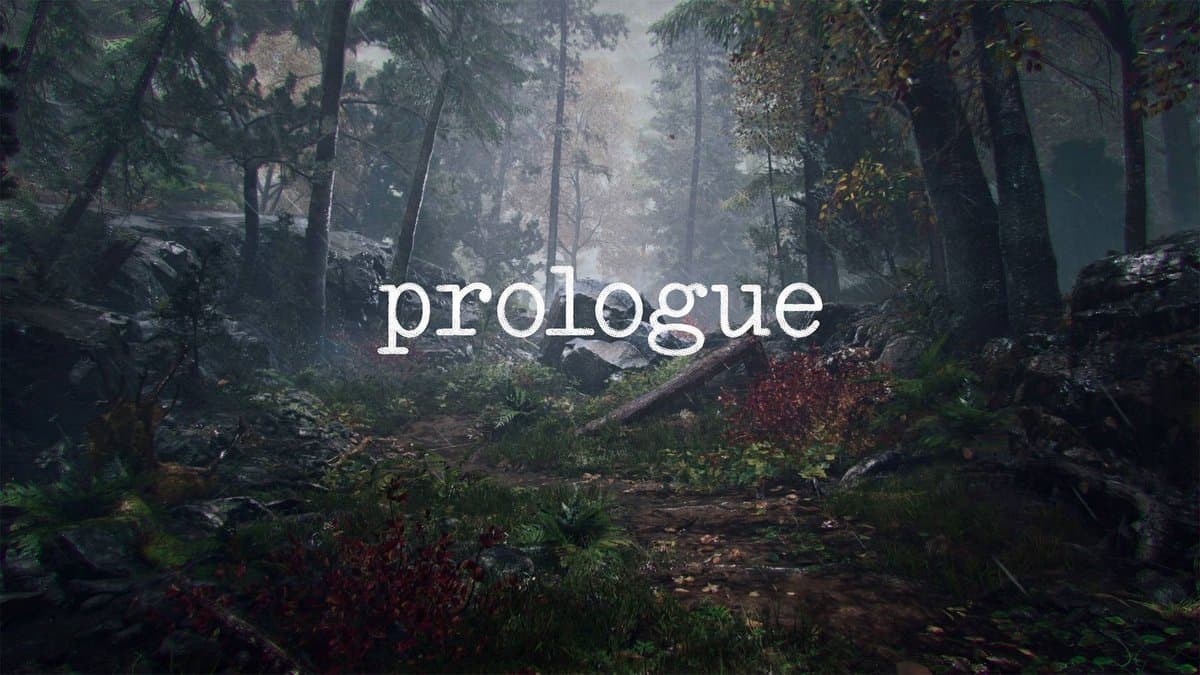
The PUBG creator just dropped a brutal HUD‑free survival game — but there’s a catch
Game intel
Prologue
Overshadowed by the exploits of his famous sibling, Reemus the insect exterminator and his sidekick, Liam the purple bear set out on a journey to create a lega…
Why this release actually matters
Brendan “PlayerUnknown” Greene-the man who turned loot‑surfing into a cultural phenomenon with PUBG-has quietly released Prologue: Go Wayback! on Steam Early Access. This isn’t another battle royale or a nostalgia cash‑in: Prologue is a lean, punishing single‑player survival prototype built around a 64 km² AI‑generated world, dynamic climate simulation, and a deliberate removal of hand‑holding. For players tired of spoon‑fed tutorials and cookie‑cutter survival loops, that’s exciting. For everyone else, there are a few headaches to be aware of.
- Key takeaway: Prologue is more tech demo than full game-it’s a prototype for Greene’s larger ambition, Artemis.
- It leans hard into realism: no HUD, no quest markers, full climate effects and realistic resource systems.
- Always‑online terrain generation and a mandatory account for a solo experience is a controversial design choice.
- PC‑only Early Access on Steam means it’s aimed at a niche of hardcore survival players and modders for now.
Breaking down the announcement — what’s new and what actually changes
On paper, Prologue is an intriguing synthesis of trends we’ve seen for years: procedural worlds, AI tools helping worldbuilding, and simulation depth borrowed from hardcore survival sims. Official notes say each session spawns a unique 64 km² landscape generated by a machine‑learning model. That scale and variability matter because they promise stories that aren’t scripted—where navigation, weather and resource placement shape how you survive, not a designer’s waypoint system.
Gameplay-wise, expect the uncomfortable stuff: hunger, thirst, fatigue, wounds that actually matter, and weather that can kill you if you’re sloppy. There are no quest markers and little tutorial hand‑holding. The explicit goal is simple—reach a meteorological station—but how you get there is left up to you. That kind of freedom will thrill exploration fans and terrify players used to safety nets.
Why this isn’t just “another” survival game
Two things separate Prologue from the crowd: the AI terrain pipeline and the climate/system simulation. Using an ML model to stitch a 64 km² world is ambitious; if it works, it could reduce repetitive map artifacts that plague many procedurally generated games. The climate model—storms, temperature swings, biome interactions—is also pitched as simulation rather than spectacle, affecting animal behavior, resources, and player risk.
But ambition comes with tradeoffs. Requiring an internet connection to generate your single‑player map and forcing account creation is a design choice that will not sit well with privacy‑minded players or anyone who likes truly offline single‑player experiences. It’s also a reminder Greene’s vision for Artemis is networked by design—Prologue is effectively a public demo of that tech.
FinalBoss // Gear
Level up your setup
01Capture cards (Elgato & more)on Amazon→02USB microphoneson Amazon→03Gaming keyboardson Amazon→04Gaming deskson Amazon→Affiliate links · As an Amazon Associate, FinalBoss earns from qualifying purchases.
What you should expect as a player
- Difficulty: Think unforgiving survival. If micro‑management and permadeath stress you, pick a lower difficulty.
- Learning curve: No tutorials and no HUD means you learn by failing. That’s intentional; it rewards attention and experimentation.
- Updates & roadmap: This is Early Access and explicitly a prototype. Expect frequent tech updates, new biomes and UX overhauls—but also missing polish.
- Community impact: Early adopters will shape the game. Because it’s a prototype for Artemis, feedback now could influence features later.
Want to Level Up Your Gaming?
Get access to exclusive strategies, hidden tips, and pro-level insights that we don't share publicly.
Ultimate Gaming Strategy Guide + Weekly Pro Tips
Quick survival tips for jump‑in players
If you’re jumping straight into Prologue, small practical habits save hours of frustration: prioritize water and shelter, scout biomes before committing, use fire to fight cold and predators, and treat injuries early. Learn landmark navigation—without a HUD you’ll rely on rivers, mountain ridges, and the sun. And backup expectations: save often when the game allows it; this is a title that will punish overconfidence.

Why this matters for the industry
Prologue is a statement: Greene’s post‑PUBG work isn’t chasing easy hits. He’s experimenting with procedural generation and AI workflows that could change how open worlds are built. But there are red flags—always‑online single‑player prototypes and the possibility that this tech becomes a gated, networked ecosystem in Artemis. For players, that means exciting potential and the need for vigilance about the direction of single‑player autonomy.
TL;DR
Prologue: Go Wayback! is a lean, dangerous, beautifully unforgiving survival prototype from Brendan Greene that showcases AI map generation and deep climate simulation. If you crave a raw single‑player test of survival instincts and don’t mind mandatory online hookups, it’s worth a look. If you want a polished, offline solo experience, wait and watch how the Early Access road map and community feedback reshape it.