
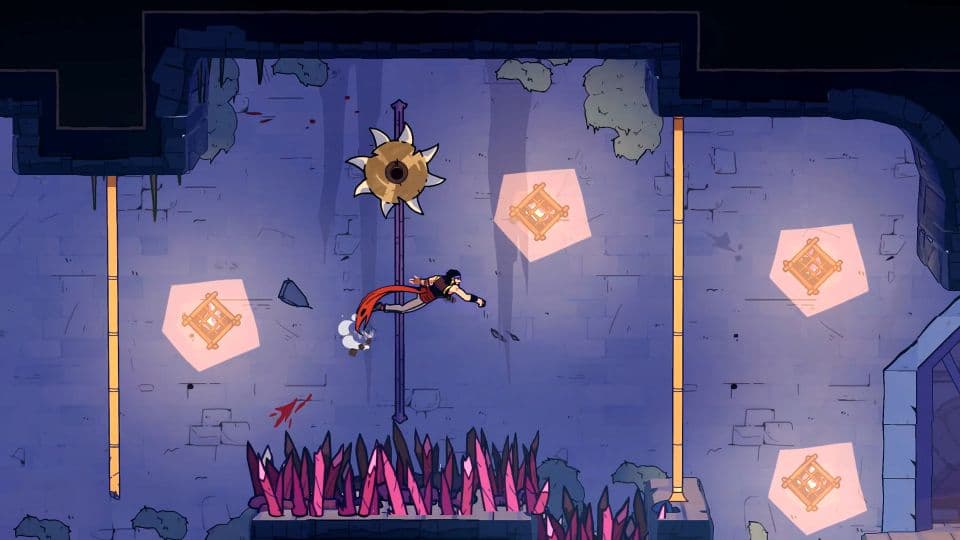
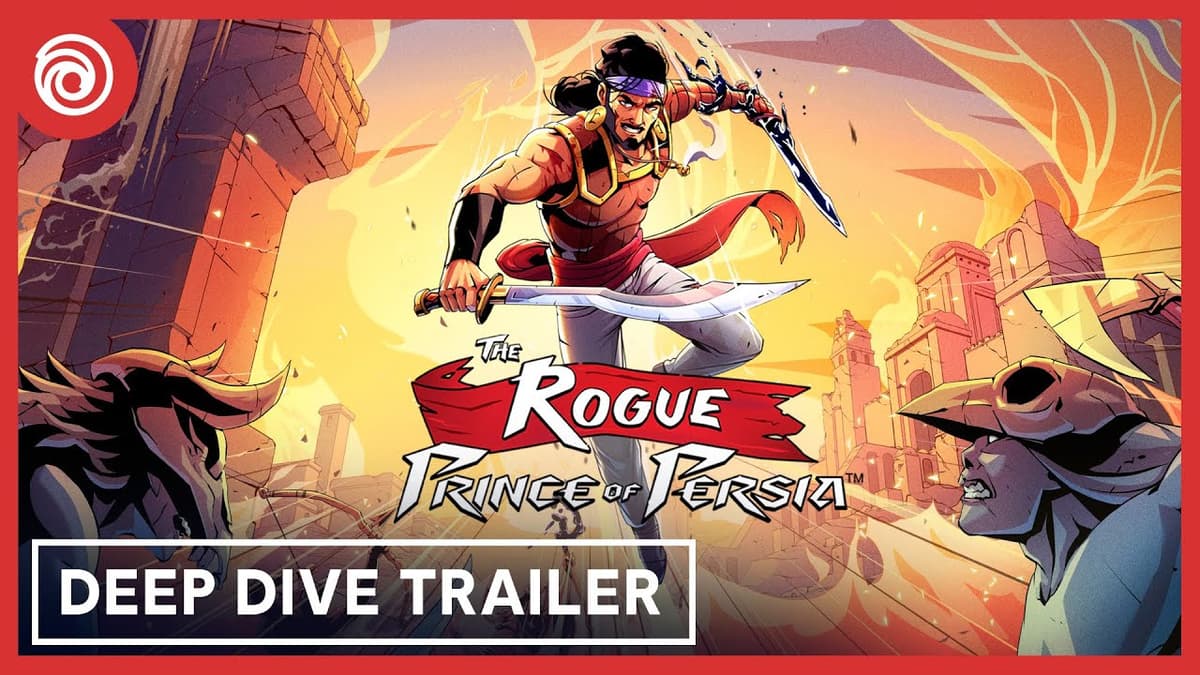
The Rogue Prince of Persia shadowdrops 1.0 — Evil Empire sticks the landing
Game intel
The Rogue Prince of Persia
The Rogue Prince of Persia is a 2D action-platformer developed by Evil Empire in collaboration with Ubisoft. The game combines fast-paced parkour movement with…
Why This Shadowdrop Actually Matters
This caught my attention because The Rogue Prince of Persia has quietly been one of the more interesting experiments with a legacy IP: give the crown to a studio that lives and breathes run-based design, then let them iterate in public. Evil Empire-best known for keeping Dead Cells relevant long after launch-has surprise-dropped 1.0, and that says something. It says they think the core loop is finally locked, the progression is stable, and the Prince’s parkour-first combat is ready for prime time. With a Very Positive rating on Steam, this isn’t a Hail Mary; it’s a confident dismount.
Key Takeaways
- 1.0 arrives as a shadowdrop after a year of early access tuning and a major visual overhaul.
- Evil Empire leans into movement-first combat, carving space away from Hades-likes by making traversal the star.
- Community reception is strong (“Very Positive”), but the real test is long-term run variety and balance.
- The Prince of Persia brand is quietly having a moment-and this keeps the momentum going after The Lost Crown.
Breaking Down the Announcement
The Rogue Prince of Persia’s 1.0 was rumored for August; instead of a date to circle, Evil Empire just pressed go. It’s on PC via Steam right now. That tracks with how they handled Dead Cells: fewer grandstanding roadmaps, more “play it today” drops once the build is ready. If you bounced off the earliest version, it’s worth noting how much has changed. The game shifted away from its softer, pastel vibe last November for a sharper, more detailed look, and the Prince’s animations caught up—snappier vaults, cleaner reads on jumps, and a combat rhythm that finally matches the fantasy running in your head.
Content-wise, the Second Act update brought a new biome, fresh bosses, and extra routes—key for any roguelike trying to avoid sameness by run five. 1.0 should mean more of that: not just new rooms but new verbs for the player. Roguelikes live or die on the interplay between your permanent meta and the on-run pickups, and Evil Empire knows that dance as well as anyone working in the space.
How Early Access Changed the Game
The biggest shift wasn’t just aesthetic; it was usability. Early builds felt like a cool proof of concept where the platforming ideas occasionally fought the roguelike pacing. Over time, the studio honed readability—ledge grabs feel more forgiving, wall-runs link more naturally, and enemy telegraphs stand out better against the busier backdrops. That matters because this isn’t another “dodge-roll and burst” brawler. It’s a movement-first combat game: bait an attack, vault over a shield, kick a foe into spikes, chain a wall-run into a grounded finisher. When it clicks, you get that flow-state thrill Prince of Persia fans have chased since Sands of Time.
The community feedback loop clearly helped. Roguelikes can get mean when RNG pulls the rug, but the best ones let skill smooth the bad draws. The Rogue Prince of Persia increasingly rewards mastery—knowing when to climb, when to disengage, when to use the environment as a weapon. That’s a smart differentiator in a year where Hades 2 is siphoning attention; Evil Empire isn’t trying to out-Hades Supergiant, they’re doubling down on traversal as identity.
The Gamer’s Perspective: Value, Challenge, and Comparisons
If you’ve been on the fence, here’s the practical read. The loop is brisk, more Prince than paladin: short rooms chained by momentum rather than arenas locked by waves. Runs feel better the more you commit to aggression and map knowledge. The risk is familiar: if the meta-progression leans too hard on unlocks, newcomers can feel underpowered early. The win is also familiar: once you’ve internalized the parkour toolkit, your skill floor rises and the grind fades.
Performance and controls are crucial here. This is a pad-first game; analog movement and responsive jump arcs are basically the point. On the design side, I’ll be watching how build variety holds up after 20 hours. Do routes meaningfully change your run plan, or is the “optimal” path too obvious? Does the boss roster push different skills, or just more damage checks? Evil Empire’s track record suggests they’ll keep tuning. They’ve historically favored chunky paid DLC and free updates over nickel-and-dime microtransactions, which fits a roguelike that benefits from occasional, meaty shake-ups.
Want to Level Up Your Gaming?
Get access to exclusive strategies, hidden tips, and pro-level insights that we don't share publicly.
Ultimate Gaming Strategy Guide + Weekly Pro Tips
Why This Matters for Prince of Persia
Last year gave us two proof points that Prince of Persia still has juice: Ubisoft Montpellier’s The Lost Crown revived the royal family with a slick Metroidvania, and Evil Empire’s roguelike re-centered the Prince himself. After years of silence and a long-delayed remake hanging over the brand, this 1-2 punch reframed the IP from “stuck in 2003 nostalgia” to “still experimenting in 2D.” That’s healthy. If the series is going to thrive, it needs multiple identities that play to its DNA: acrobatics, time, and environmental mastery. The Rogue Prince of Persia nails one of those pillars and turns it into a modern roguelike hook.
Looking Ahead
Shadowdropping 1.0 is bold, but the post-launch plan is what keeps roguelikes sticky. If Evil Empire keeps feeding new biomes, enemy behaviors that punish stale routes, and a few “oh wow” movement toys, this could be a staple next to Dead Cells on your library’s front page. I’m also hoping for deeper accessibility toggles—input remapping, animation speed options, maybe aim assists for newcomers—because the movement-first fantasy only works if everyone can actually perform it.
TL;DR
The Rogue Prince of Persia hits 1.0 in a surprise drop, and it’s the most confident version of Evil Empire’s movement-driven roguelike yet. If you want a run-based game where traversal is the weapon, the Prince finally sticks the landing—and now the real marathon begins.