
Table of Contents (7)
Why this SCOTUS ruling actually matters to anyone buying a console
This caught my attention because it’s rare to see a legal ruling translate so directly into the price tag gamers pay. On February 20 the U.S. Supreme Court (6-3) threw out most tariffs that were imposed under the 1977 International Emergency Economic Powers Act (IEEPA) – the same authority the administration used to levy extra duties on imports from China that industry analysts say added roughly 15-25% to some console prices. In plain terms: a legal technicality just removed the stated legal basis for many of the duties that made PlayStation 5 and Nintendo Switch models more expensive for American buyers.
Key takeaways
- The Court invalidated most IEEPA-based tariffs that had pushed up console retail prices; relief for consumers is now possible but not guaranteed.
- Any price drops will be gradual – manufacturers, retailers, and lawmakers have other levers (alternative tariffs, supply-chain shifts) that can blunt savings.
- Gamers should expect potential discounts in the months after the ruling, but watch for competing policy moves and component shortages that limit how deep cuts go.
Breaking down the decision and why it hit gaming hardware
The Court’s majority found that using IEEPA to impose broad economic measures – including many of the tariffs that were raised in recent years — exceeded the statute’s bounds. Those tariffs weren’t one-off fees: companies and analysts have pointed out they added tens to a few hundred dollars to the cost of imported electronics, including consoles assembled from China-sourced parts. Because PlayStation, Nintendo and others rely on complex global supply chains, a tariff that targets components or finished consoles can feed directly into MSRPs and retail sticker shock.
What this could mean for PS5, Switch and buyer behavior
For gamers, the practical effect is straightforward in theory: removing the legal basis for a tariff should remove the extra cost. In practice, expect a few caveats. Retailers and manufacturers set prices based on inventory purchased under old rules, hedges they took out, and their own margin strategies. That means price relief will probably show up as incremental discounts, promotional bundles, and refreshed MSRP guidance over weeks or months rather than instant rollback at every store.
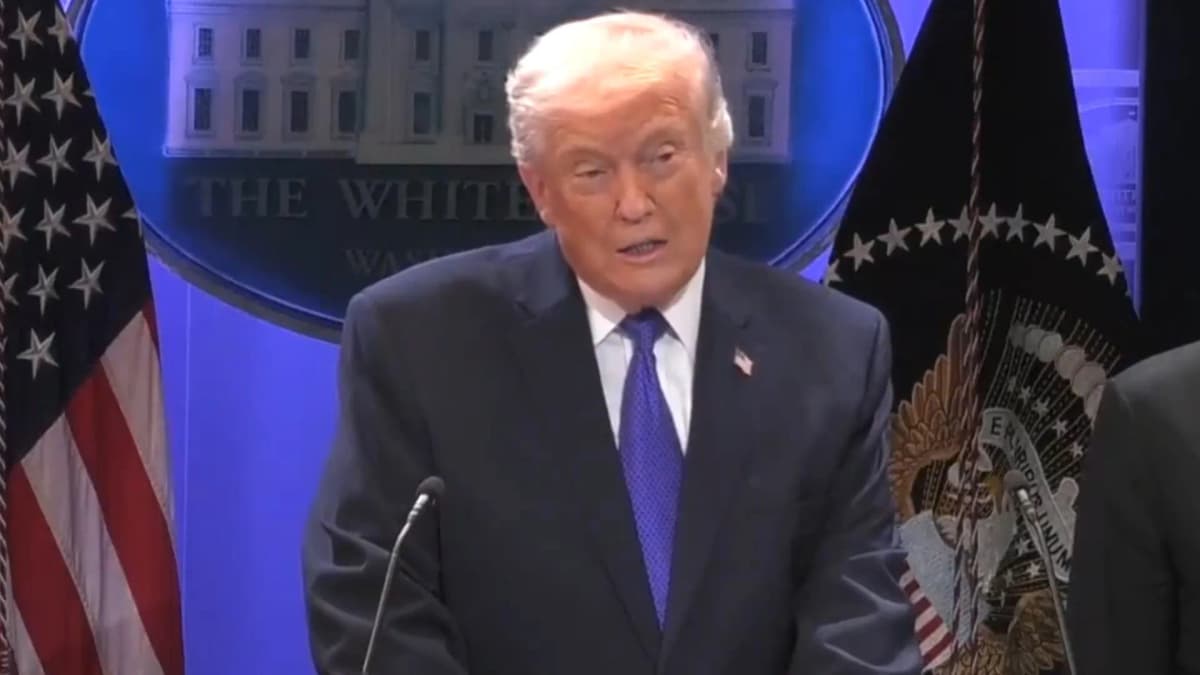
Also keep in mind politics and policy: the White House has publicly floated alternatives — such as a short-term global tariff — and Congress could pursue replacement measures. And supply-side realities matter: semiconductor constraints, factory capacity, and moves to diversify manufacturing away from China will all influence how much of the theoretical savings actually reach your cart.
Where the uncertainty still lives — what could blunt price relief
- Replacement tariffs or temporary levies: policymakers motivated to protect domestic producers could try to swap in different tariff authorities.
- Supply-chain shifts: companies may keep prices higher to recoup costs from relocating production or paying premiums for alternative suppliers.
- Component shortages: AI-driven demand for advanced chips and lingering bottlenecks can keep costs elevated even without the tariff layer.
What gamers should do now
If you need a console right away, buy with awareness: look for refurbished or manufacturer-certified units and keep an eye on limited-time bundles that effectively lower your cost-per-game. If you can wait, expect the clearest discounts to arrive in the spring and early summer as retailers and makers adjust pricing and clear inventory bought under the old tariff regime. Track price trends rather than chasing a single headline — a $50-$150 swing is feasible in aggregate, but it will be staggered across models and retailers.
For those who follow the industry, the ruling is also a reminder that hardware prices are political as much as technical: trade law, tariff authority, and supply-chain strategy now have almost as much impact on what you pay as GPU silicon or exclusive games.
TL;DR
The Supreme Court’s decision removes the legal basis for many of the tariffs that helped inflate PS5 and Switch prices, so savings are likely — but not automatic. Expect gradual price relief if no replacement tariffs show up, and watch supply-chain and policy moves that could mute the upside for gamers.
FinalBoss // Gear
Level up your setup
01Best-selling Switch 2 gameson Amazon→02Switch 2 accessorieson Amazon→038BitDo controllerson Amazon→04Discounted game keyson Kinguin→Affiliate links · As an Amazon Associate, FinalBoss earns from qualifying purchases.
Want to Level Up Your Gaming?
Get access to exclusive strategies, hidden tips, and pro-level insights that we don't share publicly.
Ultimate Gaming Strategy Guide + Weekly Pro Tips