
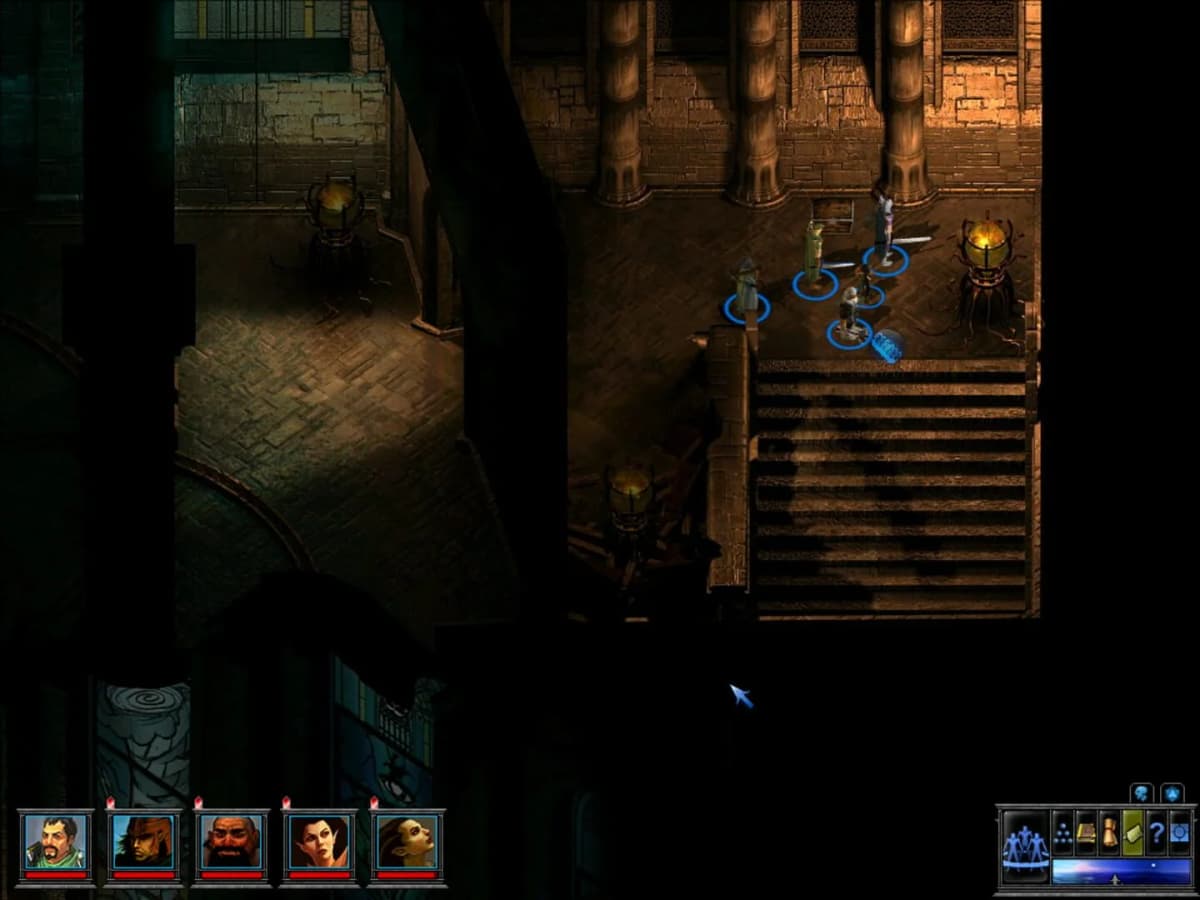
The Temple of Elemental Evil finally lands on Steam — but is the modern fix enough?
Game intel
The Temple of Elemental Evil
The game begins with an opening vignette that is determined by the alignment of the party. All of these require the player to start in the town of Hommlet.
Why this re-release actually matters
This caught my attention because Tim Cain’s name alone is a gaming shorthand for “ambitious RPGs with rough edges”-from Fallout to Troika’s cult classics. The Temple of Elemental Evil (ToEE), originally released in 2003, has long been a poster child for community preservation: beloved systems wrapped in a buggy coat. Sneg’s December 10, 2025 Steam release bundles over a thousand community fixes from Circle of Eight and Temple+ into an official package, finally giving players a version of the game that behaves like a modern release instead of a maintenance project.
- Key takeaway: This is not a remake-it’s a community-driven modernization that makes a notoriously unstable classic playable on modern PCs.
- Expect: stability, AI and UI improvements, restored content, and quality-of-life tweaks-but also an experience rooted in D&D 3.5 complexity.
- Who wins: D&D purists and tactical RPG fans. Who should be cautious: players wanting cinematic modern RPGs like Baldur’s Gate 3.
Why this matters now — the preservation angle
We’re in a renaissance of CRPGs, with live-service-style polish on one side and obsessive preservation on the other. ToEE’s Steam launch is a rare middle ground: not a glossy remaster, but an official consolidation of two decades of community labor. That matters because it turns a fragmented modding ecosystem into a single, supported baseline—one you can buy and run without hunting compatibility threads on Reddit.
What the Steam release actually fixed
- Stability: Hundreds of crash fixes and quest-breaking bugs finally resolved, so you’re less likely to hit the infamous freeze-and-reload loop.
- AI & combat: Enemy and companion behavior have been refined, making tactical fights less random and more strategic.
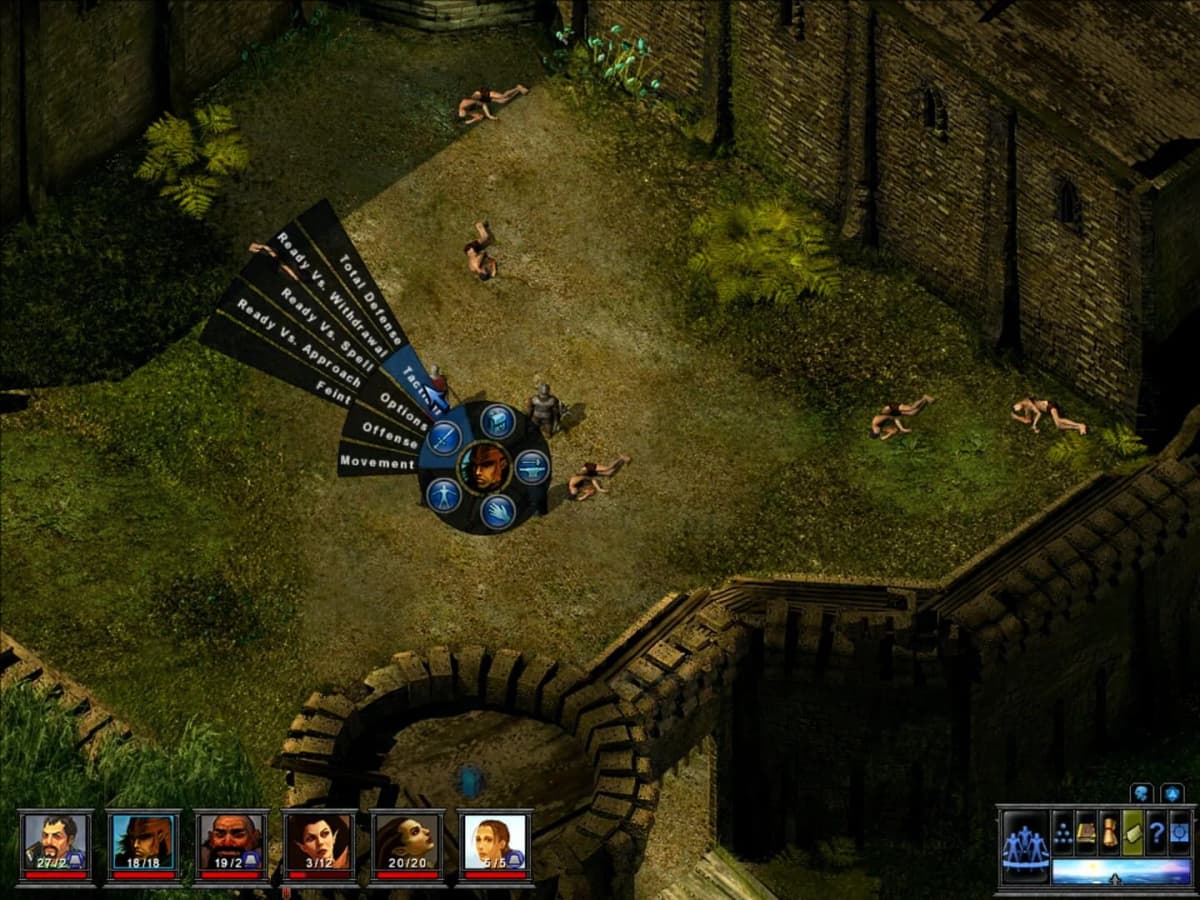
- UI & QoL: Inventory screens, tooltips, spellcasting flow, and party controls are cleaner—still clunky by modern standards, but much less hostile.
- Performance: Optimizations for modern hardware reduce load times and smooth framerate hiccups.
- Content: Restored cut quests and classes expand play options and give completionists new reasons to explore.
Those bullet points sound great, but don’t mistake this for a modern UX. The interface still wears its 2003 roots on its sleeve. What’s changed is that the irritation threshold has been lowered considerably—enough for the systems to finally shine.
How it plays today — the honest gamer view
ToEE is for players who want a faithful D&D 3.5 ruleset translated into a turn-based tactical RPG. Combat is unforgiving and detailed—attack rolls, positioning, and resource management matter. Exploration is sandboxy; you can tackle quests in many orders and use creativity over brute force. If you loved the slow, crunchy math of tabletop D&D, this delivers. If you prefer the cinematic bent and accessibility of modern RPGs, it will feel archaic.
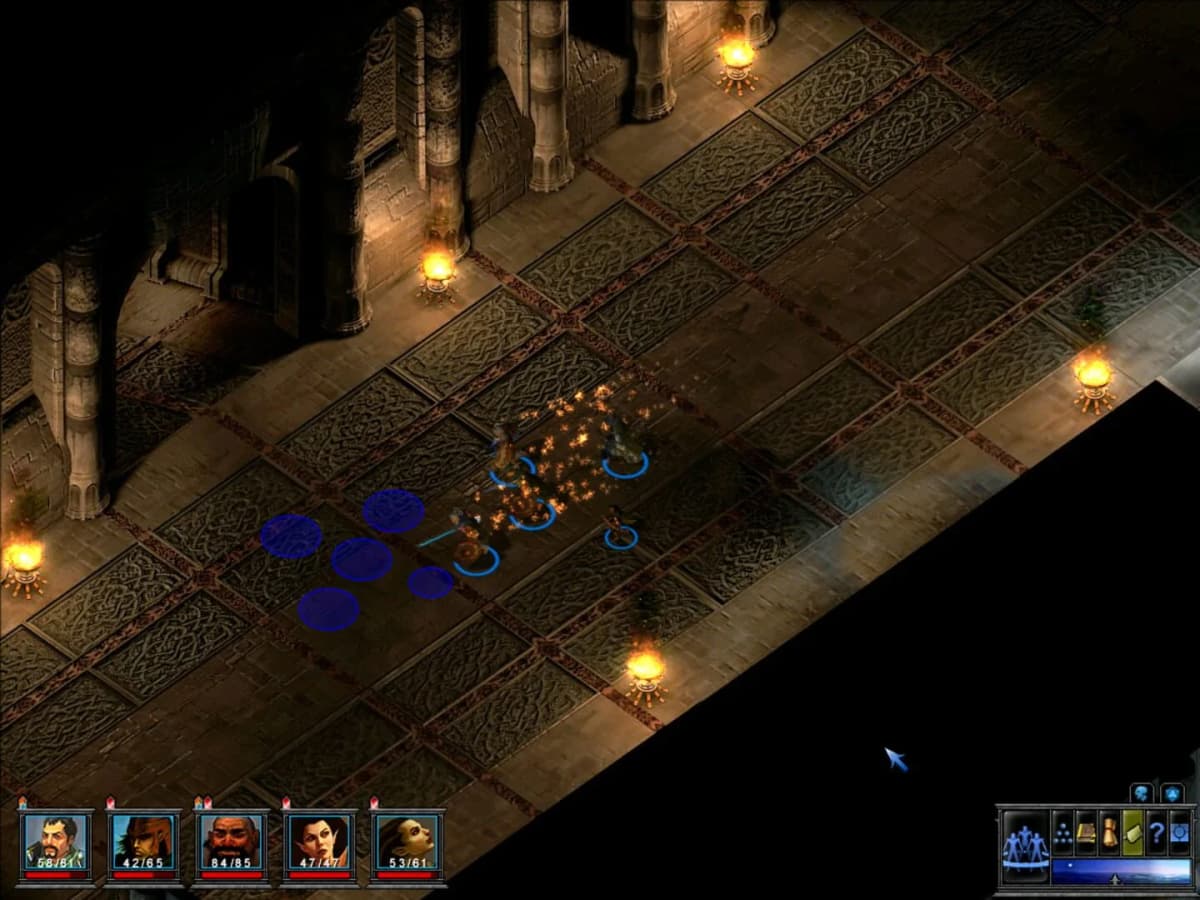
Skeptical question: will Sneg continue to patch or add features beyond this consolidation? The re-release is a huge preservation win, but future support and potential Steam Workshop integrations are still unknowns. For now the mod scene remains the place for experimental tweaks and extra polish.
Want to Level Up Your Gaming?
Get access to exclusive strategies, hidden tips, and pro-level insights that we don't share publicly.
Ultimate Gaming Strategy Guide + Weekly Pro Tips
Practical advice for players
- Platform: Windows on Steam—expect a straightforward install now that compatibility headaches are addressed.
- Time investment: Plan for 40-60+ hours depending on approach; combat can extend playtime through careful saves and retries.
- Party tips: Balance tanks, damage, controllers, and a dedicated healer/spellcaster. Restored classes are worth experimenting with.
- Modding: The Steam build integrates major community fixes, but the Circle of Eight and Temple+ communities still offer optional enhancements.
Where this sits in 2025’s CRPG landscape
Compare it to Baldur’s Gate 3 and you’ll see two philosophies: BG3 modernizes the tabletop experience into a cinematic, accessible product; ToEE preserves the granular mathematics and situational challenge of 3.5. That niche matters—there’s a dedicated audience that prefers fidelity to the ruleset over hand-holding. This re-release gives those players a clean, supported entry point without forcing them into a modern redesign.
TL;DR
Sneg’s Steam release of The Temple of Elemental Evil is a community-made miracle: 1,000+ fixes finally make Tim Cain’s D&D classic playable and stable. It’s not a remake—expect old-school complexity with modern reliability. If you love tactical, rules-heavy RPGs, this is an important release. If you want a slick, modern RPG experience, stick with newer titles.