
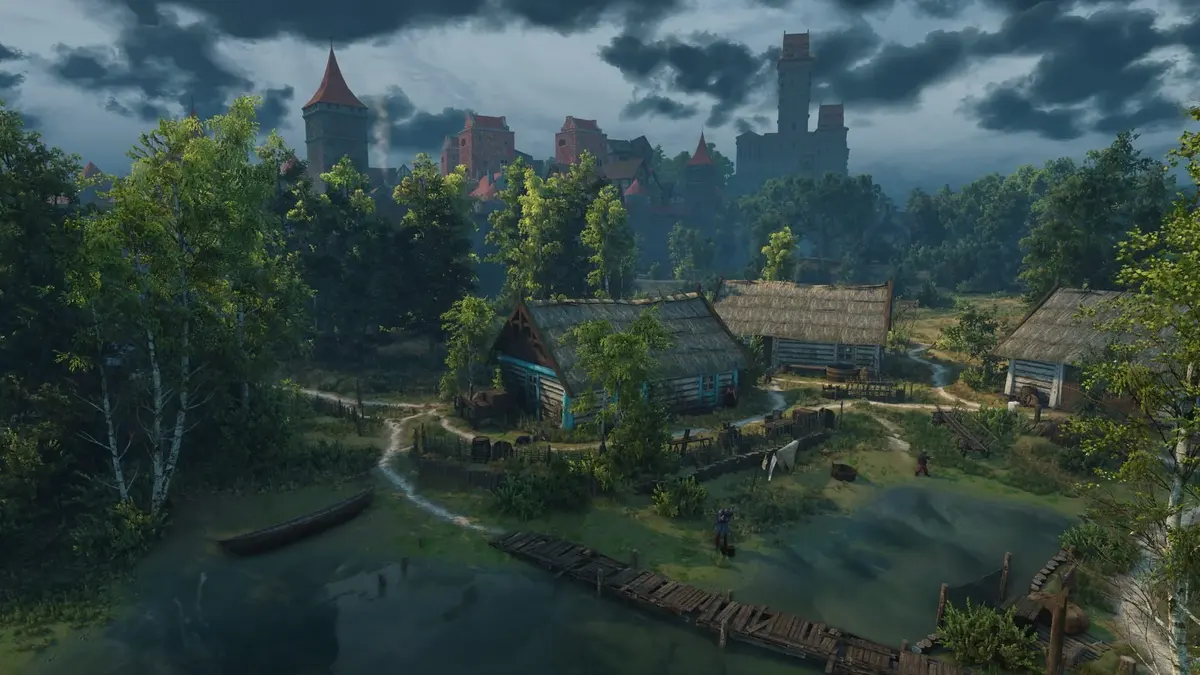
September 29, 2026 is the date to circle if you own The Witcher 3: Wild Hunt. CD Projekt Red’s remastered release is a free upgrade for existing owners on PC, PlayStation 5, and Xbox Series X|S, and it folds Hearts of Stone and Blood and Wine into the base-game proposition. That is enough on its own to justify a reinstall before anybody starts admiring the grass.
The expansions are the real value here. Visual upgrades age quickly; two substantial story campaigns do not. CD Projekt Red is also positioning this as a broader refresh than the 2022 next-gen patch, with ray tracing, an adaptive camera, an expanded photo mode, improved movement, enhanced combat, new finishers, and a rebuilt skill tree and progression system.
Table of Contents (5)
September 29’s free upgrade and expansion bundle is straightforward — until storefront licenses get involved
On the clearly verified side, owners of any version of the base game on PC, PlayStation 5, and Xbox Series X|S receive The Witcher 3: Wild Hunt Remastered free on September 29. Hearts of Stone and Blood and Wine also come free to base-game owners. Players buying in fresh get the base game plus both expansions through the remastered storefront package.
That is generous by modern publisher standards, where a decade-old game is usually repackaged as a “definitive” excuse to charge for the same sword swings again. CD Projekt Red is effectively removing the old split between the base game and its essential story content. Both expansions belong in the conversation around The Witcher 3; treating them as optional add-ons in 2026 would have been hard to defend.
Xbox players should check their account entitlement before September 29, especially if their copy came from a disc, a shared console library, or an old install carried across hardware. The remastered upgrade and the expansion giveaway both depend on ownership, but they are not quite the same entitlement story. The September 29 remaster is the Xbox Series X|S piece; the free expansion delivery is the storefront-license piece. An installed copy is not always the same thing as ownership, because storefronts remain exquisitely capable of turning a free update into a support-ticket hobby.
Start with the boring question first: does the account actually own the base game? If the answer is yes and the copy is digital, Hearts of Stone and Blood and Wine should show up in that account’s library. If the game came from a disc, check the Store pages for both expansions under the same account before assuming the console install covers them. If the copy exists only through household sharing, treat nothing as automatic until the owning account shows the entitlements.
PlayStation 4 and Xbox One players can also download Hearts of Stone and Blood and Wine free. That is separate from the September 29 remastered upgrade, whose clearly verified rollout covers PC, PlayStation 5, and Xbox Series X|S. A Switch 2 version is part of the new remaster conversation, but its platform-specific free-upgrade details still need the cleanest final note before anyone plans around it like the other three.
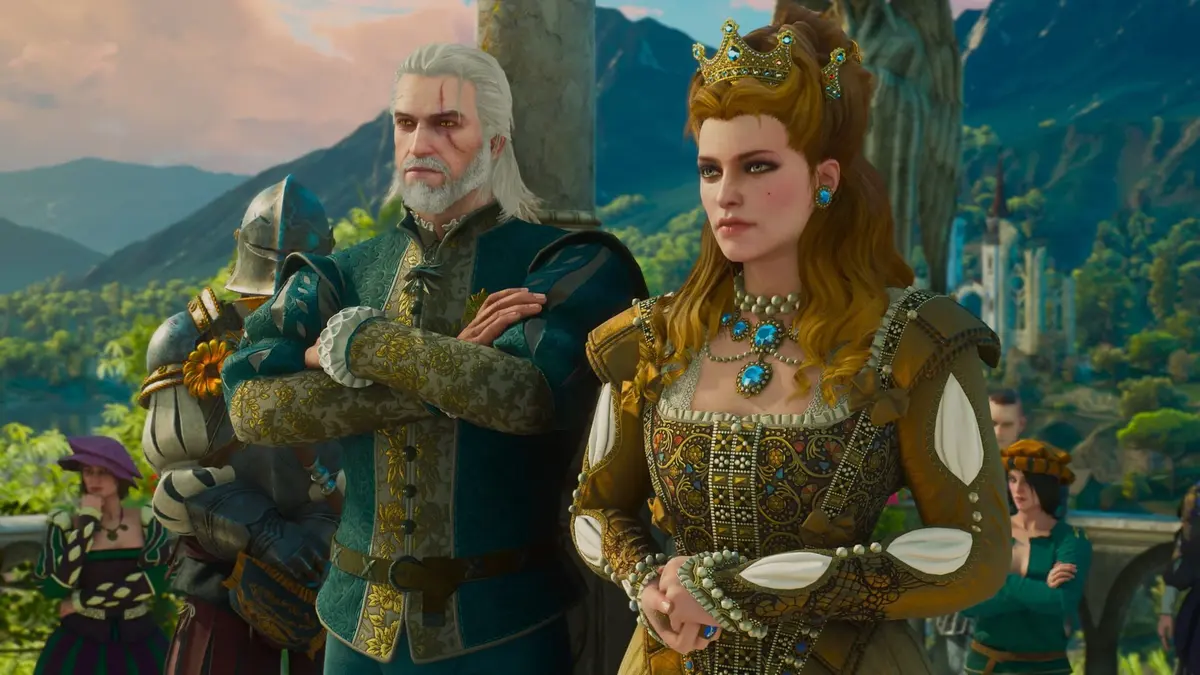
The skill-tree rework matters more than ray tracing
Ray tracing will make screenshots expensive-looking. A skill-tree rework can change how the game feels for dozens of hours. That is where this update earns or loses its “Remastered” label.
The current feature list includes revamped abilities and character progression, enhanced combat, new combat finishers, and movement improvements. Those changes put build planning back on the table: early skill priorities, respec timing, slot limits, and the value of Combat, Signs, and Alchemy all depend on the final numbers CD Projekt Red ships. For anyone rusty on the jargon, Signs are Geralt’s magic abilities, while Alchemy builds lean on potions, oils, and mutagens rather than pure sword damage.
The original game’s progression had plenty of room for friction. Skills could be unlocked yet remain inactive without being slotted, while build experimentation often arrived later than players wanted. A meaningful rework should make viable builds clearer earlier without sanding down the distinction between a sword-focused Geralt, a sign-heavy caster, and an alchemy monster fueled by potions and mutagens. If it merely moves menus around, then “revamped” is doing some overtime.
The adaptive camera deserves similar scrutiny. Camera distance and follow behavior affect mounted travel, group fights, dodge timing, and visibility in cramped interiors. That sounds like a quality-of-life bullet point until a close camera causes a forest full of enemies to hide behind Geralt’s shoulders. The final options menu matters as much as the feature announcement: players need control over the camera, not a new default they must tolerate.
Ray tracing is welcome, but performance settings will decide its value
PC, PlayStation 5, and Xbox Series X|S players get the obvious technical headline: ray tracing, updated textures, foliage shading changes, and an expanded photo mode. PlayStation 5 Pro support and Xbox Play Anywhere support are also part of the package.
On consoles, the first practical decision will be whether the remaster offers separate Performance and Quality modes, and what each costs in frame rate during heavy combat and dense outdoor areas. The exact Xbox Series X and Series S frame-rate targets have not been detailed. Neither has the full ray-tracing feature set, including whether the upgrade focuses on reflections, shadows, global illumination, or some mix of the three.
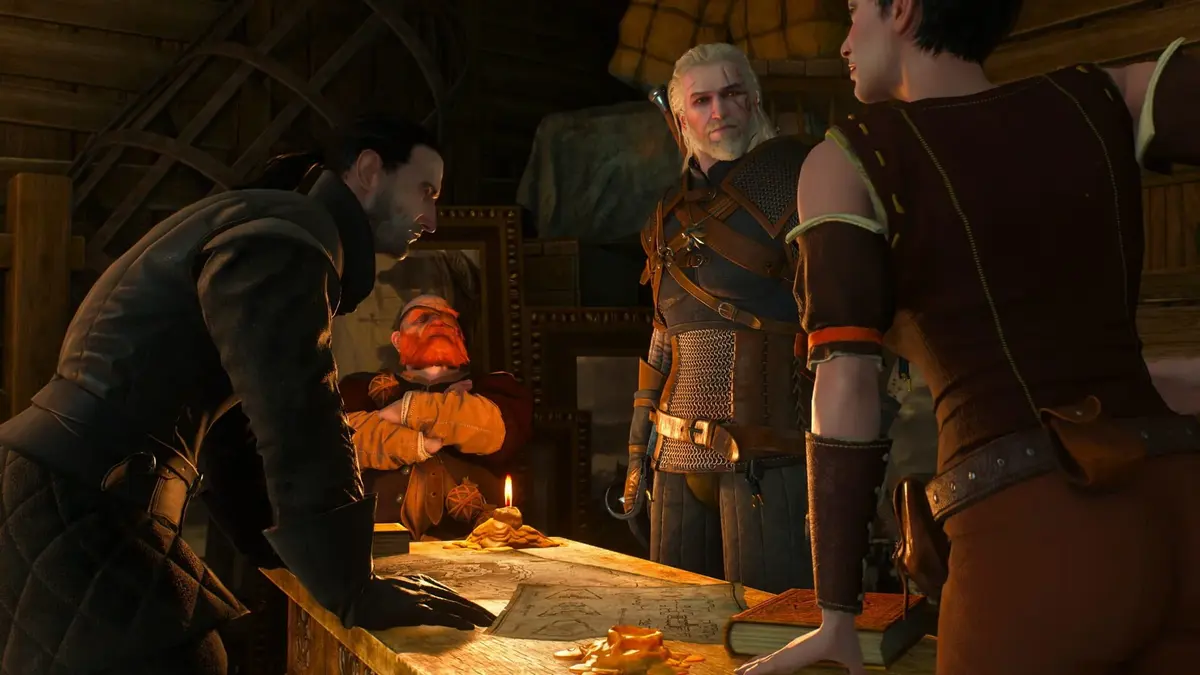
That distinction is not nitpicking. The Witcher 3 is full of rain-slick streets, torchlit rooms, moving foliage, and fast combat. Better lighting is useful. Sacrificing responsiveness for a reflection in a puddle is a harder sell. PC players will also want to see how Nvidia DLSS and AMD FSR are implemented before treating ray tracing as the default way to play.
Photo mode, by contrast, is easier to place. It is an exploration and screenshot tool, not a progression system. Nobody is leveling faster because the sunset over Skellige now looks immaculate. Nice feature, wrong place to look for the heart of the remaster.
The 2027 expansion is the bigger signal behind this refresh
CD Projekt Red is not dusting off The Witcher 3 solely for a farewell lap. The Witcher 3: Wild Hunt — Songs of the Past is set for 2027, taking Geralt to the new region of Letten and introducing previously unseen monsters. It also brings in “the chain,” a weapon built for crowd control and combat variety that ties back to the first game’s introduction.
That makes the remaster a staging ground, not a museum pass. The combat, traversal, camera, and progression changes need to stand up before CD Projekt Red asks players to buy another Geralt adventure. The studio has made an old game newly relevant before, but bolting fresh content onto a beloved RPG is a more delicate job than raising texture resolution. Players will immediately notice if the new systems improve the campaign or merely make the old balance feel strange.
What to check when the update goes live
- On Xbox first, confirm that the account in question actually owns the base game. A disc install, a shared console setup, or an inherited old install is not the same thing as a clean ownership license.
- If that Xbox copy is digital, make sure Hearts of Stone and Blood and Wine appear in the library or add-on list for the same account that owns the base game.
- If that Xbox copy is disc-based, open the Store pages for Hearts of Stone and Blood and Wine and verify that the account can claim the free entitlements before assuming they are already attached.
- On Xbox Series X|S, verify the remastered upgrade separately from the DLC. One is the September 29 graphics-and-systems upgrade; the other is the library entitlement for the two expansions.
- On PC and PlayStation 5, confirm both expansions are present under the account that owns the base game, then check for the September 29 remaster download rather than assuming everything arrives as one neat storefront package.
- On consoles, look for Performance and Quality settings before enabling ray tracing, then test combat responsiveness in crowded fights rather than judging the patch by the first puddle you find.
- Review the skill tree before committing to an old build plan. Unlock costs, slots, and ability rules may have changed enough to punish muscle memory.
- Test the adaptive camera during mounted travel, enclosed fights, and enemy swarms, then change it immediately if options are available. Camera friction becomes combat friction very fast.
- Watch for final patch notes and day-one fixes on September 29, especially for save compatibility and any platform-specific feature differences.
The core offer on September 29 is difficult to argue with: existing owners get a free remaster, Hearts of Stone, Blood and Wine, and a second reason to revisit one of the generation’s defining RPGs. The meaningful test begins after the download, when the new skill tree and combat changes have to prove they improve the game rather than decorate it.
FinalBoss // Gear
Level up your setup
01Best-selling Xbox Series X|S gameson Amazon→02Xbox controllerson Amazon→03Top-rated gaming headsetson Amazon→04Discounted game keyson Kinguin→
Affiliate links · As an Amazon Associate, FinalBoss earns from qualifying purchases.
Want to Level Up Your Gaming?
Get access to exclusive strategies, hidden tips, and pro-level insights that we don't share publicly.
Ultimate Gaming Strategy Guide + Weekly Pro Tips