
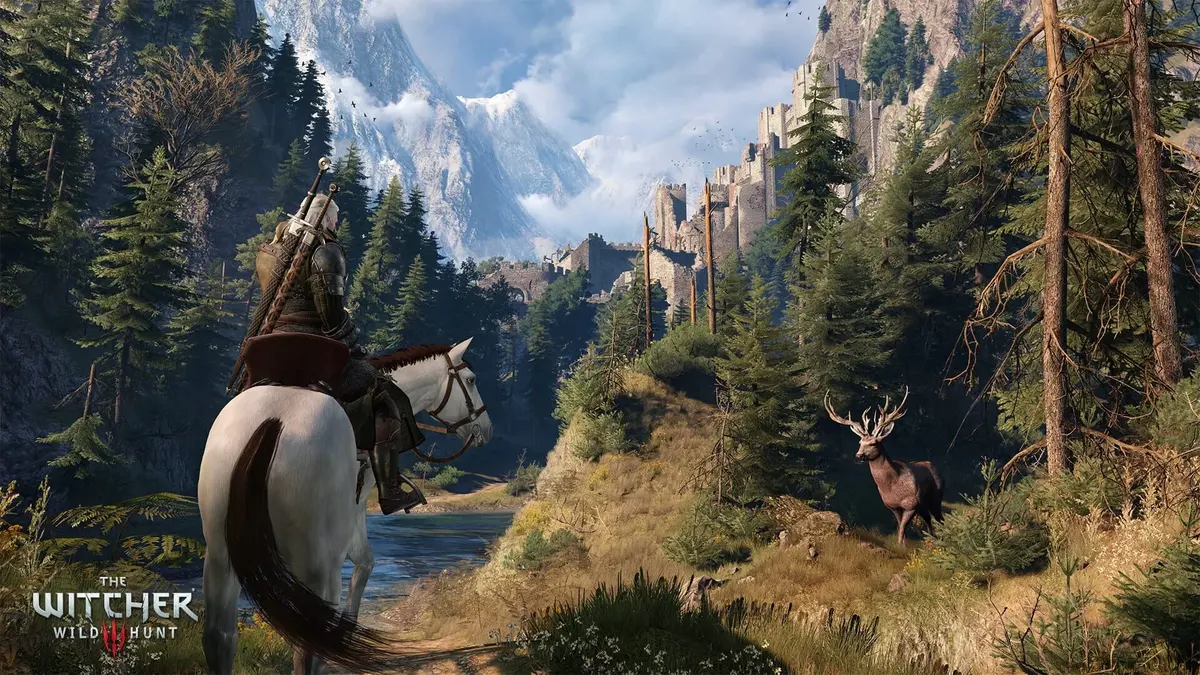
The first adjustment is camera discipline: use the close view to read one opponent, then change your priorities the moment the view pulls back for a group. The Witcher 3: Wild Hunt Remastered combat system still relies on timing, spacing, defense, and Signs, but its improved framing and enemy behavior punish the old habit of committing to the enemy directly in front of Geralt.
Table of Contents (10)
What Changed in Witcher 3 Remastered Combat
The core sword-fighting structure remains familiar. Geralt still needs to create an opening, strike during recovery, and move before the next threat takes control of the exchange. The remaster improves how clearly the game presents that loop rather than replacing it with a new action system.
- Adaptive combat camera: the camera stays closer in smaller encounters and pulls back when multiple enemies are involved.
- Improved target-lock switching: moving the camera while locked on transfers focus between nearby enemies more reliably.
- Smoother attack flow: Geralt transitions more cleanly from movement into attacks, changes of direction, and post-strike recovery.
- Better gap-closing attacks: reaching an enemy feels less stiff, with fewer awkward pauses between movement and swordplay.
- New finisher animations: executions have more visual variety, including finishers that incorporate Witcher Signs.
- Reworked ordinary monsters: non-boss enemies have revised attack patterns, counterattacks, movement, reactions, flight behavior, and interactions with effects.
The important distinction is that smoother movement does not make long attack strings safe. Geralt can close distance more cleanly, but a second enemy can still interrupt him while he is committed to an attack, finisher, or recovery animation.
Use the Adaptive Camera as Combat Information
The adaptive camera is the most meaningful quality-of-life change because it changes what you can see before you act. In a duel, the closer framing makes individual animation cues easier to read. Watch for a missed swing, a delayed recovery, or an exposed approach, then take a short punish instead of starting a long sequence.
When several enemies join the fight, the camera pulls back to show more of the field. Treat that wider view as a warning that the fight has changed. The enemy Geralt is facing may be recovering, but another monster can already be entering striking range from the edge of the screen.
- In a one-on-one fight, stay close enough to read the enemy’s wind-up and recovery.
- When the camera widens, check both sides of Geralt before committing to a long attack.
- Keep moving after landing a hit against a group; a successful strike does not create safety around Geralt.
- Circle around the outside of a crowd instead of stopping in its center and allowing enemies to surround you.
- Use open ground to reset the enemy formation when several creatures begin attacking from different angles.
The common trap is assuming the wider camera has solved crowd-control on its own. It gives you more information, but you still need to use that information. If an enemy appears at the screen edge, interrupt your attack plan, reposition, and deal with the threat that can reach Geralt first.
Lock On for Duels, Release It for Crowds
Target lock is more useful in the remaster because switching between nearby targets responds better to camera movement. Use it when one dangerous opponent needs your full attention, especially when precise spacing matters or the target is mobile enough to punish loose positioning.
Do not remain locked onto a nearly defeated enemy while another attacker is closing from the side. Move the camera toward the immediate threat and switch before it reaches Geralt. The improved system makes this transition cleaner, but it still requires an intentional choice; it will not make a bad target priority disappear.
- Keep lock-on active in a duel, when tracking one fast opponent, or when you need to maintain a specific distance.
- Switch targets as soon as a fresh enemy enters attack range or begins a threatening animation.
- Release lock-on when several enemies occupy different angles and you need a broad view to escape or reposition.
- Avoid tunnel vision on low-health targets. Finishing one creature is rarely worth taking a hit from the one approaching behind Geralt.
This is where returning players need the biggest habit change. Older combat rhythm often encouraged finishing the current target before looking elsewhere. In remastered combat, the better move is often to abandon that target temporarily, avoid an incoming attack, and punish whichever enemy has exposed itself.
Use Smoother Movement Without Overcommitting
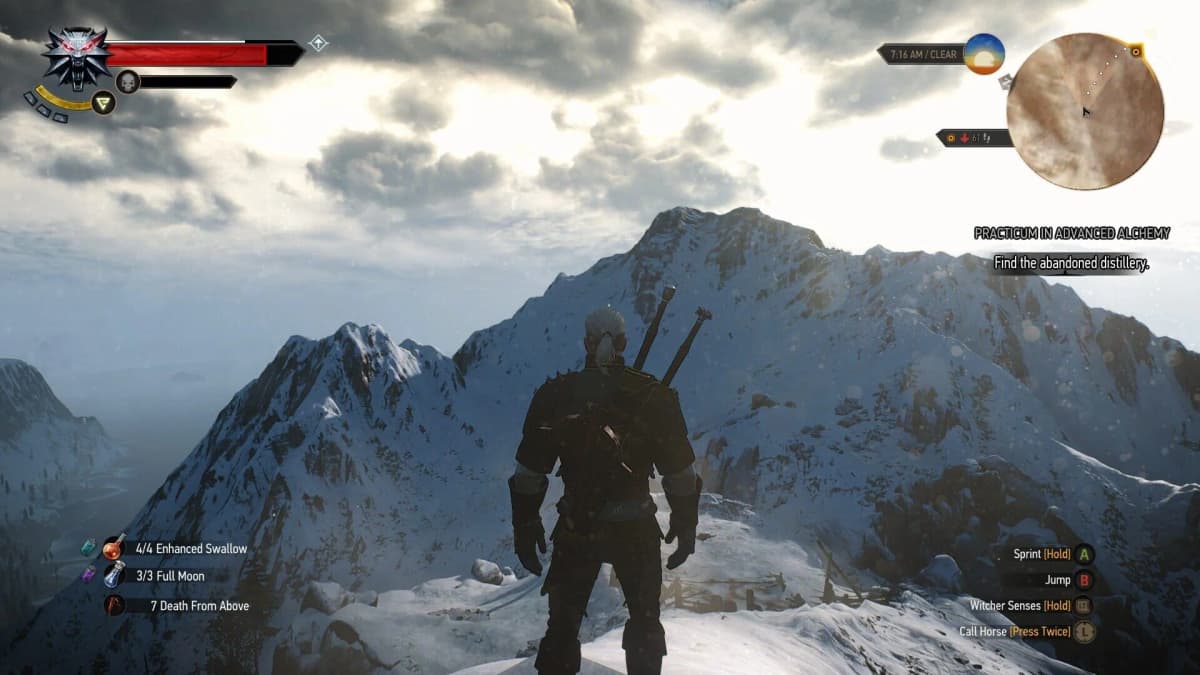
Geralt’s attacks now connect more naturally with his movement. Gap-closing feels smoother, direction changes are less abrupt, and recovery after a strike flows more cleanly into repositioning. That makes short, controlled exchanges stronger than constant aggression.
Close distance when an enemy has missed, finished an attack, or exposed itself during an approach. Land a brief punish, then move away before nearby enemies regain initiative. The improved animation flow helps you enter and leave those windows efficiently; it does not turn every forward attack into a safe way to travel across the battlefield.
Against a single target, the reliable rhythm remains read, defend, punish, and reset. Against several targets, add a battlefield check before the punish. If the camera has widened and another enemy is moving into range, take the safer reposition instead of chasing extra damage.
Expect More Counterattacks and Reactions From Ordinary Monsters
Non-boss monsters are less routine in the remaster. Their revised behavior affects attack patterns, movement, reactions, counterattacks, flight behavior, and responses to effects. Familiar enemies such as wolves and drowners should be treated as opponents to re-read rather than creatures solved by a memorized sequence from the 2015 release.
Start the first exchange cautiously. Watch how the enemy approaches, whether it disengages after a strike, how quickly it recovers, and whether repeated pressure draws a counterattack. Once the current behavior is clear, punish the openings it gives you instead of forcing the timing you remember.
- Do not repeat the same attack-and-dodge rhythm until you have seen how that enemy is currently reacting.
- Respect counterattacks after repeated pressure, especially when another monster can capitalize on Geralt’s recovery.
- When a creature retreats or changes position, resist the urge to chase through a crowd.
- Against flying or highly mobile enemies, prioritize awareness and a clean approach over pursuing them into uncontrolled space.
- Use Signs and effects to create a safer opening, then watch the enemy’s response before extending the attack.
Ordinary enemies remain weaker than bosses, but groups become more dangerous because their behavior creates pressure from several directions. The remaster asks you to manage the formation, not simply remove targets one at a time.
How to Handle Witcher 3 Remastered Finishers
The Witcher 3 Remastered finishers add more execution animations, including Sign-linked variations. They make repeated encounters look better, but they do not change the basic tactical rule: an execution is only safe when the rest of the encounter is under control.
Before committing to a finisher opportunity in a group fight, check whether another enemy is already close enough to attack. A dramatic execution can leave Geralt transitioning back into combat while the surviving monsters are still active. If the field is crowded, keep moving and finish the remaining threats through normal attacks instead of chasing an animation.
Finishers work best as the result of good positioning. Separate the group, remove immediate threats, and let executions happen when they do not compromise the next exchange.
Best Fight Pattern for Duels
In a one-on-one encounter, the remaster’s closer camera and improved lock-on make deliberate defense more rewarding. Keep the enemy centered, watch its full attack animation, and use its recovery as your damage window.
- Lock onto the dangerous target.
- Maintain spacing that lets you see its attack start rather than reacting after the strike is already underway.
- Evade or defend according to the incoming attack.
- Close in during the opponent’s recovery.
- Land a short punish, then reset your position instead of forcing a longer chain.
Smoother gap-closing makes the fourth step more reliable, but it does not erase recovery risk. If the opponent has not clearly committed to an attack or recovery, wait rather than using a forward attack to force the issue.
Best Fight Pattern for Groups
Group encounters are where the remaster’s combat changes matter most. The wider camera gives you the information needed to avoid flanks, while improved target switching lets you respond to a new threat without fighting the lock-on system.
- Move around the outside of the pack so enemies line up instead of surrounding Geralt.
- Prioritize any monster already in striking distance over a distant enemy with low health.
- Change targets when a new enemy begins an attack or moves into immediate range.
- Attack enemies recovering from missed strikes, then reposition before the group closes again.
- Release lock-on when maintaining a wide view matters more than tracking one target precisely.
Long attacks and finishers become the main risk in a crowd because they hold Geralt in place. The clean group-fight loop is move, bait an attack, punish the recovery, and move again. The remaster makes this loop clearer and smoother, but it still demands restraint.
Is Witcher 3 Remastered Combat Better?
Yes. The adaptive camera improves awareness, target switching is less awkward, and Geralt’s movement into attacks is more fluid. More reactive behavior from ordinary monsters also makes familiar encounters less repetitive.
Players who disliked the original game’s stiff transitions or poor visibility in crowd fights benefit the most. Players expecting a completely rebuilt action system should set their expectations correctly: the fundamentals remain recognizably The Witcher 3, with stronger presentation, better control over target selection, and enemy behavior that demands more attention.
Combat Camera and Targeting Settings
The gameplay settings include modern and original-style options for camera and combat behavior. Use the adaptive presentation if you want the remaster’s clearer duel framing and wider group awareness. Original-style preferences remain useful for players who strongly prefer the older presentation, but they reduce the benefit of the remaster’s most practical combat improvement: seeing the full danger state of a crowded encounter before Geralt commits.
The effective remastered approach is consistent across encounters: read the camera, choose the threat that matters now, take short punish windows, and reassess whenever enemies reposition. That is the adjustment that turns smoother combat animations and better target switching into safer, more controlled fights.
FinalBoss // Gear
Level up your setup
01Top-rated gaming headsetson Amazon→02High-refresh gaming monitorson Amazon→03Gaming chairson Amazon→04Discounted game keyson Kinguin→
Affiliate links · As an Amazon Associate, FinalBoss earns from qualifying purchases.
Want to Level Up Your Gaming?
Get access to exclusive strategies, hidden tips, and pro-level insights that we don't share publicly.
Ultimate Guide Strategy Guide + Weekly Pro Tips