
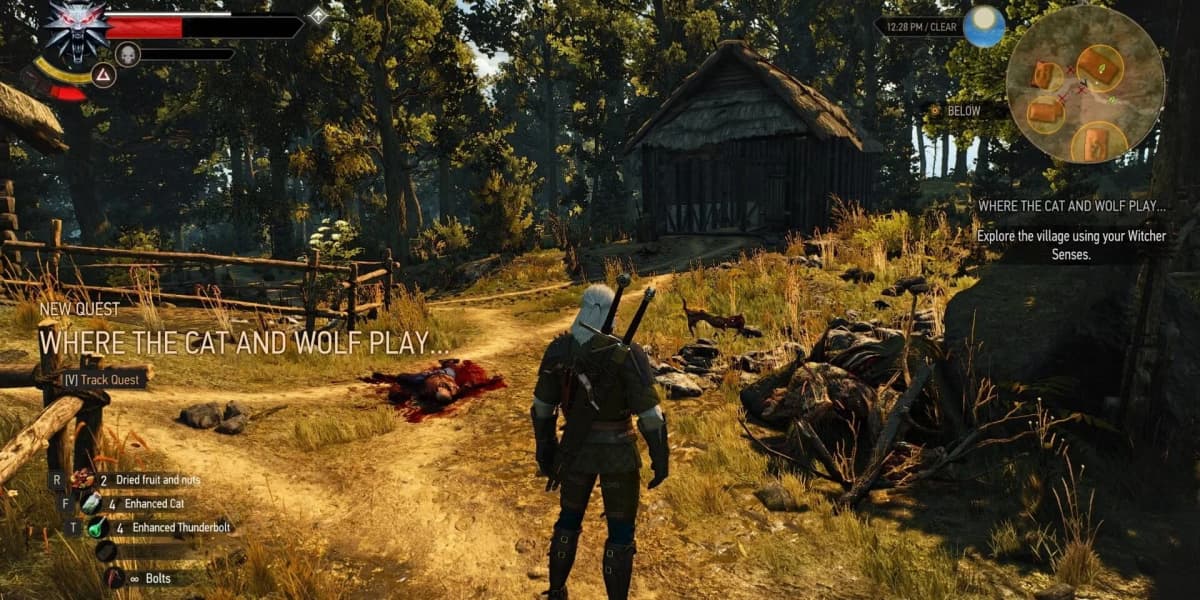
Six Witcher School sets cover the full combat spectrum in The Witcher 3: Wild Hunt: Griffin, Cat, Bear, Wolf, Viper, and Manticore. Four of them — Griffin, Cat, Bear, and Wolf — form a long progression path from Basic through Enhanced, Superior, Mastercrafted, and eventually Grandmaster equipment. Viper and Manticore arrive as high-level expansion gear, with no equivalent multi-tier upgrade ladder.
The practical rule is simple: choose a school for the way you take damage and deal damage, then collect its diagrams as Geralt reaches the relevant region. Trying to complete every set immediately wastes crowns, rare crafting materials, and inventory space. The diagrams remain useful, but the gear has level requirements and each higher crafting tier increases the resource cost.
Table of Contents (17)
Choose a Witcher Gear Set by Combat Role
Armor weight matters because it changes the balance between protection and stamina regeneration. Light armor supports agile melee play, medium armor supports flexible Sign and weapon use, and heavy armor favors direct survivability. The table below is the fastest way to identify the correct Scavenger Hunt to prioritize.
| School set | Armor weight | Primary combat value | Best use case | Main drawback |
|---|---|---|---|---|
| Griffin | Medium | Sign intensity and stamina regeneration | Igni, Yrden, and Quen-focused builds; sustained control fights | Less raw melee damage and armor than specialist sets |
| Cat / Feline | Light | Fast attacks, critical hits, mobility | Bandits, soldiers, low-armor targets, short aggressive fights | Low armor; mistakes against archers and area attacks are costly |
| Bear / Ursine | Heavy | Armor, damage reduction, strong attacks, Quen synergy | Large monsters, bosses, and fights where Geralt will take hits | Lower stamina regeneration and reduced flexibility for Sign-heavy play |
| Wolf / Wolven | Medium | Balanced attacks, bleeding, signs, and stamina | General exploration and mixed enemy groups | No extreme advantage in a single combat category |
| Viper | Medium | Poison damage and poison resistance | Hearts of Stone content, toxin-heavy encounters, damage-over-time play | Expansion-locked and missing one sword can permanently weaken the set |
| Manticore | Medium | Maximum toxicity, alchemy utility, critical hits | Bomb, potion, decoction, and critical-hit builds | Its full value depends on maintaining consumables |
How Witcher Gear Acquisition Works
Witcher gear is crafted equipment. Finding a diagram does not place the finished armor or sword in Geralt’s inventory. Each diagram must be taken to the appropriate armorer or blacksmith, then crafted with crowns and the listed materials, which commonly include leather, ingots, monster parts, and rarer components at higher tiers.
- Buy a Witcher School map from merchants or loot a relevant letter, note, or diagram during exploration.
- Open
Journal → Secondary Quests → Scavenger Huntand track the school quest. - Follow the markers to recover the diagrams for the current tier.
- Visit an armorer for armor pieces and a blacksmith for steel and silver swords.
- Craft the Basic version before investing in Enhanced, Superior, Mastercrafted, or Grandmaster upgrades.
Critical point: a full outfit requires four armor pieces and two swords. Leaving one diagram behind means an incomplete combat package and, at Grandmaster level, prevents the complete set-bonus setup. Grandmaster school gear uses three-piece and six-piece bonuses, so a partial collection loses much of the reason to pursue the final tier.
Witcher Gear Progression Route by Region
The base-game schools are positioned along the main campaign’s regional progression. Their Basic sets generally begin in the mid-teens, roughly level 11 to 16, while later upgrades move through the 20s and 30s. This route prevents the common mistake of chasing diagrams in regions Geralt cannot yet access or equip effectively.
- White Orchard: collect the early Viper steel and silver sword diagrams if you want strong opening weapons.
- Velen: begin Griffin gear, then continue its higher tiers through Velen and Novigrad.
- Novigrad: begin Cat gear and collect further Feline upgrades across Novigrad and Velen.
- Skellige: begin Bear gear after sea travel unlocks; its diagrams are spread over multiple islands.
- Kaer Morhen: begin Wolf gear when the story opens the region during the later second act.
- Hearts of Stone: pursue the high-level Viper armor and weapons through its quest line, beginning around the mid-30s.
- Blood and Wine: visit Beauclair at level 40 or above for Manticore and Grandmaster school gear in Toussaint.
Griffin School Gear: Signs, Control, and Stamina
Griffin is the correct early commitment for a Sign-focused Geralt. It is medium armor with bonuses built around Sign intensity and stamina regeneration, allowing more frequent Quen shields, stronger Igni pressure, and more useful Yrden zones. Its protection is adequate for long fights, but it expects Geralt to prevent damage with Signs and positioning rather than absorb repeated hits.
Start Scavenger Hunt: Griffin School Gear in Velen. The Basic Griffin diagrams are primarily found in and around Dragonslayer’s Grotto, north of Crookback Bog. Enhanced, Superior, and Mastercrafted diagrams continue through Velen and Novigrad, with each stage sending Geralt to caves, ruins, guarded treasure sites, and other marked locations.
For the final version, travel to Beauclair in Blood and Wine and speak with master armorer Lazare Lafargue. His quest, “Master Master Master!”, begins the Grandmaster search. The six Grandmaster Griffin diagrams are split between Fort Ussar ruins and Mont Crane castle in Toussaint, where Draconids and a Golem guard the route.
Use Griffin against groups, specters, and drawn-out monsters where repeated Quen, Igni, and Yrden applications create more value than a single heavy weapon combo. It also provides a forgiving survival pattern for players who prefer controlling the pace of a fight from medium range.
Cat School Gear: Fast Attacks, Critical Hits, and Mobility
Cat, also called Feline gear, is light armor for high-speed melee. Its value comes from fast attack damage, critical-hit potential, and the stamina recovery needed to keep dodging and attacking. It performs efficiently when Geralt can maintain pressure, especially against humanoids and lower-armor targets.
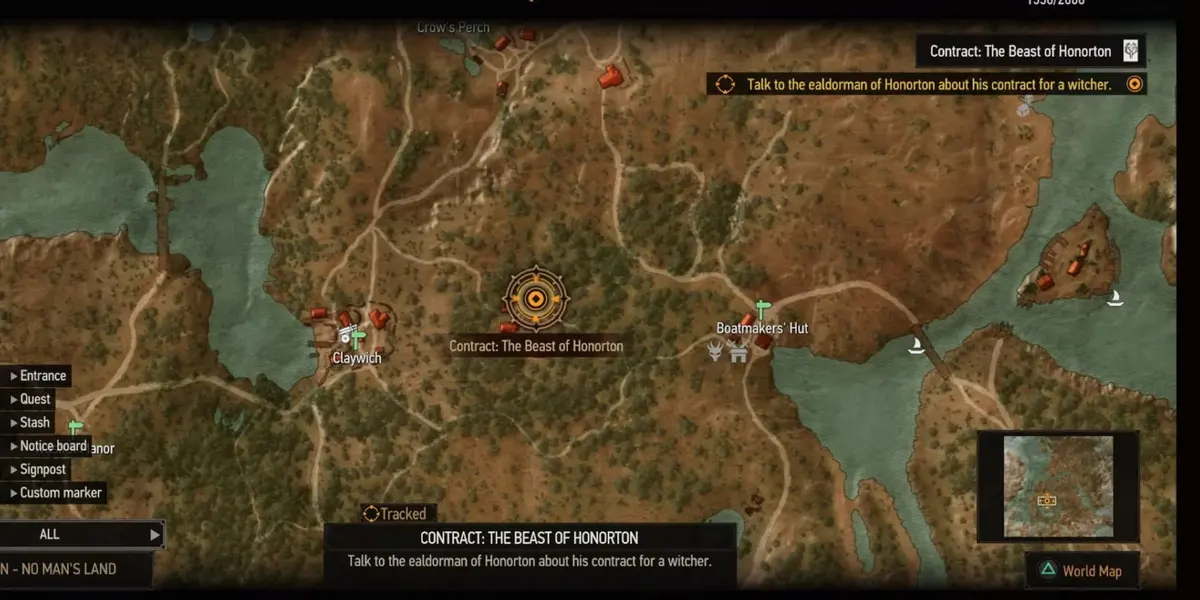
Begin Scavenger Hunt: Cat School Gear in Novigrad. The Basic diagrams sit beneath the city in an underground cave system. This route contains traps and awkward platforming, so use the Scavenger Hunt markers carefully rather than treating the area as a straight combat dungeon. The Enhanced, Superior, and Mastercrafted Feline diagrams are spread across Novigrad and Velen, often behind locked doors, in bandit sites, ruins, and monster nests.
Grandmaster Feline gear is in Toussaint. Lazare Lafargue starts the search, while Arthach Palace Ruins in northern Toussaint form the central location. The route uses a broken bridge and a nearby cave; several diagrams are stored in a leather bag, including the armor, trousers, gauntlets, and both sword diagrams.
Cat gear has the clearest survival trade-off. It kills quickly when dodges are clean, but the low armor punishes arrows, explosive attacks, and monster area damage. Keep Quen active before committing to a fast-attack string, and disengage after a short punish instead of extending a combo through an enemy’s counterattack.
Bear School Gear: Heavy Armor and Reliable Survival
Bear, or Ursine gear, is the survival-first school. Its heavy armor provides the strongest protection among the Witcher sets, while its bonuses favor strong attacks and a Quen-centered approach. Bear gear is built for encounters where avoiding every hit is unrealistic: trolls, fiends, golems, and large bosses that can punish light armor severely.
Start Scavenger Hunt: Bear School Gear in Skellige. The Basic diagrams are on An Skellig, north of Urialla Harbor. The upgrade routes then spread across the Skellige islands, using caves, ruins, and guarded treasure sites. The sword diagrams are part of the same overall search and are frequently guarded by stronger enemies than the early Velen routes.
Grandmaster Ursine diagrams are all in Toussaint and are obtained through Lazare Lafargue’s Grandmaster quests. Keep the Bear set as a complete six-piece project if you plan to use it into endgame content; its durability has more value when the armor, swords, and Grandmaster bonuses are working together.
The cost is stamina efficiency. Heavy armor is a poor fit for a build that relies on constant Sign casting or extensive kiting. Bear works best when Geralt uses Quen before entering range, absorbs limited damage safely, and answers openings with deliberate strong attacks rather than long fast-attack chains.
Wolf School Gear: The Best General-Purpose Set
Wolf, or Wolven gear, is medium armor designed around versatility. It combines balanced attack bonuses, bleeding effects, moderate Sign support, and practical stamina management. It is the least specialized school, which makes it effective during general exploration where a single contract can include armored humans, fast beasts, and larger monsters.
Begin Scavenger Hunt: Wolf School Gear after Kaer Morhen becomes available in the later main story. The Basic diagrams are scattered through the Kaer Morhen area, while Enhanced, Superior, and Mastercrafted diagrams remain around the fortress region and nearby caves, ruins, and watchtowers. The school’s steel and silver swords follow the same regional route.
Grandmaster Wolven gear is acquired in Toussaint through Lafargue’s Grandmaster chain. Expect site-specific puzzles and high-level enemies rather than a direct trip to a single chest. Bring the materials and crowns to craft immediately after recovering the diagrams; leaving the set unfinished reduces the benefit of completing the hunt.
Wolf is the safest default for a run that does not want to respec around one mechanic. Bleeding helps improve damage over time against high-health targets, while the medium armor profile leaves room for sword work, Signs, and defensive movement. It does not outperform Griffin at dedicated Sign play or Bear at absorbing damage, but it rarely creates a bad matchup.
Viper School Gear: Poison Damage and the Important Choice Lock
Viper gear has two separate acquisition phases. The early Viper steel and silver sword diagrams can be found in White Orchard, giving Geralt useful opening weapons. The full Viper armor set is part of Hearts of Stone, where it becomes high-level medium armor intended for late-game use.
The Hearts of Stone Viper armor is level 39 and tied to the “Open Sesame!” quest in Velen. Countess Mignole is a key merchant for the armor and steel sword diagrams. Treat this segment as a collection checklist: progression through the expansion changes access to key interactions, so waiting until the quest line is over can leave the set incomplete.
Permanent miss warning: the Viper Venomous Silver Sword requires Geralt to agree to help Olgierd von Everec during “Whatsoever a Man Soweth.” Refusing that request forfeits the sword for the current playthrough. This is the only Witcher gear decision that should be planned before selecting a dialogue outcome.
Viper swords apply poison on hit, while the armor offers near immunity to poison. This makes the set particularly effective in toxic environments and against enemies vulnerable to damage over time. Its medium armor offers useful protection, though Ursine remains the more reliable answer to heavy physical damage. Viper gear does not upgrade through Enhanced, Superior, or Mastercrafted tiers after it is acquired.
Manticore School Gear: Alchemy, Toxicity, and Consumable Value
Manticore is the late-game alchemy school. Its medium armor supports maximum toxicity, critical-hit potential, and consumable-oriented play. It becomes significantly stronger when Geralt uses potions, decoctions, oils, and bombs as a regular combat system rather than as emergency items.
All Manticore diagrams are in Toussaint and are tied to Lazare Lafargue’s school gear quests in Beauclair. The diagrams are distributed through caves, ruins, and quest-related locations across the region. Manticore enters the game at its final level of progression, so it has no Basic-to-Mastercrafted ladder comparable to Griffin, Cat, Bear, or Wolf.
Use Manticore when alchemy is already carrying a large part of the build. The extra toxicity capacity allows more ambitious decoction use, while bombs and potions provide both offense and defense. Its armor is balanced rather than exceptional, so its survival value comes from preparation: defensive potions, healing options, damage reduction effects, and quick access to crowd-control bombs.
Grandmaster Gear and Lazare Lafargue’s Role
Blood and Wine, released on 31 May 2016, adds the Grandmaster tier in Toussaint. Beauclair master armorer Lazare Lafargue is the central NPC for this content. Speaking to him starts “Master Master Master!” and related Grandmaster gear searches for Griffin, Cat, Bear, and Wolf, while also leading into the Manticore collection route.
- Grandmaster diagrams are all located in Toussaint.
- Grandmaster crafting is intended for level 40-plus progression.
- Higher-tier gear requires substantial crowns and rarer materials.
- Grandmaster sets are where full three-piece and six-piece set bonuses become relevant.
- Viper remains a high-level Hearts of Stone set and does not receive this multi-tier path.
Do not sell Witcher diagrams, even if they belong to a school you are not currently wearing. A later build change can turn an ignored set into the correct answer for a difficult contract, and Grandmaster crafting depends on having completed the lower progression chain for the relevant school.
Where “Where the Cat and Wolf Play…” Fits
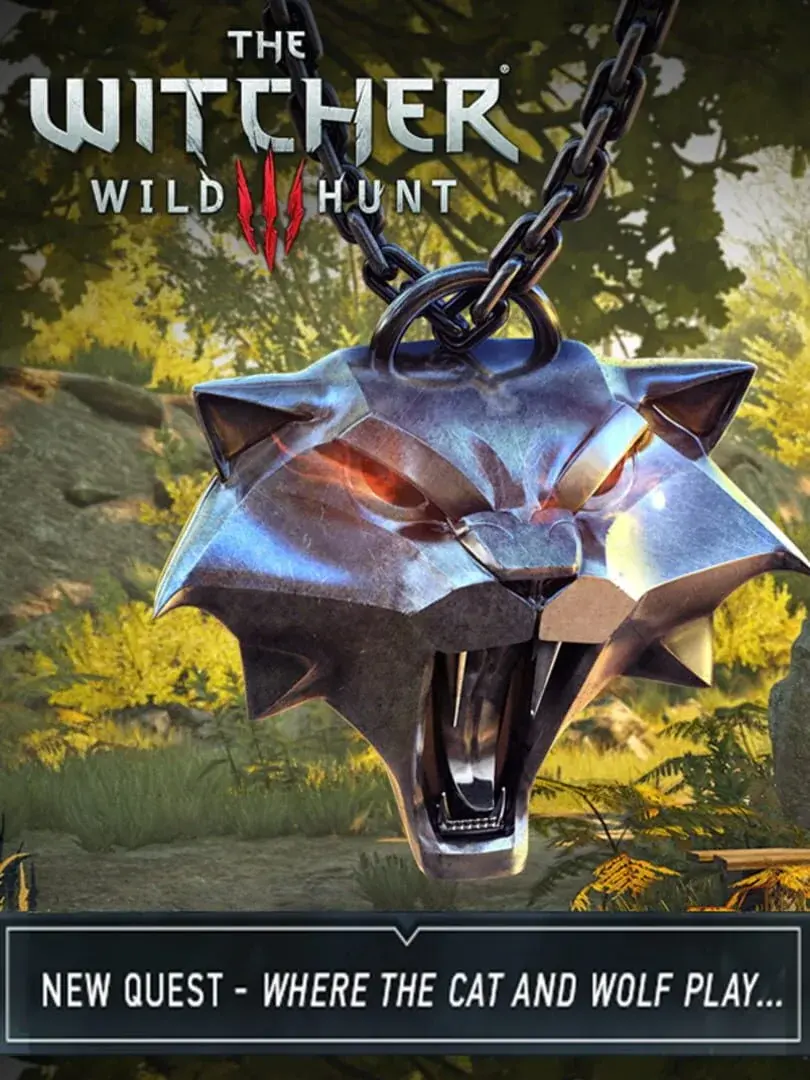
“Where the Cat and Wolf Play…” is additional quest content involving Witchers associated with the Cat and Wolf Schools. It provides narrative context for the contrast between the two combat identities: Cat gear favors a lethal, lightly armored, aggressive style, while Wolf gear supports a broader and more balanced Witcher toolkit.
The quest is not required to craft Cat or Wolf gear. Treat it as context for the schools rather than a diagram route. Cat diagrams still begin beneath Novigrad, and Wolf diagrams remain tied to Kaer Morhen and the standard Scavenger Hunt progression.
Common Witcher Gear Problems and Their Fixes
The Scavenger Hunt Is Missing
Buy the school map from a merchant, loot notes during exploration, or find an initial diagram to activate the associated entry. Then check Journal → Secondary Quests → Scavenger Hunt. Some gear routes remain unavailable until Geralt can reach Skellige, Kaer Morhen, or Toussaint.
The Diagram Is Found but the Item Cannot Be Crafted
Check four conditions: the required player level, the correct crafting NPC, the required predecessor tier, and the materials. Higher Witcher gear often stalls because of rare metals, monster components, mutagens, or crafting fees rather than the diagram itself.
The Set Is Incomplete
Recheck the armor count and sword count. A complete Witcher school collection means chest armor, gauntlets, trousers, boots, a steel sword, and a silver sword. Viper requires additional care because its Hearts of Stone silver sword is tied to the Olgierd decision during “Whatsoever a Man Soweth.”
Older Stat Tables Do Not Match the Current Game
The next-generation update and later 4.0-era patches retained the core diagram routes, school identities, and expansion requirements. Exact stat percentages, resistances, and set-bonus wording can vary slightly between older references and current versions. Use the in-game crafting preview as the final check before spending rare materials on a Grandmaster piece.
Best Survival Choice at Each Stage of the Game
| Situation | Recommended school | Reason |
|---|---|---|
| Early Velen and Sign-heavy combat | Griffin | Medium armor, strong stamina flow, and more dependable Quen, Igni, and Yrden use |
| Fast melee against humans and weaker targets | Cat | Fast attacks and critical hits end short fights quickly when dodging is reliable |
| Hard-hitting monsters and sustained boss damage | Bear | Highest armor, strong attacks, and Quen synergy reduce the punishment for unavoidable hits |
| General contracts and mixed enemy groups | Wolf | Balanced medium armor supports swords, Signs, bleeding, and flexible tactics |
| Hearts of Stone toxin-focused content | Viper | Poison application and near poison immunity create a specialized late-game advantage |
| Prepared endgame alchemy builds | Manticore | Higher toxicity and alchemy utility improve decoction, potion, bomb, and crit-based play |
For a first complete progression route, collect Griffin in Velen, choose Cat or Bear based on whether mobility or protection matters more, then use Wolf once Kaer Morhen opens if a balanced setup is preferable. Reserve Viper and Manticore for their expansion content, and keep the Olgierd choice in mind before attempting a complete Viper collection.
FinalBoss // Gear
Level up your setup
01Top-rated gaming headsetson Amazon→02High-refresh gaming monitorson Amazon→03Gaming chairson Amazon→04Discounted game keyson Kinguin→
Affiliate links · As an Amazon Associate, FinalBoss earns from qualifying purchases.
Want to Level Up Your Gaming?
Get access to exclusive strategies, hidden tips, and pro-level insights that we don't share publicly.
Ultimate Guide Strategy Guide + Weekly Pro Tips