
Why Sapkowski’s Voice Is Missing from The Witcher 4
Game intel
The Witcher 4
The Witcher IV is a single-player, open-world RPG from CD PROJEKT RED. At the start of a new saga, players take on the role of Ciri, a professional monster sla…
The Real Story Behind Sapkowski’s Distance From The Witcher 4
Whenever a beloved universe shifts hands between its original author and a game studio, tension flares: “Is it still true to the source?” or “Will the lore drift off course?” That’s exactly why Andrzej Sapkowski’s recent admission—he’s “hardly ever consulted” on CD Projekt Red’s upcoming The Witcher 4—carries weight. Internally codenamed Polaris, this next chapter promises a bold new direction: without the author in the writer’s room, CDPR’s creative team has a freer hand, but fans are left asking how much will change.
The 2019 Settlement and Its Consultation Clause
Back in 2019, Sapkowski and CD Projekt Red reached a landmark settlement to resolve a long-running dispute over adaptation rights and royalties. As part of that agreement, a clause was reportedly included to give Sapkowski consultation privileges on new Witcher projects. On paper, the author could offer feedback on story outlines, character arcs, and world-building details. In practice, he’s barely heard from.
In a May 2024 interview with Newsweek Polska, Sapkowski explained: “I know almost nothing about the game beyond general information. There is virtually no consultation between me and the developers. These days, if they ask me anything, it’s so rare it’s not even worth mentioning.” He added that personal relations remain “excellent,” stressing this distance is a creative choice rather than a legal battlefield.
Breaking Down Sapkowski’s Comments
- Minimal Communication: Questions from CDPR, if any, occur so infrequently he barely notices them.
- No Creative Overhaul: The studio carried on developing its own Witcher canon in The Witcher 1–3 era, and this feels like an extension.
- Healthy Relationship: Sapkowski describes his rapport with CDPR as positive, framing the arrangement as mutual trust.
CDPR’s Witcher trilogy was never a line-by-line adaptation of the novels. Instead, the studio borrowed characters, themes, and snippets of lore before launching entirely new story arcs. The same approach applies to the Netflix series, which diverges significantly from both books and games. Multiple interpretations can coexist, as long as each retains the soul of Sapkowski’s world.
What This Means for The Witcher 4 Narrative
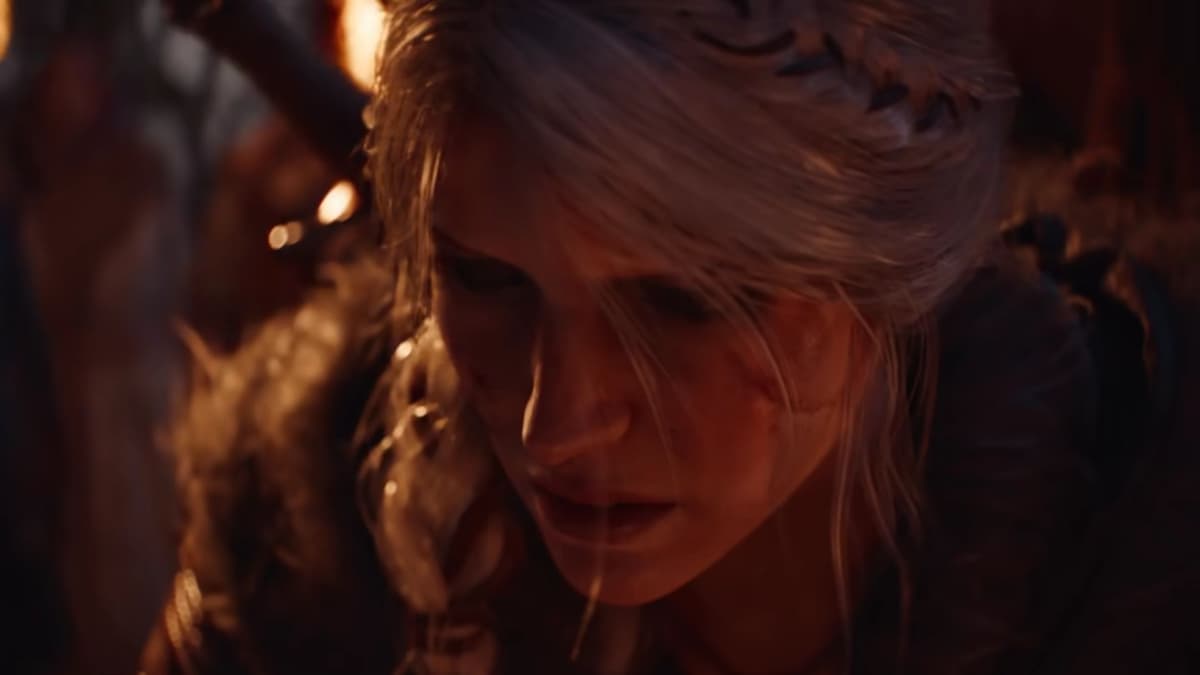
The biggest rumor swirling around Polaris is a Ciri-led storyline. Fans have championed using Ciri’s Elder Blood powers in a full-length game ever since The Witcher 3 downloadable expansions showcased her mobility and magic. According to insiders, CDPR is prototyping blink-style teleports, agile hit-and-run mechanics, and quest structures tailored to a character who can shift between dimensions.
If Ciri anchors the next saga, several narrative hurdles arise:
- Canon from Witcher 3’s Endings: With three major conclusions in the previous game, which timeline does CDPR canonize? Will they declare one “true” ending, time-skip beyond the conflict, or embrace ambiguity?
- Soft Reboot vs. Continuation: A time-skip of a few years could sidestep loose story threads, while a soft reboot might refresh the series for new audiences.
- Authorial Anchor Points: Without Sapkowski’s direct input, CDPR will rely on its internal lore bible and veteran writers who understand the world’s moral complexity.
This creative autonomy mirrors CDPR’s track record: The Witcher 3 succeeded by letting developers craft quests that felt organic—like the Blooody Baron arc or the haunting vineyard side mission in Hearts of Stone. But it also carries risk. Cyberpunk 2077’s troubled launch was less about lore and more about overambition, missed milestones, and a lack of realistic production checks.
Lessons From Other Franchise Transitions
Across media, worlds pass from one creative team to the next. The Netflix adaptation of The Witcher diverged in tone and timeline, sometimes upsetting book purists, but it attracted millions of new fans. HBO’s Game of Thrones deviated severely from George R.R. Martin’s unpublished books, sending shockwaves through its audience. More recently, Amazon’s The Lord of the Rings: The Rings of Power built fresh stories on Tolkien’s legendarium with mixed reactions. And look at The Expanse: when Syfy adapted the novels, the showrunners respected the core themes while innovating to fit episodic TV. These examples show that authorial distance can yield innovation—provided new storytellers honor the essence of the source.
Who’s Shaping the Next Witcher Saga?
Key signatures to watch in early previews and credits:
- Narrative Leads: Are veterans from Witcher 3—writers and quest designers who crafted Geralt’s moral grey choices—returning to helm Polaris’s storyline?
- Quest Direction: Will the team behind standout Witcher 3 side missions be tapped for new arc design?
- World-Building Experts: Which lore specialists are building the in-game encyclopaedia and dialogue trees?
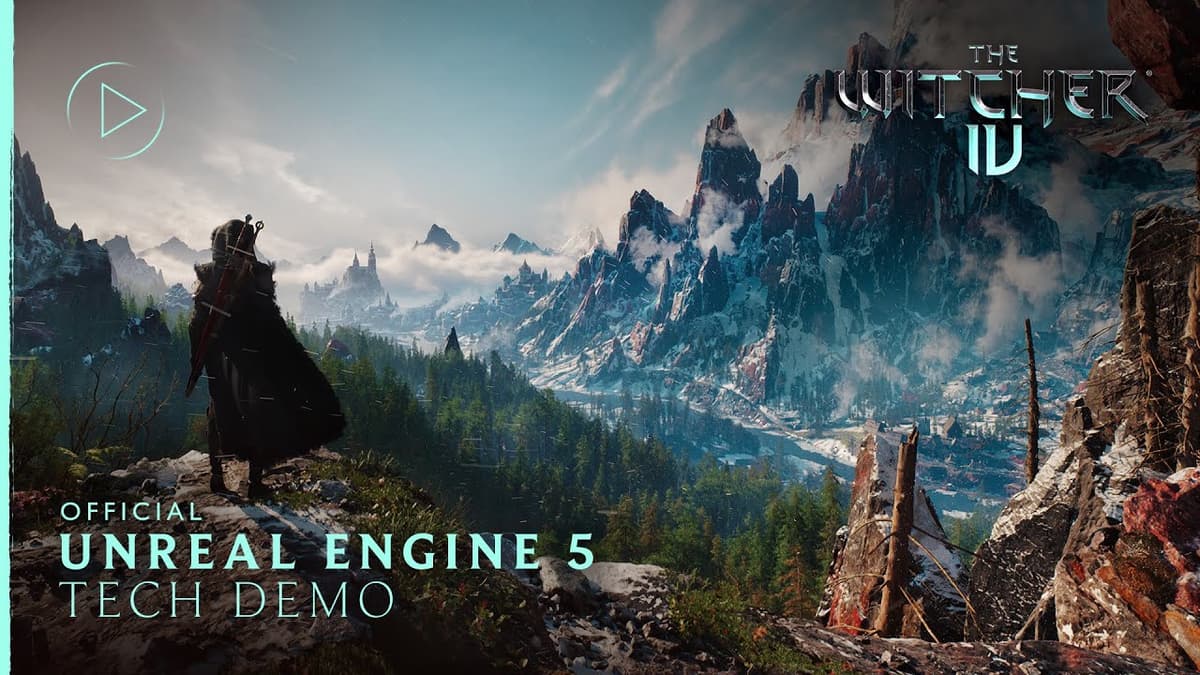
CDPR has publicly confirmed Polaris runs on Unreal Engine 5. That switch signals a long development runway, but also a need for disciplined milestone reporting. Fans should track investor calls and community updates: tighter communications suggest lessons learned from Cyberpunk 2077’s dust-up.
Risks of Minimal Author Input
Even with the best of intentions, forging ahead without the author’s guiding hand can invite pitfalls:
- Continuity Contradictions: Small nods to book events—like a mention of Ciri’s future or Olgierd von Everec—could misalign with new narrative beats.
- Fan Backlash: Hardcore lore aficionados may decry deviations as sacrilege if they feel the world’s moral fabric unravels.
- Missed Depth: Sapkowski’s prose is thick with ambiguous philosophy and folklore. Without direct consultation, narrative threads risk flattening nuanced themes into video-game tropes.
Why I’m Optimistic
Despite these risks, I believe CDPR’s creative freedom can birth the Witcher saga’s most daring chapter yet. Let them chase bold mechanics—blink portals that reshape traversal, dynamic world events triggered by Ciri’s latent power, or a time-bending quest that mirrors her Elder Blood heritage. If they stitch these innovations into the world’s moral grey tapestry, they’ll honor Sapkowski’s spirit more than any literal adaptation could.
What Gamers Should Watch For
Instead of asking “Is Sapkowski in the writers’ room?” keep your eyes on:
- Which narrative and quest leads gain public profiles.
- How CDPR resolves Witcher 3’s multiple endings—soft reboot, declared canon, or branching saga.
- Previews of combat and traversal systems hinting at Ciri’s unique toolkit.
- Milestone updates showcasing project discipline post-Cyberpunk.
Conclusion: Autonomy Over Imitation
For me, the magic of The Witcher games has always lain in CDPR’s willingness to experiment. I’d rather they chase audacious ideas—moral dilemmas wrapped in folklore puzzles—than replicate Sapkowski’s prose beat for beat. If Polaris ups the ante with a fresh protagonist, new mechanics, and a tight narrative core, authorial distance becomes a feature, not a bug. Sapkowski retains his literary canon; CDPR retains its game-first vision. Fans gain a universe that grows richer, however far it diverges.
TL;DR
- Sapkowski says he’s “hardly ever consulted” on The Witcher 4 despite the 2019 agreement.
- CDPR is continuing its own Witcher canon, possibly focusing on Ciri or a new Witcher.
- Watch narrative leads, handling of multiple endings, new mechanics, and milestone discipline.
- Creative autonomy could yield the boldest Witcher saga yet—if CDPR honors the world’s moral complexity.