
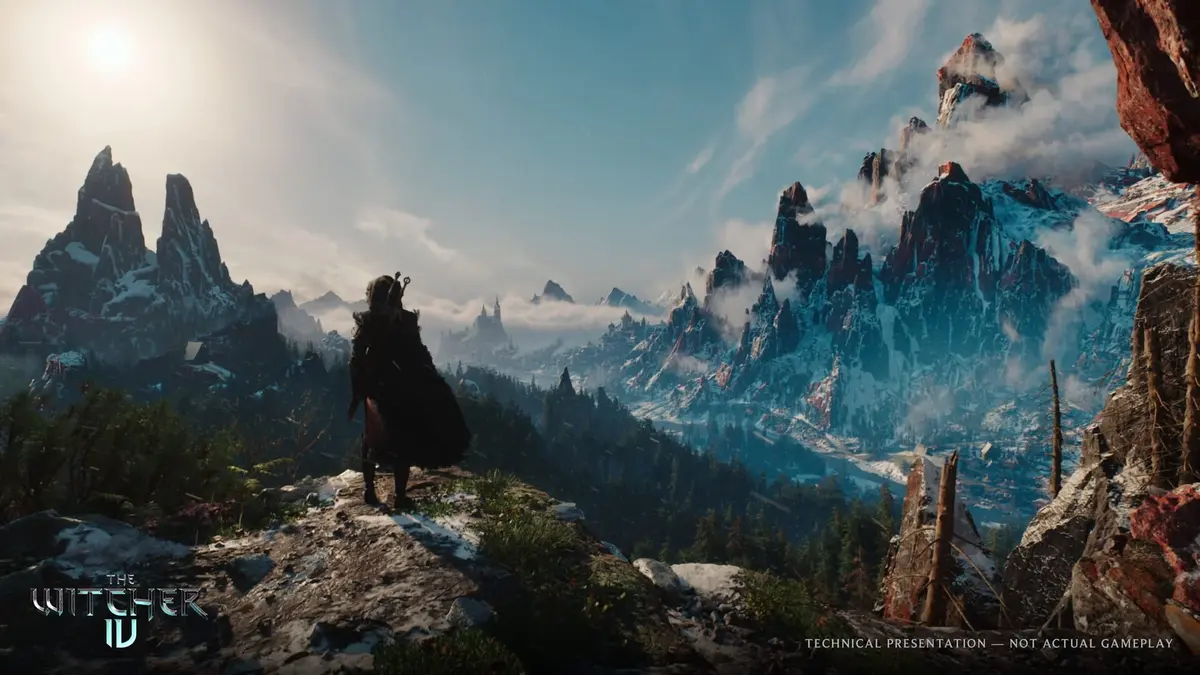
For decades, collector’s editions came with an uncomplicated bargain: pay extra for the statue, art book, steelbook, map, soundtrack, and a playable copy of the game. The extras made the package feel special; the game gave the package its reason to exist. Sony’s July 1, 2026 decision to stop producing discs for new PlayStation releases from January 2028 has blown that bargain apart.
CD Projekt Red joint-CEO Michał Nowakowski has said The Witcher 4 will still “have a box” for collectors, even under Sony’s planned disc cutoff. That sounds reassuring until you stop treating the word box as a synonym for game. It settles the packaging question. It leaves the ownership question completely open.
My position is simple: CDPR deserves credit for refusing to abandon tangible collector items, but players should refuse to treat a collector’s box as a physical edition until the company states exactly what playable media sits inside it. A premium package with a download code can be a handsome piece of memorabilia. It carries none of the practical ownership value that people associate with a disc.
Table of Contents (5)
“A Box” Is a Promise About Packaging, Not Playability
Nowakowski has been clear about the limit of CD Projekt Red’s control. The studio cannot dictate first-party PlayStation disc-manufacturing policy. If Sony ends new PlayStation disc production in January 2028 as planned, CDPR cannot magically press a PlayStation disc for The Witcher 4 anyway.
That makes the current promise narrowly honest. CDPR can still make a collector-style box with tangible “feelies” inside. It can include an art book, a steelbook, a map or card, a statue, or other franchise keepsakes. None of those items answer the one question that determines whether buyers are purchasing playable physical media or a decorative delivery vehicle for a digital entitlement.
As of August 2026, CDPR has not confirmed whether The Witcher 4’s PlayStation collector package will include a disc, a download code, or another format. It has not announced the exact contents, platform split, price, or release date either. The game has been discussed in connection with a 2028 launch window, which is precisely why this wording matters so much. January 2028 is the line where “physical edition” becomes a phrase that needs a receipt attached.
What buyers have right now is not format clarity but a placeholder. A boxed collector release can still be a perfectly real product. It can also be a very expensive way of selling merchandise plus a license. Those are not the same thing, and the whole problem is that the language is soft enough to blur them together until money has already changed hands.
Sony’s policy does not erase discs that already exist, and it does not affect games already released or already scheduled for a disc release before the January 2028 cutoff. That protection offers little comfort for a future game whose final release timing and PlayStation format remain unannounced. The uncertainty sits squarely on the edition that collectors are being asked to imagine before there is a product page detailed enough to judge.
Three Listing Phrases, Three Very Different Purchases
Retail language is about to do a lot of damage if players let it. “Physical,” “collector’s,” and “boxed” will sound interchangeable to anyone skimming a store listing. They are no longer interchangeable. Here is the difference that should decide whether the collector premium makes sense.
| What the listing says | What the buyer receives | What it means for ownership |
|---|---|---|
| Disc included | A game disc alongside the collector items. | The strongest format for lending, resale, collecting, and preserving access. Players must still check whether installation, launch, or updates require an online connection. |
| Download code included | A code card that grants a digital license, plus the collector items. | The code is generally single-use. Access depends on account ownership, redemption rules, and the continued availability of the relevant digital storefront. |
| Collector’s box / physical edition | Only a promise of packaging and unspecified contents. | Nothing meaningful can be assumed. The package may contain a disc, a code, collectibles only, or some combination of those items. |
That last row is the dangerous one because it lets every buyer project their preferred meaning onto the same vague phrase. Disc collectors read “physical edition” and imagine media. Merchandise collectors read it and imagine a premium keepsake. Publishers get the benefit of both audiences while disclosing less than either one should accept.
The middle row is where the industry wants language to do the work of a real product. A code in a premium box still gives the buyer something tangible to display. It does not give them a transferable copy of The Witcher 4. Once redeemed, the game is tied to an account. The collector can keep the statue, steelbook, and art book, while the playable component becomes inseparable from a platform license.
That difference hits hardest years later. A disc can be lent to a friend, sold with the rest of a collection, or preserved as media even if a storefront changes direction. A redeemed code has no second life. Its resale value drops to zero the instant it is used, while the box becomes a merchandise bundle that happened to arrive with a digital purchase.
Collectors Are Being Asked to Pay for the Least Important Part
I buy collector editions when the entire object feels worth preserving. That means the game matters as much as the memorabilia. A spectacular statue does not rescue a package that withholds the basic information needed to know how the software is delivered and whether the buyer can use it without being tethered to a particular account ecosystem.
The ugly trick here is that collector branding encourages buyers to focus on scarcity. Limited stock. Numbered editions. Expensive figures. Fancy boxes. Those are emotional pressure points, and publishers know preorders happen when people fear missing out. Meanwhile, “disc included” can remain absent from the listing because the headline still technically promises a physical collector’s edition.
That is bullshit. A collector’s edition should disclose its functional core with the same prominence as its statue dimensions. If the box contains a code, say so in bold text. If the game disc requires online activation, say so in bold text. If the disc contains only part of the game and requires a substantial download, say so in bold text. Buyers should never need to decode ownership terms from a product image or wait for a retailer to update a vague description after preorders have opened.
And no, a glamour shot of the box is not enough. A steelbook in a promo image tells you nothing about whether a disc exists. A render of a voucher card tells you nothing if the listing text never names it. If a publisher wants collector-edition money, the minimum standard is a written contents list precise enough that nobody has to play detective with zoomed-in screenshots.
CDPR has a particular responsibility here because The Witcher is exactly the sort of series people want to keep. These are games players return to, display, lend, and preserve. The studio has spent years building trust through richly made worlds and collector appeal. It should understand that its audience does not want a prettier box for a disposable access token.
The Disc Still Needs to Be Treated as a Product Feature
A disc alone does not solve every preservation problem. Modern games can ship with incomplete builds, massive patches, server checks, and account requirements. Anyone pretending a plastic disc automatically guarantees permanent offline access is overselling it. But that reality makes transparency more urgent, not less.
The standard for The Witcher 4 should be higher than “there is something physical in the box.” Players need to know whether the disc installs the full game, whether it launches offline after installation, whether it requires a PlayStation account entitlement check, and whether the playable build depends on a day-one download. Those are ownership facts. They deserve the top line of the product description.
This is what annoys me most about the “box” framing: it demotes the game medium to fine print when the medium changes the value of the whole purchase. We would never treat language options, online requirements, or included DLC as too trivial to disclose. The install and ownership format belongs in that same category. It is not collector trivia. It is the feature that tells you what, exactly, you are buying.
A download code creates a different set of risks. It requires redemption through the relevant account and storefront. It cannot be loaned like a disc. It cannot be resold once used. It can also turn a collector edition into a strange split purchase: a permanent shelf object bundled with a license whose usefulness depends on systems outside the buyer’s control.
There is no shame in buying that package if the physical extras are worth the asking price. Plenty of people collect boxes, art, statues, and steelbooks because they love the world attached to them. The problem begins when a code-in-box product is marketed to people who believe they are protecting their ability to own and preserve the game itself. Those are different purchases, and they should be sold as different purchases.
What Players Should Verify Before Paying for The Witcher 4 Collector’s Box
Until CD Projekt Red publishes the final contents, the collector’s edition remains a packaging promise. Any future listing for The Witcher 4 should clear these five checks before it earns preorder money.
- Platform: Confirm whether the package is specifically for PlayStation and whether the contents differ across PlayStation, PC, or other versions.
- Game format: Look for the exact words “disc included” or “download code included.” Treat “physical edition” and “collector’s box” as incomplete descriptions.
- Contents list: Demand a written inventory covering the game medium, steelbook, art book, statue, soundtrack, map, voucher, code card, and every other advertised item.
- Offline function: Check whether the game can install and launch without account verification, online activation, or a mandatory download after installation.
- Resale reality: A single-use code has no meaningful resale value after redemption. A disc-based package has far more flexibility, even if its long-term usefulness still depends on the game’s technical requirements.
I would add one practical rule to that list: trust text before art. Retail mockups change. Marketing images hide details. Fine print gets updated late. A product page that clearly states the medium is more valuable than any cinematic unboxing trailer or carefully lit hero shot of a steelbook.
CD Projekt Red should keep the box. Tangible collector packages are worth preserving, especially for a series with this kind of history and visual identity. But the company should stop short of letting “physical” become a sentimental euphemism for “digital license with merchandise.”
My rule is brutally straightforward: no explicit disc confirmation, no assumption of physical ownership, and no collector preorder based on the word “box.” The January 2028 PlayStation cutoff has made that standard necessary. For The Witcher 4, the object on the shelf matters. The playable game inside it matters more.
FinalBoss // Gear
Level up your setup
01Top-rated gaming headsetson Amazon→02High-refresh gaming monitorson Amazon→03Gaming chairson Amazon→04Discounted game keyson Kinguin→Affiliate links · As an Amazon Associate, FinalBoss earns from qualifying purchases.
Want to Level Up Your Gaming?
Get access to exclusive strategies, hidden tips, and pro-level insights that we don't share publicly.
Ultimate Gaming Strategy Guide + Weekly Pro Tips