
Could The Witcher: Legacy Forge Your Ultimate Witcher Saga?
Game intel
The Witcher: Legacy
The Witcher IV is a single-player, open-world RPG from CD PROJEKT RED. At the start of a new saga, players take on the role of Ciri, a professional monster sla…
When CD PROJEKT RED teamed up with Go On Board for Old World, I wasn’t expecting the depth and replayability they delivered. Too often, board game tie-ins feel like cash grabs, but Old World proved true ambition still thrives in licensed titles. Now, The Witcher: Legacy is gearing up for its Gamefound launch, promising an even richer legacy system, fresh monsters, and narrative twists that ripple across dozens of sessions. Lore-hungry gamers and collectors, buckle up: this one might be the board game equivalent of a career-spanning saga.
Quick Facts
- Type: Story‐driven adventure board game
- Players: 1–4 (solo or cooperative)
- Mechanics: Branching campaigns, resource management, narrative choices, tactical monster battles
- Setting: Kingdom of Kaedwen, Wolf School conspiracies
- Developer: Go On Board in collaboration with CD PROJEKT RED
- Crowdfund: Launching soon on Gamefound
- Release: Expected in 2026 after successful crowdfunding
- Early-Backer Perk: Exclusive Gorgon miniature
Why Legacy Matters
Legacy mechanics have become the gold standard for narrative board games, but few nail the balance between permanence and fresh surprises. In The Witcher: Legacy, each decision you make—from sparing a rogue mage to burning evidence of a conspiracy—can seal off entire branches of the storyline or open hidden mission chains deep in Kaedwen’s frozen forests. After dozens of sessions with Old World, I saw firsthand how a single choice reshaped my hero’s destiny; now, Legacy promises even higher stakes. This isn’t just campaign play—it’s a living chronicle of your Witcher’s rise (or fall).
Core Mechanics at a Glance
- Exploration: Discover new map tiles one session at a time, each with unique story hooks, hidden lairs, and resource caches.
- Monster Hunts: Engage in tactical combat against classic Witcher beasts—and that early-backer-only Gorgon adds a petrifying twist to every battle.
- Resource Management: Juggle supplies, alchemy ingredients, and skill upgrades; neglect one facet, and your hero could face dire consequences in the next mission.
- Branching Narrative: Choices aren’t just window dressing—they lock or unlock future scenarios, making each playthrough a one-of-a-kind epic.
Legacy in Action: A Personal Anecdote
In a recent playtest, my group opted to rescue a captured villager instead of plundering the nearby crypt for loot. That single act unlocked a side quest where we allied with a faction of exiled witchers—only to discover they harbored a dark secret. Months later (in-game time), that choice resurfaced when the exiles betrayed us, forcing a desperate battle at the edge of a glacial ravine. Moments like these, born from simple decisions, make Legacy feel like a personalized saga that adapts to your play style.
Want to Level Up Your Gaming?
Get access to exclusive strategies, hidden tips, and pro-level insights that we don't share publicly.
Ultimate Gaming Strategy Guide + Weekly Pro Tips
Collector’s Corner: The Gorgon Miniature
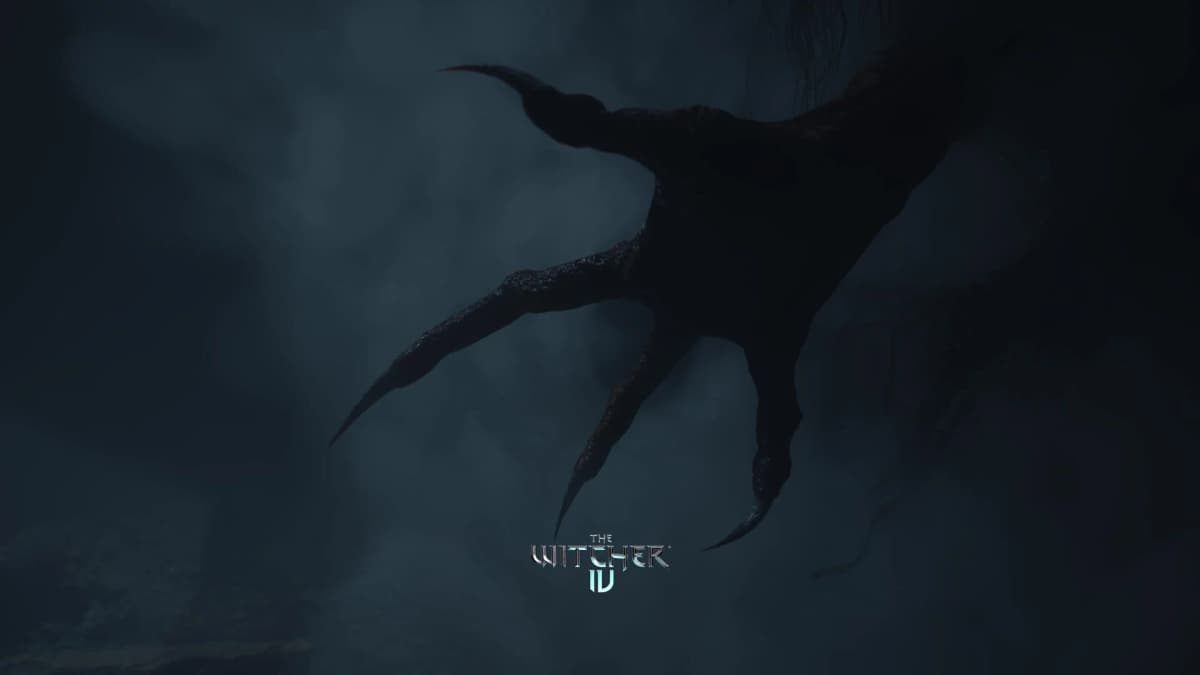
Early backers snag an exclusive Gorgon miniature that goes beyond shelf appeal. This creature introduces a new combat mechanic: its petrifying gaze can freeze a Witcher’s action deck, forcing you to expend extra stamina or use rare antidotes to break free. On the table, the sculpt captures every sinew and snarling jaw—no recycled molds here. For collectors, it stands as proof Go On Board aims to expand the Witcher bestiary, not just rehash crowd favorites.
Crowdfund Watchpoint
If there’s one hiccup in my mind, it’s stretch goals. Old World bloated over time with add-ons until tracking them became a quest in itself. I’ll be keeping an eye on Legacy updates to make sure each new tier brings meaningful story content or unique gameplay twists, rather than filler tokens or overpriced deluxe trays. After all, no one wants to back a campaign only to feel nickel-and-dimed by deluxe pack DLC in physical form.
Should You Back It?
If you live and breathe Witcher lore, crave interconnected campaigns, and want your choices to echo across multiple sessions, The Witcher: Legacy is poised to deliver. Its pedigree—Go On Board’s knack for atmosphere plus CD PROJEKT RED’s storytelling—looks strong on paper. That said, if you prefer light-one-and-done scenarios or get fatigued by sprawling narratives that demand dozens of hours, temper your enthusiasm. The foundation is solid; execution will hinge on how well the legacy elements and monster variety hold up through playtesting and crowdfunding stretches.
Final Thoughts
The Witcher: Legacy seems ready to raise the bar for tabletop adaptations, blending evolving stories with tactical depth. Its legacy system promises a personal saga that carries weight. Keep an eye on the Gamefound launch—if it lives up to its ambition, this could be the definitive Witcher board game experience.