
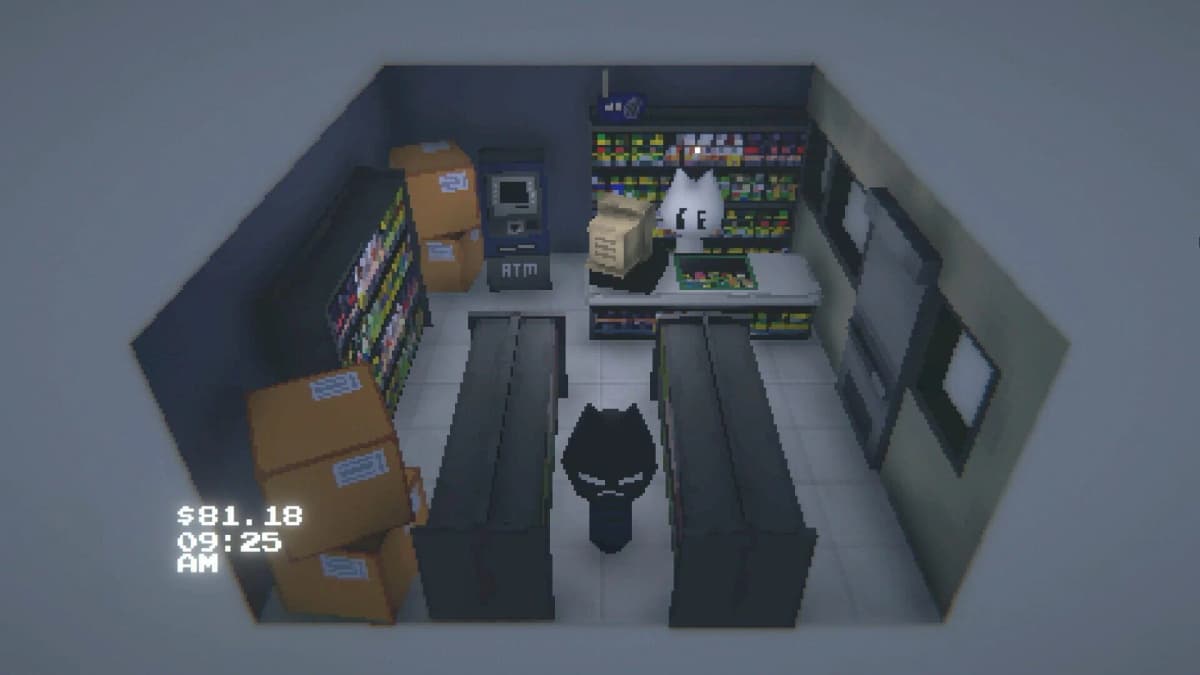
Easy Delivery Co. has the exact kind of setup that usually attracts modders early: a cozy core loop, a little systemic chaos, and plenty of room for players to start asking, “What if this was faster, stranger, harsher, or completely unbalanced?” That part is no longer theoretical. The game already has a visible mod footprint across at least two public ecosystems, with a dedicated Easy Delivery Co. category on Thunderstore and a game page on Nexus Mods that lists 15 mods. That does not mean the scene is mature, but it does mean it exists.
This ranking is deliberately strict. I’m not inventing dream mods, wishlist overhauls, or Steam-thread fantasies about drift packs and horror conversions. Those ideas are clearly in the community conversation, but public evidence right now points to an early-stage scene centered more on tools, toggles, and gameplay bending than on giant content expansions. So what earns a spot here is simple: it has to be a verifiable mod type, toolset, or install route that fits the currently documented Easy Delivery Co. scene.
The short version is that Thunderstore looks like the more tooling-heavy hub, especially for menu-driven changes to speed, visuals, and gameplay parameters, while Nexus looks like a smaller but still real parallel ecosystem with at least 15 listed mods. There is no clean, authoritative “best mod” consensus yet, so the most honest way to rank the scene is by the kinds of mods that currently change the game the most – and by where players should actually look first.
Table of Contents (10)
1. Mod Menu Frameworks
If you only install one kind of Easy Delivery Co. mod right now, make it a mod menu framework. Thunderstore’s own category description is the clearest public clue we have about where the scene stands: the current ecosystem already includes a mod menu capable of changing speed, visuals, and other gameplay parameters. In other words, the backbone of this mod scene is not a total conversion or a giant content pack. It’s a control panel. That matters, because in an early modding scene, menus usually do more real work than flashy one-off tweaks.
This category earns the top spot because it gives you the most leverage for the least effort. Instead of committing to one narrow adjustment, a good menu-style mod lets you poke at the whole game’s mood and difficulty: faster runs, weirder presentation, softer pressure, or pure nonsense. It is also the cleanest entry point for players who want to experiment without building a huge loadout. The tradeoff is obvious. Framework-style mods are powerful, but they can make the game feel less authored and more like a sandbox lab. If you want handcrafted new missions or map expansions, this isn’t that. If you want to push Easy Delivery Co. until it squeaks, this is the smartest starting point. Installation source: Thunderstore.
2. Speed-Up Tweaks
Speed modifiers are one of the most instantly noticeable ways to change Easy Delivery Co., which is probably why they show up so early in a utility-heavy scene. When a game is built around driving, delivery rhythm, and that cozy-to-chaotic tension curve, changing movement speed does more than shave time off a route. It rewires the entire feeling of a run. A modest boost can make repeat jobs less draggy. A ridiculous boost turns the whole thing into slapstick.
This is where the game’s identity gets interesting. Easy Delivery Co. clearly appeals to players who enjoy a mellow loop, but it also invites the kind of chaos that makes systems-based indie games memorable. Speed mods lean hard into that second side. They can make deliveries feel reckless, funny, and more improvisational than intended. They can also ruin the game’s pacing if you overdo it. That is why I’d rank them above a lot of other early mod types: even without adding new content, they create a dramatically different session. These are best for players who already understand the base game’s rhythm and want to mess with it on purpose. Brand-new players should be careful, because one aggressive speed tweak can turn a cozy courier game into a physics joke machine. Installation source: Thunderstore is the clearest current source for this type.
3. Slow-Down and Precision Tweaks
The funny thing about speed mods is that the most useful ones are not always the “go faster” settings. In games like Easy Delivery Co., slowing things down can be just as transformative. A slower overall pace, or a menu option that makes the game easier to read and control, can turn stressful deliveries into something more deliberate. That makes this category surprisingly important for players who like the vibe of the game more than the scramble.
I’m separating this from pure speed boosting because the player intent is different. Fast mods are usually about chaos, comedy, or cutting repetition. Precision-focused speed control is about restoring comfort and control. In a scene where public evidence points to tools that change speed and other gameplay values, these slower settings are probably the most underrated use of current modding. They let players tune the game toward the “cozy” side without waiting for an official accessibility pass or a big balance patch. They are also the kind of tweak that can make multiplayer sessions less exhausting for mixed-skill groups. The downside is that they do not look dramatic in screenshots or clips, which is why they get less attention than all-out chaos settings. Still, if your problem with the base game is friction rather than lack of content, this is one of the smartest places to start. Installation source: Thunderstore, via menu-style utility mods.

4. Visual Adjustment Mods
Visual mods sound cosmetic until they aren’t. In an early-stage mod scene, “visuals” usually means more than beauty shots. It can mean readability, brightness, clutter reduction, mood changes, or just making the game easier on the eyes during longer sessions. Thunderstore’s public wording specifically calls out visuals as something current mods can alter, which makes this one of the few categories we can point to with real confidence rather than guesswork.
What makes visual tweaks worth ranking this high is how directly they affect the feel of a run. Easy Delivery Co. lives on atmosphere. If you push the presentation toward cleaner and calmer, the game feels more like a relaxed route planner. Push it the other way and it can feel harsher, stranger, or more chaotic without changing the core objectives at all. That kind of shift matters more than a lot of players admit. A game’s tone often rides on little presentation details, and early modders tend to discover that before anybody starts building giant new systems. This category is especially good for players who mostly like the base rules and just want the experience to sit differently. It is less useful if you are chasing major new gameplay. Still, for a documented, currently available mod type, visual adjustment is already one of the biggest tone shifters in the game. Installation source: Thunderstore.
5. Gameplay Parameter Editors
This is the category that can quietly become the whole scene. When public descriptions talk about changing “other gameplay parameters,” that usually means the values under the hood: rules, scaling, timing, or system pressure that players feel even if they never see the raw numbers. These mods are rarely glamorous, but they are the ones most likely to decide whether Easy Delivery Co. plays as a chill routine, a mean little survival test, or a sandbox toybox.
I rank gameplay parameter editors above more attention-grabbing options because they reshape the game at the systems level instead of the surface level. A good parameter tweak can make the same route feel fairer, sillier, more demanding, or more forgiving. It is also the most future-facing part of the current mod scene. If Easy Delivery Co. ever develops a stronger overhaul community, it will probably grow out of this exact kind of tinkering first. The caveat is that this is also where balance dies fastest. Small value changes can spiral into a version of the game that no longer has meaningful tension. For some players that is the entire point. For others it drains the charm out of the loop. Either way, if you want the most mechanically meaningful current mods rather than the loudest ones, this category is absolutely core. Installation source: Thunderstore first, with some overlap possible on Nexus Mods.
6. All-in-One Sandbox Utilities
Early mod scenes almost always produce a moment where separate tweaks start getting bundled into one “why not break everything at once?” tool, and Easy Delivery Co. feels built for that energy. Once a mod menu is already touching speed, visuals, and gameplay settings, the next logical step is an all-in-one sandbox utility that turns the game into a custom session generator. These are the mods that stop asking whether the base balance should be preserved and start asking how weird the loop can get before it falls apart.
This category deserves a spot because it best matches the game’s public reputation as cozy but chaos-friendly. Some players want cleaner tuning. Others want a night where every delivery becomes a bit. Sandbox bundles speak to the second group. They are great for friend sessions, experimentation, and discovering which parts of the base design are sturdy enough to survive abuse. They are terrible if you want a “canon” version of the game, and they can flatten the natural highs and lows that make the original loop satisfying. But if the question is what changes Easy Delivery Co. the most right now, an all-in-one utility bundle has a stronger claim than almost anything else in the current ecosystem. It is the closest the game has, at the moment, to a custom ruleset machine. Installation source: Thunderstore is the most credible place to look for this style of mod.
7. Nexus Targeted Utility Tweaks
Nexus Mods matters here for one simple reason: it proves Easy Delivery Co. modding is not living in a single closed ecosystem. The game has its own Nexus page with 15 mods listed, which is still early-stage by big-game standards but enough to matter. Where Thunderstore currently looks more menu-driven and tool-forward, Nexus is the place I’d watch for smaller, narrower, more surgical changes. That difference in vibe is important. Not every player wants a giant control panel.
The strength of targeted utility mods is that they usually aim at one irritation, one preference, or one system edge case instead of trying to reinvent the whole run. In practical terms, that can make Nexus the better source for players who want a cleaner setup and fewer moving parts. One focused tweak is often more stable and easier to understand than a multi-page menu stuffed with toggles. The weakness, obviously, is reach. A narrow utility mod may improve one thing while leaving the broader loop unchanged. So if your goal is maximum transformation, Thunderstore-style tools probably hit harder. But if your goal is precision – fixing friction without nuking the identity of the game – Nexus is a serious part of the current picture, not an afterthought. Installation source: Nexus Mods.
8. Experimental Balance Tweaks
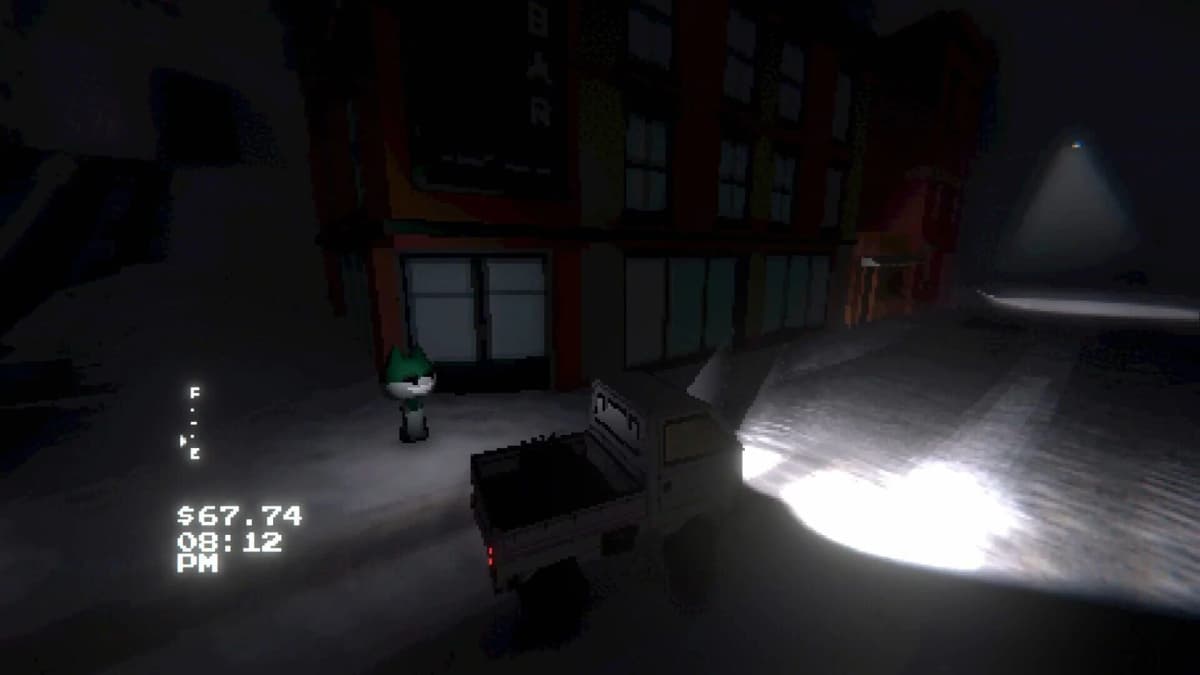
If there is one phrase that fits the current Easy Delivery Co. mod scene, it is “early and experimental.” That is not a criticism. It is exactly what newer indie mod ecosystems usually look like before clear favorites emerge. Experimental balance tweaks are where modders test how much pressure, comfort, or absurdity the game can handle. They are also where players discover what they actually want from the game: more punishment, less punishment, more chaos, or a smoother grind.
This category earns a place because it is the most honest snapshot of where the scene stands right now. The available evidence does not point to mature overhaul packs with universal community approval. It points to a space where modders are still feeling out the edges of the design. That means experimental balance mods can be fascinating even when they are rough. They expose the skeleton of the game. They show which mechanics are elastic and which ones break immediately when pushed. They are not for every player. If you hate patch roulette, version conflicts, or the possibility that a favorite tweak might stop working after an update, this is the category to treat carefully. But as a read on the present moment, experimental balance work is one of the most important things happening in Easy Delivery Co. modding. Installation source: both Thunderstore and Nexus are relevant, depending on author preference and format.
9. Cross-Hub Loadouts
The smartest way to mod Easy Delivery Co. right now may not be finding one magical file. It may be building a light loadout across ecosystems. Because Thunderstore and Nexus do not necessarily mirror each other, and because there is no single authoritative count covering both, the real mod scene is likely larger than either storefront suggests by itself. That makes cross-hub curation more valuable than it would be in a game with one dominant official pipeline.
This is less flashy than a named mod and more useful than most readers expect. A Thunderstore menu-style tool can handle broad tuning, while a more focused Nexus utility can target one specific annoyance or preference. That combination often produces a better result than piling on several overlapping mega-tools from a single source. The reason I’m ranking this as a real category is simple: at this stage, player value comes from smart mod stacking, not from chasing a nonexistent consensus masterpiece. The caution here is compatibility. The sources confirm availability and community interest, but they do not establish long-term maintenance or patch stability. So cross-hub setups are best kept modest. If you build carefully, though, this is probably the closest thing Easy Delivery Co. currently has to a “best setup” rather than a single best mod. Installation source: Thunderstore plus Nexus Mods, used selectively rather than indiscriminately.
10. PLITCH Trainers and Cheats
This one belongs on the list mostly because it clears up a confusion that happens in almost every young PC mod scene: cheats and trainers are not the same thing as community mods, even when storefronts market them with similar language. PLITCH already advertises 14 mods, trainers, and cheats for Easy Delivery Co., which tells you there is an audience for convenience and advantage tooling alongside the more community-driven stuff on Thunderstore and Nexus. That is real, and players should know it exists.
I’m placing it last not because it is useless, but because it serves a different purpose. Trainer packs are usually about bypassing limits, accelerating progress, or removing friction fast. That can be appealing if all you want is a no-stress sandbox or a shortcut past repetition. What they usually do not offer is the same kind of player-authored experimentation that makes a mod scene interesting. They are consumption tools more than creative extensions. For some players, that distinction will not matter at all. For others, it matters a lot. If you want to customize Easy Delivery Co. in a way that feels like community tinkering, Thunderstore and Nexus are still the heart of the conversation. If you just want raw convenience, PLITCH is the cleanest separate lane. Installation source: PLITCH, treated as trainer tooling rather than a standard community mod hub.
FinalBoss // Gear
Level up your setup
01Top-rated gaming headsetson Amazon→02High-refresh gaming monitorson Amazon→03Gaming chairson Amazon→04Discounted game keyson Kinguin→
Affiliate links · As an Amazon Associate, FinalBoss earns from qualifying purchases.
Want to Level Up Your Gaming?
Get access to exclusive strategies, hidden tips, and pro-level insights that we don't share publicly.
Ultimate Top Strategy Guide + Weekly Pro Tips