
Bellwright is not “just” a medieval survival game, and that is exactly why so many recommendation lists miss the target. The real hook is the full ladder of progression: chopping trees yourself, hauling the first ugly stacks of wood, placing the first buildings, recruiting people, assigning jobs, and eventually running something that feels less like a camp and more like a functioning settlement with political weight. Add its combat and rebellion layer, and the pool of true alternatives gets narrow fast.
This ranking is built for players chasing that specific loop, not anyone who merely likes swords, castles, or generic crafting. I prioritized games that share Bellwright’s best habits: hands-on survival, meaningful building, NPC labor, long-form growth, and some pressure to defend or expand. Pure action RPGs mostly got cut. Pure city-builders only made it if they captured the same “I built this place from nothing” satisfaction. Bellwright has also expanded beyond its original PC-only conversation, so platform availability matters here just as much as design overlap.
Table of Contents (11)
1. Medieval Dynasty
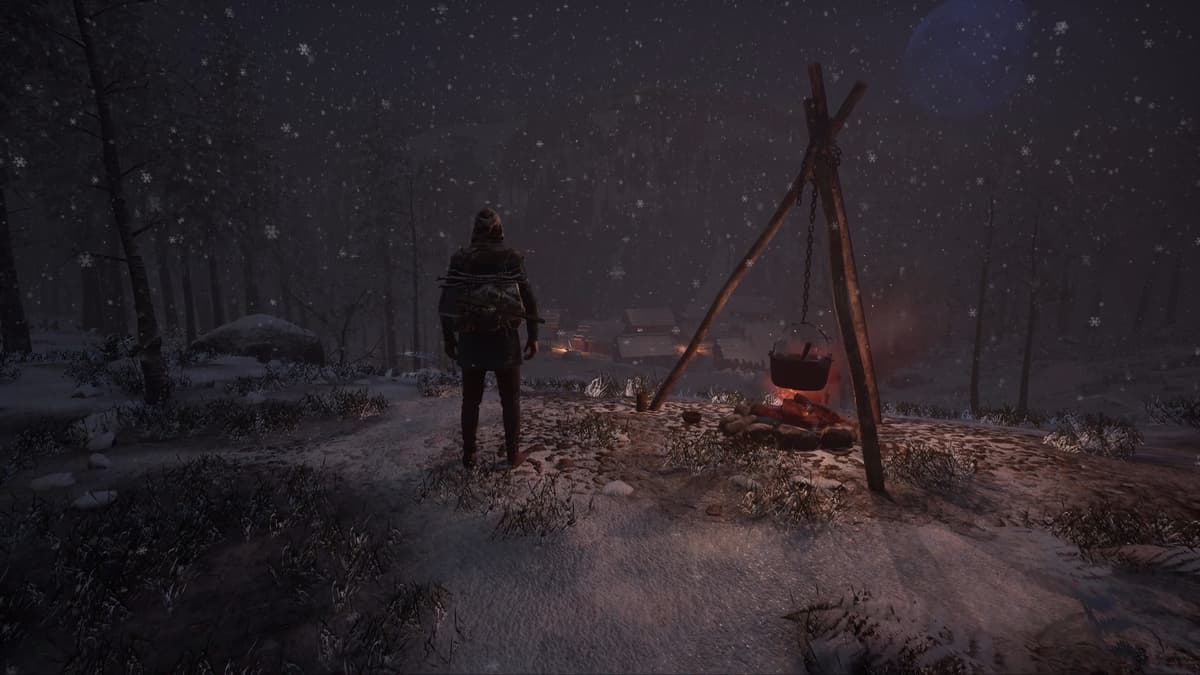
Platforms: PC, PlayStation 5, Xbox Series X|S, Nintendo Switch.
If you want the closest overall match, stop shopping around and start here. Medieval Dynasty is the cleanest answer because it understands the exact fantasy Bellwright players usually want: begin as one person scraping by, then slowly turn hard labor into a self-sustaining village. The overlap is obvious from the first few hours. You gather resources by hand, build structures one piece at a time, recruit villagers, assign jobs, manage production, and watch your settlement become less dependent on your constant babysitting.
The big difference is tone. Bellwright has more bite in its combat and a more explicit rebellion-and-command identity, while Medieval Dynasty leans harder into life sim rhythms like farming, family progression, seasonal planning, and village routine. That trade-off works in its favor if your favorite Bellwright moments are the quiet ones: setting up supply chains, placing houses, making sure your settlement can survive without heroics every ten minutes. If what you crave most is leading troops into larger fights, this is a slight step away. But if the real addiction is building a medieval community from scratch and living inside its logistics, this is still the benchmark Bellwright gets compared to for a reason.
2. Sengoku Dynasty
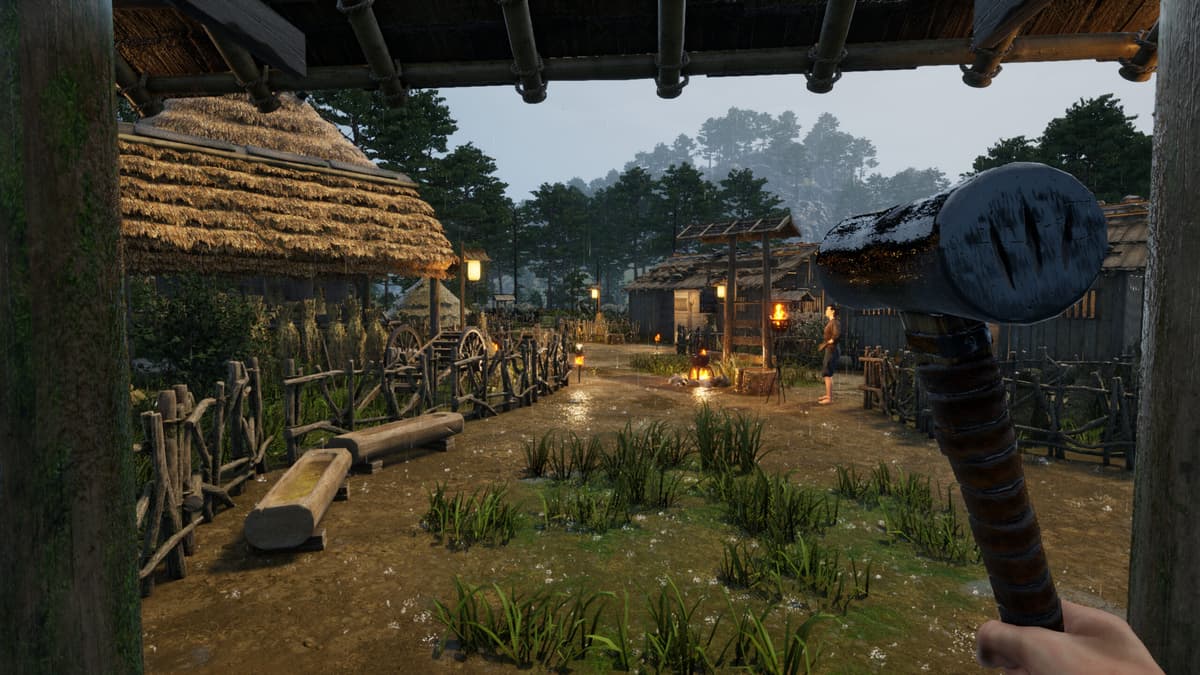
Platforms: PC, PlayStation 5, Xbox Series X|S.
Sengoku Dynasty is what happens when you keep a lot of Bellwright’s skeleton but swap medieval Europe for feudal Japan. That makes it one of the most natural recommendations on the board. The loop is still the thing: explore, gather, craft, build, recruit, expand. You are not simply decorating a base; you are pushing toward a larger community that starts to work because the people inside it have roles. That shared arc matters more than cosmetic setting, and it is why this lands so high.
Where it separates itself is atmosphere and emphasis. Bellwright feels more like a grounded frontier power struggle, while Sengoku Dynasty carries a different cultural texture and a slightly different pace to village growth. But for Bellwright players, the useful question is simpler: does it give you that satisfying “start alone, end as a leader” progression? Absolutely. It also makes sense for anyone who likes historical framing but does not need Bellwright’s exact rebellion setup to stay engaged. If you want a near-neighbor rather than a clone, this is probably the smartest pick on the list. It scratches the same itch without feeling like you bought the same game twice with different armor sets.
3. Soulmask
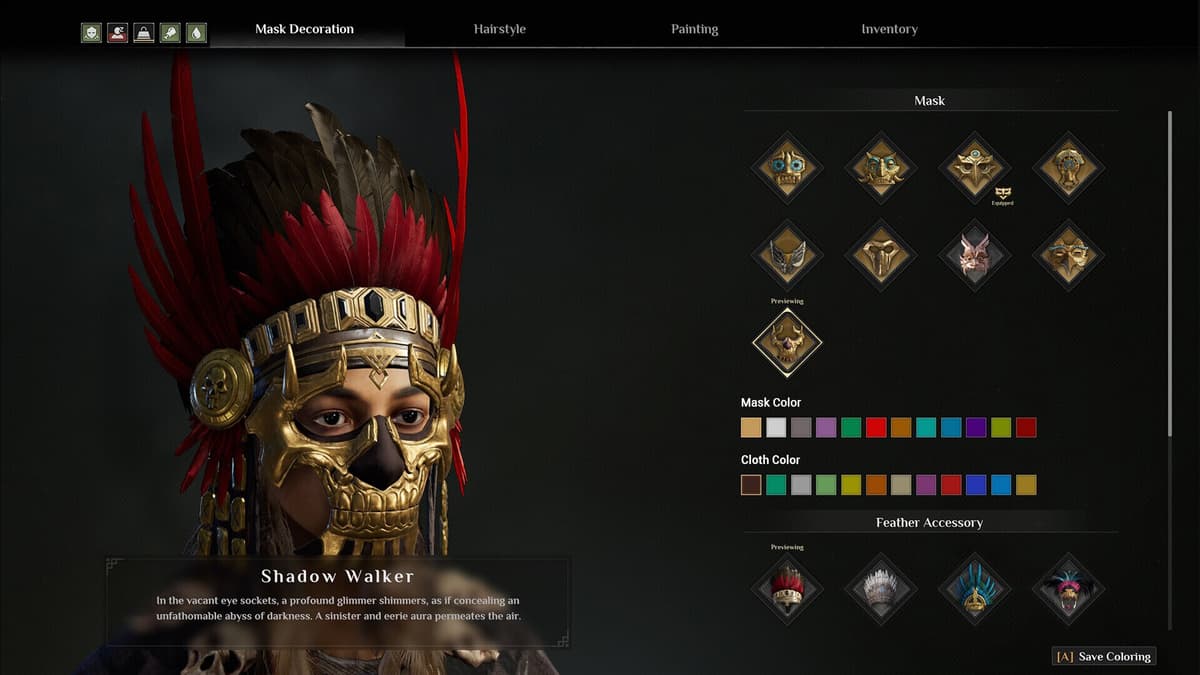
Platforms: PC.
This is where the list gets a little more honest about what Bellwright players are often chasing under the hood. A lot of them do not need a strict medieval setting; they need the sensation of being active in the field while a settlement slowly turns into a machine. Soulmask absolutely gets that. Its survival-crafting foundation, follower systems, and expanding base management line up with Bellwright’s strongest systemic pleasures, even if the theme goes in a more tribal, sandbox-heavy direction.
The reason it ranks above some more obviously medieval games is simple: the labor loop is strong. Recruiting or controlling followers, assigning work, scaling production, and turning a vulnerable camp into something durable feels meaningfully Bellwright-adjacent. It also suits players who like a bit more raw survival pressure and a less domesticated, more systemic world. The caveat is that Soulmask is less about grounded peasant-to-village realism and more about flexible sandbox survival with heavier systems. If Bellwright’s historical mood is the non-negotiable part for you, this drops a few spots. If the real joy is settlement growth plus helper management plus plenty of hands-on activity, it is one of the sharpest alternatives available right now.
4. RimWorld
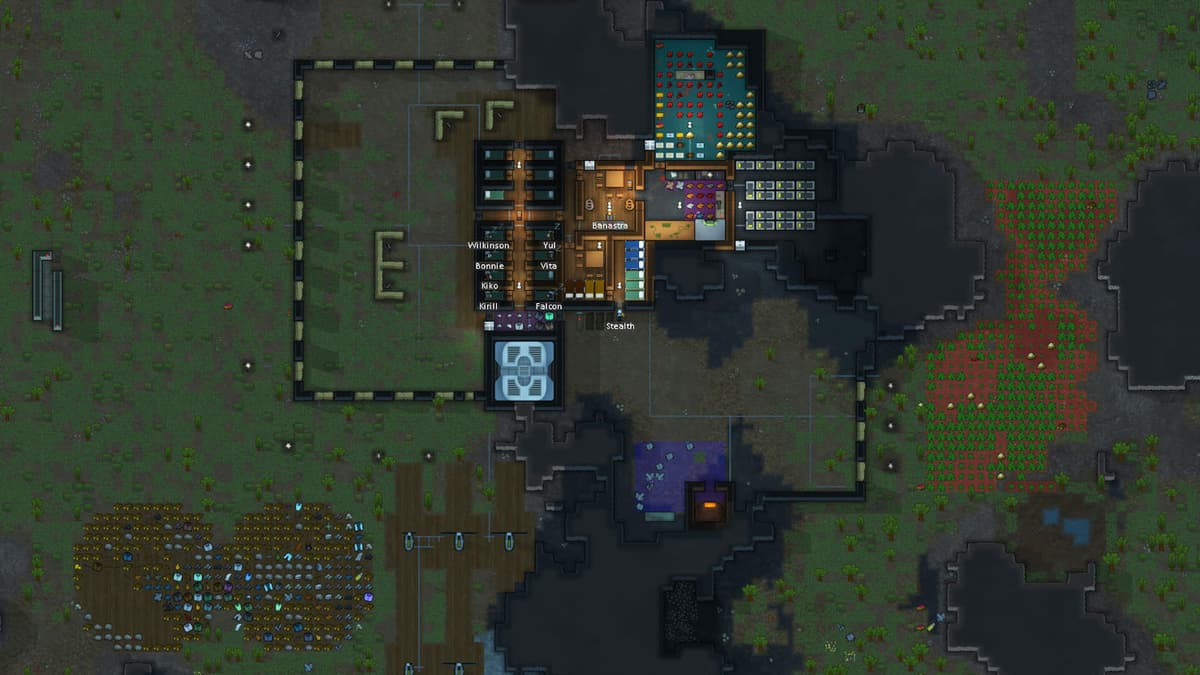
Platforms: PC, PlayStation 4, Xbox One.
Yes, the camera is wrong. Yes, the vibe is different. No, that does not stop RimWorld from being one of the most useful Bellwright recommendations. If Bellwright’s settlement side is what really grabbed you, then RimWorld speaks the same language better than most prettier, more obvious picks. Recruitment, labor assignment, storage headaches, food chains, defense planning, sudden disasters, and emergent settlement stories are the entire point here. Few games are better at making a place feel fragile, improvised, and slowly civilized through your decisions.
The obvious warning is that you lose the third-person boots-on-the-ground roleplay that makes Bellwright tactile. You are not personally swinging the weapon or jogging between workstations. But in exchange, you get absurd depth in logistics and colony behavior. For some Bellwright players, that is not a compromise at all; it is the jackpot. Especially if your favorite part is getting villagers productive, surviving raids, and solving the constant chain reaction of “we need more wood, which means more workers, which means more food, which means bigger defenses.” If you mainly want directional melee combat and direct character embodiment, skip it. If you want Bellwright’s management brain pushed to a much higher level, this is essential.
5. ASKA
Platforms: PC.
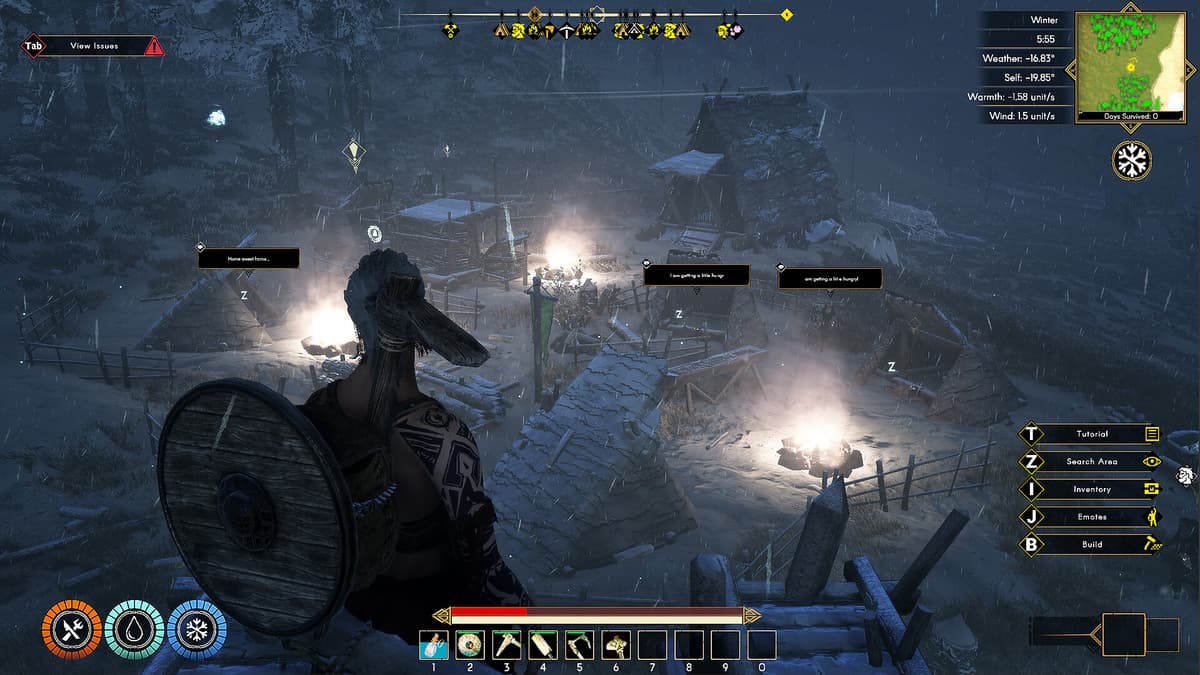
ASKA deserves more Bellwright comparisons than it usually gets. It is not medieval England-style rebellion fiction, but it absolutely understands the pleasure of building a settlement where villagers do more than stand around looking decorative. Set in a Viking-flavored survival framework, it has you gather resources, put up buildings, recruit villagers, assign jobs, and prepare for threats in a way that feels very familiar if Bellwright’s “manual labor becomes leadership” curve is the part you admire most.
The reason I rank it this high is that the village AI matters. Bellwright players tend to notice quickly when a game says “settlement management” but really means “place some houses and imagine the rest.” ASKA is better than that. It wants you to think about shelter, production chains, work priorities, defenses, and long-term settlement function. It also works especially well for players who like co-op survival sandboxes and want that communal build-up feeling without abandoning the idea of villagers having practical roles. What it does not replicate as neatly is Bellwright’s factional or rebellion identity. It is more about survival and village competence than broader political struggle. Still, if the real hook for you is watching a rough outpost become a busy, useful place under pressure, ASKA is a very serious contender.
6. Going Medieval
Platforms: PC.
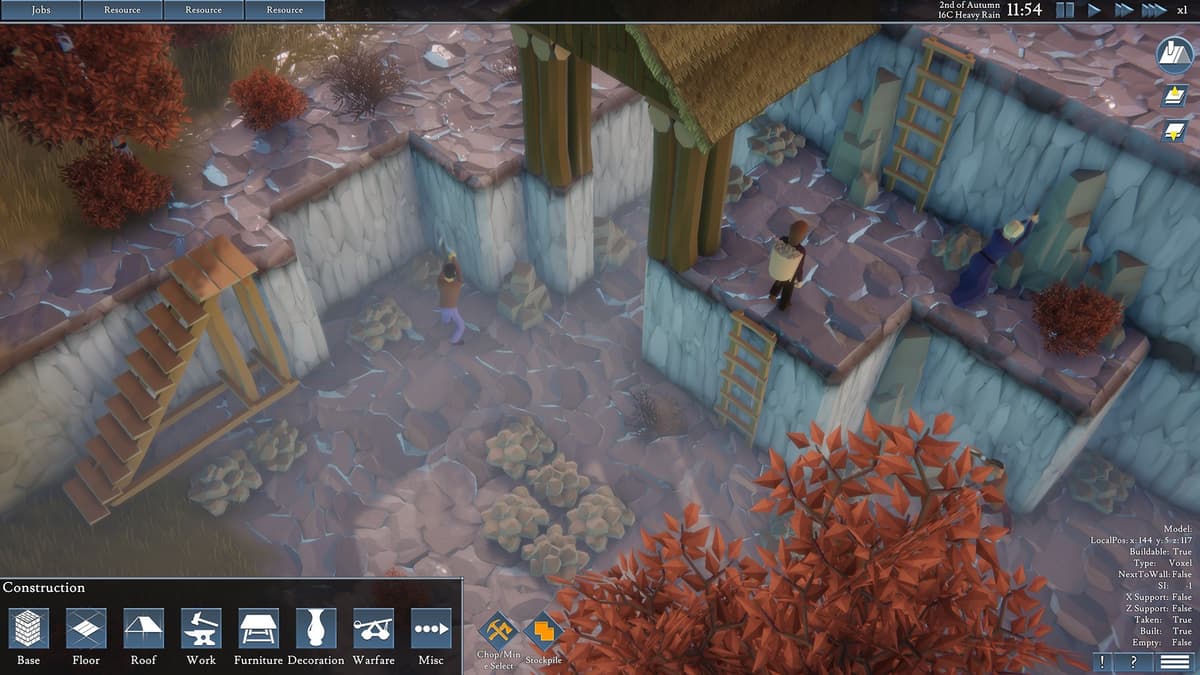
Going Medieval feels like Bellwright after the camera pulls back and decides to obsess over structure, storage, and defense. That makes it less immediate but still highly relevant. The survival pressure is real, the settlement-building is central, and preparing a colony for raids is not an optional side activity. For Bellwright players who get especially locked into building layouts, food security, stockpile management, and “how do I keep this place alive through the next crisis,” this is an easy recommendation.
Its best trick is that the settlement itself becomes the star. Multi-level construction, fortification, internal efficiency, and villager routines create a constant push-pull between expansion and survival. Bellwright players who love walking through a place they built may miss that direct third-person intimacy, because Going Medieval is more about command than embodiment. But it earns this spot by staying close to the same fundamental fantasy of transforming vulnerability into resilience. It is also one of the cleaner answers for people who enjoy the defense side of Bellwright almost as much as the building. If you want to be the boots on the ground, pick something above this. If you want Bellwright’s village-protection and provisioning loop distilled into a colony sim, this is one of the best handoffs.
7. Mount & Blade II: Bannerlord

Platforms: PC, PlayStation 5, Xbox Series X|S, PlayStation 4, Xbox One.
Most Bellwright alternatives either nail the settlement side or the medieval action side. Bannerlord earns its place because it grabs the part Bellwright does that many survival builders do not: the fantasy of becoming a military and political force. If Bellwright’s rebellion flavor, troop command, and sense of rising influence are what made it stand out for you, Bannerlord is the obvious parallel. Few games are better at making you feel like a scrappy nobody who can eventually throw serious weight around on a medieval map.
The catch is a big one. You are not hand-building a village step by step in the Bellwright sense, and the survival-crafting loop is nowhere near as central. This is a stronger recommendation for players who realized Bellwright’s most exciting promise was not the campfire or the workshop but the climb from personal struggle to organized power. Managing parties, recruiting troops, navigating faction politics, and fighting larger battles gives it a legitimate claim here, especially because Bellwright itself is unusual for mixing base growth with armed leadership. If you need chopping wood, assigning villagers, and manually crafting every rung of the ladder, go higher on the list. If your favorite Bellwright moments are the ones where it feels one step away from a kingdom-scale war story, Bannerlord is the right detour.
8. Manor Lords
Platforms: PC.
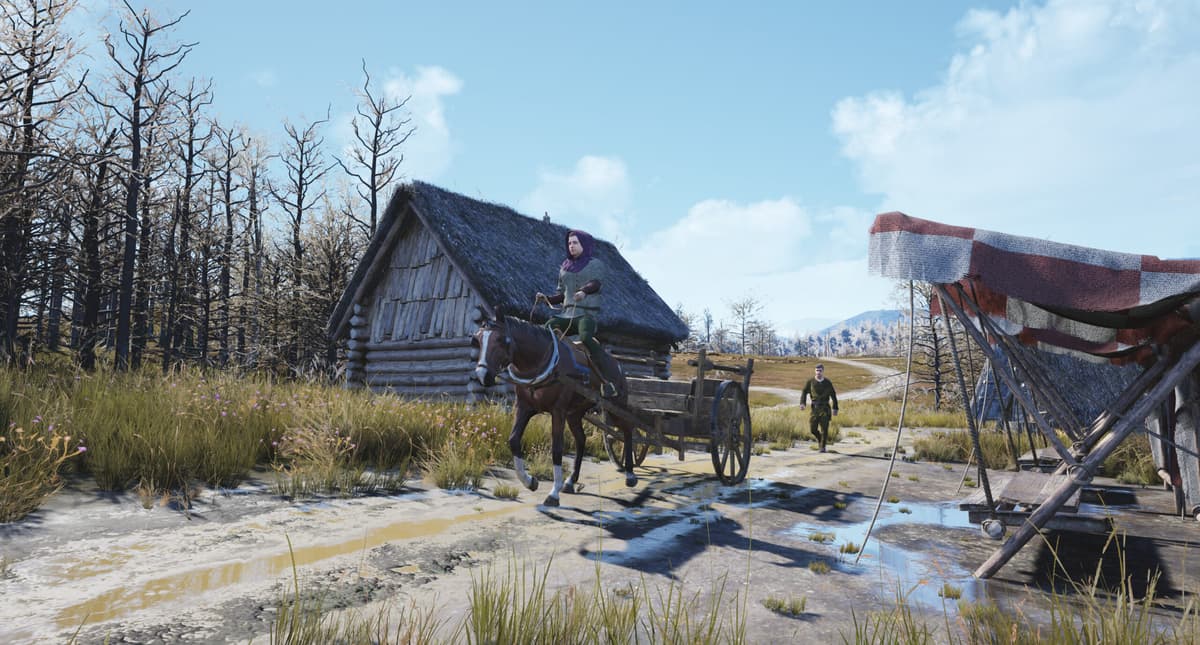
Manor Lords is not a one-to-one Bellwright substitute, and pretending otherwise would be lazy. What it is, though, is one of the strongest recommendations for Bellwright players who care more about the medieval settlement itself than the avatar swinging a weapon inside it. Its whole appeal is the weight of village planning: road placement, production flow, seasonal pressure, population needs, and the feeling that every building has a practical consequence. If Bellwright’s construction and management side is the part you mentally linger on, this hits hard.
The reason it sits below Bannerlord is that Bellwright is still more intimate and character-driven. Manor Lords operates at a broader managerial scale, and that means you lose the personal survival texture Bellwright uses to make early progression feel gritty. But for pure medieval logistics, it is outstanding. It also avoids the sterile vibe some city-builders drift into; this world feels materially grounded, which matters for Bellwright fans who do not want a glossy spreadsheet in costume. If direct combat and villager recruitment are your favorite hooks, this is only a partial fit. If your real obsession is building a believable medieval settlement that grows from subsistence into stability, it absolutely belongs in the conversation.
9. Clanfolk
Platforms: PC.
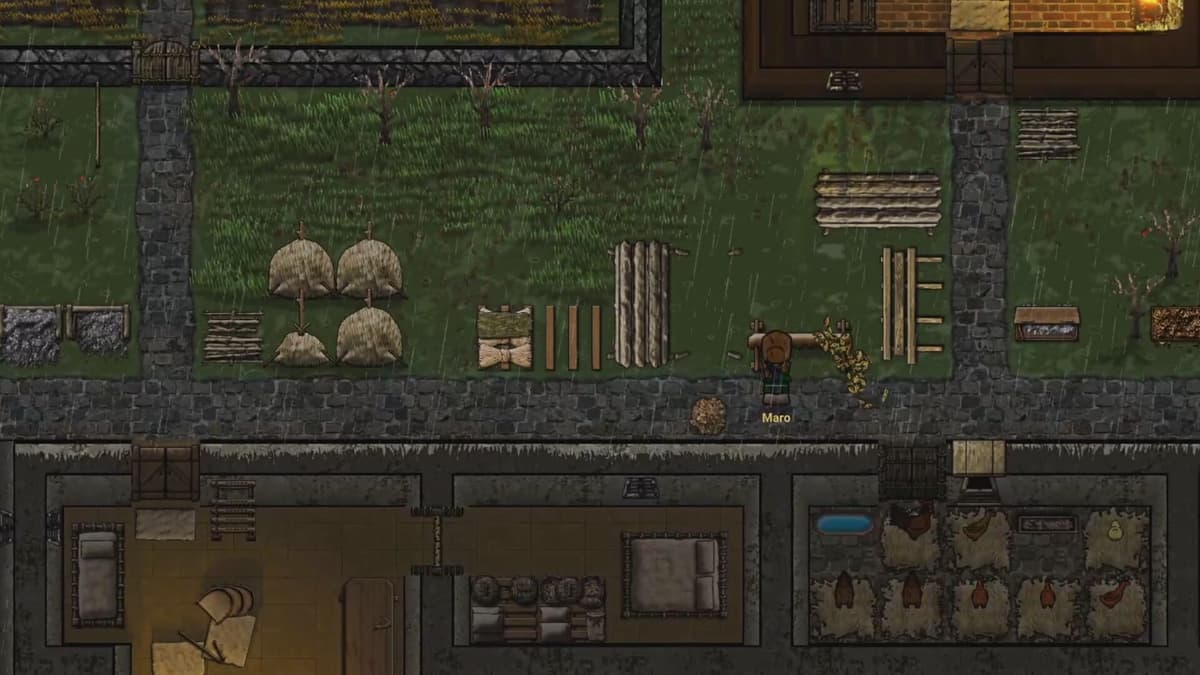
Clanfolk is a colder, harsher recommendation, but a smart one. It strips away the flashy medieval action angle and focuses on something Bellwright players often appreciate more than they realize: the grind of survival turning into social structure. You are building a household and then a functioning community under real environmental pressure, with work assignments, domestic logistics, shelter, food, and seasonal survival all carrying serious weight. It feels less heroic than Bellwright, but that is part of its value.
This is the pick for players who loved Bellwright’s early-game fragility and the satisfaction of solving basic needs with smarter planning. Clanfolk is also one of the better examples of how much tension a settlement game can create without leaning on spectacle. The platform difference is obvious: there is no direct third-person wandering, and the combat fantasy is not the point. But the settlement psychology is dead-on. Every new structure and workflow feels earned because failure is always nearby. If Bellwright, for you, is mostly about building up a household economy and turning exposed living into sustainable living, this may land harder than some bigger-name medieval games. It is narrower than the top entries, but the overlap in survival-to-society progression is real.
10. Foundation
Platforms: PC.
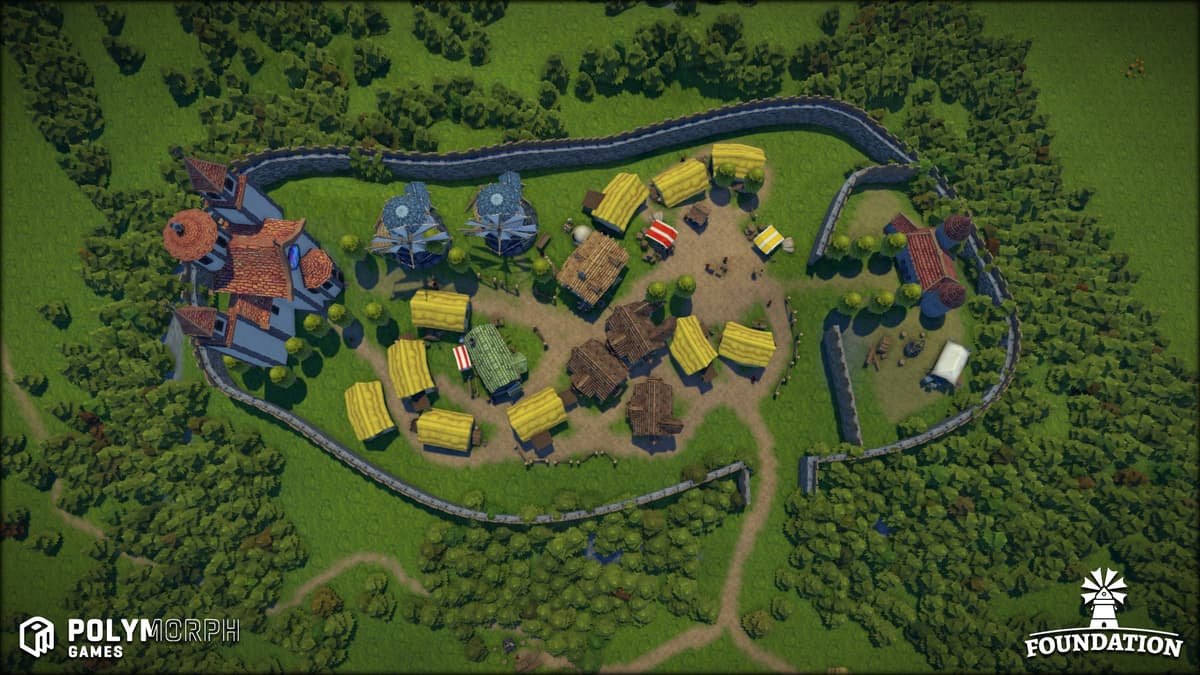
Foundation makes this list because Bellwright is not always about stress. Sometimes the appeal is simply watching a medieval settlement become believable through your decisions. On that front, Foundation is excellent. Its organic town growth, labor management, and production planning capture the “I made this village happen” satisfaction better than plenty of games that are technically closer on paper but less convincing in motion. It is the calmest recommendation here, and that is exactly why some Bellwright players will bounce off it while others will inhale it.
The missing pieces are obvious: no hands-on survival, no direct combat identity, and far less personal grit. But it earns its slot because the construction side of Bellwright can become a game within the game, and Foundation serves that appetite beautifully. It is especially useful for players who enjoy assigning labor, shaping space, and seeing an organic medieval layout emerge rather than forcing everything onto rigid grids. I would not send someone here first if their favorite Bellwright moments involve skirmishes or direct leadership in the field. I would absolutely send them here if what they truly want is more medieval settlement craft and less noise. It is not the closest match overall, but it is one of the best niche matches for a very specific Bellwright mood.
11. Necesse
Platforms: PC.
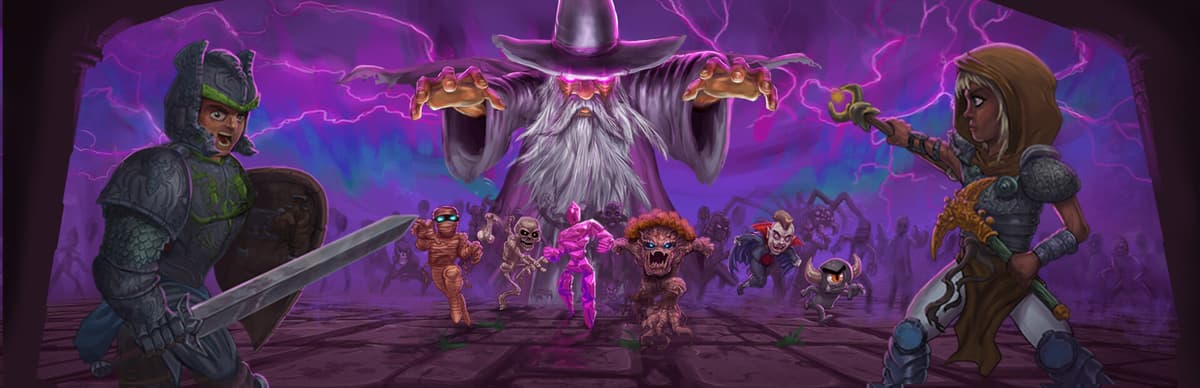
Necesse looks like the wildcard entry until you start lining up systems instead of aesthetics. Then it makes a lot of sense. It is a survival sandbox with building, exploration, crafting, settlers, automation, and defensive pressure, which means it quietly shares a lot of Bellwright’s practical pleasures. You gather, build up a base, recruit people, assign jobs, optimize production, and defend what you have made. That is a Bellwright sentence even if the visual style is doing something completely different.
Why include this over a dozen prettier medieval games? Because it respects the loop. A lot of obvious “similar” picks are really just medieval-flavored combat games or town-builders with thin interaction. Necesse actually gives you the recruit-and-run-a-place part that matters. It also works well for players who want a more compact, systems-forward game rather than another sprawling third-person world. The compromise is easy to spot: you are giving up Bellwright’s grounded historical texture and that first-hand physicality of moving through a settlement you built. But if you care most about building, staffing, crafting, and defending a growing home base, this is a sharper recommendation than its presentation suggests. It is the least visually similar game here and one of the most mechanically honest.
FinalBoss // Gear
Level up your setup
01Graphics cardson Amazon→02Gaming laptopson Amazon→03High-refresh gaming monitorson Amazon→04Discounted game keyson Kinguin→
Affiliate links · As an Amazon Associate, FinalBoss earns from qualifying purchases.
Want to Level Up Your Gaming?
Get access to exclusive strategies, hidden tips, and pro-level insights that we don't share publicly.
Ultimate Top Strategy Guide + Weekly Pro Tips