
Table of Contents (15)
Extraction shooters finally clicked for me once they stopped all trying to be Tarkov
For a long time, “extraction shooter” basically meant one thing in my head: getting bullied by veterans in Escape from Tarkov, losing all my gear, and alt‑F4’ing to YouTube. The core idea is brilliant though: drop into a hostile map, grab loot, then extract to bank it. If you die, everything you brought in (and everything you picked up) is gone. It’s high‑risk, high‑reward, and ridiculously tense.
What’s changed over the last few years is that the genre has finally stopped pretending there’s only one “correct” way to do that loop. We’ve now got PvP arenas, PvE‑heavy sandboxes, singleplayer runs that feel like cursed treasure hunts, and even top‑down indies about heavily armed ducks. Some entries stretch the definition a bit, but they all share that extract‑or‑lose heartbeat.
This list focuses on PC and on variety rather than a rigid “best to worst” ranking. I’ve played everything here enough to lose gear I was too attached to and to know who each game actually suits. If you bounced off the hardcore stuff, or you’re tired of only hearing about Tarkov, there’s probably an extraction flavour here that’ll finally click for you.
1. Arc Raiders
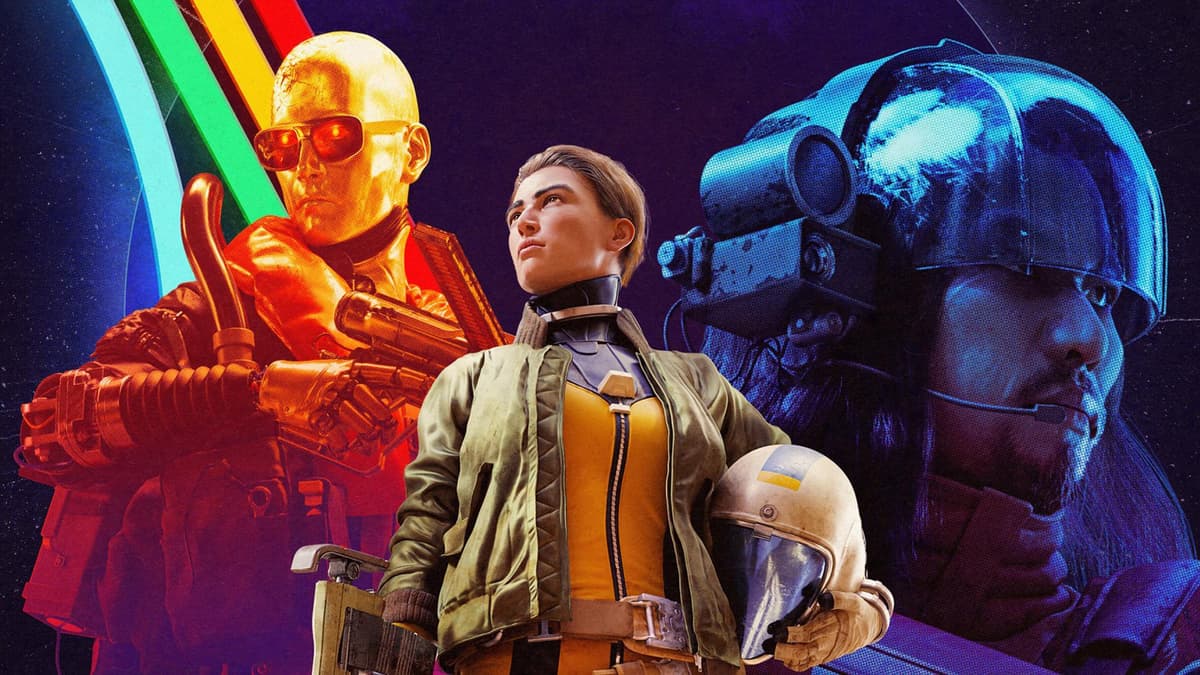
Arc Raiders was the first extraction shooter that felt like it actually wanted me there. On a good night, it’s a chilled third‑person co‑op game where a bunch of strangers emerge from their underground refuge, trek across a ruined Earth, and tear down massive flying war machines called Arcs before sprinting to an evac point. On a bad night, it’s a social horror simulator where the “friendly” squad you’ve been sharing ammo with suddenly blasts you in the back and runs off with your haul.
The clever bit is its aggression‑based matchmaking. If you never shoot first, the game tends to drop you into lobbies with similarly peaceful players. You can spend entire evenings treating it like a PvE raid game, scavenging parts and armour and waving at other solo players in voice chat. But if you start turning every encounter into a gunfight, you’ll graduate into sweatier lobbies where everyone assumes you’re out for blood. It quietly lets the community sort itself into vibes without a bunch of server browser menus.
I also love how respectful it is of long‑term time investment. Seasonal wipes, the bane of my limited gaming schedule, are completely optional: you opt into fresh starts if you want, but you can just keep your stash rolling forever. The big downside is the studio’s enthusiasm for generative AI – some of the in‑game barks are AI‑assisted, and once you know that, they feel a bit plasticky. Ethical qualms aside, though, this is the friendliest gateway into the genre right now if you want a mix of big co‑op set pieces and unpredictable player drama.
2. Marathon
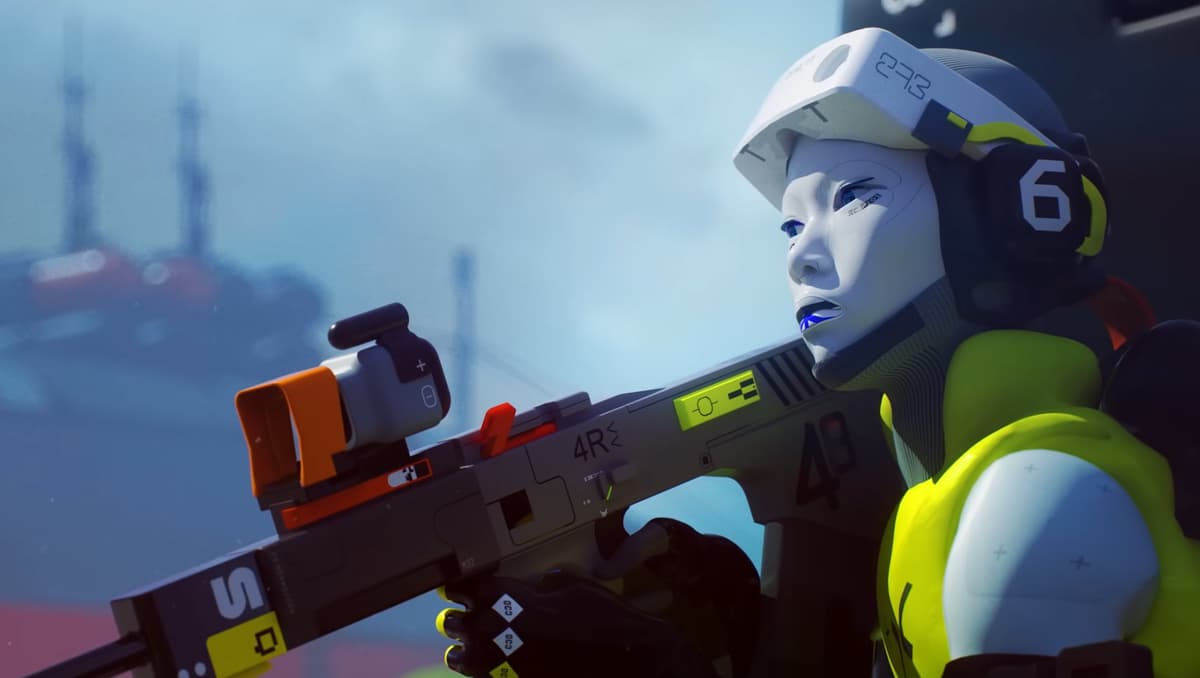
If Arc Raiders is the laid‑back social experiment, Marathon is the caffeinated arena cousin that drags you straight into fights. Bungie basically took their trademark crispy gunfeel, smashed it together with hero‑shooter abilities, and stuffed it into tight, neon‑drenched raid maps like Tao City4 where nobody gets to hide for long. Matches are short, extraction windows are frequent, and there are no cozy corners where you can farm in peace.
You pick a “shell” – essentially a class – each with its own tricks. Triage can yank two downed teammates back from the brink with an ultimate that feels clutch every single time. The assassin‑style shell can dip into invisibility when passing through smoke, turning every grenade into an escape route. My personal favourite is the Thief, whose drone can literally pickpocket other runners mid‑fight. The first time I heard an enemy raging in proximity chat because their keycard had vanished, I knew Bungie still has that mischievous design streak.
The loop is faster and more lethal than most extraction shooters. You’re encouraged to chain multiple 10–15 minute runs, ticking off faction contracts, learning the different extraction types, and gradually pushing deeper into high‑value zones like the Perimeter hauler. Even if you’re not landing many kills, free loadouts and generous early gear mean you’re never truly bricked. It’s not the most welcoming game if you hate PvP – confrontation is the point here – but if you like the sound of “Destiny crucible meets Tarkov, without the downtime,” this is the one that might convert you.
3. Escape from Tarkov
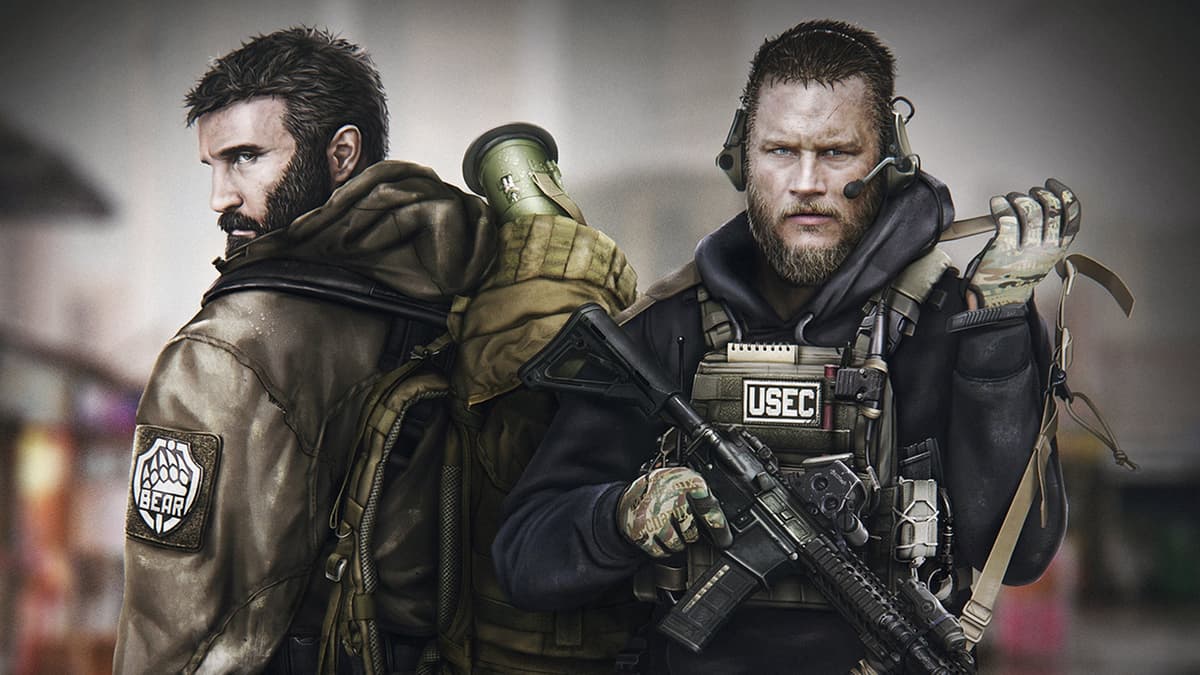
I don’t think you can talk about extraction shooters without dealing with Escape from Tarkov, even if your relationship with it is as complicated as mine. This is the template: grounded ballistics, dense maps, brutal sound design, and a punishment curve that borders on sadism. You build loadouts in your stash, drop into huge raids, juggle quests and scav runs, then pray you make it to an extraction point without getting clapped by someone who can identify ammo types just from the noise.
The highs are undeniable. Surviving a raid where you’ve snuck past squads, juggled limited backpack space, and dragged a friend’s kit out under fire is like nothing else. Every muzzle flash matters when you know one stray bullet can erase 40 minutes of progress. The way weapons handle – from recoil patterns to jamming and malfunction mechanics – still makes most other shooters feel toy‑like. It’s also one of the only games where I’ve genuinely sweated over whether to bring a particular gun, because losing it would hurt.
But it’s also the least approachable entry here. The UI is dense, the economy is ruthless, and wipes reset progress just as you start to feel competent. For some, that fresh‑start loop is the appeal; for others, it’s a reason to play something else. I treat Tarkov now as a once‑in‑a‑while ordeal rather than a main game: a place to visit when I want that specific, stomach‑knotting tension. If you’re extraction‑curious and have a high tolerance for jank and learning wikis, it’s still a landmark worth at least trying.
4. Hunt: Showdown 1896
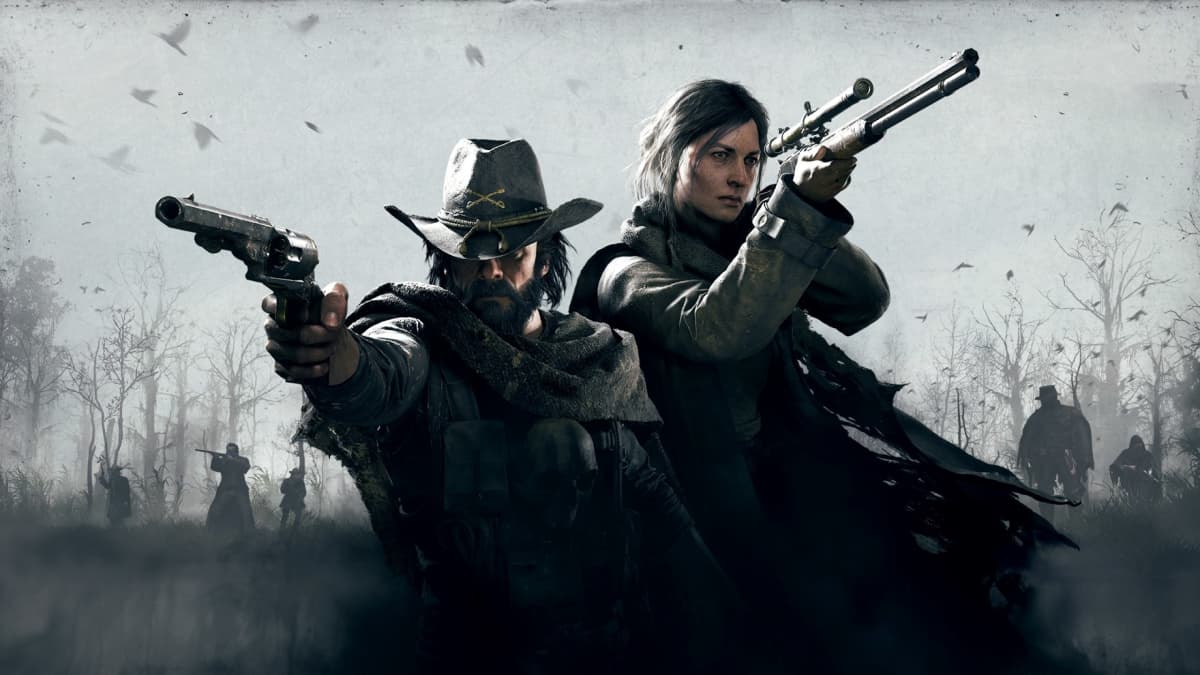
Hunt: Showdown sits in a weird, wonderful space between horror game and competitive shooter, and its big 1896 relaunch patch in 2024 gave it a second life. You and up to two friends creep through a rotting Louisiana bayou, armed with late‑19th‑century guns that kick like mules and reload at the speed of bureaucracy. Instead of hoovering up random loot, you’re tracking specific bosses via clues scattered around the map, banishing them, then trying to escape with the bounty while every other hunter on the server converges on your position.
What makes it feel different from other extraction games is how much it leans on sound and stealth. Every broken window, every startled flock of crows, every splash in the swamp is a flare gun announcing your position. I still remember the first time I heard someone fumble a reload in the next compound over and realised we were stalking each other without ever making visual contact. You’re constantly deciding whether to sprint and risk making noise, or creep and risk running out of time.
Progression runs on two tracks: your disposable hunters (who can die permanently and take their gear with them) and your long‑term bloodline, which unlocks new weapons and traits across runs. That dual system softens the sting of losing a favourite loadout without ever fully defanging it. With the engine update, better performance, and frequent discounts that make it one of the cheaper buys on this list, Hunt is an easy recommendation if you like methodical gunfights and horror vibes more than spreadsheeting ammo types.
5. Gray Zone Warfare
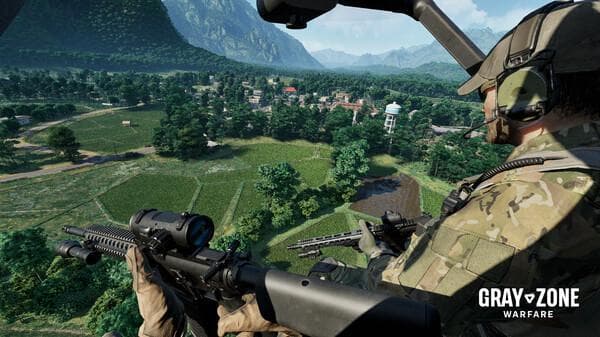
On paper, Gray Zone Warfare is “Tarkov on a giant tropical island,” but that sells it short. Instead of discrete raids, you’re operating across a huge, semi‑persistent map dotted with faction bases, villages, and military installations. You still gear up, deploy, and extract, but the spaces between those points feel more like a milsim sandbox than a traditional round‑based shooter. At its best, it scratches the same itch as those long, tense patrols in Arma – except now your kit is on the line.
What hooked me early on was how much of the danger comes from the environment and AI rather than only other players. Human enemies hit hard and often outnumber you, and the sound of a distant firefight doesn’t always mean PvP – it might just be AI factions chewing chunks out of each other. That makes every ridge line and treeline suspect. I’ve had raids where the scariest moment wasn’t being ambushed by another player, but realising I’d pushed too deep into a town, low on ammo, with extraction still kilometres away through open fields.
It’s still in Early Access and absolutely feels like it: bugs, desync, and balance swings are part of the package. But it’s also one of the clearest alternatives if you like Tarkov’s gear game but want more room to breathe and a slightly heavier PvE focus. Just know that it expects patience. If what you want from extraction shooters is careful map reading, long sightlines, and creeping dread more than constant close‑quarters chaos, Gray Zone Warfare is where I’d point you.
6. Dark and Darker
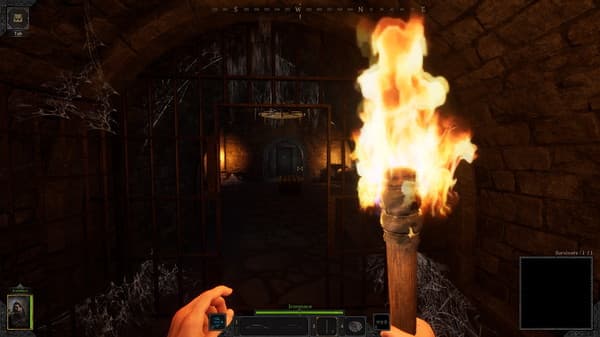
Dark and Darker is what happens when someone looks at Dungeons & Dragons and thinks, “What if the dungeon was a Tarkov raid?” Instead of assault rifles and plate carriers, you’re rolling in as a ranger, wizard, fighter, or cleric, creeping through pitch‑black crypts lit only by torches and the occasional fireball. Skeletons, mimics, and other nasties are everywhere, but the real terror is the sound of another squad clanking down the corridor in full plate.
6. Dark and Darker
Dark and Darker is what happens when someone looks at Dungeons & Dragons and thinks, “What if the dungeon was a Tarkov raid?” Instead of assault rifles and plate carriers, you’re rolling in as a ranger, wizard, fighter, or cleric, creeping through pitch‑black crypts lit only by torches and the occasional fireball. Skeletons, mimics, and other nasties are everywhere, but the real terror is the sound of another squad clanking down the corridor in full plate.
🎮 Get This Game at the Best Price
Compare prices instantly and save up to 80% on Steam keys with Kinguin — trusted by 15+ million gamers worldwide.
*Affiliate link — supports our independent coverage at no extra cost to you
The extraction loop is beautifully simple. You dive into an instanced dungeon, loot chests and corpses for better gear, then hunt for glowing blue portals to escape. Red portals, meanwhile, drag you into deeper, deadlier levels with better loot if you’re feeling greedy. Die before stepping through, and everything you carried in – and everything you found – is gone. The mix of PvE pressure and the knowledge that any shadow might be another player produces some of the most stressful melee fights I’ve ever had in a game.
Because classes level up and gear is persistent between runs, it taps into that same long‑term attachment loop as more grounded extraction shooters, just with more wizard hats. It’s still technically in flux, with the developers running it through their own launcher and shifting monetisation over time, and it can be pretty unforgiving solo. Bring a friend or two if you can. If you like the idea of extraction shooters but bounce off modern military aesthetics, this grimy fantasy twist might be your way in.
7. Marauders
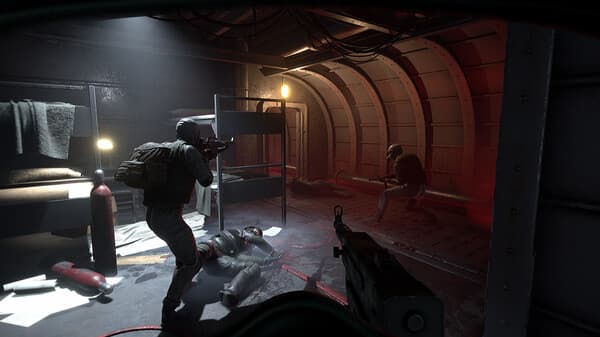
Marauders scratches a very specific itch for me: the fantasy of being a grubby space pirate whose life is worth less than their rifle. Set in a diesel‑punk future where World War I basically never stopped, you gear up aboard a rickety spaceship, pilot it into a war‑torn sector, and then either dogfight other players or dock with giant stations and capital ships to start the on‑foot part of the raid.
The extraction rules are familiar – anything you don’t get out with is lost – but the extra layer of ship management adds a surprising amount. I’ve had runs where I barely set foot on a station because the raid turned into a desperate attempt to keep my ship alive, patching breaches and returning fire while a boarding party tried to cut their way in. Other times, slipping into the map via an escape pod, bypassing the main furball entirely, and quietly looting a side wing has felt like the clever play.
Gunplay sits somewhere between arcade and sim, with chunky WW2‑style weapons and brutal time‑to‑kill. It’s less intimidating than Tarkov but still punishing if you run around like it’s a traditional arena shooter. The presentation is rough around the edges in places, and you can absolutely feel its scrappy‑indie origins, but if you want something with a clearer, more finite match structure than Gray Zone Warfare and a theme you don’t see every day, Marauders is well worth boarding.
8. Escape from Duckov
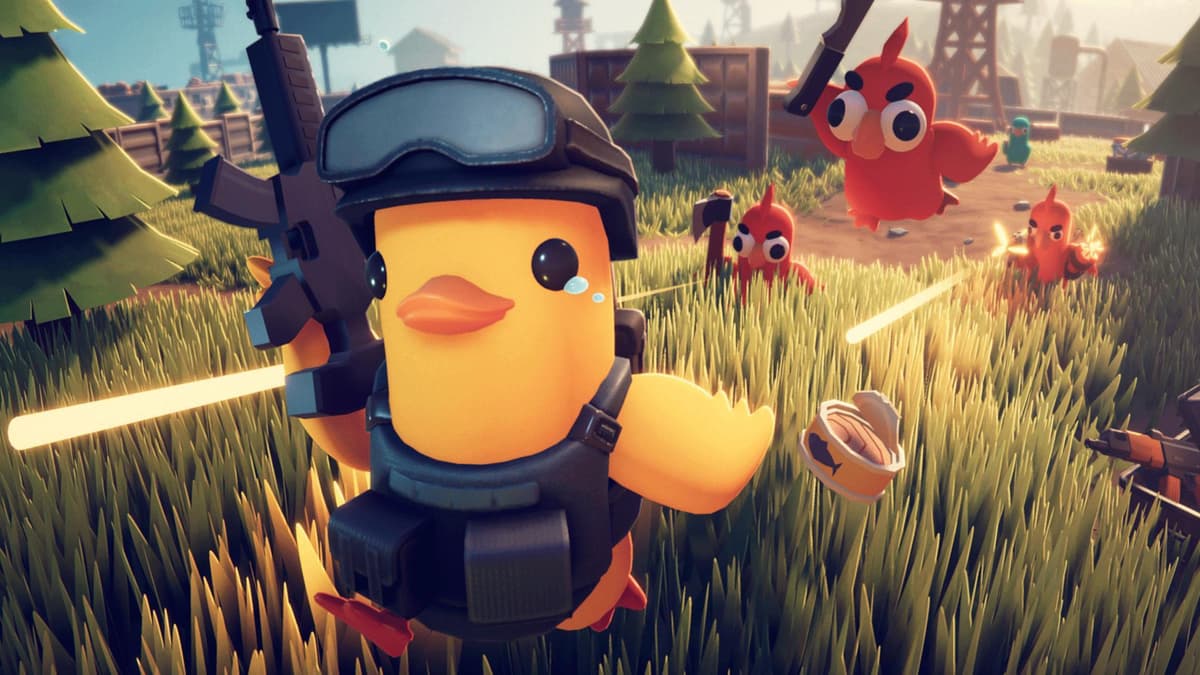
There’s a whole sub‑scene of top‑down extraction shooters on PC, but Escape from Duckov is the one I keep recommending to friends who find the 3D stuff too intense. It looks like a gag at first glance – yes, it’s ducks with guns – but underneath the quacks is a surprisingly thoughtful singleplayer loot‑and‑extract loop that understands exactly how complicated to be without turning into homework.
Runs are short and readable. You spawn into a 2D map, pick your way between landmarks, pop other ducks, and scoop up gear before heading to an exit. Within five minutes you’ve internalised the basics; within a couple of hours you’re juggling quests, weighing up riskier routes, and swearing at yourself for getting greedy and staying out one fight too long. Because it’s singleplayer, every death is on you, not some sweatlord with 3,000 hours and a spreadsheet of recoil values.
Back at base, you’re upgrading facilities, unlocking new weapons, and gradually turning your little duck into a tiny terror. It’s cheap, it runs on almost anything, and it’s refreshingly honest about its ambitions. The game doesn’t care if you only have time for one or two raids a night; it still feels like progress. If you’re extraction‑curious but allergic to voice comms and being outplayed by humans, Duckov is probably the safest, friendliest starting point in the genre.
9. Witchfire
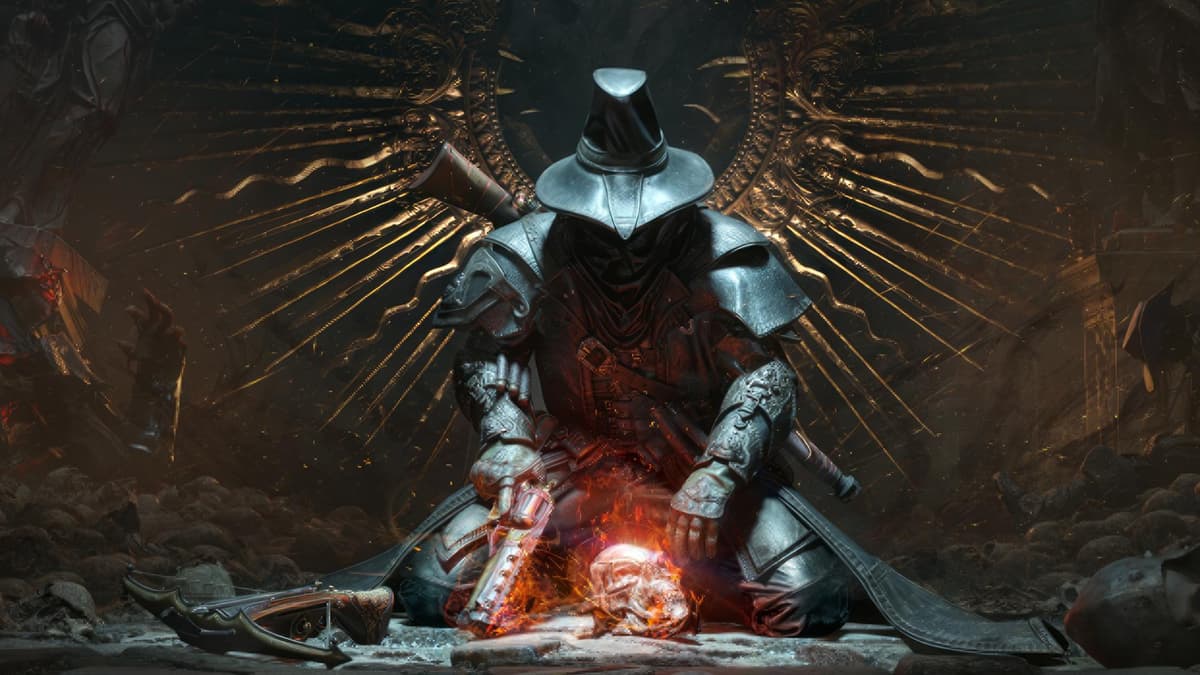
The purists might argue about whether Witchfire is a “true” extraction shooter, but it absolutely tickles the same part of my brain. Imagine a singleplayer blend of Destiny and classic arena shooters, directed by one of the minds behind Painkiller. You venture out from a hub into gorgeous, nightmarish zones, hoover up a mystical resource called Witchfire and piles of gold, then try to get back out without dying and losing a big chunk of what you’ve gathered.
The shooting is the star. Guns aren’t just stat sticks; they have weird, satisfying gimmicks. One rifle lodges bullets in enemies that detonate when you reload. Another chains lightning between clustered targets. Spells are just as inventive: you can mark fresh weak spots on bosses, or drop a swinging censer that keeps pulsing damage as long as you keep it “fed” with gunfire. It has that rare feel where every pull of the trigger is interesting, not just efficient.
What links it to extraction design is the tension between pushing deeper for more currency and banking what you’ve already got. You don’t lose your entire build on death like in Tarkov, but watching a fat pile of unspent Witchfire evaporate because you got cocky late in a run hits in a very familiar way. It’s still in Early Access but already feels far more polished than a lot of full releases. If you want the psychological push‑your‑luck aspect of extraction without PvP or full‑loot terror, Witchfire is an ideal halfway house.
10. The Forever Winter
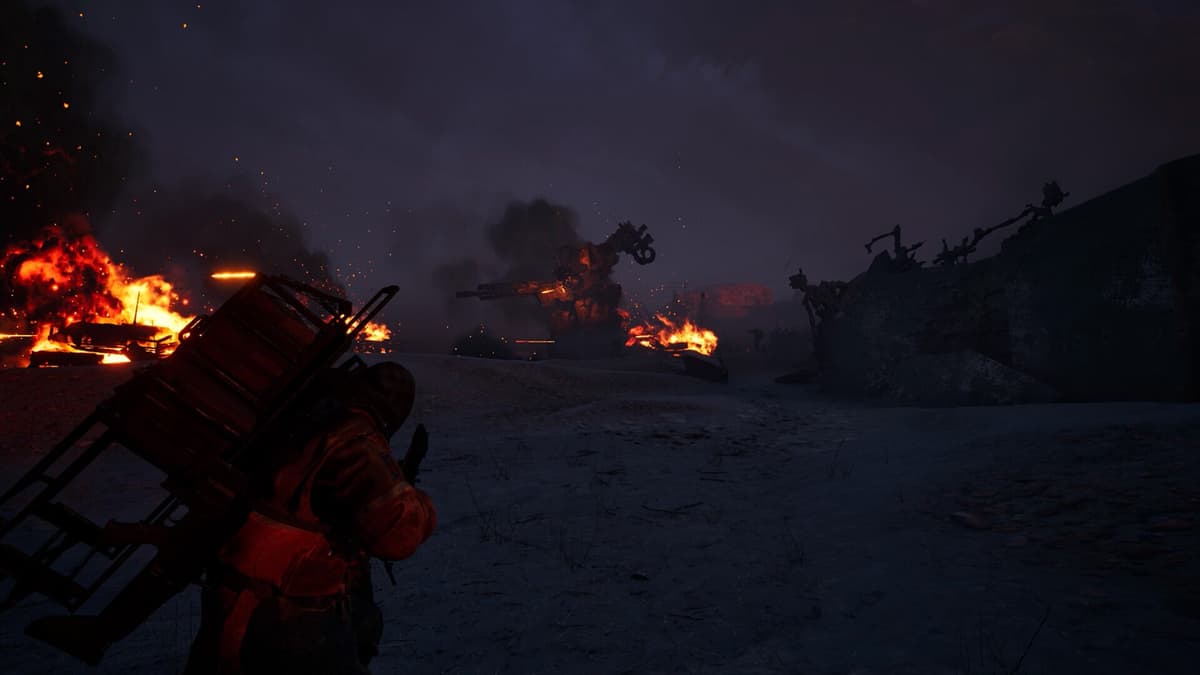
The Forever Winter is the only game on this list that genuinely unnerves me before I even hit “deploy.” You’re a tiny, fragile scavenger picking through the ruins of a world where titanic mechs, tanks, and drones are locked in an endless war. They’re not really interested in you – they’re hunting each other – but if you get caught in the crossfire, you’re just meat. The result feels less like you’re an action hero and more like you’re a cockroach trying to steal from a battlefield.
Each incursion is a grotesque kind of shopping trip. You pop up from the underground, scan the horizon for roaming war machines, and then dart between cover to strip weapons, components, and scrap from the bodies littering the field. The AI factions are busy beating each other to bits, so half the skill is learning to read the flow of those fights and sneak in when both sides are reloading, then scramble back to your extraction hole before someone notices. When it goes wrong, it goes very wrong – you’ll be atomised before you even know who saw you.
Right now it’s an Early Access curio: rough around the edges, performance‑hungry, and clearly mid‑development. But there’s nothing else quite like the mood it conjures. In a genre that usually makes you feel like the apex predator, The Forever Winter flips the script and puts you firmly at the bottom of the food chain. If you like your extraction experiences closer to survival horror than power fantasy, it’s absolutely worth putting up with the jank.
11. Helldivers 2
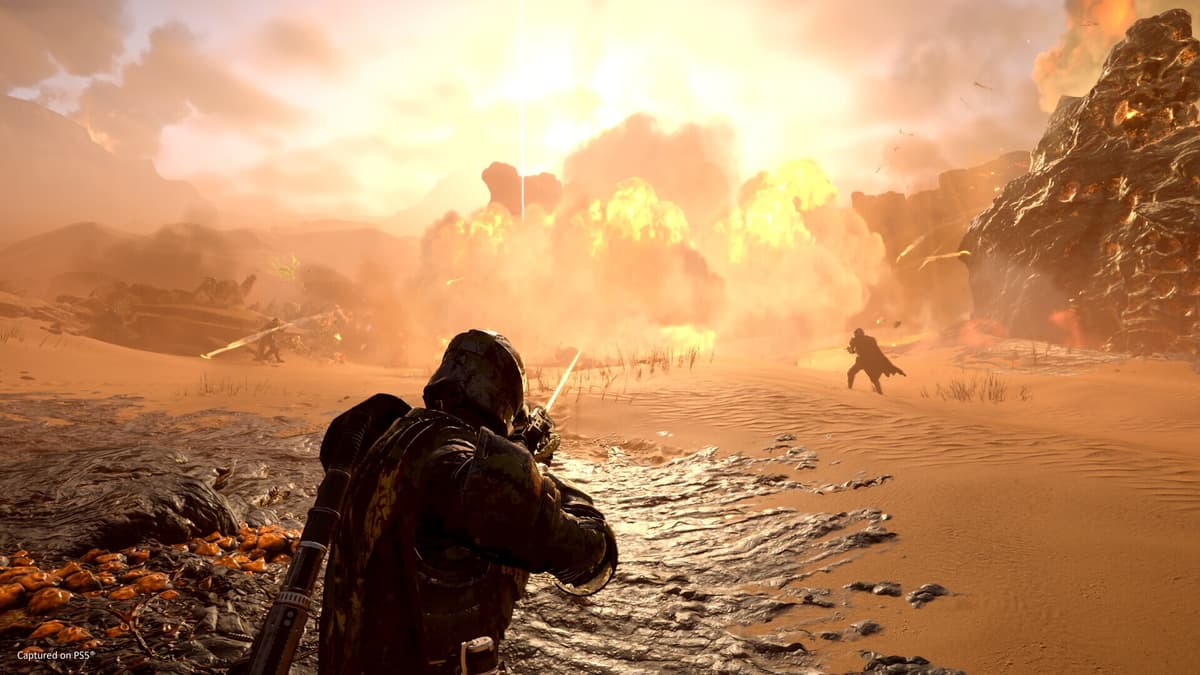
Helldivers 2 isn’t an extraction shooter in the purest, Tarkov‑style sense, but the way its missions climax around a desperate dash to the dropship absolutely scratches the same itch. You and up to three teammates drop onto bug‑ or automaton‑infested planets, complete a stack of objectives, then call in an evac shuttle and try to hold the LZ while the game throws everything it has at you. Make it aboard, and you’re showered with samples, medals, and resources. Wipe in the final minute and you’ll watch a lot of that hard‑won stuff evaporate.
The key difference here is that you’re not losing handcrafted loadouts between missions – your armour and guns are safe – but the mission‑by‑mission risk/reward tug of war is very extraction‑flavoured. Do you stay ten extra minutes to hunt for rare samples, knowing one bad pull can cost you the lot? Do you restart a failed op because you really wanted that resource bonus? I’ve had more arguments about “one more objective before we call the ship” in Helldivers 2 than in any actual extraction shooter.
What makes it such a good recommendation, especially if you’re new to all this, is how immediately fun it is even when you’re losing. Friendly fire, slapstick stratagem mishaps, and the sheer volume of explosions keep it light, but there’s real tension underneath. It’s also one of the most straightforward games here to pick up with non‑hardcore friends: no stash Tetris, no wipe seasons, just missions, unlocks, and increasingly spicy planets. If the full‑loot stuff sounds miserable but you like the idea of extracting under pressure, this is a perfect compromise.
Extraction shooters finally feel like a genre, not just a template
Looking across this list, what jumps out to me is how many different moods now live under the “extraction shooter” umbrella. There’s the sweaty PvP focus of Marathon, the methodical horror of Hunt, the milsim sprawl of Gray Zone Warfare, and the solo, duck‑powered grind of Escape from Duckov. A few years ago, it felt like everyone chasing Tarkov was either copying it too closely or shutting down after one shaky launch. Now, we’ve finally got a spread of options that fit different budgets, skill levels, and social circles.
The trade‑off is volatility. Early Access is everywhere, and some of these games will inevitably evolve or even disappear over the next couple of years. That’s kind of the nature of the genre: high risk, high reward, even for developers. From a player’s perspective, though, it’s a great time to experiment. Whether you want to lurk in the shadows, hoover up scrap beneath fighting war machines, or simply drag your friends squealing onto a dropship, there’s probably at least one game here that matches how you like to play.
FinalBoss // Gear
Level up your setup
01Graphics cardson Amazon→02Gaming laptopson Amazon→03High-refresh gaming monitorson Amazon→04Discounted game keyson Kinguin→Affiliate links · As an Amazon Associate, FinalBoss earns from qualifying purchases.
Want to Level Up Your Gaming?
Get access to exclusive strategies, hidden tips, and pro-level insights that we don't share publicly.
Ultimate Top Strategy Guide + Weekly Pro Tips