
Table of Contents (14)
How this ranking works
If you just want the short version, the best JRPGs on Switch still cluster around a very clear top tier: Xenoblade Chronicles 3, Dragon Quest XI S, Shin Megami Tensei V: Vengeance, Persona 5 Royal, and Fire Emblem: Three Houses. After that, the order gets more debatable fast. That is why this ranking is not trying to pretend there is one objective answer for every kind of player. It weighs current play value, version quality on Nintendo hardware, how well each game represents the platform, and whether it still feels easy to recommend in 2026 on Switch and on Switch 2 setups through compatibility or newer editions where applicable.
I also split “best” from “most important.” Some games here are here because they are the cleanest recommendations for most people. Others made the cut because the Switch became a genuine JRPG machine thanks to them. So yes, there are giant exclusives, old masterpieces, tactical games, and a few picks that are better than their reputation. If you want one list that covers the essentials without acting like every 90-hour RPG deserves your time equally, this is it.
1. Xenoblade Chronicles 3
This is still the safest “buy one JRPG on Switch” recommendation. Not because it is the simplest game here, and definitely not because it is the shortest, but because it does the broadest range of things well. It has the scale people want from a big modern JRPG, a party that actually feels like a party instead of a bundle of side stories, and combat that keeps layering systems without becoming total menu soup. When people talk about the Switch’s late-generation heavy hitters, Xenoblade Chronicles 3 is one of the games that keeps coming up for a reason.
The big selling point is balance. The class system encourages experimentation, the Ouroboros mechanic gives battles a real identity, and the world is huge without feeling like empty “go there because map marker” design. More importantly, it lands the emotional side better than a lot of sprawling JRPGs do. Its cast focus is what pushes it above many rivals. Even when the system load gets dense, there is usually a character moment, camp conversation, or story beat keeping the thing human. The caveat is obvious: this is a commitment. If you bounce off busy combat UIs or giant runtimes, it can feel like homework. But if you want the clearest argument for why Nintendo hardware became a home for prestige JRPGs, start here. It is the definitive modern Switch answer.
2. Dragon Quest XI S: Echoes of an Elusive Age – Definitive Edition
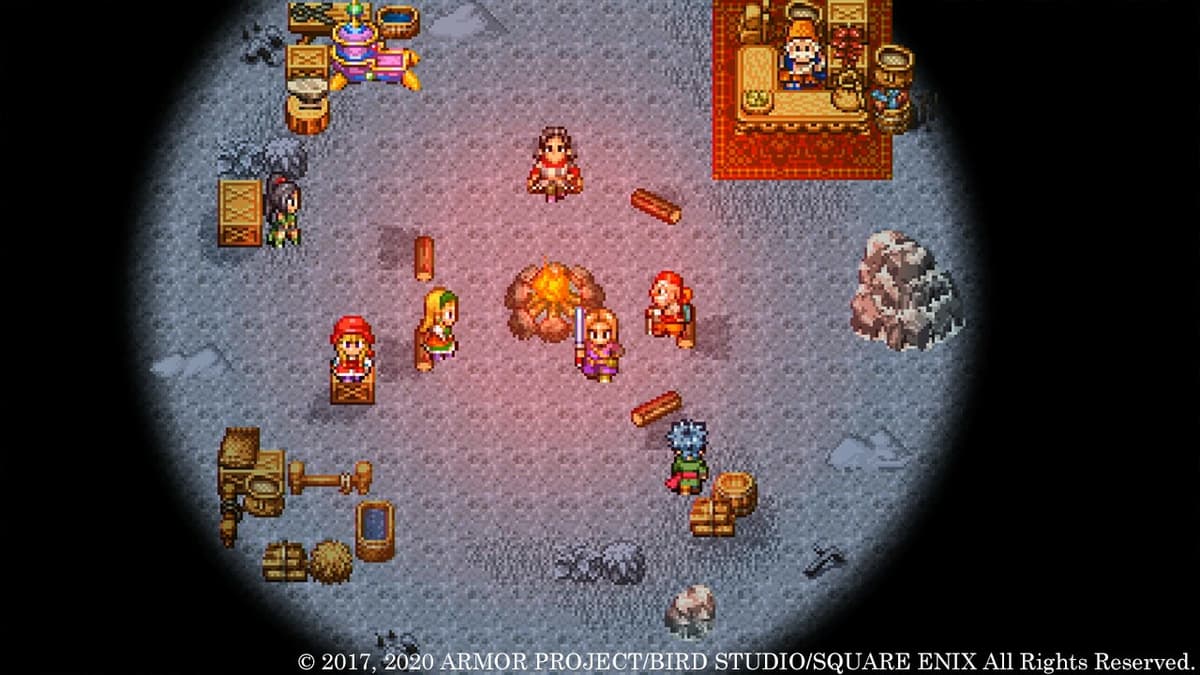
If Xenoblade 3 is the safest modern recommendation, Dragon Quest XI S is the safest classic one. This is the game people keep pointing to when they say they want a “real” turn-based JRPG on Switch: a world map feel, a clean heroic quest, a charming party, straightforward combat that still has enough status play and setup to stay interesting, and a pace that rarely feels sloppy. It is not trying to reinvent the genre. Its achievement is that it remembers exactly why the genre worked in the first place.
The Definitive Edition matters a lot here. The added story material, quality-of-life improvements, orchestrated music option, and even the 2D mode make this more than just a portable port. It feels like a complete recommendation, not a compromised one. The cast also does a huge amount of heavy lifting. Sylvando alone gives the game an energy boost most traditional JRPGs would kill for, and the later-act turns give the adventure more bite than its cozy opening suggests. The reason it sits just below Xenoblade 3 is mostly taste. If you want action-heavy systems or a more experimental structure, it can feel conservative. But if what you actually want is polished turn-based comfort with almost no friction, this might be your number one. For players chasing the purest “classic JRPG done right” experience on Switch, nothing beats it.
3. Shin Megami Tensei V: Vengeance
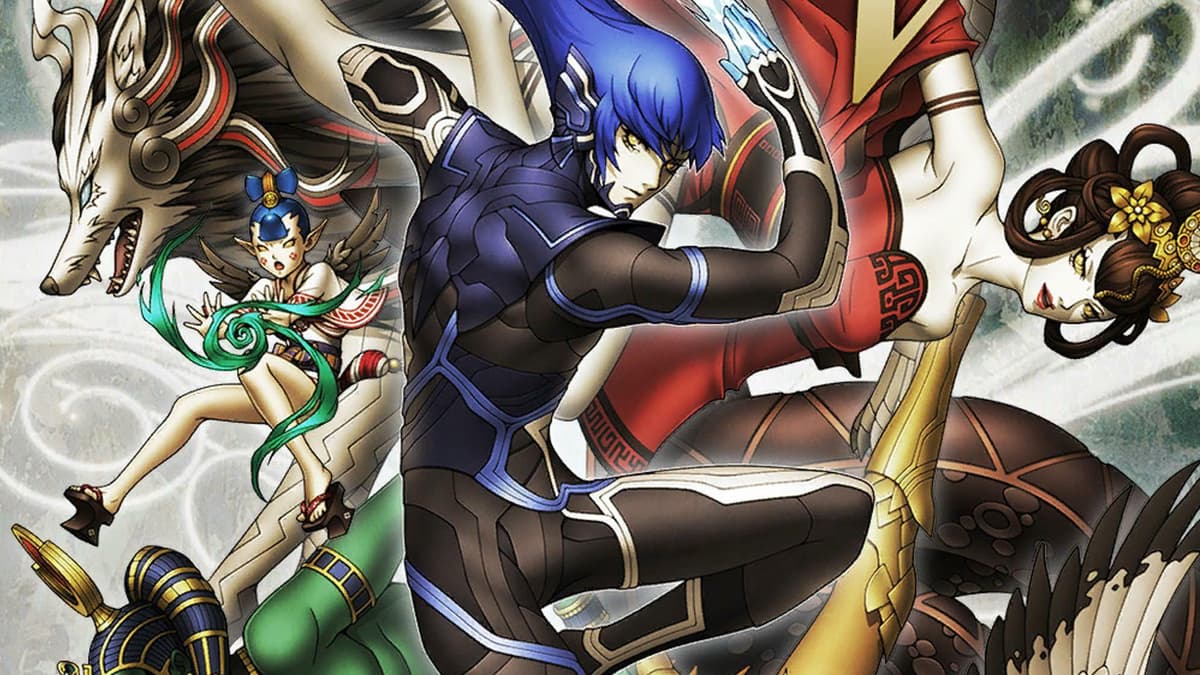
This is the entry that benefited most from people finally separating an updated version from the older consensus around the original release. Shin Megami Tensei V: Vengeance is the version that belongs on elite Switch JRPG lists. It sharpens the case for SMT as something more than “Persona’s harsher cousin.” The combat is some of the best turn-based design on the platform, full stop. Press Turn still creates that wonderful high-stakes rhythm where one good weakness exploit can make you feel brilliant and one mistake can get your team erased in seconds.
What lifts it this high is that the appeal is not just combat depth. The demon fusion loop is absurdly sticky, the build customization is excellent, and the atmosphere sells a very different kind of JRPG fantasy than the more sociable games above it. This is not about hanging out with a lovable crew for 100 hours. It is about moving through ruined spaces, making alignment-shaped decisions, and treating party composition like real strategy instead of flavor. The common caveat is story texture. Even fans who love SMT often admit it can feel cooler than it is emotionally involving. Vengeance improves the package, but it still does not chase the same kind of character intimacy as Persona 5 Royal or Xenoblade 3. That said, if your ranking leans hardest on battle design and party building, there is a strong argument this belongs even higher. For players who want the most mechanically satisfying turn-based challenge on Switch, this is the pick.
4. Persona 5 Royal
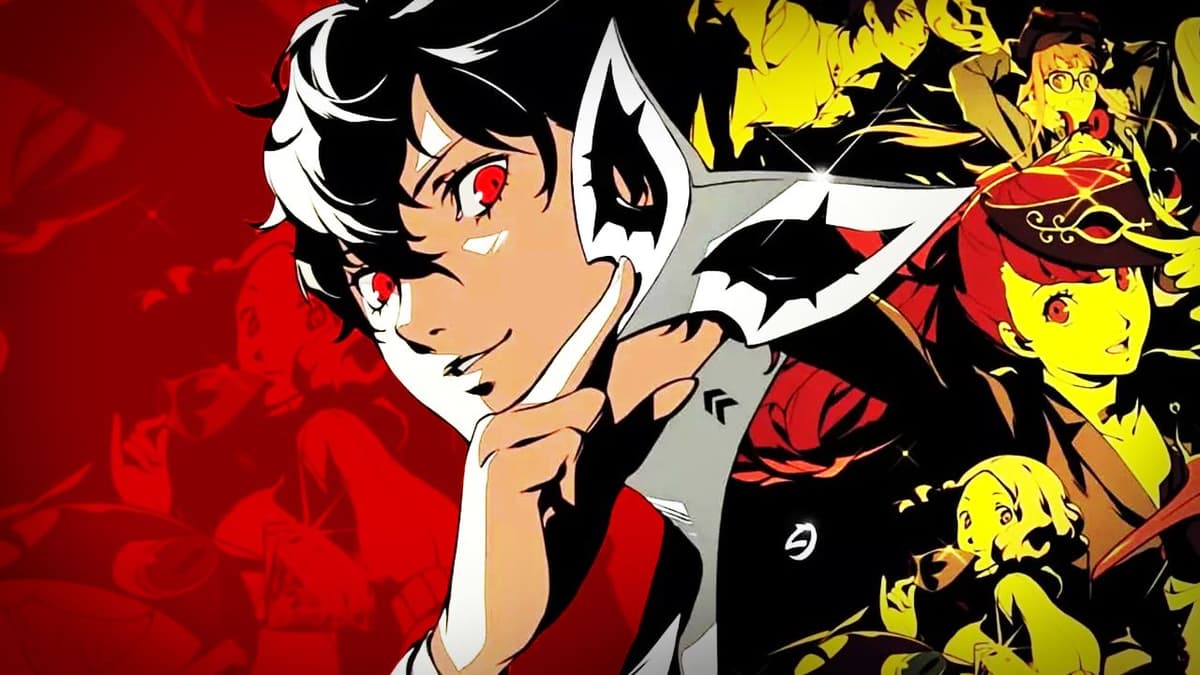
Persona 5 Royal is in the annoying position great games sometimes end up in: almost everybody agrees it is essential, but not everybody agrees it should win. That makes sense. It is one of the most stylish JRPGs ever made, it has a social loop that turns downtime into actual attachment, and its dungeon infiltration structure gives the usual turn-based rhythm more momentum than a lot of menu-driven peers. On pure personality, very few games on Switch can touch it. This thing has confidence pouring out of every screen transition.
The reason it lands at four instead of one is not a knock on quality. It is more about recommendation fit. Persona 5 Royal is long in a very specific way. You are not just signing up for combat and story; you are signing up for calendar management, relationship priorities, and a deliberately structured pace that some players find immersive and others find restrictive. On Nintendo hardware, it is still a must-play, but some fans also rank it below the very top because its port expectations and linearity change the feel compared with more systems-driven or more platform-native picks. None of that kills the recommendation. If you want one of the strongest casts in the genre, slick turn-based battles, and a game that makes even routine menu actions feel cool, it absolutely belongs near the top. Just go in knowing this is a meticulously directed ride, not a sandbox for every taste.
5. Fire Emblem: Three Houses
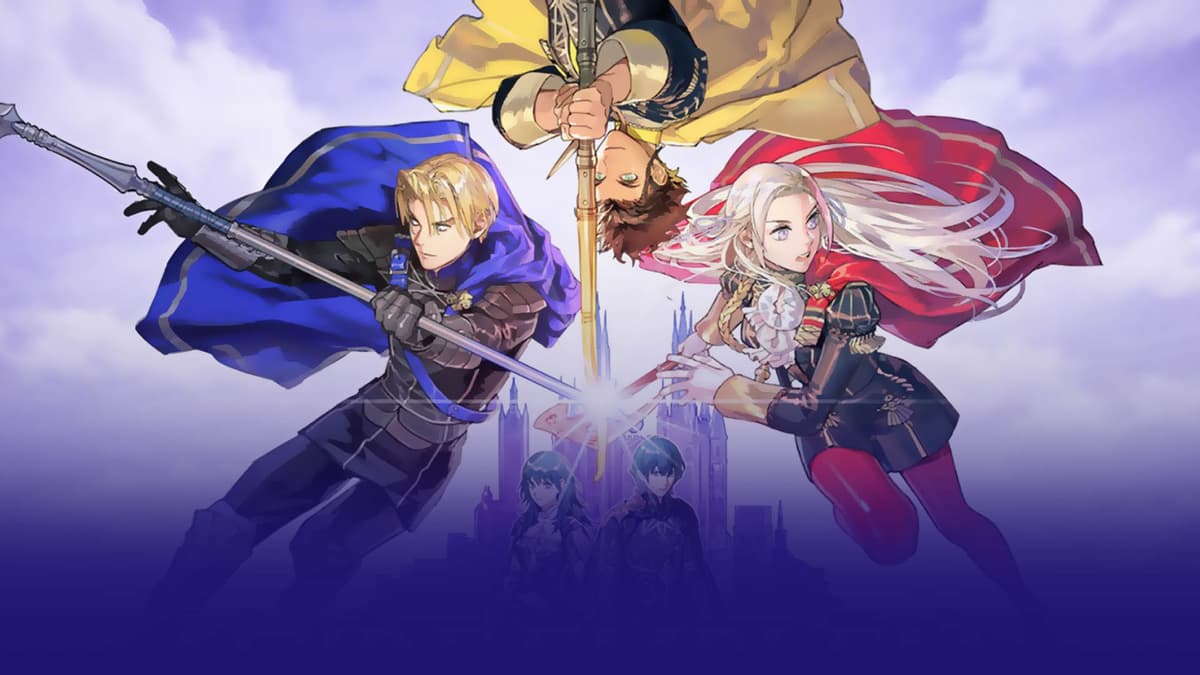
Yes, this stretches the JRPG label toward tactical RPG territory. It still belongs here. In fact, leaving it out would make a “best JRPGs on Switch” ranking feel fake, because Three Houses is one of the games most tied to the platform’s identity. It keeps showing up near the top of public Switch JRPG roundups for a reason: strong writing by genre standards, a memorable cast, route-based structure that invites debate, and strategy battles that are approachable without feeling brain-dead. Even people who do not normally live in grid-based combat often end up sticking with this one because the character investment is so strong.
The monastery loop is the make-or-break piece. For some players it is the heart of the experience, giving the school setting texture and making unit growth feel personal. For others it is exactly where replay fatigue starts. That split is why I would not put it above the four games ahead of it as a universal recommendation. But as a Switch-era essential, it is impossible to ignore. The route design also helps it stand out in a crowded field. This is not just a matter of “pick your house for color.” The perspective shifts change how you read the world, and that gives the game a longer afterlife than many single-route epics. If you want the strongest strategy-heavy JRPG recommendation on the system, this is it. If you want nonstop exploration and dungeon crawling, it is probably not. Placement here is about impact as much as pure combat.
6. Xenoblade Chronicles: Definitive Edition
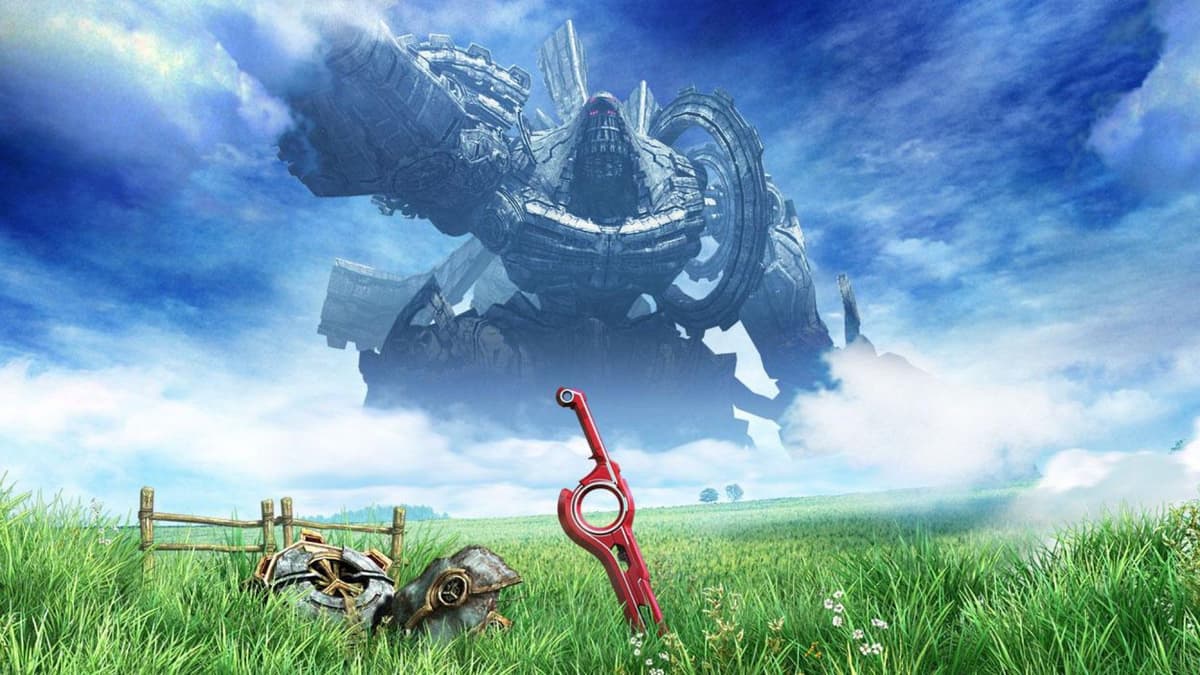
Putting two Xenoblade games this high is not overkill. It is just accurate to what the Switch library became. Xenoblade Chronicles: Definitive Edition is still one of the most important JRPG recommendations on the platform because it gives you the clearest path into a series that helped define Nintendo’s modern RPG reputation. It is less refined than Xenoblade 3 in some obvious ways, but it also has a directness that many players still prefer. The central hook lands immediately, the setting remains one of the coolest premises in the genre, and the future-vision mechanic gives battles a tension that separates it from every other “auto-attack with cooldown arts” game people lazily lump together.
The caveat is that its age still shows beneath the polish. Side quest clutter can get messy, combat onboarding is not as elegant as the best current games, and some systems feel like they belong to an earlier design era. The Definitive Edition smooths a lot of that out, but it does not fully modernize the game’s DNA. That is also part of the appeal. You can see why this game mattered. You can feel the sense of place in its giant body-based landscapes, and the emotional spine still hits harder than plenty of newer, prettier RPGs. If Xenoblade 3 is the series at its most rounded, this is the one to play if you want the foundational text. It earns this rank because it is not just historically important. It is still genuinely worth playing now.
7. Octopath Traveler II
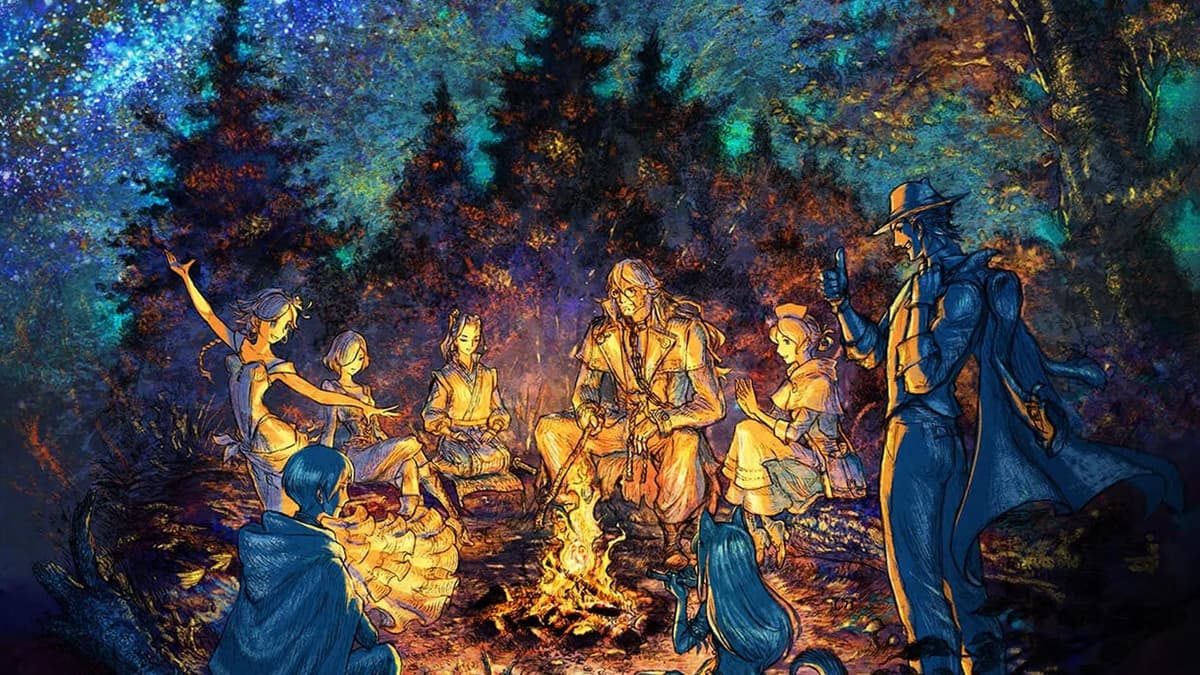
This is the game I recommend when someone says they want beautiful turn-based combat on Switch but are not desperate for one giant central narrative to glue everything together. Octopath Traveler II fixes a lot of the first game’s biggest friction points without throwing out what made the series stand out. The HD-2D presentation still looks fantastic, but the real reason it ranks this high is the battle system. Break and Boost remains one of the smartest modern JRPG combat frameworks around because it is easy to understand, satisfying to manipulate, and constantly makes even regular encounters feel like small tactical puzzles.
The eight-protagonist structure is still divisive, and pretending otherwise would be dishonest. Even with better character interaction and stronger connective tissue than the original, this is not the game for players who want a tightly unified party arc like Persona 5 Royal or Dragon Quest XI S. But if your patience for old-school storytelling quirks is reasonably high, the payoff is enormous. Every chapter has a strong sense of place, path actions make towns feel more interactive than usual, and the soundtrack does the sort of emotional overperforming that JRPG fans live for. I would not call it the single best all-around JRPG on the system, because that fragmented structure will always cap it a little. I would absolutely call it one of the best combat-first recommendations. If you care most about tinkering with jobs, setups, and damage windows, this belongs much closer to the top of your personal list.
8. Final Fantasy IX
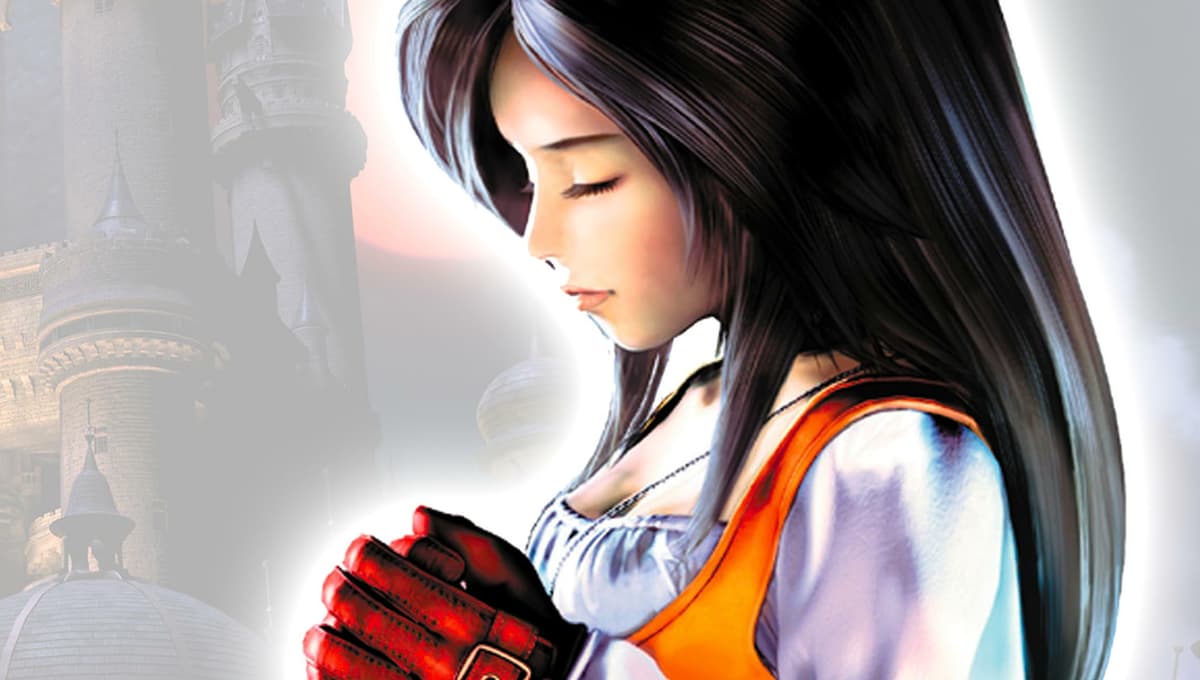
Older JRPGs matter on Switch because the platform’s strength is not just exclusives. It is also the way the system turned into a comfortable home for all-time greats. Final Fantasy IX is the legacy pick that keeps earning its place because it still feels distinct. It is not trying to be sleek or edgy. It is a storybook fantasy with maybe the warmest party chemistry in the mainline series, a world that feels whimsical without losing emotional bite, and a tone that lets comedy, melancholy, and existential dread sit in the same room without collapsing.
There are older-game caveats, obviously. The pace can feel slower than modern players expect, the battle flow shows its era, and some systems are less immediately transparent than newer JRPG design tends to allow. On Switch, though, its quality-of-life features do a lot of work. That matters. It turns a revered classic into something genuinely easy to slot into a modern backlog instead of a museum recommendation people respect more than they enjoy. The biggest reason it makes this ranking over some newer games is identity. There is still nothing quite like Zidane, Vivi, Garnet, and company as a group, and the emotional arcs hit with a grace that many larger modern productions never quite match. If you want a reminder that “best JRPGs on Switch” should include more than recent releases, this is the game that proves the point most cleanly.
9. Triangle Strategy
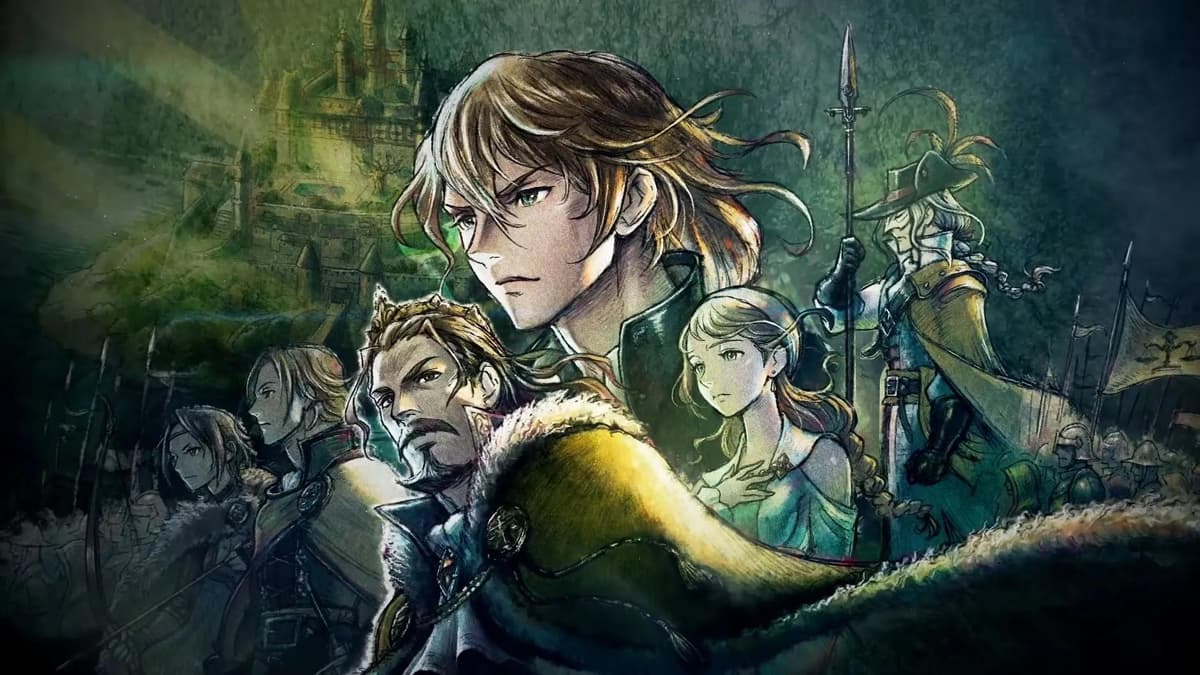
This is the pick for players who want politics, consequences, and strategy maps that actually make terrain matter. Triangle Strategy had a rough first impression for some people because it asks for patience. The opening hours are heavy on setup, the dialogue load is real, and if you go in expecting Fire Emblem speed, it can feel stiff. Stick with it and the whole thing snaps into focus. The conviction system, vote mechanics, and battle maps work together in a way that makes decisions feel structural rather than decorative. You are not just picking dialogue flavor; you are shaping the campaign’s logic.
The combat is the other reason it ranks so well. Positioning matters, elevation matters, unit roles matter, and the game gets a lot of mileage out of limited movement and carefully defined specialties. It does not hand you a giant toy box and say “break it however you like.” It gives you a disciplined tactical ruleset and asks you to think. That is exactly why some players adore it and others bounce. If you want overworld exploration, freeform party building, and constant spectacle, there are better picks above it. If you want a strategy JRPG that respects your brain without becoming unreadable, this is one of the best on the platform. It earns this slot because it offers something the rest of the upper tier mostly does not: genuine political texture and map design that carries as much narrative weight as the script.
10. Live A Live
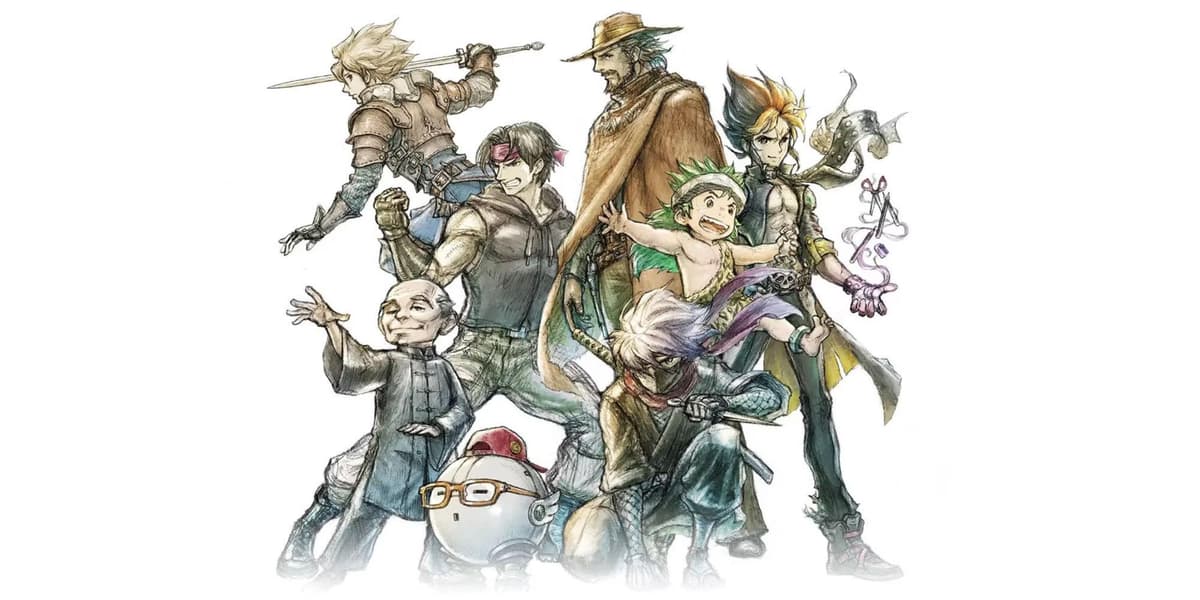
Live A Live is one of the smartest additions to the Switch JRPG conversation because it reminds people the genre does not have to be one enormous road trip with the same structure for 60 hours. Its anthology format gives each chapter a distinct flavor, setting, and pacing hook, which makes the whole game feel weirdly fresh even though its roots are old. The HD-2D remake treatment also fits it better than it fits some other projects. It does not just make the game prettier; it sharpens the theatrical, almost vignette-like quality that makes each scenario memorable.
The obvious risk is unevenness. Some chapters will click harder than others depending on what kind of JRPG player you are. That is not really a flaw you can patch out; it is baked into the design. But the upside is huge. The short-form structure keeps the game lively, the final convergence pays off the experiment, and the battle system has just enough positional identity to avoid feeling like a pure relic. It also fills a valuable role in the Switch library. Not every recommendation should be a 100-hour commitment with spreadsheets of side systems. Live A Live is compact by JRPG standards, historically important, and still playful in a way many prestige releases are not. If your backlog is already full of gigantic epics, this is the palate cleanser that still feels like essential reading rather than side-dish material.
11. Trials of Mana
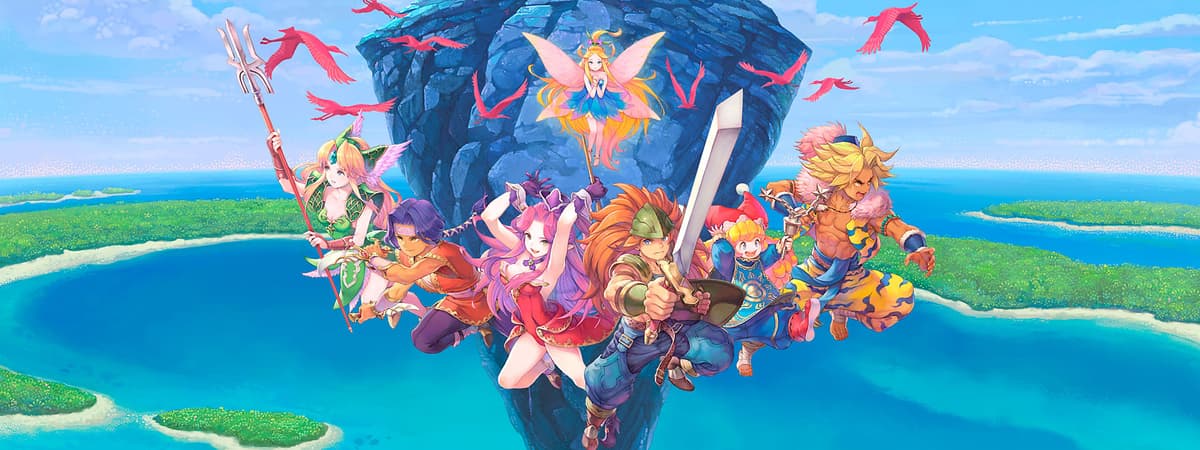
This is not the most prestigious game on the list, and that is exactly why I like keeping it here. Trials of Mana earns its place as the breezier action-JRPG recommendation that does not waste your time trying to look more important than it is. Nintendo’s own older Switch JRPG guidance gave it real visibility, and that makes sense: it is approachable, colorful, flexible with party setup, and immediately readable in handheld play. The class change system gives progression enough shape to stay interesting, and the combat has far more momentum than the genre’s more turn-based heavyweights.
The story is thin compared with the games above it, and I would not pretend the writing competes with the top tier. This is a systems-and-flow recommendation. You pick a trio, you build toward classes, you carve through fights, and the whole game keeps moving. That matters on a platform where not everybody wants every JRPG to become a seasonal lifestyle commitment. There is also something valuable about a game that feels comfortable recommending to players who want to ease into the genre instead of signing a 90-hour contract on day one. It misses the very top because its ambitions are narrower and its dramatic weight is lighter. Still, as part of what made the Switch such a good JRPG home, it deserves respect. Play this if you want action, bright pacing, and a game that remembers fun is a quality all by itself.
12. Final Fantasy XII: The Zodiac Age
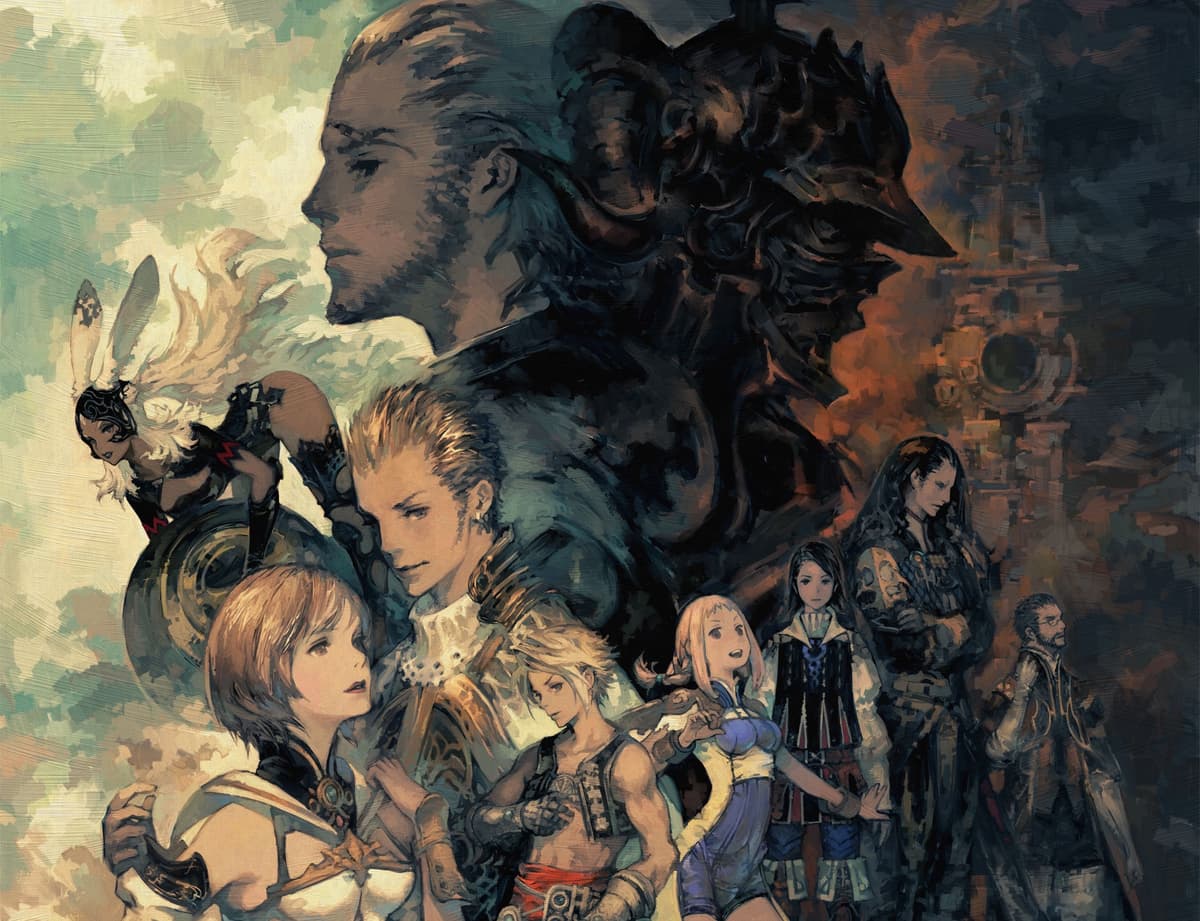
If there is one older port on Switch that keeps punching above its age for sheer usability, it is Final Fantasy XII: The Zodiac Age. This game fits handheld play absurdly well because its rhythm is so system-driven. The Gambit system turns party behavior into a kind of programmable strategy language, and once it clicks, you stop treating random encounters like interruptions and start treating the whole world as a machine you are constantly tuning. That makes it one of the most satisfying “just one more quest chain” JRPGs on the system, even though its design is very different from the more overtly character-led games higher up.
It also helps that The Zodiac Age version is simply a better recommendation than the original release used to be. Job choices are clearer, quality-of-life improvements matter, and the whole package feels more legible to modern players. The reason it lands at twelve instead of higher is that its tone and structure can be a little cold for people who want an intimate party drama. Vaan is not exactly carrying the emotional center the way other protagonists here do, and the political scale can create distance if you are looking for immediate warmth. But as a piece of JRPG craft, it has aged beautifully. It offers a very different fantasy than the rest of this list: less school life, less chosen-one comfort, more roaming through a world that feels like it exists whether you are there or not. For players who love systems, automation, and world-building, this can quietly become the most addictive game here.
The practical takeaway
If you want the single safest recommendation, buy Xenoblade Chronicles 3. If you want classic turn-based comfort, go with Dragon Quest XI S. If combat depth matters more than warmth, pick Shin Megami Tensei V: Vengeance. If you want style, characters, and a long structured ride, choose Persona 5 Royal. For tactics, the answer is Fire Emblem: Three Houses first and Triangle Strategy right behind it. That is really the story of the best JRPGs on Switch in 2026: the top tier is stable, the order depends on taste, and the platform still has one of the strongest genre libraries Nintendo has ever hosted.
FinalBoss // Gear
Level up your setup
01Best-selling Switch 2 gameson Amazon→02Switch 2 accessorieson Amazon→038BitDo controllerson Amazon→04Discounted game keyson Kinguin→
Affiliate links · As an Amazon Associate, FinalBoss earns from qualifying purchases.
Want to Level Up Your Gaming?
Get access to exclusive strategies, hidden tips, and pro-level insights that we don't share publicly.
Ultimate Top Strategy Guide + Weekly Pro Tips