
Table of Contents (14)
How deckbuilders broke my brain (in a good way)
I remember when Dominion first hit my table and my friends and I realised, “Wait, the deck is the game.” Years later, after hundreds of hours of digital deckbuilders, that magic can start to fade. Play enough Slay the Spire-likes and you know the script: draw five, spend energy, win or die, retry. Fun, but familiar.
This list is about the games that made me feel that original spark again. The ones that twist the idea of a “deck” until it becomes a tactical grid, a horror story, a poker table, or a pile of cursed tokens you’re genuinely afraid to draw. Some are modern classics you’ve probably bounced off at least once. Others are new or upcoming experiments that feel like designers trying to break out of their own genre.
These 12 picks aren’t strictly ranked from worst to best. Think of the numbers more like a route through the genre’s evolution: from the roguelike blueprint through spatial tactics and negotiation systems, all the way to 2026’s weirder French indies that ditch cards entirely. If you’ve ever thought “all deckbuilders feel the same now,” this is the pile that proved me wrong.
1. Slay the Spire
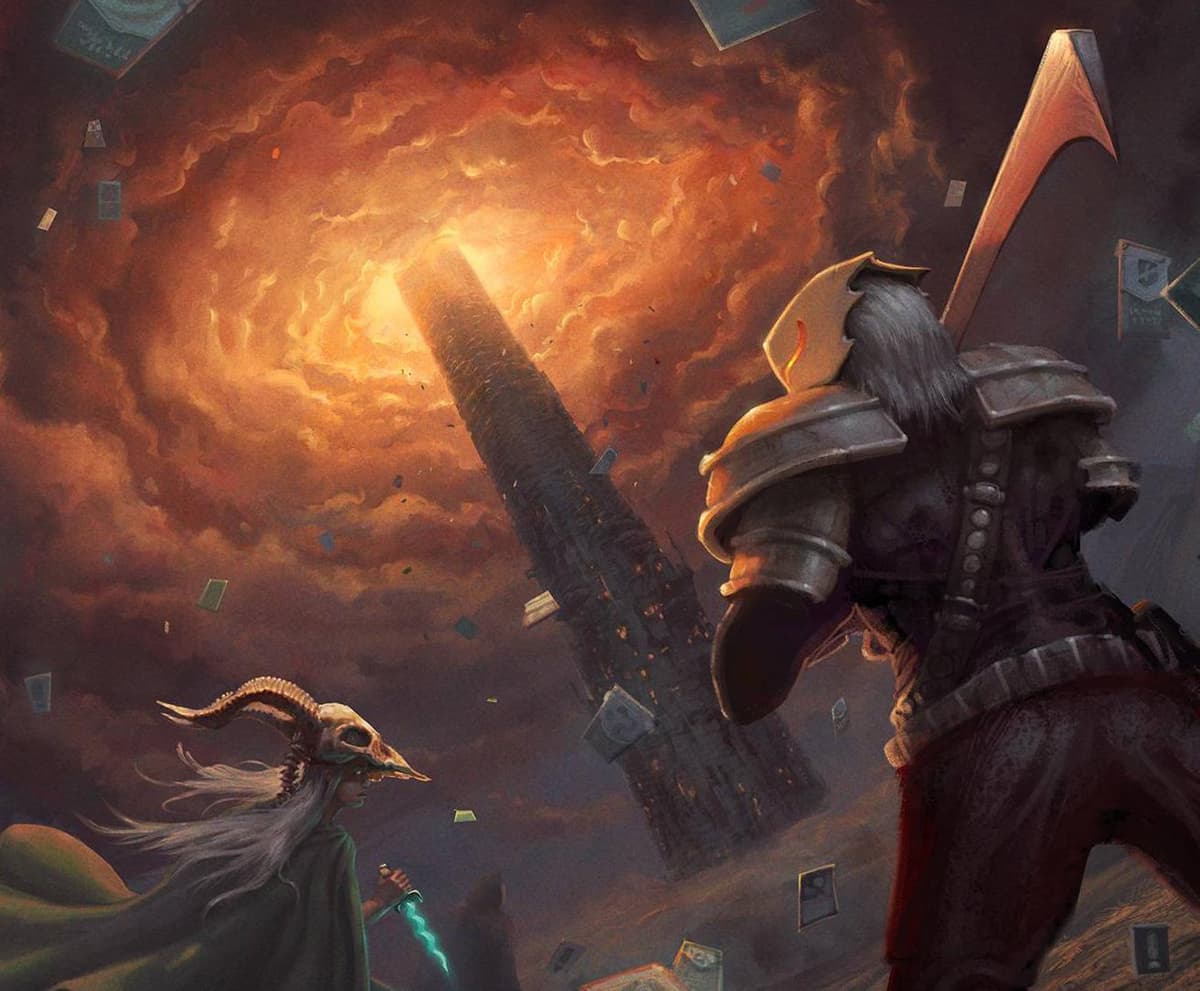
I can’t pretend to be cool and start somewhere obscure. Slay the Spire is still the gravitational centre of digital deckbuilding, and the first game that made me say, “Oh, this genre just levelled up forever.” I bought it on a whim, lost a weekend, and then realised I’d somehow clocked 80 hours mostly trying to make poison Silent work on Ascension.
What made it such a shock at the time wasn’t just that it fused roguelikes with deckbuilding; it was how aggressively it forced you to unlearn tabletop habits. Dominion and Star Realms train you to build an engine that grows and grows. Slay the Spire rewards the opposite: ruthless thinning, tiny hyper-focused decks, and relic-driven combos that feel almost illegal when they come together. The map adds another strategic layer – choosing routes for events, elites and bonfires becomes as important as the cards themselves.
Some of my favourite gaming memories are the “it can’t possibly work… oh no, it works” runs. A Defect build cycling orbs so fast the screen is just lightning spam; an Ironclad who never blocks because Burning Blood and self-damage synergies keep him alive; a Silent who wins with one Shiv card and a pile of relics. Even years later, and after countless imitators, Slay the Spire still feels like a design thesis on what deckbuilding can do when every card, relic and route choice talks to each other.
2. Monster Train
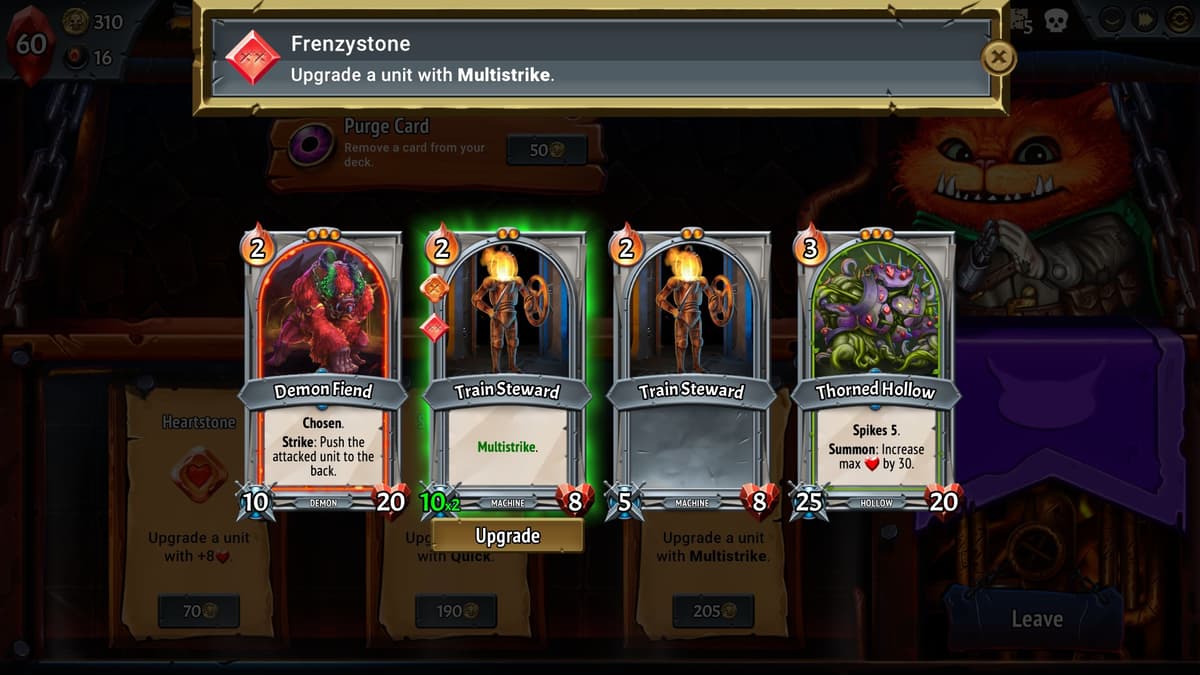
Monster Train was the first game that made me feel like someone had actually challenged Slay the Spire on its own turf instead of just copying it. I fired it up expecting “Spire but demons” and instead got a three-floor tower defense puzzle on a hellbound locomotive, where bad positioning can ruin a run faster than a bad draw.
The genius twist is that your deck isn’t just numbers on abstract enemies. You’re managing units and spells across multiple floors of a moving train, trying to keep your pyre alive at the top. Drop a tanky demon on floor one, set up a glass-cannon backliner behind them, then use spells to buff, heal or clear whole enemy waves before they climb. Clan combos – like melting-remnant necromancy fused with hellhorned rage – let you build engines that feel fundamentally different from run to run.
My favourite moment with Monster Train was the first time I leaned fully into a ridiculous line: stacking endless multistrike and damage buffs on a single champion, then watching bosses evaporate in one combat round. But it punishes autopilot. Misplacing a support unit or forgetting an enemy has sweep can undo ten minutes of perfect play. By turning the battlefield into a vertical puzzle, Monster Train proved that deckbuilders don’t have to be about a single lane of enemies — the board can matter as much as the cards.
3. Fights in Tight Spaces
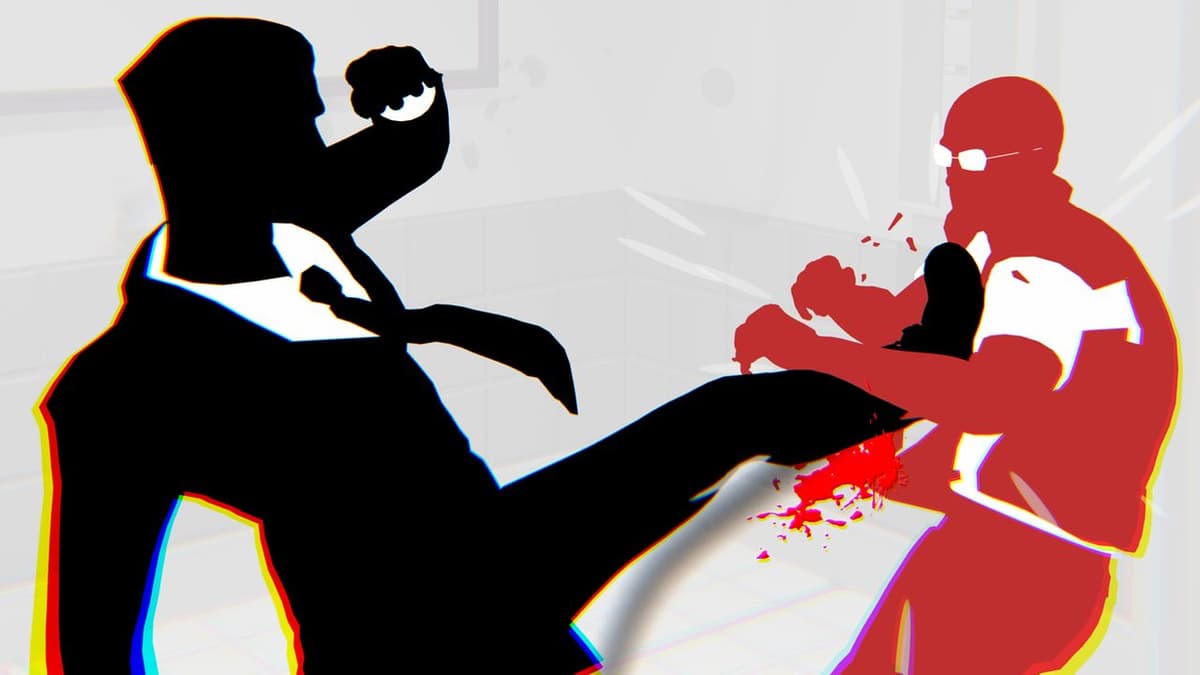
If Monster Train stretches the battlefield vertically, Fights in Tight Spaces shrinks it down until every tile matters. When I first loaded it up, I thought it was just “John Wick, the deckbuilder” because of that black-and-white aesthetic and bone-crunching replays. A few missions in, I realised it’s one of the purest spatial strategy games I’ve ever played — and your deck is basically your move list.
Every card is a punch, kick, dodge, push or improvised takedown. You’re constantly juggling three resources: damage, positioning and tempo. Do you spend your limited movement to escape a kill zone, or stay in danger to line up a chain shove that throws three guys through a window? Enemies telegraph their attacks, but the puzzle is figuring out how to weaponise them against each other using your tiny hand of options.
My “this game is special” moment came in a cramped bathroom mission. I had one health, two enemies aiming at me, and a hand full of what looked like garbage. By chaining a slip, a push and a counter, I ended the turn untouched while both goons knocked each other out. That kind of emergent coolness doesn’t happen if cards are just numbers on a log. Fights in Tight Spaces makes your deck feel like a choreography tool — you’re not just optimising DPS, you’re directing an action scene one card at a time.
4. Vault of the Void
Vault of the Void is the game I recommend to people who love Slay the Spire but secretly wish the RNG would leave them alone for five minutes. It’s a deckbuilder built by someone clearly allergic to “I died because I didn’t draw block,” and it leans hard into giving you information and control instead of wild variance.
The core trick: you see your upcoming draws before each fight, and you can swap cards in and out of your deck between battles with almost no friction. There’s no big “trash this card forever” drama — the whole system nudges you toward constantly tuning your list to the enemies and modifiers ahead. Void Stones socketed into cards add another layer of customisation, turning basic attacks into armour generators or card draw engines depending on what you need.
I remember one run where I basically constructed a deterministic kill machine: every turn followed the same script, and the only way it failed was if I misclicked. That sounds boring, but in practice it felt like building a watch and then watching all the gears turn perfectly. Vault of the Void proves that “roguelike” doesn’t have to mean “pray for good relics.” If you like deckbuilding as a pure optimisation puzzle — closer to programming than gambling — this one rewires your brain in the best way.
5. Inscryption
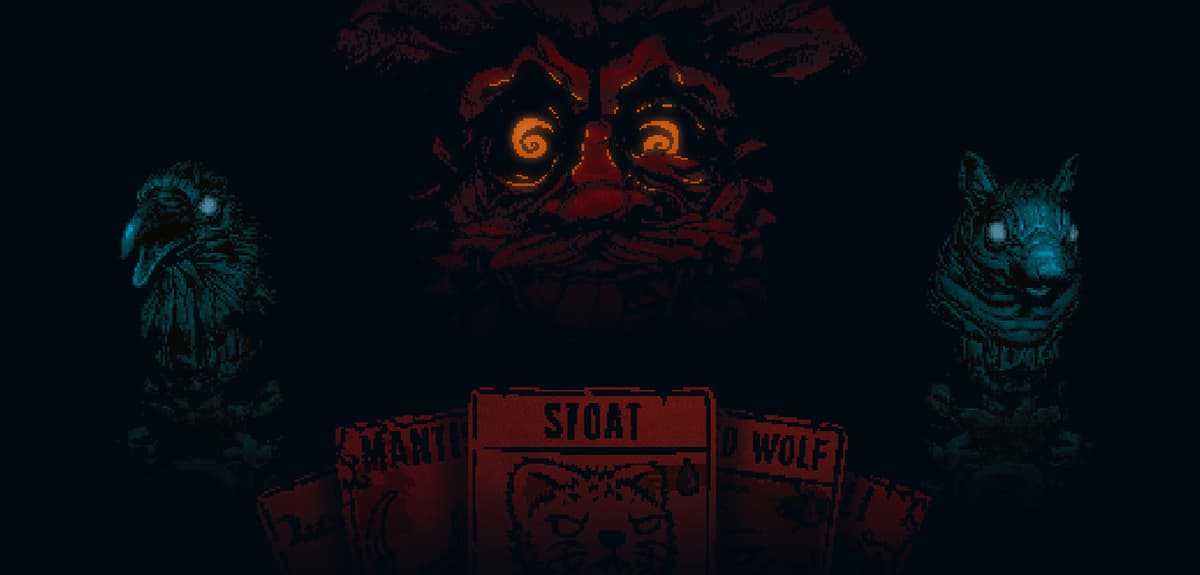
Inscryption is the only deckbuilder that’s ever genuinely creeped me out. I went in expecting a quirky card roguelike; I got a haunted tabletop game that slowly eats its own rulebook. It’s hard to talk about why it’s special without spoiling the fun, but if you care about design experimentation, you owe it to yourself to see at least the first act through.
On the surface, Act 1 is a brutally unfair, four-lane creature battler where you sacrifice weaker animals to play stronger ones, using their blood as your “mana.” That alone feels like a twisted take on something like Magic: The Gathering. But the real hook is how the game keeps asking, “What if this particular rule just… changed?” Totems alter how your cards behave, you literally stand up from the table to solve puzzles in the cabin, and certain cards seem uncomfortably aware that they’re trapped in a video game.
I still think about the first time I was “offered” the chance to permanently improve a card in a way that felt like a blessing and a moral compromise at the same time. Inscryption uses deckbuilding as a narrative weapon: every system twist feeds back into the story about control, authorship and obsession. It’s not the game to play if you just want endless comfy runs. But as a demonstration of how far you can bend a card game without breaking it, it’s unmatched.
6. Griftlands
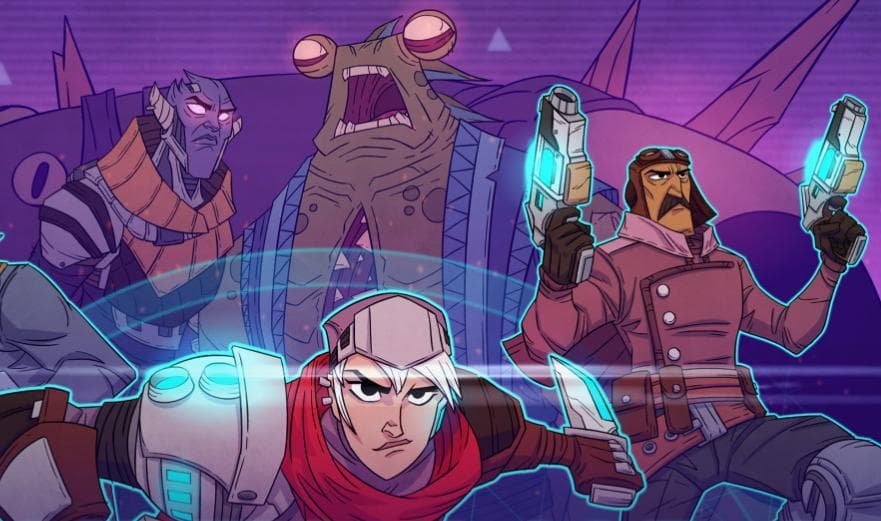
Griftlands is the deckbuilder that convinced me conversations could be as mechanically rich as combat. When I first heard “you have one deck for fighting and another for negotiating,” I assumed the latter would be a cute mini-game. Instead, the negotiation system quietly stole the show and made every dialogue option feel like a tactical decision.
In negotiations, your arguments and your opponent’s become entities on a circular “board,” each with their own hit points and effects. Some cards attack the core argument, others target supporting points, some generate new angles to protect your case. You’re not just picking “persuade” or “threaten” from a menu; you’re building an engine for how your character debates, manipulates or bluffs their way through the world. Failures matter, too — botched negotiations can close quest lines or make future encounters nastier.
What I love is how Griftlands ties it all together: cards you earn from helping someone might be either combat tricks or rhetorical flourishes, and both are grounded in who your character is. I still remember a Sal run where I leaned hard into intimidation, turning every encounter into a high-risk attempt to bully people into submission. It worked… until it didn’t, and the world pushed back. Griftlands shows that deckbuilding doesn’t have to be isolated from story; it can be the story, shaping relationships and consequences with every card you play.
7. Nowhere Prophet

Nowhere Prophet hit me at a weird angle because I went in expecting “Mad Max Slay the Spire” and got something closer to a convoy survival sim where my deck was literally a list of people I cared about. It’s a post-apocalyptic pilgrimage across a hex map, and every card in your unit deck is a follower who can be wounded or die permanently.
Combat plays out on a 3×3 grid for each side. Your leader moves and attacks, while your followers take positions and soak hits. The stakes are high because a bad trade doesn’t just lose you some abstract armour; it might mean your favourite sniper is gone forever, and your deck gets weaker in a lasting way. Outside of fights, you’re juggling food, hope and distance to the next safe haven in events that often ask you to sacrifice someone or something for the greater good.
One run that’s burned into my brain involved nursing a single overlevelled tank through half the map, only to lose them in a greedy optional fight. Watching that card vanish from my deck felt worse than any roguelike death screen. Nowhere Prophet uses deckbuilding to make you feel attached to more than numbers. It turns “thinning your deck” from a pure efficiency move into a moral and emotional decision, and that’s a twist I didn’t know I wanted.
8. Gordian Quest
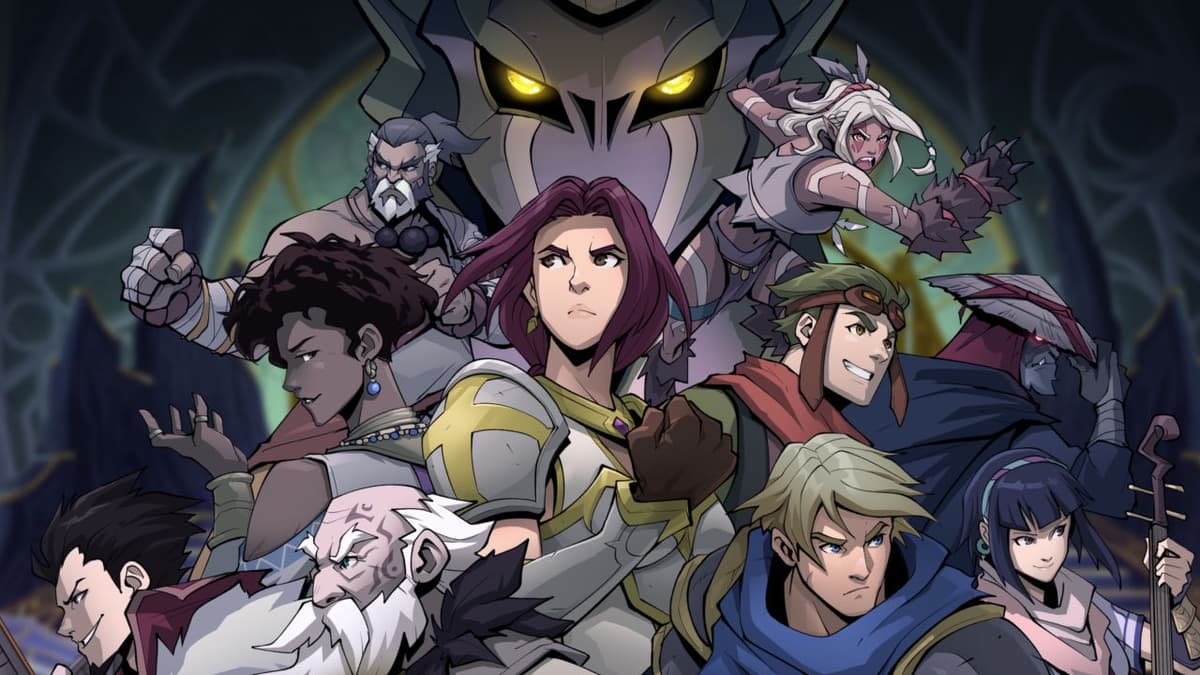
Gordian Quest is what happens when someone asks, “What if a full D&D campaign was built entirely around decks?” Instead of quick 30-40 minute runs, you get sprawling acts, town hubs, side quests and character builds that feel closer to an RPG than a traditional roguelike. I loaded it up thinking I’d squeeze in a run before bed and looked up three hours later still fine-tuning my ranger’s skill grid.
You control a party on a single combat line, with frontliners soaking hits and backliners slinging spells or arrows. Each hero has their own deck and talent tree, and a big part of the joy is discovering how those decks can interlock. Maybe your bard stacks buffs and debuffs while a warrior capitalises with huge single-target slams; maybe your rogue builds a discard engine that feeds energy to the mage. Positioning and initiative matter as much as card quality, so swapping heroes around mid-fight can swing an encounter.
What makes Gordian Quest stand out for me is how committed it is to long-term progression. Finding a new card isn’t just, “Is this better than my worst?” It’s, “Does this slot into my combo three turns from now, and does it justify the talent I’m aiming for two levels away?” It scratches that same brain itch as tinkering with a pen-and-paper build, just streamlined through a deck. If you’ve ever wished Slay the Spire let you keep one character and grow them across a whole campaign, this is that fantasy, fully realised.
9. Wildfrost
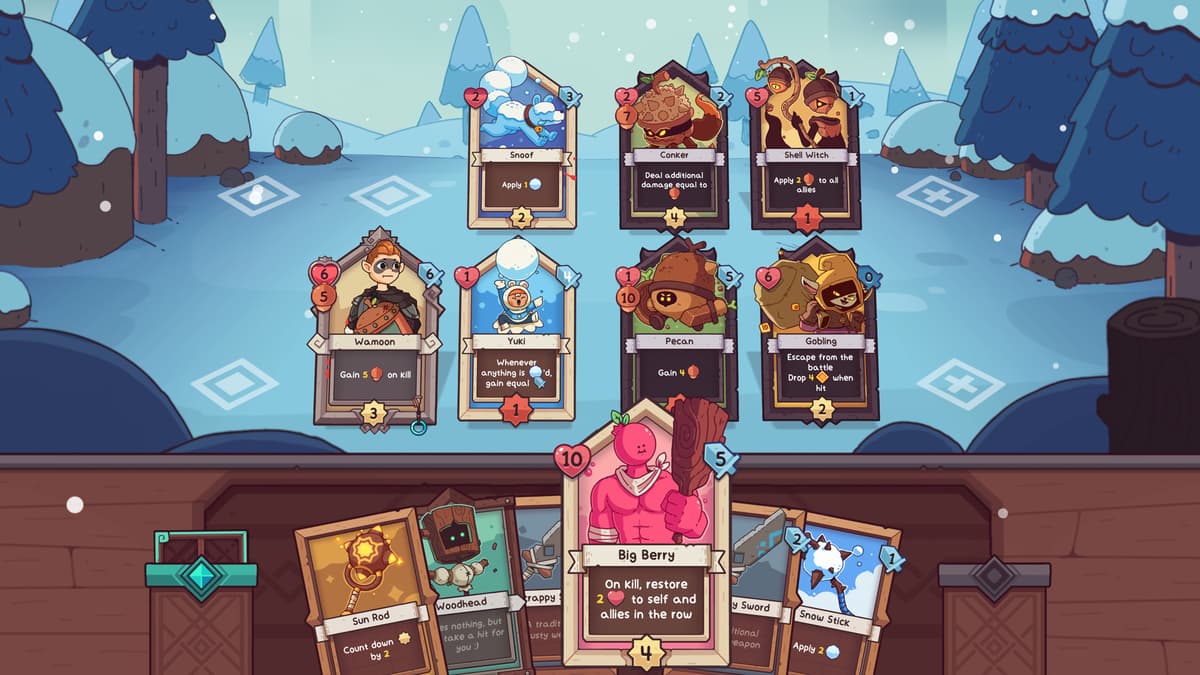
Don’t let the adorable art fool you: Wildfrost is one of the meanest deckbuilders on this list, and its twist on turn order and unit timers feels nothing like the “draw-play-end turn” loop you’re used to. I booted it up expecting a cosy tactics game and instead got a cold lesson in planning around countdowns.
Every unit card — including your leader — has a “counter” stat instead of a speed or initiative bar. That number ticks down each time you end your turn, and when it hits zero, the unit triggers its attack or ability. A lot of the strategy comes from manipulating those counters: speeding up your own heavy hitters, delaying dangerous enemies, or aligning multiple effects to go off on the same tick. Add in lane targeting, recalling units to your hand, and summoned companions, and suddenly your deck feels like a timing diagram more than a simple list of actions.
My breakthrough moment was realising that sometimes you want to stall on playing great cards, just to keep counters lined up properly. Ending a turn while staring at the perfect answer in hand feels wrong until you watch three of your units pop off in a single glorious chain reaction. Wildfrost earns its reputation as brutal, but it also feels genuinely fresh: instead of just managing energy or mana, you’re sculpting the tempo of the entire battlefield with every card you play.
10. Balatro
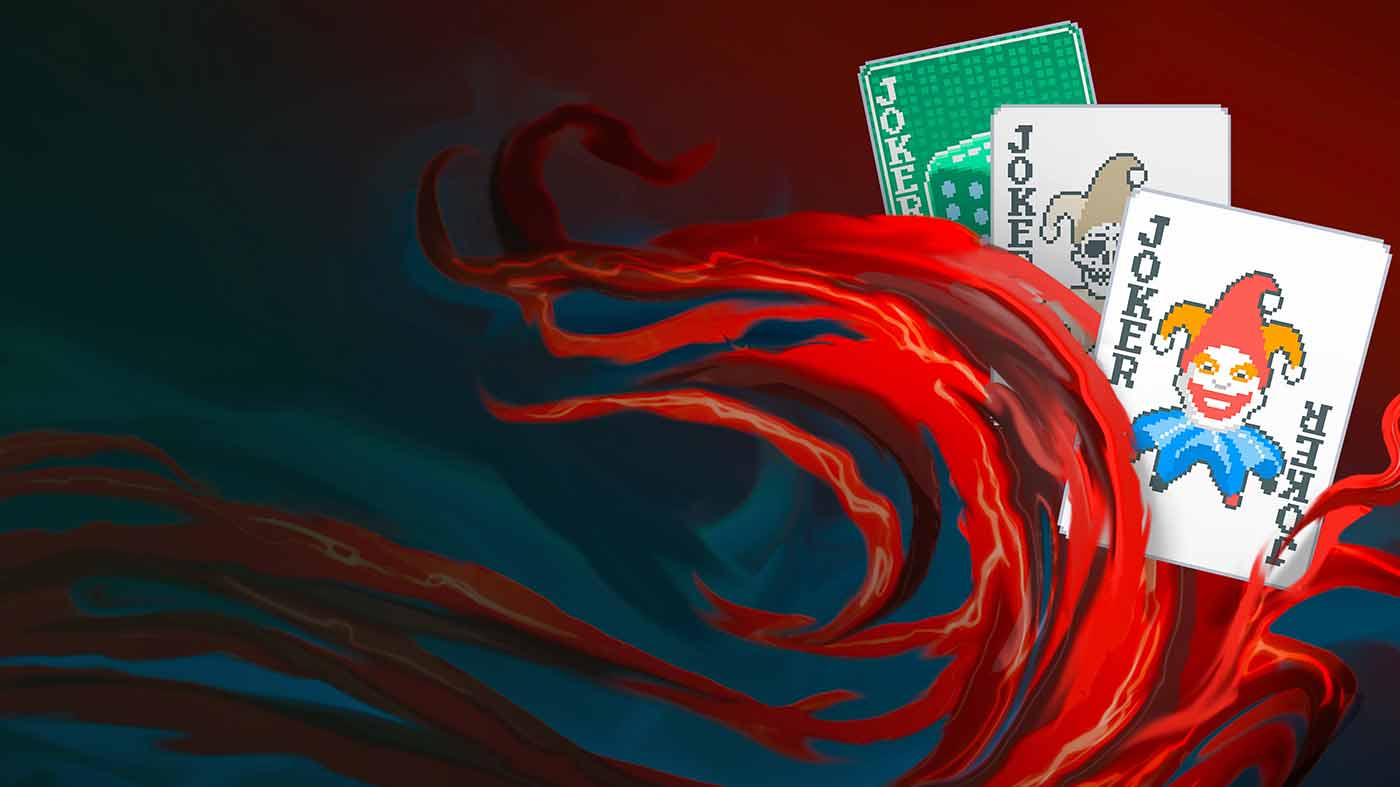
Balatro is the game that hijacked my brain the hardest in recent years. It masquerades as a chill little poker puzzle, then quietly becomes one of the most intoxicating deckbuilders around. I told myself I’d just try a run or two; next thing I knew I was seeing flushes and multipliers in my sleep.
Instead of building a deck of attacks and blocks, you’re playing hands from a standard 52-card deck, trying to hit score thresholds on each blind. The real deckbuilding happens in the margins: Jokers, tarot cards and planet cards that twist how those hands score. One Joker might double the value of all hearts, another might reward you for playing low pairs, another might grant insane multipliers if you discard certain ranks. Suddenly, “just play the best poker hand” isn’t optimal — you’re engineering bizarre, counterintuitive combos where a pair of twos can outscore a royal flush.
My favourite run was a monstrosity built entirely around garbage hands and discard effects. I barely played anything that would count in normal poker, yet my Jokers and planets turned every scrap into fireworks. That’s Balatro’s magic: it turns a deeply familiar card game inside out and asks, “What if the meta-rules were where the real fun lived?” If you think you’re burned out on deckbuilders, this one feels like a completely different beast while still scratching that perfect-run itch.
11. Tokens
Tokens is one of the first 2026 deckbuilders that made me sit up and go, “Okay, we’re properly leaving cards behind now.” Instead of a hand of rectangles, you’re chucking double-sided tokens onto a board, trying to line up combos in a smoky 1920s-style club. It feels like someone spliced Balatro’s scoring obsession with a tabletop dexterity game.
Each token has a colour, a number and a symbol, and the real game is in creating “Harmonies” — specific patterns and combinations on the table that explode your score. Because tokens are physical objects in the play space rather than abstract cards in a hand, their positioning and orientation suddenly matter. Arcane cards and Effigies act as your meta-tools: they let you manipulate randomness, flip tokens, reposition them or skew what counts as a valid harmony. Runs become this delicate dance between chaos (what lands face up where) and the toolbox you’ve built to tame it.
In the demo, I had a run where I leaned entirely into abusing a single colour, stacking effects that made blue tokens more and more absurd. Watching an ugly, cluttered board suddenly snap into a perfect high-scoring pattern because of one clever Arcane was incredibly satisfying. Tokens feels like a love letter to the idea that deckbuilders don’t actually need “decks” at all — what they need is a discrete set of elements you can draft, upgrade and combine in surprising ways. It’s messy, swingy, and exactly the kind of experimentation the genre needs.
12. Black Jacket
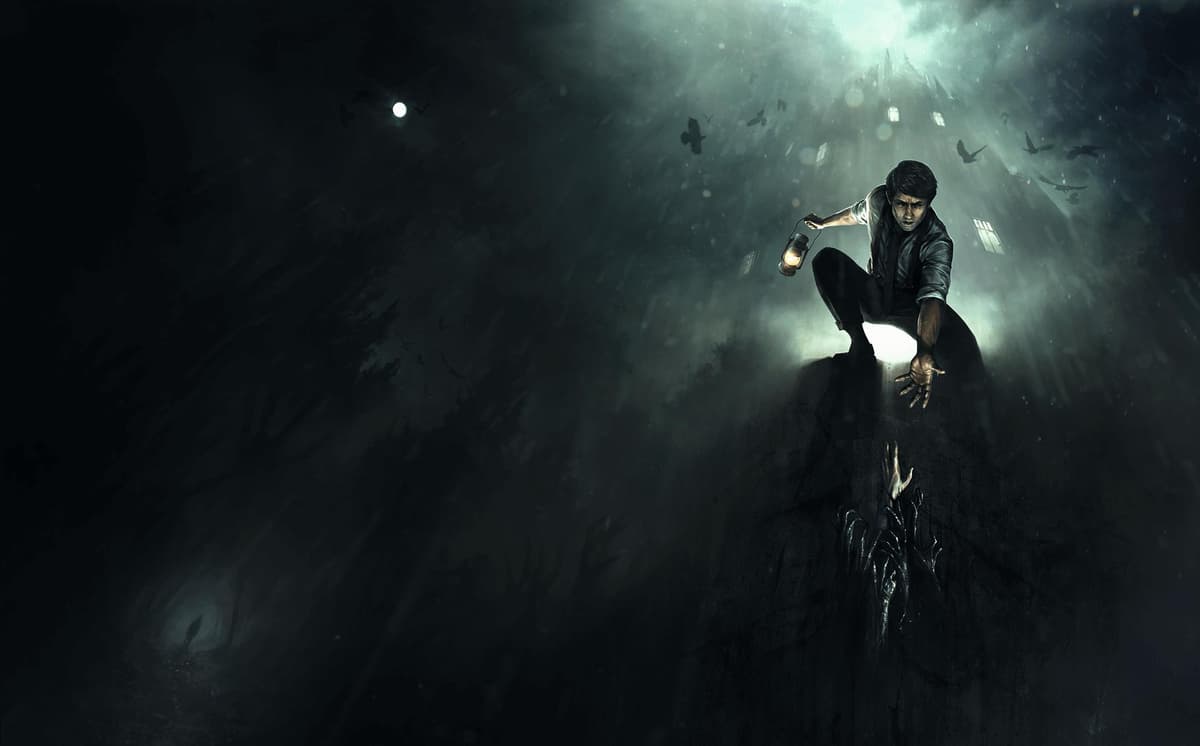
Black Jacket is another upcoming 2026 PC deckbuilder that grabbed me because it throws out one of the genre’s most sacred cows: the fixed energy system. Instead of counting up mana or energy each turn, you’re playing around enemy-specific timers and conditions that dictate what you can get away with. The first time I realised I couldn’t just spam my strongest cards because of an enemy’s countdown, it felt like being forced to speak a new tactical language.
Runs are built around a ludicrous spread of unlockable cards, artefacts, curses and upgrades. Where something like Dominion gives you a static market, Black Jacket feels closer to juggling a living inventory of risky tools. Curses and random “coup de fil” events can warp your deck mid-run, pushing you into uncomfortable but interesting lines. Crucially, those enemy timers mean every fight has its own rhythm: some opponents give you a few turns of freedom before they lock down certain card types, others pressure you to act fast or risk your best options becoming dead weight.
In the build I tried, my best run came from finally embracing that constraint instead of fighting it. I stopped thinking in terms of “curve” and started planning entire fights around when those timers would tick. Setting up combos to land exactly as an enemy’s window opened was incredibly satisfying — like threading a needle under fire. If Tokens is about turning cards into physical objects, Black Jacket is about turning timing into a primary resource. Together they hint at where deckbuilders might be headed next: fewer rigid costs, more games where the battlefield itself decides what your deck can do.
Where deckbuilding goes from here
Looking across these twelve games, there’s a clear pattern: the interesting stuff in 2026 isn’t just about adding more cards. It’s about changing what those cards are. Sometimes they’re moves on a grid, sometimes they’re terrified followers on a convoy, sometimes they’re poker hands or literal poker chips. Resource systems are shifting from fixed energy to timers, countdowns and weird probabilities. Board state and narrative stakes matter more than raw draw luck.
Dominion, Star Realms and the other classics are still the bedrock of the genre, but the games that really stick with me now are the ones that aren’t afraid to break their own rules. Slay the Spire proved the formula works, Monster Train and Fights in Tight Spaces pushed it into new spaces, while experiments like Inscryption, Balatro, Tokens and Black Jacket are happily tearing it apart to see what’s inside. If you’re burned out on yet another “gain 3 block” clone, start anywhere on this list. Just don’t be surprised if you look up a few hours later with a head full of new deck ideas — and maybe a slightly unhealthy obsession.
FinalBoss // Gear
Level up your setup
01Top-rated gaming headsetson Amazon→02High-refresh gaming monitorson Amazon→03Gaming chairson Amazon→04Discounted game keyson Kinguin→Affiliate links · As an Amazon Associate, FinalBoss earns from qualifying purchases.
Want to Level Up Your Gaming?
Get access to exclusive strategies, hidden tips, and pro-level insights that we don't share publicly.
Ultimate Top Strategy Guide + Weekly Pro Tips