
Table of Contents (14)
Why these 12 are the right Timberborn alternatives
The short answer is this: if you want the closest games to Timberborn, start with Frostpunk, Endzone – A World Apart, and Against the Storm. Those games understand the same core pleasure: taking a hostile map, wrestling with resource shortages, and slowly turning panic into a functioning settlement.
That matters because a lot of “games like Timberborn” lists drift too wide. A pretty city builder is not enough. The real Timberborn itch is a mix of environmental pressure, logistics bottlenecks, survival planning, and map-driven problem solving. Droughts are the obvious hook, but the deeper appeal is building a system that can survive the next bad season without falling apart.
The ranking below leans hard toward that overlap. I favored games that make you react to terrain, scarcity, production chains, labor limits, or a hostile world. I also included platform availability for each one, so this stays useful instead of turning into a vague genre dump.
1. Frostpunk
Platforms: PC, PlayStation 4, Xbox One
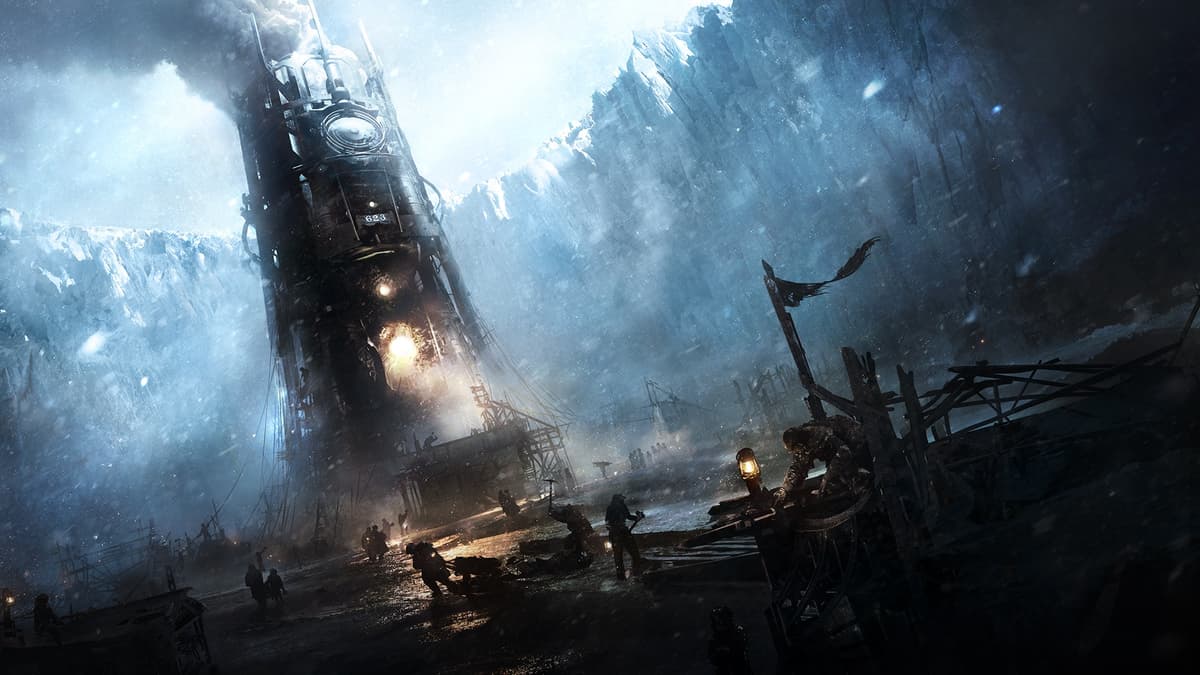
If what you love about Timberborn is that constant low-grade fear that one bad call will wreck the whole colony, Frostpunk is the closest emotional match. It swaps beavers and droughts for humans and brutal cold, but the structure feels immediately familiar: survival hinges on infrastructure, stockpiles, labor efficiency, and reading the next crisis before it hits. Your generator is basically the game’s equivalent of a perfect dam system. When it works, the city breathes. When it doesn’t, everything downstream starts breaking fast.
What makes it such a strong Timberborn follow-up is how every building decision has pressure attached to it. You are not placing structures for decoration. You are deciding whether the next few in-game days will be stable or miserable. Workshop timing, coal flow, medical capacity, food production, housing radius, child labor laws, amputee care: it all turns into one ugly but satisfying optimization knot. Timberborn players who enjoy planning for dry season will immediately understand the Frostpunk rhythm of “prepare now or suffer later.”
The caveat is important: Frostpunk is less sandbox and more scenario-driven. It is harsher, more scripted, and less interested in freeform city expression. But if your favorite part of Timberborn is the survival math rather than the beaver charm, this is the cleanest next step.
2. Endzone – A World Apart
Platforms: PC, PlayStation 5, Xbox Series X|S
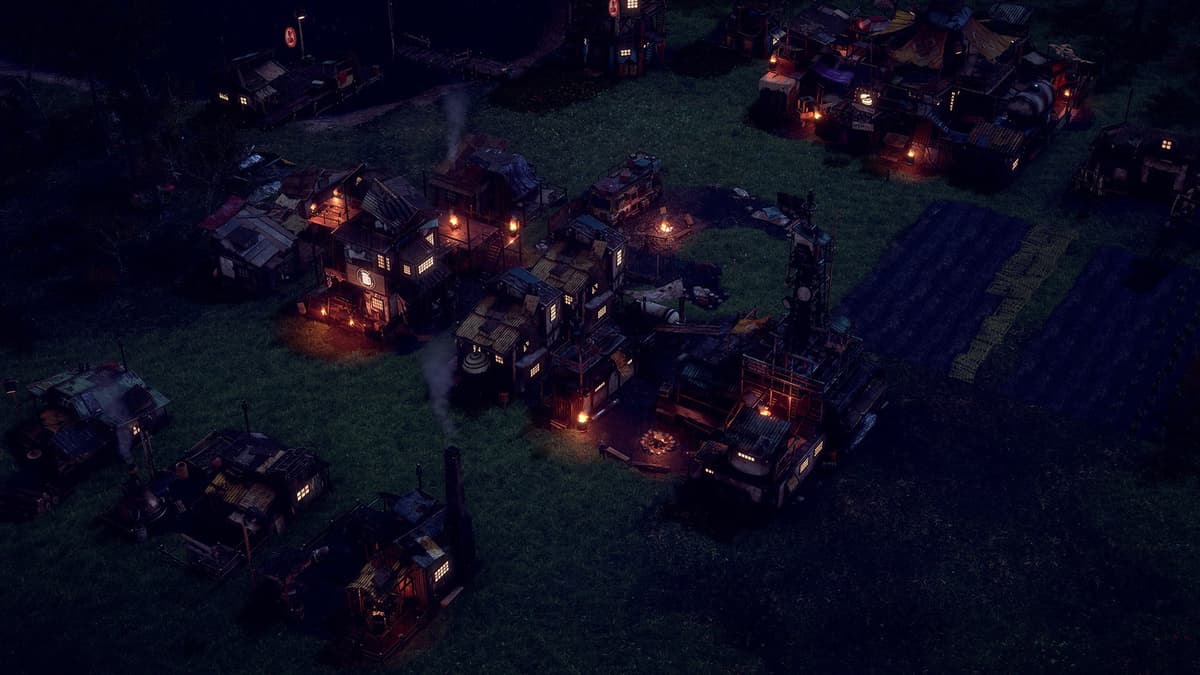
Endzone – A World Apart feels like it was built for the part of the Timberborn audience that cares most about making a ruined landscape livable again. Instead of manipulating rivers and reservoirs, you are rebuilding after apocalypse, dealing with contamination, water supply, radiation, poor soil, and the slow grind of keeping a fragile settlement alive long enough to become self-sustaining. That “hostile world first, expansion second” mindset is exactly why it belongs this high.
The overlap is strongest in the way both games turn survival into a chain-reaction puzzle. Water is never just water. It affects farming, health, storage, labor allocation, and how aggressively you can grow. The same goes for clothing, tools, medicine, and expedition rewards in Endzone. You are constantly asking the same Timberborn-style question: is this settlement ready for the next hit, or am I building too confidently on a shaky base? The answer is often “shakier than you thought,” which is exactly why the game works.
It is rougher and a bit less elegant than the very best in the genre. Some players bounce off the interface, and it does not have Timberborn’s instantly readable identity. Still, on pure mechanical overlap, it is one of the strongest calls on the board. If you want another builder where environment and scarcity are the real boss fight, this one gets very close.
3. Against the Storm
Platforms: PC
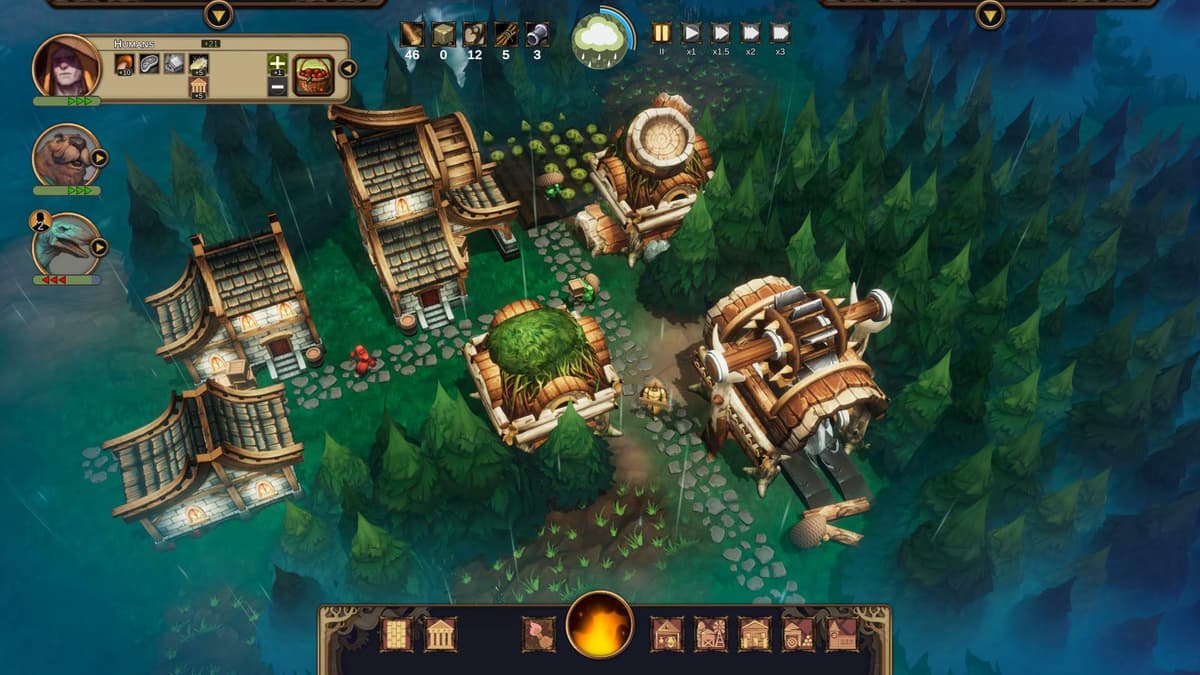
Against the Storm is one of the smartest recommendations for Timberborn players because it understands that the fun is not just “build a town.” The fun is solving a difficult settlement under pressure. Instead of one forever-city, you build many shorter settlements across dangerous maps, each with its own resource mix, terrain constraints, biome quirks, and survival headaches. That change in structure makes it feel different, but the brain it activates is very similar.
The best parallel is adaptability. In Timberborn, strong players learn to read the map, shape a plan around water flow, and avoid locking themselves into bad infrastructure too early. Against the Storm demands the same flexibility. You do not get to brute-force the same layout every run. You react to fertile ground, glades, hostility, species needs, rain engines, and whatever recipes the run decides to hand you. That creates the exact sort of satisfying scramble Timberborn fans usually enjoy: make the land work for you before the land punishes you.
The big difference is tone. This is a roguelite settlement builder, so it is more run-based and less about lovingly shaping one giant colony over dozens of hours. If your favorite Timberborn saves are sprawling monuments to overengineered stability, that may be a drawback. If what you really want is the sharp part of the loop without the slower sprawl, Against the Storm is outstanding.
4. Oxygen Not Included

Platforms: PC, macOS, Linux
For the players who looked at Timberborn’s pumps, floodgates, storage chains, and power network and thought, “Yes, but make it even more obsessive,” Oxygen Not Included is a gift and a threat. This is one of the best systems-first colony sims ever made. Gases spread, liquids pool, heat creeps into rooms, plumbing backs up, and one dumb layout choice can quietly sabotage the entire base twenty cycles later. It is brilliant in the same specific way Timberborn is brilliant: survival emerges from infrastructure, not combat.
The similarity is strongest in how both games reward engineering over raw speed. In Timberborn, a good settlement is not just producing enough. It is routed well, buffered well, and resilient when drought hits. Oxygen Not Included takes that mindset and zooms in until every pipe, vent, battery, farm tile, and insulated wall matters. Instead of river control, you are dealing with oxygen generation, carbon dioxide sinks, temperature regulation, food loops, germs, and power grid logic. It is the same satisfaction of “the colony only works because I made the systems talk to each other properly.”
What keeps it below the top three is accessibility. Oxygen Not Included is denser, more punishing, and less immediately readable than Timberborn. It can absolutely eat players who prefer broad settlement planning over microscopic systems tuning. But if water management and automation are the parts of Timberborn that hooked you hardest, this is one of the richest next moves available.
5. Farthest Frontier
Platforms: PC
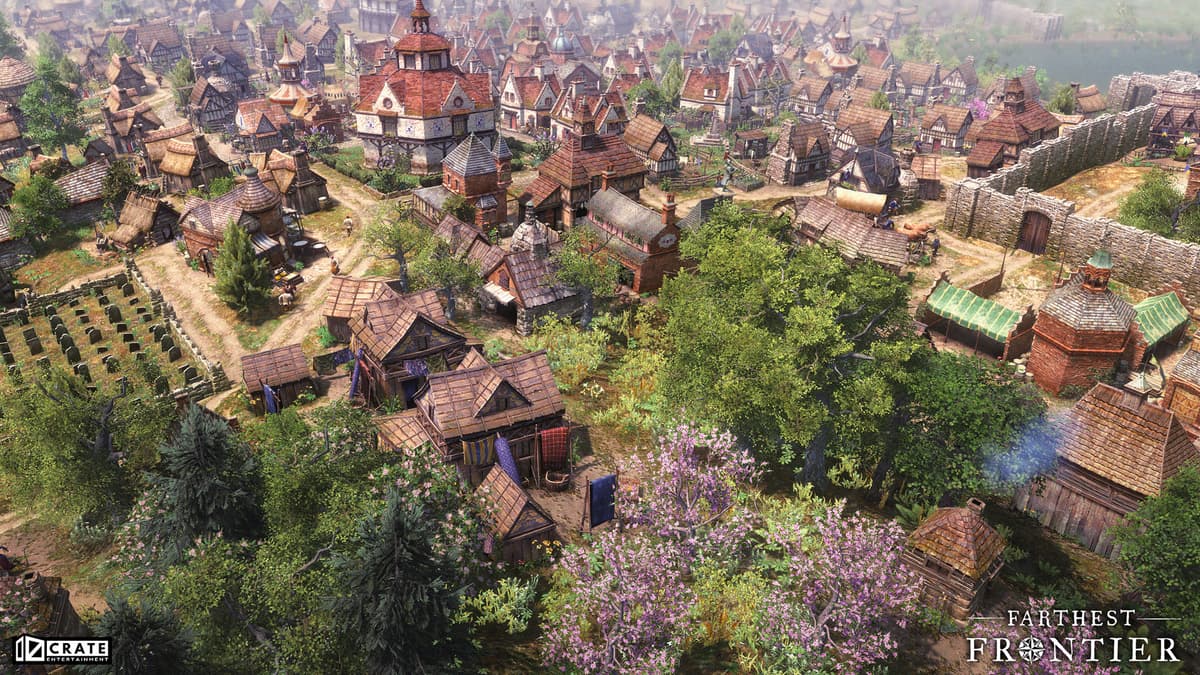
Farthest Frontier does not have Timberborn’s beaver identity or its very specific water-tech personality, but it absolutely understands the pleasure of building a settlement that can survive its own growth. Food, firewood, fertility, disease, labor, storage, and seasonal planning all matter, and the game is at its best when it reminds you that expansion is not the same thing as stability. That is a very Timberborn lesson.
Where the overlap really hits is pacing. You start small, scrape together a functioning economy, then gradually stretch into more complex production while trying not to create shortages that your settlement cannot absorb. That familiar colony-builder tension shows up everywhere. A new field or workshop sounds great until the labor demand shreds your harvest timing. More houses look smart until food distribution buckles. Timberborn players tend to appreciate that kind of systemic punishment, because it makes success feel earned instead of automatic.
It is a little more traditional than the higher-ranked picks. Terrain matters, but not in the same map-sculpting way. Water is important, but not the identity of the whole game. So this is not the closest match in literal mechanics. It is one of the better calls if what you want is another settlement sim where long-term survival is more important than pretty city screenshots.
6. Banished
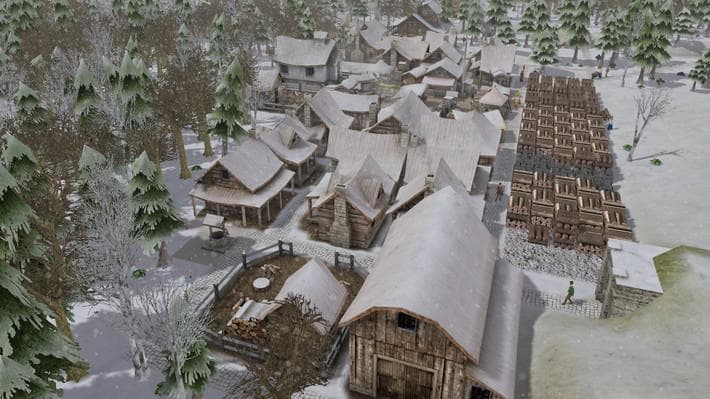
Platforms: PC
Banished is older now, but it still deserves a place because so many survival builders, including games Timberborn players already like, owe it something. This is the stripped-down colony survival template done with almost no fluff. You assign workers, gather food, manage fuel, survive winters, and try not to let one early mistake cascade into a settlement death spiral. That last part is why it still lands. A lot of modern builders are happy to let you recover from anything. Banished is not that generous.
The connection to Timberborn is the clean survival logic. Storage placement matters. Travel time matters. Labor shortages matter. Population growth can absolutely become a trap if your food or firewood planning is sloppy. Timberborn players who enjoy the early and midgame most, when every construction choice still has teeth, will probably find Banished more interesting than players chasing elaborate endgame automation. It is less about engineering spectacle and more about whether the colony can quietly endure.
The caveat is obvious: it shows its age. It is lighter on quality-of-life, less expressive, and nowhere near as mechanically playful as Timberborn. There is no floodgate equivalent here, no delightful lumberpunk layer, no vertical city puzzle. But if you want to understand the survival-builder DNA that Timberborn refined, Banished remains a very worthwhile stop.
7. Surviving the Aftermath
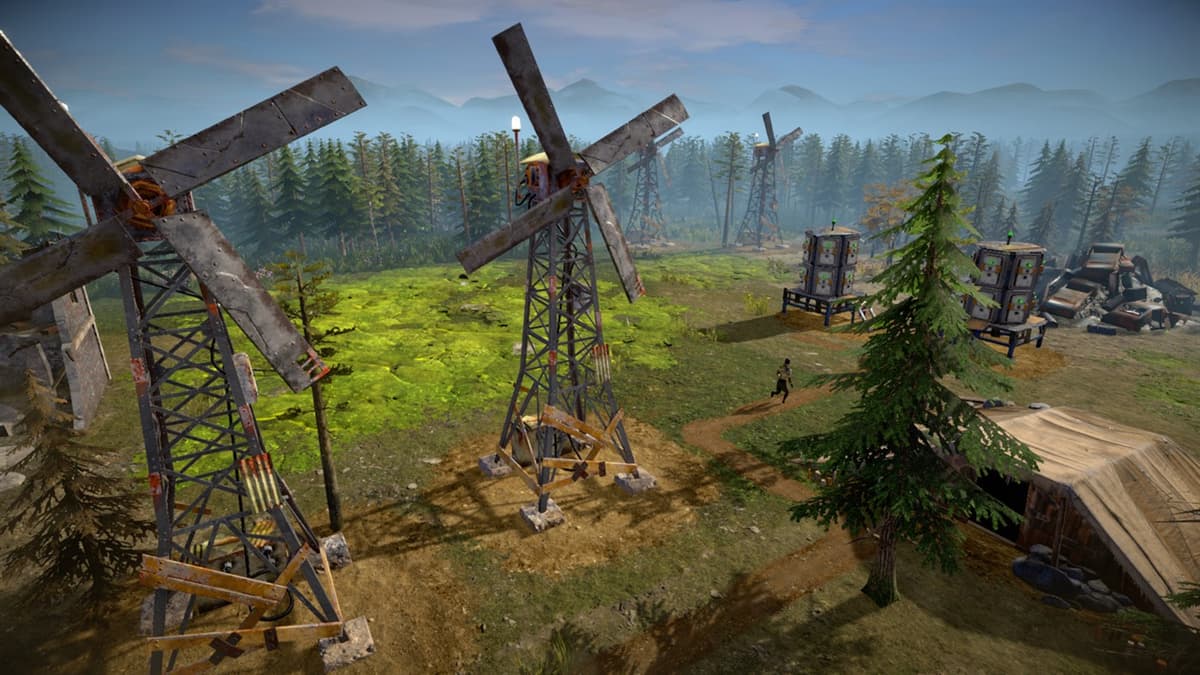
Platforms: PC, PlayStation 4, Xbox One, Nintendo Switch
Surviving the Aftermath sits in a nice middle lane between harsh survival sim and more readable colony builder. You are managing a settlement after global collapse, dealing with food, water, energy, specialists, disasters, and a map that never lets you forget the world is still broken. For Timberborn players, the appeal is obvious: the settlement is only as healthy as its supply chain, and the environment keeps testing whether your current setup is actually robust or just temporarily functional.
It earns a place here because it shares that same “survival by infrastructure” feel. Water and food are not checkbox resources. They drive population confidence, work capacity, exploration, health, and whether you can afford to push outward. On top of that, there is a broader world map layer that changes the texture of the management. Expeditions, specialists, and outside threats give it a slightly wider scope than Timberborn, but the core loop still comes back to a familiar colony-builder truth: growth without redundancy is begging for disaster.
Why is it not higher? Because it can feel more event-driven and less elegantly systemic than the very best picks above it. Timberborn is wonderfully tactile when its systems start clicking together. Surviving the Aftermath sometimes feels more conventional. Still, if you want a recognizable colony-management structure with survival stakes and easier platform access than some PC-only options, it is a solid fit.
8. Settlement Survival
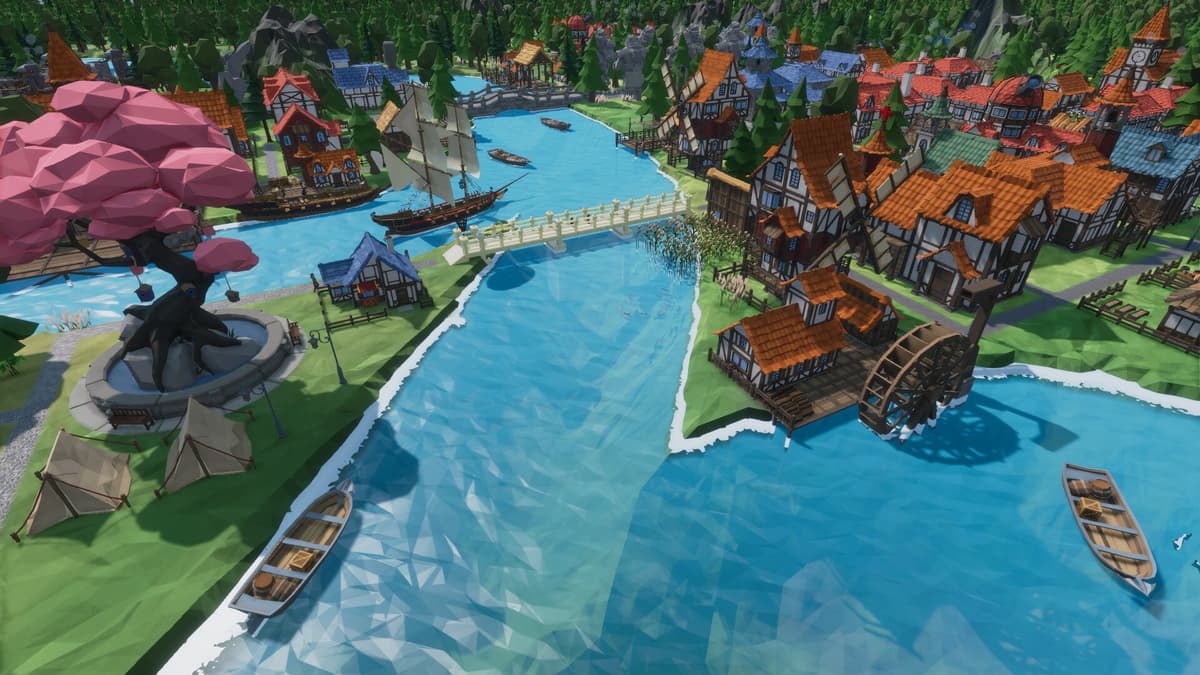
Platforms: PC
Settlement Survival is not the flashiest name on this list, but it is one of the more practical recommendations for people who want another survival-focused colony builder without diving straight into something as intimidating as Oxygen Not Included or Dwarf Fortress. It takes a lot of familiar settlement-sim building blocks and arranges them into a loop built around food, labor, industry, trade, disasters, and steady civic growth. That makes it a reasonable next game for Timberborn players who enjoy management pressure more than one giant signature mechanic.
The resemblance shows up in the rhythm of stabilization. In Timberborn, a good chunk of the fun is getting from “barely making it” to “finally durable enough to scale.” Settlement Survival lives in that same space. You are balancing worker counts, raw materials, production buildings, and seasonal needs while trying not to outbuild your economy. It has that familiar colony-builder pleasure of spotting the exact bottleneck that is choking everything else, then fixing it and watching the whole settlement breathe again.
It ranks lower mostly because it does not have Timberborn’s instantly memorable identity or a standout system as distinctive as dams and water physics. It is more of a dependable “another game in the lane” pick than a must-play genre event. But for players who want a straightforward, systems-led settlement builder that stays focused on survival and resource balance, it does the job well.
9. Dwarf Fortress
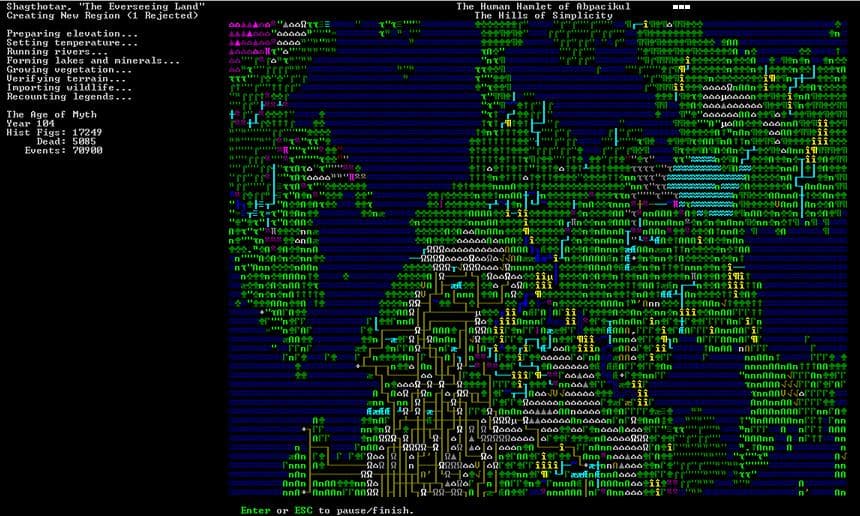
Platforms: PC
This is where the list gets a little more dangerous. Dwarf Fortress is not the easiest Timberborn recommendation, but it is one of the most rewarding if the thing you truly love is watching a colony become a messy web of interacting systems. Stockpiles, moods, injuries, fluids, workshops, social dynamics, room quality, military trouble, weird accidents, and total catastrophic failure all pile together into one of the most famous simulation sandboxes ever made. Timberborn feels clean and readable next to it. That is not a knock on Timberborn. Almost everything feels clean next to Dwarf Fortress.
The connection is not aesthetic. It is about player mindset. Both games reward the person who thinks a few steps ahead, builds for resilience, and enjoys solving infrastructure problems before they become disasters. In Timberborn, that might mean protecting a district from drought. In Dwarf Fortress, it might mean untangling your food storage, flood risk, workshop layout, and population needs before the fortress implodes for three completely different reasons at once. If you love the “my settlement is a living machine” side of colony builders, this game goes deeper than almost anything else.
Still, the barrier to entry is real. Even the more accessible modern version asks for patience. If you mainly like Timberborn because it is elegant, readable, and visually intuitive, Dwarf Fortress may be a bridge too far. If you want maximum simulation density and you are willing to work for it, few games hit harder.
10. Factorio
Platforms: PC, Nintendo Switch
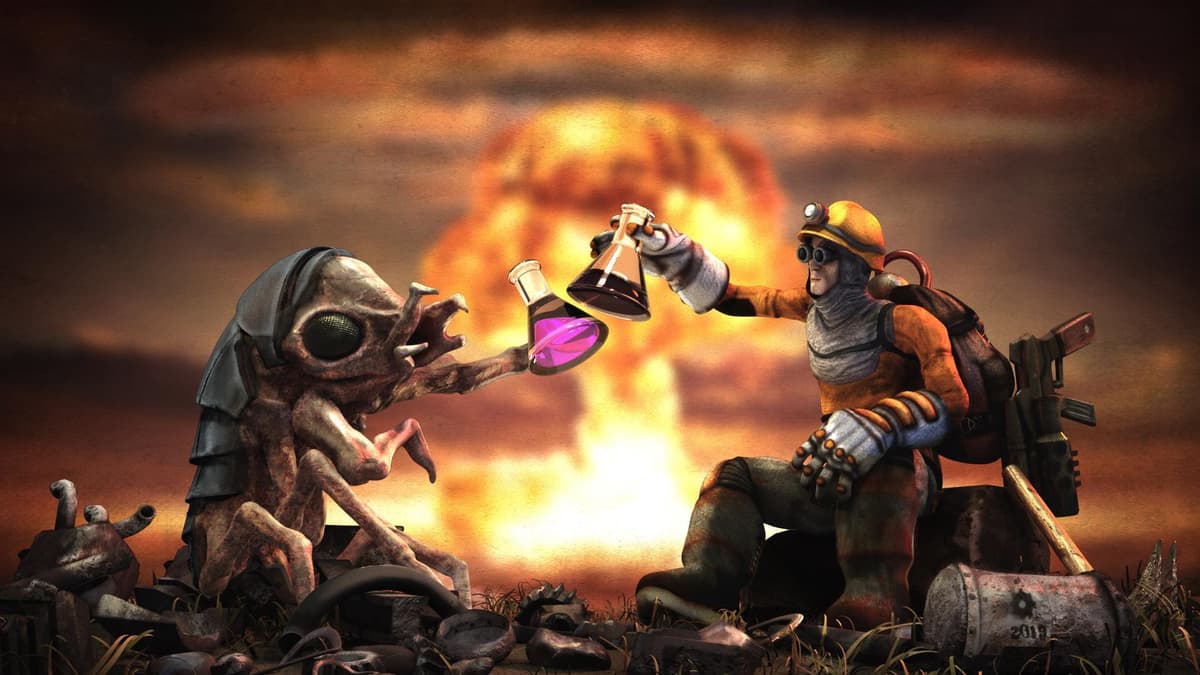
Factorio is not a colony builder in the usual sense, so this is a deliberate “same brain, different shape” pick. It belongs here because a lot of Timberborn players are not actually attached to beavers, or even to city building. They are attached to the pleasure of fixing bottlenecks, designing elegant production flow, and watching a rough plan turn into a highly efficient machine. On that front, Factorio is a monster.
The shared appeal is all about throughput. Timberborn’s best moments often come from realizing your settlement’s problem is not total production but how resources move: pathing inefficiency, district reach, bad storage placement, weak power routing, or a water setup that is technically functional but poorly timed. Factorio is that feeling turned all the way up. Belts, inserters, trains, oil refining, smelting ratios, circuit logic, expansion planning: everything is built around identifying where the system is choking and redesigning it until it hums. It scratches the same optimization itch with much less colony roleplay.
It ranks tenth only because it is missing part of Timberborn’s identity. There is environmental pressure and base defense, but not the same village-survival atmosphere. So if the appeal of Timberborn for you is “cute colony survives harsh world,” this is adjacent. If the appeal is “I need my production network to stop embarrassing me,” Factorio could leap much higher on your personal list.
11. The Wandering Village
Platforms: PC
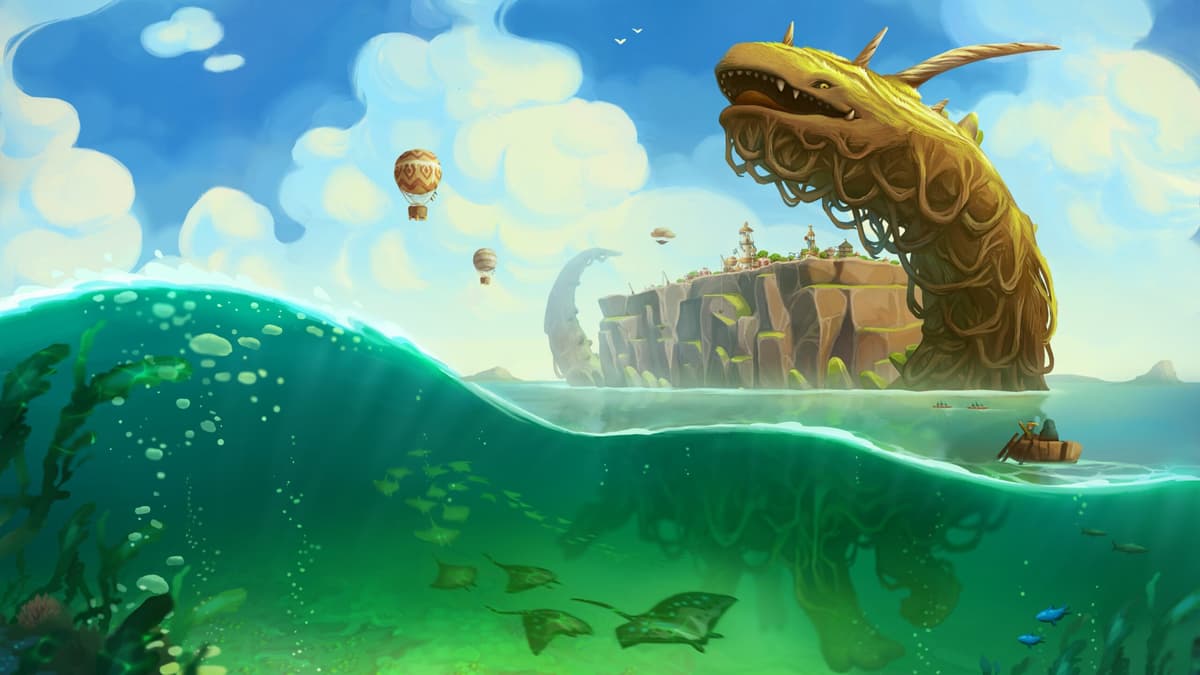
The Wandering Village earns its spot because it understands something Timberborn also understands very well: the environment is not just scenery. It is the central design problem. Here, you are building a settlement on the back of a giant living creature, which means movement, biome changes, poisonous hazards, and the creature’s own needs all shape your planning. That gives the game a distinctive hook, but more importantly, it creates the same sort of reactive settlement design that makes Timberborn interesting.
The overlap is strongest in constrained planning. In Timberborn, the map pushes back. Elevation, river flow, drought timing, and usable space all force tradeoffs. The Wandering Village does something similar with limited build area and changing external conditions. You are not designing in a vacuum. You are constantly negotiating with the world. That makes even simple placement decisions feel weightier than they do in more carefree city builders. It also helps that the game has a clear survival focus instead of drifting into pure decoration.
Why so low, then? Mostly scale and intensity. It is more modest, a little softer, and less mechanically dense than the top half of this list. It will not replace Timberborn if what you want is deep automation or a sprawling industrial colony. But if you specifically like settlement builders where the land itself keeps rewriting the plan, it is a smart pick.
12. Tropico 6

Platforms: PC, PlayStation 4, PlayStation 5, Xbox One, Xbox Series X|S, Nintendo Switch
This is the loosest recommendation on the list, and it is here on purpose. Tropico 6 is not a survival colony sim in the same strict sense as the games above it. What it does share with Timberborn is a satisfying management loop built around production chains, island geography, infrastructure placement, and the slow transformation of a rough settlement into a highly functional economy. If Timberborn’s gentler side is what you like most, Tropico makes more sense than the grim survival games do.
The reason some Timberborn players click with it is that both games turn city building into a practical planning problem rather than a pure aesthetic one. You care where roads go, where industry sits, how workers reach jobs, what your exports are, and whether your current economy can support the next expansion phase. Tropico 6 adds politics, factions, and a more playful tone, which changes the flavor quite a bit, but the management satisfaction is still real. It is one of those games where a better layout and a smarter production chain can solve far more than brute expansion ever will.
It finishes twelfth because it lacks the harsh environmental pressure that defines Timberborn at its best. No drought cycle means no exact equivalent to that signature panic-and-prep loop. But if you want something adjacent rather than identical, especially on console, Tropico 6 is an easy recommendation.
Which one should you play first?
If you want the closest overall match, go with Frostpunk or Endzone – A World Apart. If your favorite Timberborn moments are the ones where you are reacting to the map and improvising around scarce resources, Against the Storm is probably the smartest pick. If the water systems, power routing, and production logic are the parts that really took over your brain, jump straight to Oxygen Not Included or Factorio.
The cleanest way to think about it is simple: Timberborn is not just a city builder. It is a survival-management game where infrastructure is how you stay alive. The best alternatives are the ones that understand that, and the top half of this list does.
FinalBoss // Gear
Level up your setup
01Graphics cardson Amazon→02Gaming laptopson Amazon→03High-refresh gaming monitorson Amazon→04Discounted game keyson Kinguin→
Affiliate links · As an Amazon Associate, FinalBoss earns from qualifying purchases.
Want to Level Up Your Gaming?
Get access to exclusive strategies, hidden tips, and pro-level insights that we don't share publicly.
Ultimate Top Strategy Guide + Weekly Pro Tips