
Table of Contents (13)
How this ranking handles Pokémon’s very weird Switch era
The Switch turned Pokémon into several different series at once. It gave us conservative remakes, a genuine format shake-up, a big open-world swing that launched rough but aimed high, and a pile of side projects that ranged from “surprisingly great” to “nice on a phone, thinner on a console.” That makes a straight ranking harder than most franchise lists, because comparing Legends: Arceus to Pokémon UNITE is obviously a little absurd. Still, if the goal is to sort out what is actually worth your time on Nintendo’s hybrid machine in 2026, they have to share the same room.
This list ranks the standalone Pokémon releases available on Switch, while grouping paired versions together and leaving the retro Nintendo Switch Online library out of the main order. The criteria are simple in theory and messy in practice: how good the game feels to play now, how well it uses the Pokémon license, how much its flaws matter in 2026 rather than at launch, and how confidently it can be recommended to a specific type of player. People searching for the best pokemon game for switch are usually asking two different questions at once: “Which one is the best designed?” and “Which one will I personally have the best time with?” The top three here are a contested tier for exactly that reason.
- Current play value matters more than launch-week discourse.
- DLC and major updates count when they materially change the package.
- Mainline RPGs get judged against higher expectations than smaller spin-offs.
- A game can rank low without being pointless for the right audience.
1. Pokémon Legends: Arceus
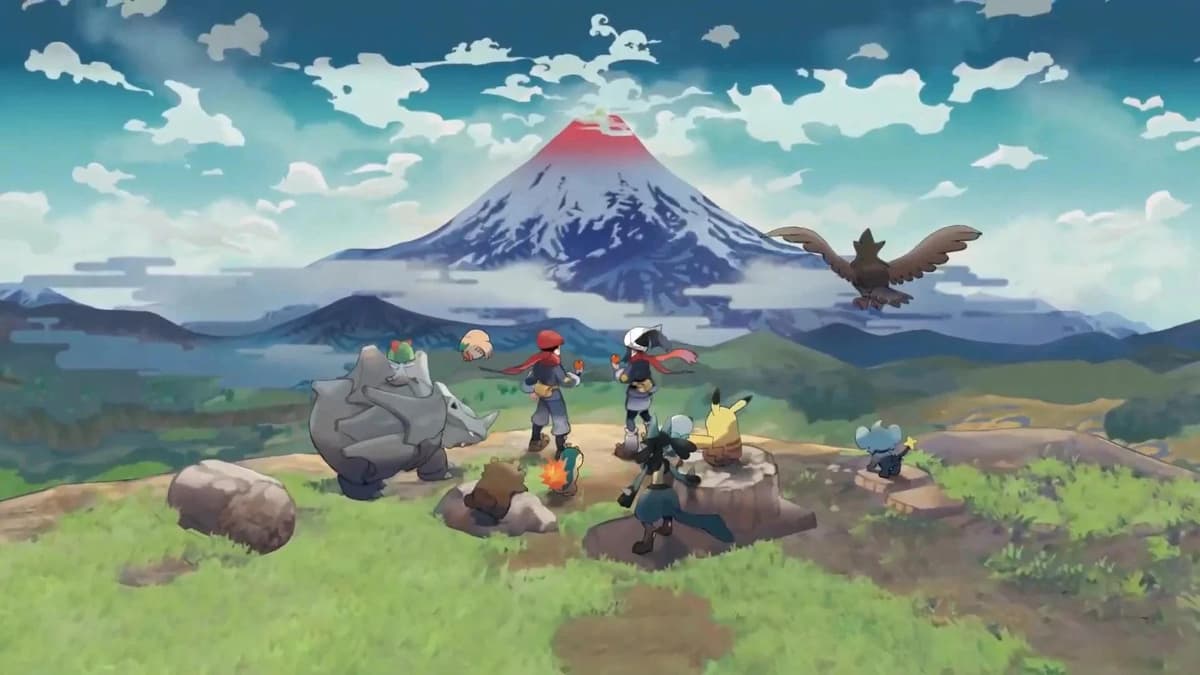
If this ranking rewarded safe comfort food, Pokémon Legends: Arceus would not be number one. It sits here because no other Switch entry understands how badly the series needed to feel alive again. The big win is not just the open-zone structure. It is the entire rhythm of play: spotting a creature in the field, deciding whether to sneak, fight, distract, or just wing a ball at its back, then moving on before the usual battle-transition friction can kill your momentum. For once, catching Pokémon feels like the main event instead of paperwork between trainer fights. That one design change makes Hisui feel more like an ecosystem and less like a route checklist.
It is not flawless, and pretending otherwise is how bad rankings happen. The trainer battle side is thinner than traditional fans often want, some environments can feel sparse, and the noble boss encounters are more interesting as spectacle than as deep combat. But even with those caveats, this is the sharpest statement Pokémon made on Switch. The research-task structure gives you a reason to observe species behavior, the risk of blacking out in the wild adds tension, and the historical framing lends the whole game a strange, lonely mood the series rarely attempts. Plenty of players still prefer the fuller team-building and battle identity of the mainline games, which is fair. Even so, when the question is which Switch Pokémon game most clearly pushed the series forward, Legends: Arceus remains the one to beat.
2. Pokémon Scarlet / Pokémon Violet
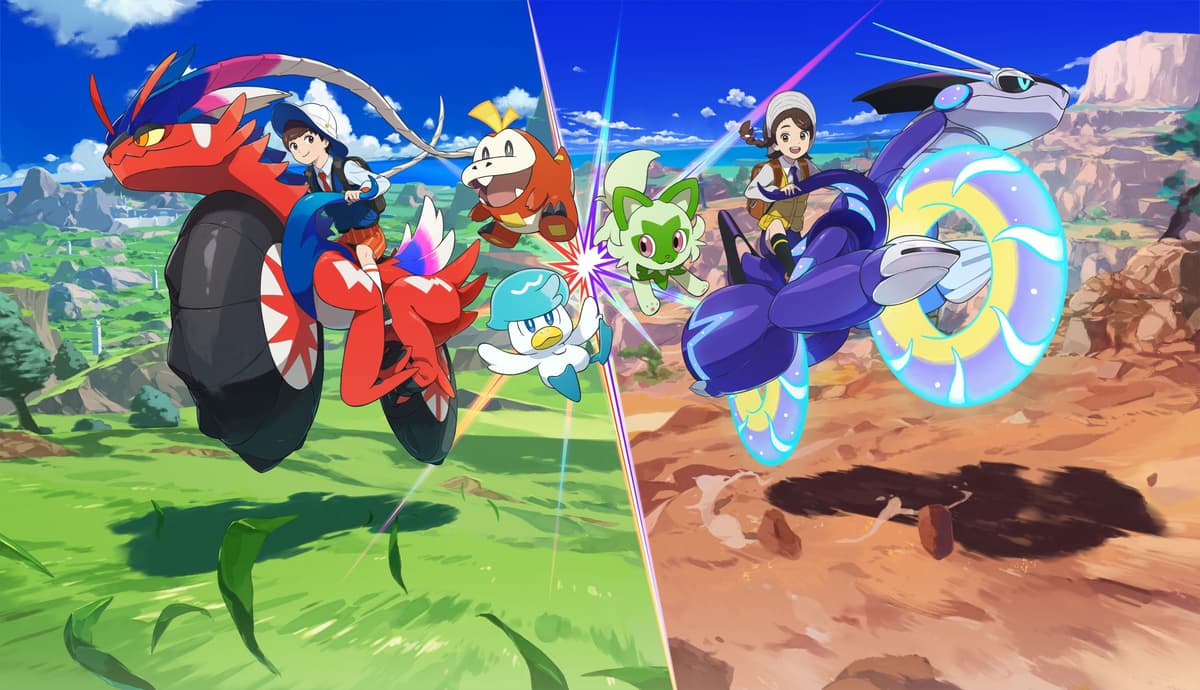
No Switch Pokémon game produces a bigger argument than Scarlet and Violet, and that argument is exactly why they land at number two. From a pure ideas standpoint, they have a real case for first place. Paldea finally gives players the kind of open-ended journey the series had been circling for years, letting you chase gyms, Titans, and Team Star bases in an order that feels more personal than linear. The story is stronger than Pokémon usually manages, especially once the three quest lines start converging, and the Area Zero finale is one of the most memorable stretches in any modern mainline entry. Add the DLC, and the package becomes even broader, with better battles and more satisfying late-game content.
The reason they do not top this list is the same reason their reputation still splits critics and players: technical baggage. Performance problems, rough visuals, pop-in, and that unmistakable sense of a game released before it was fully ready all drag on the experience. Some of those issues matter less now than they did during launch-week outrage, but they never fully disappear. That leaves Scarlet and Violet as the most divisive “best” choice on Switch: huge, bold, emotionally effective, and sometimes embarrassingly unstable. For players who care most about freedom, party experimentation, and seeing Pokémon storytelling aim higher than usual, they may still be the personal favorite. For players who want polish to match ambition, they remain just short of the crown.
3. Pokémon Sword / Pokémon Shield
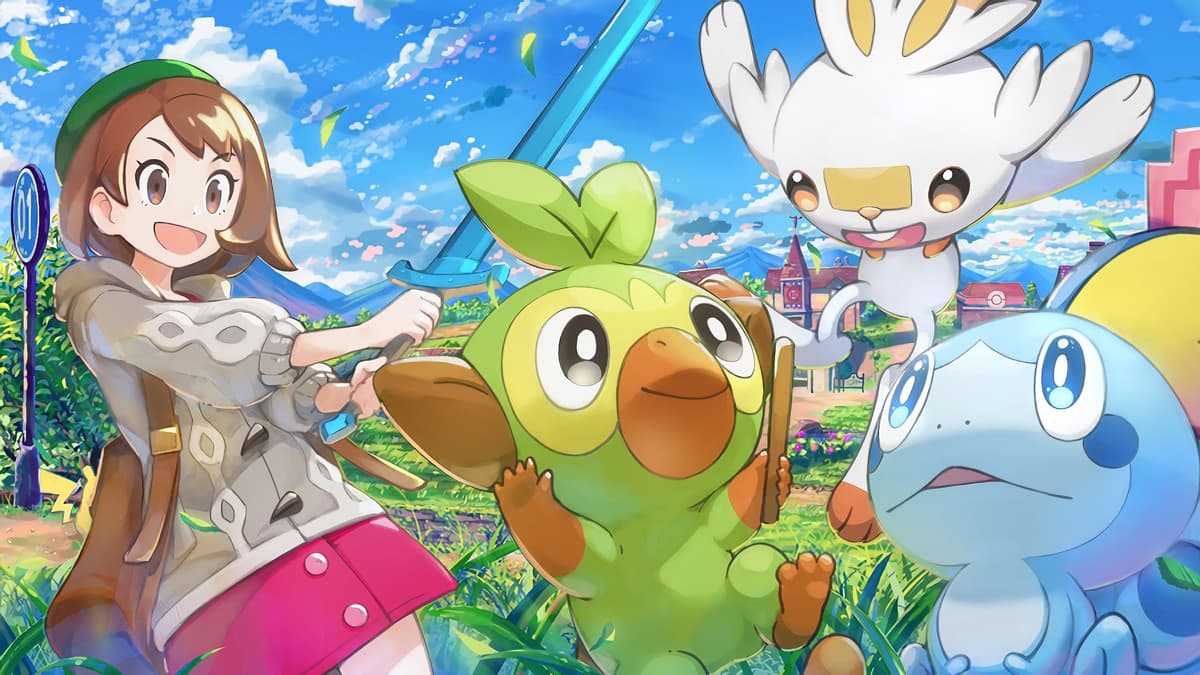
The odd thing about Sword and Shield is that time has made them look better. At launch, the conversation was dominated by Dex-cut anger and frustration that the series’ console debut did not feel revolutionary enough. In 2026, with the full Switch era visible, Galar reads differently: it is the cleanest traditional Pokémon RPG on the system. The gym challenge has real presentation, the region moves briskly, team-building is friendly without becoming brainless, and the Wild Area now looks less like a failed half-step than the prototype for everything that came after. The base game is straightforward in a way some players still hold against it, but there is a reason many fan rankings keep pushing it higher than critic memory suggests.
The expansions matter here, and they matter a lot. The Isle of Armor and especially The Crown Tundra give Galar more of the adventure texture the base routes occasionally lack, while improving exploration, legendary hunting, and endgame value. There is still no getting around the fact that some routes feel too narrow and some of the main story beats are unusually thin. Yet for players who want a recognizable badge-to-Champion structure with modern quality-of-life touches, this may be the easiest recommendation in the whole lineup. If someone says they want the best pokemon game for switch but specifically mean “the best classic-feeling one,” Sword and Shield have the strongest argument. They are not the boldest games on the platform, but they may be the most balanced.
4. Pokémon Mystery Dungeon: Rescue Team DX
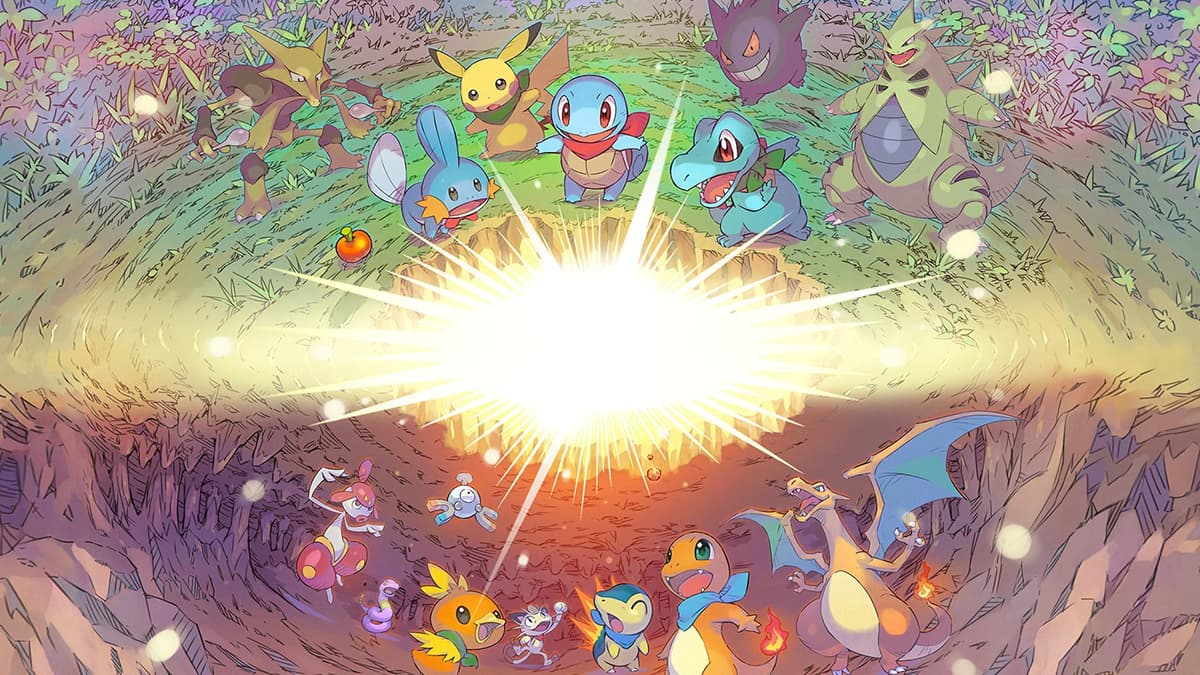
The best non-mainline Pokémon game on Switch is not really in doubt. Rescue Team DX works because it is not trying to imitate the core RPGs at all; it commits to being a dungeon-crawling, turn-based adventure with its own emotional wiring. The structure is simple and sticky: build a team, enter randomized dungeons, manage hunger and risk, recruit allies, and slowly climb toward nastier challenges. That loop has more bite than most Pokémon spin-offs, because failure actually costs something and preparation matters. The watercolor storybook presentation helps too. It gives the remake an identity beyond nostalgia, and it suits the series’ softer, stranger side far better than a glossy realism push ever would.
There are limits. Mystery Dungeon pacing can feel repetitive if the dungeon formula does not click for you, and anyone expecting a breezy mainline-style march from town to town may bounce off its grindier rhythm. But within its lane, this is one of the most complete packages Pokémon delivered on Switch. The story still lands, largely because the premise of Pokémon surviving without human trainers gives the world a different emotional texture from the main series. It also helps that the challenge curve eventually demands real attention instead of sleepy autobattling. If you want proof that Pokémon works just as well as a roguelike-flavored RPG as it does as a gym quest, Rescue Team DX is still the most convincing evidence on the platform.
5. New Pokémon Snap
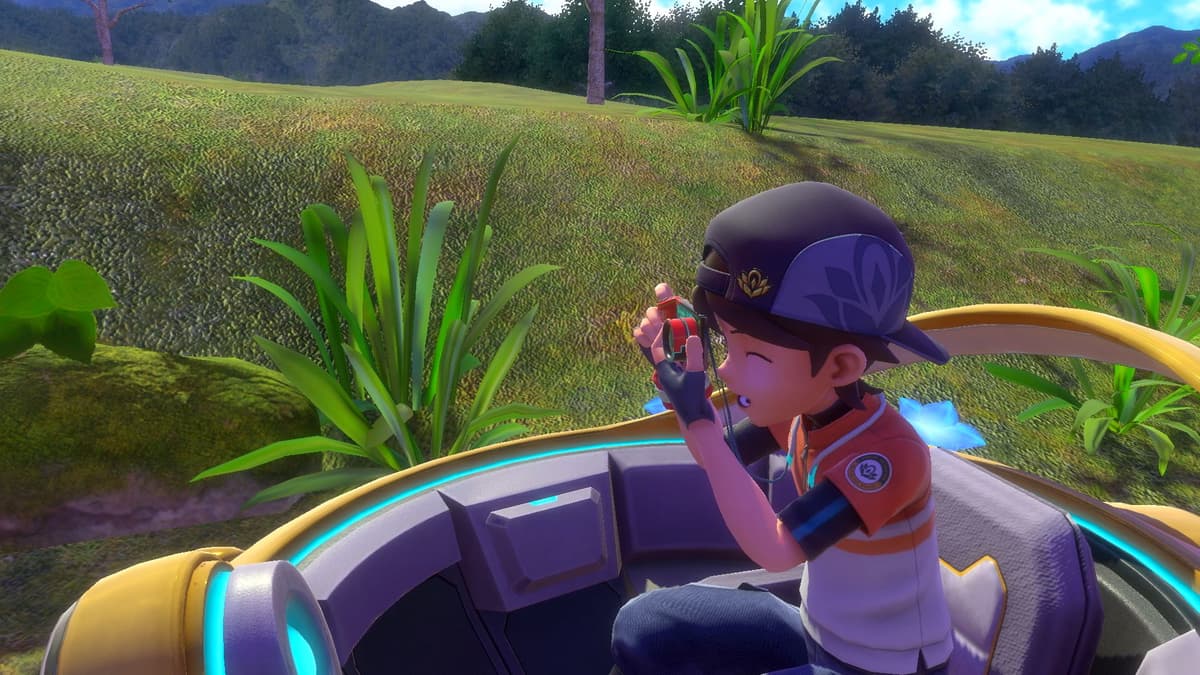
New Pokémon Snap earns its place because it succeeds at something the main series often only gestures toward: making Pokémon feel like wildlife with habits, moods, territories, and little social dramas. The rails shooter structure sounds restrictive on paper, yet it turns out to be the perfect excuse to obsess over behavior. You are not trying to knock out or capture everything in sight. You are learning where a Wailord breaches, what gets a Scorbunny to show off, and how one tiny route change reveals a completely different interaction. That makes its repetition feel deliberate rather than padded. Revisiting stages at higher research levels is the whole point, because the world is designed to be watched, not merely cleared.
The scoring system can be fussy, and the early hours are slower than they need to be. There is a little too much friction between the player and the fun when a game this cozy keeps interrupting to evaluate photo angles like a strict teacher. But once the requests start opening up and the levels begin branching in more interesting ways, New Pokémon Snap becomes one of the most quietly absorbing Pokémon games on Switch. It is also one of the easiest to recommend to someone who is tired of combat-first design. This is the comfort-food counterargument to the usual “battle, grind, evolve” formula: a game about paying attention. In a franchise that sometimes treats its monsters like inventory, that perspective still feels refreshingly rare.
6. Pokémon: Let’s Go, Pikachu! / Let’s Go, Eevee!
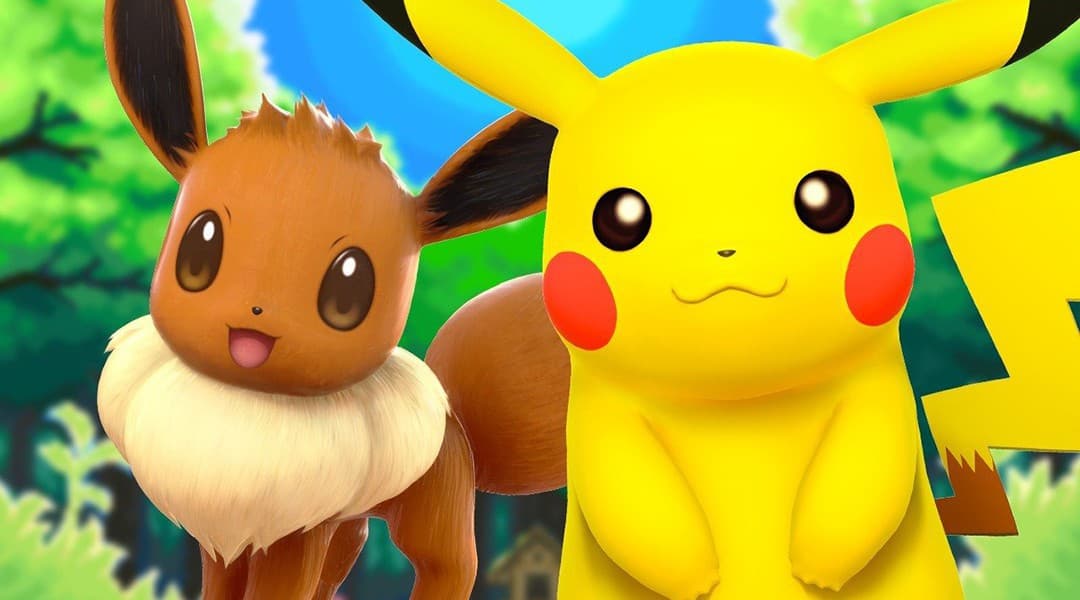
Let’s Go has spent years getting punished for being friendly. That misses the point. These games were built as a bridge between Pokémon GO, lapsed Kanto nostalgia, and the Switch audience, and they are remarkably good at that specific job. Kanto has rarely looked more inviting, partner Pokémon are overflowing with charm, and the visible overworld encounters make casual play smoother than many older mainline fans were willing to admit at the time. Even the simplified catching system works better than expected once you accept what the game is trying to be: a relaxed, approachable RPG where momentum matters more than mechanical density.
The ceiling is the problem. No abilities, no held items, fewer layers to battling, and a stronger emphasis on capture over wild combat mean veteran players can hit the game’s limits pretty quickly. That keeps it out of the top tier. Still, writing it off as “baby’s first Pokémon” has always been lazy. There is real craft here, from the smooth presentation to the co-op option to the way following and rideable Pokémon make the world feel more tactile than some bigger-budget entries manage. It is also one of the least abrasive recommendations on the system for families or anyone returning after a long break. If Legends: Arceus is Pokémon trying to reinvent itself, Let’s Go is Pokémon trying to introduce itself better.
7. Pokkén Tournament DX
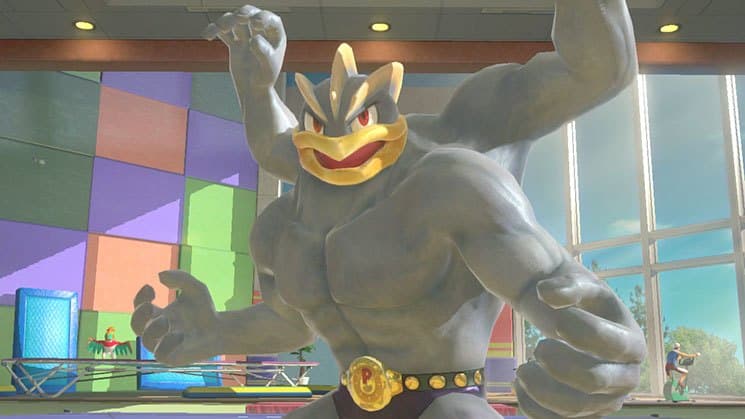
Pokkén Tournament DX answers a question fans had been asking forever: what if Pokémon battles actually looked and felt as physical as the fiction says they are? The result is a fighter with a better sense of impact than most Pokémon games have ever managed. Hits connect hard, spacing matters, character kits feel distinct, and the shift between field phase and duel phase gives matches a rhythm that is much more interesting than a novelty tie-in had any right to be. It also helps that the roster largely avoids feeling like random mascot selection. Characters such as Machamp, Gengar, Braixen, and Sceptile genuinely play differently enough to justify learning them rather than just picking a favorite face.
Where it falls short is around the edges. The single-player structure is grindy, some menus and progression decisions feel like leftovers from an arcade-minded design, and it never became the forever Pokémon fighter some people hoped for. Even so, this is still one of the most successful genre pivots the brand has attempted. It respects competitive fundamentals more than many licensed fighters do, while still being readable enough for a broader audience. If your favorite part of Pokémon has always been imagining what a Lucario aura combo or a Suicune zoning plan should actually look like in motion, Pokkén delivers on that fantasy better than almost anything else on Switch. It is not essential for every Pokémon fan, but for fighting game players it punches far above “spin-off” status.
8. Pokémon Brilliant Diamond / Pokémon Shining Pearl
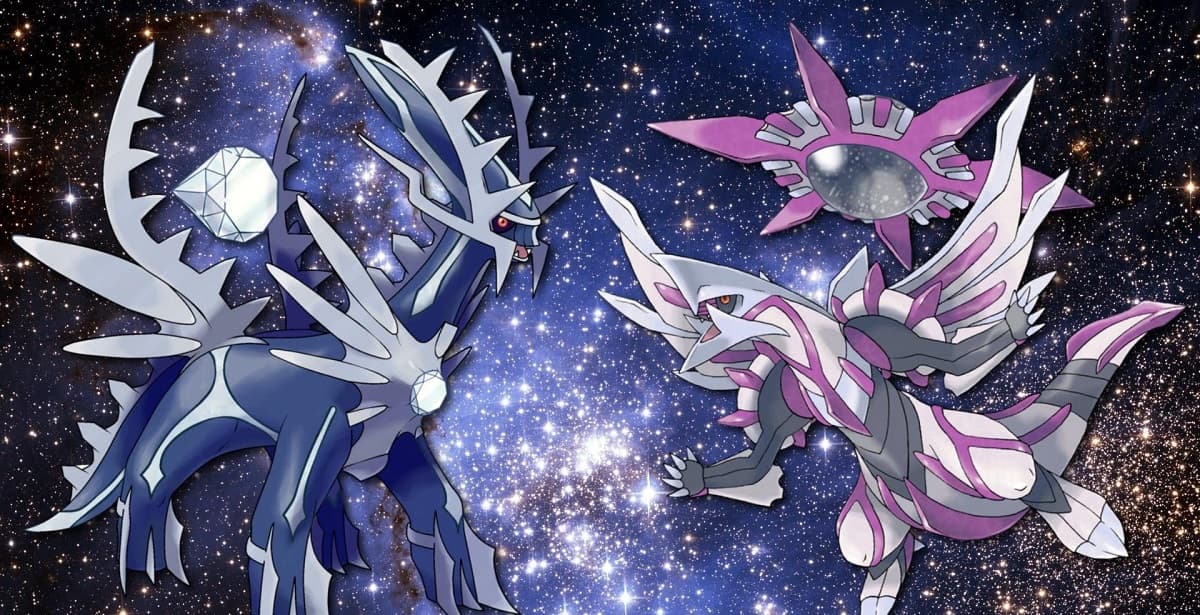
Brilliant Diamond and Shining Pearl rank low because they are too cautious, not because Sinnoh suddenly stopped being fun. That distinction matters. At their core, these are still sturdy Pokémon adventures with a strong regional identity, satisfying progression, and a late-game difficulty spike that can catch modern players off guard in a way the newer entries often do not. The Grand Underground helps, battles move quickly, and there is a straightforward pleasure in playing a more old-school structure without the open-world sprawl or live-service clutter. If somebody only cares about classic route-town-gym pacing, these remakes are not disasters.
The disappointment comes from what they refuse to be. Rather than meaningfully reimagine Sinnoh, they cling so tightly to the DS originals that they often feel like preservation projects with shinier surfaces. The absence of many Pokémon Platinum improvements hangs over the whole experience, because fans know a better version of this era already existed. The visual style also split opinion for good reason: it is not ugly so much as oddly small-scale for a remake people expected to feel grander. That leaves BDSP in an awkward spot. They are easier to enjoy than their reputation sometimes suggests, but much harder to admire. As pure RPG comfort, they work. As ambitious remakes, they are one of the Switch era’s clearest missed opportunities.
9. Detective Pikachu Returns
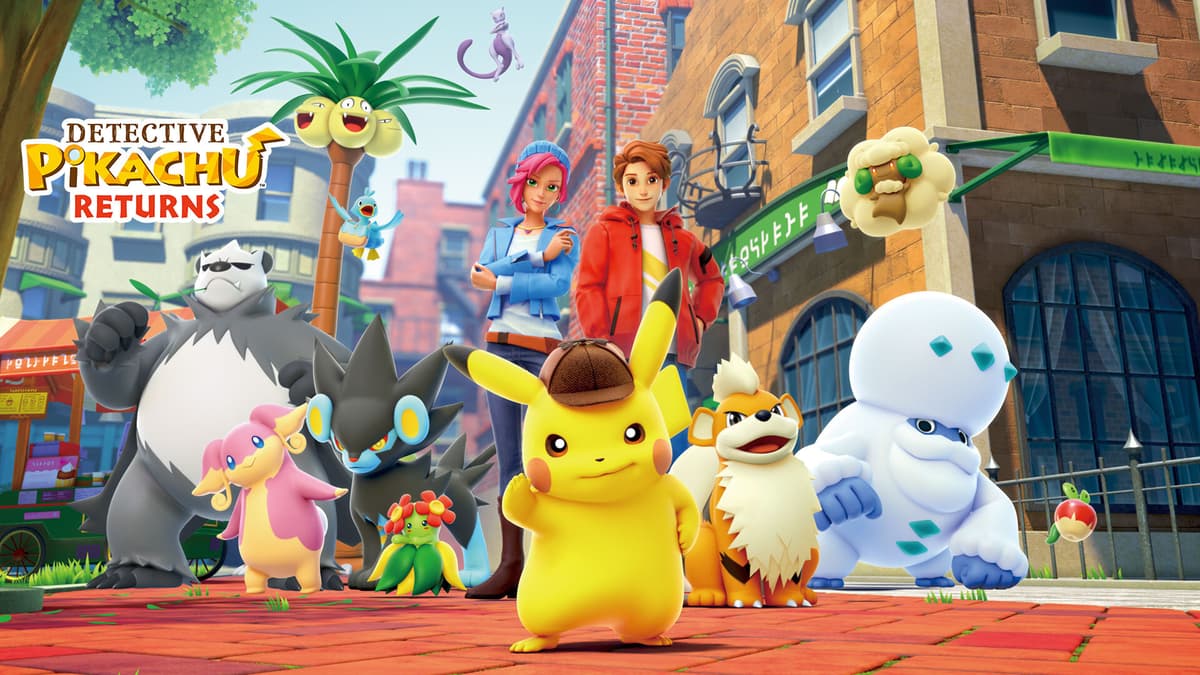
Detective Pikachu Returns knows exactly how modest it is, which is both its strength and the reason it settles this low. This is a narrative adventure first, a Pokémon game second, and a mystery game third. The appeal is not mechanical challenge; it is the novelty of spending time in a city where Pokémon and humans coexist in a more mundane, conversational way than the mainline series usually bothers with. That worldbuilding counts for something. Ryme City has personality, the talking Pikachu remains an effective hook, and the game is often better when it slows down to enjoy its setting than when it hurries back to clue-collecting.
The problem is that the investigative side never becomes particularly demanding. Puzzles are light, progression is guided to the point of near-frictionlessness, and the storytelling, while pleasant, rarely escalates into anything sharp enough to make the whole package feel essential. That does not make it bad. It makes it narrow. Younger players, families, and fans who like Pokémon most as a world rather than a battle system can get a lot out of it, especially because it offers a tone the rest of the Switch lineup mostly lacks. But if someone is looking for a game that uses the Pokémon license in mechanically surprising ways, this is more charming detour than must-play. Its best quality is also its limit: it is content to be small.
10. Pokémon UNITE
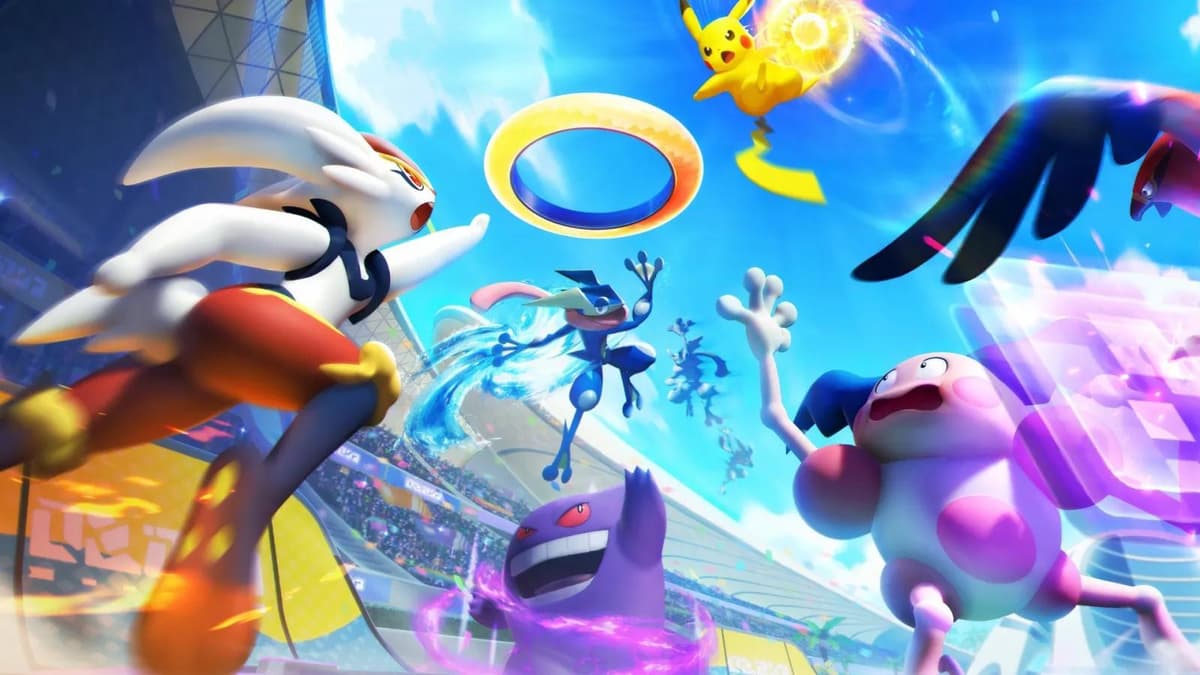
Ranking Pokémon UNITE alongside RPGs is inherently messy, but pretending it does not count would be its own kind of nonsense. As a free-to-play Pokémon game on Switch, it has had real staying power, and that matters. The format is smartly chosen: shorter MOBA matches, a readable map, recognizably themed roles, and enough mechanical depth to reward players who actually want to learn positioning, timing, and objective control. It also translates the fantasy of Pokémon combat into teamwork better than expected. Watching a coordinated push built around a well-timed Unite Move can feel a lot closer to competitive anime nonsense than most official games ever manage.
Its ranking ceiling is capped by the same things that limit a lot of live-service titles. Monetization optics, event churn, balance anxiety, and the fact that it is simply not what many Pokémon fans want from the brand all hold it back. You are also at the mercy of the usual team-game headaches, which means some sessions feel brilliant and others feel like a reminder to play something offline. Still, judged on its own terms, UNITE is more successful than some core-fan dismissals allow. If you like MOBAs, it deserves to be much higher on your personal list than this. If you want exploration, creature collecting, and a self-contained adventure, it belongs exactly here: relevant, better than the skeptics say, and absolutely not the default recommendation.
11. Pokémon Café ReMix
Pokémon Café ReMix makes the most sense when treated as a daily ritual rather than a substantial console game. Its pitch is clear and honestly pretty effective: cute café theming, familiar faces in charming outfits, touch-friendly puzzle stages, and a constant stream of little reasons to check back in. On those terms, it succeeds. The art direction is soft and inviting, the puzzle interactions are easy to parse, and the management wrapper gives the whole thing a slightly more structured identity than a bare mobile puzzler would have. It is the kind of game that can sit on a Switch as a low-stakes palate cleanser between heavier releases.
What keeps it near the bottom is that its strengths are almost entirely about comfort and routine rather than depth. The puzzle flow can become repetitive fast, the live-service cadence inevitably creates a sense of chores, and the underlying systems are not rich enough to justify much obsession unless the theme itself is doing most of the work for you. There is nothing wrong with that, but it is hard to rank highly in a franchise stacked with more distinctive experiences. Café ReMix is not a bad use of the Pokémon brand; it is a limited one. If you want something cozy, collectible, and easy to dip into for ten minutes, it does the job. If you want a reason to choose your Switch over your phone, the argument gets much weaker.
12. Pokémon Quest

Pokémon Quest has one great idea and only a modest number of great hours. The blocky toy-box art style is immediately memorable, and the game’s understanding of compulsion loops is sharper than its simple presentation suggests. You build a team, chase cooking recipes to lure new monsters, fiddle with move sets and power stones, and watch numbers creep upward at a pace designed to keep you saying “one more expedition.” There is an audience for that, and on a phone-sized schedule it can work. For a while, Quest feels like an unexpectedly honest little side experiment: lightweight, weirdly charming, and unconcerned with pretending to be more than it is.
It lands last because the shallowness arrives early and never really leaves. The automation drains tension, the repetition sets in hard, and the Switch version never fully escapes the sense that it is a smaller free-to-start concept dressed in console clothing. Compared with Café ReMix, it is less steady as an ongoing habit; compared with UNITE, it has far less room for mastery; compared with literally any mainline or premium spin-off entry above it, it simply has less to say. That does not make it worthless. It makes it the easiest Pokémon game on Switch to understand at a glance. If the aesthetic hooks you and you want a breezy side distraction, it can still do that. It just runs out of surprises before the rest of the list does.
FinalBoss // Gear
Level up your setup
01Best-selling Switch 2 gameson Amazon→02Switch 2 accessorieson Amazon→038BitDo controllerson Amazon→04Discounted game keyson Kinguin→
Affiliate links · As an Amazon Associate, FinalBoss earns from qualifying purchases.
Want to Level Up Your Gaming?
Get access to exclusive strategies, hidden tips, and pro-level insights that we don't share publicly.
Ultimate Top Strategy Guide + Weekly Pro Tips