
Table of Contents (13)
How this ranking works
This list is built for players who want the best 2D platformers on Switch, not a fuzzy pile of anything that happens to scroll sideways. That means no 3D platformers, no padding, and no easy points for games that are famous for reasons outside movement, level design, and how good they feel minute to minute. It also means a few borderline calls. Some action-platformers and one Metroidvania-leaning game make the cut because they matter too much to the Switch library to ignore, but they are judged partly on how strong their platforming still is.
If you just want the top platformer games for switch, start with the first four and work downward based on your taste: punishing precision, family co-op, old-school action, or exploration. Rank order gets more debatable after the very top, because this genre splits hard between players who want clean challenge and players who want charm, accessibility, or sheer content volume.
1. Donkey Kong Country: Tropical Freeze
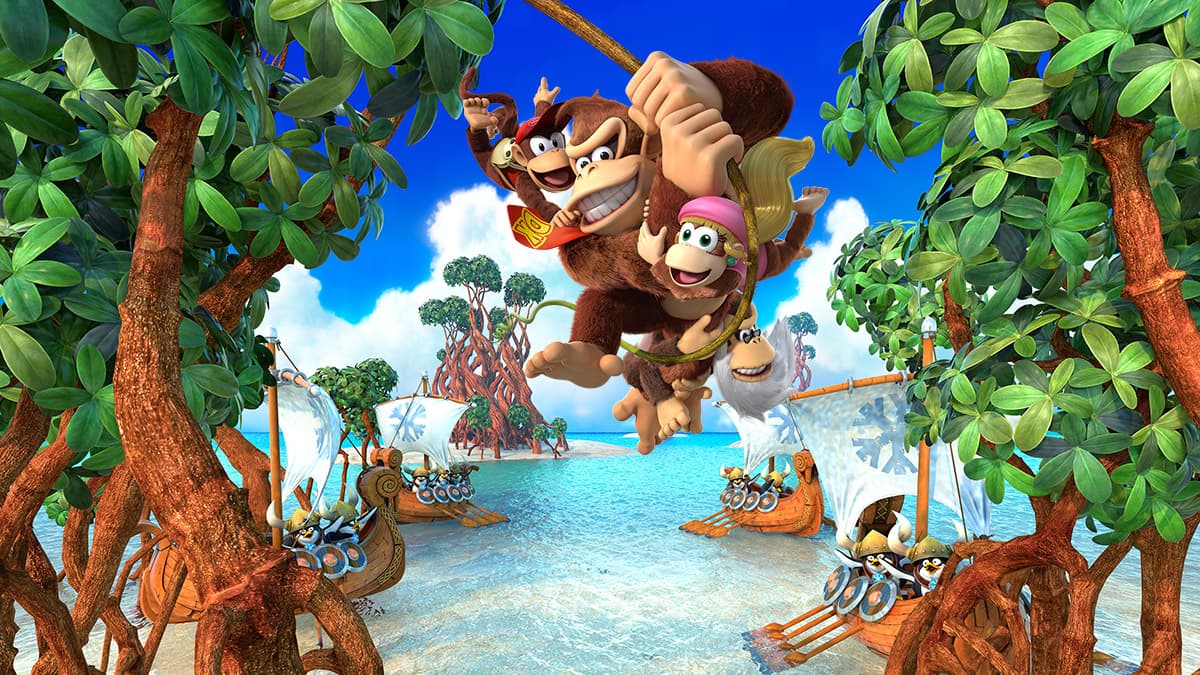
If the argument is about pure 2D platforming craft, this is still the game to beat on Switch. Donkey Kong Country: Tropical Freeze has the rare kind of level design that feels strict without becoming mechanical. Every stage introduces a visual idea, a rhythm, or a movement twist, then pushes it just far enough before getting out. The result is a platformer that feels authored down to the inch. Barrel cannons, collapsing structures, underwater routes, silhouette stages, and mine cart chaos all land because the game never loses track of momentum.
The reason it ranks above everything else is consistency. Plenty of platformers have higher highs or flashier gimmicks, but very few maintain this standard across nearly the entire campaign. The Switch version also matters because Funky Kong lowers the barrier for newer players without gutting the original design for everyone else. That makes the game usable in two different ways: as a serious precision platformer for veterans and as an entry point for players who just want great-feeling movement and smart checkpointing. If someone says this is the best 2D platformer of all time, that is not fan hyperbole talking. Even players who prefer Super Mario Bros. Wonder usually concede that Tropical Freeze is the more exacting, more disciplined piece of design. If your taste runs toward tightly tuned challenge over novelty, this is the Switch platformer canon.
2. Super Mario Bros. Wonder
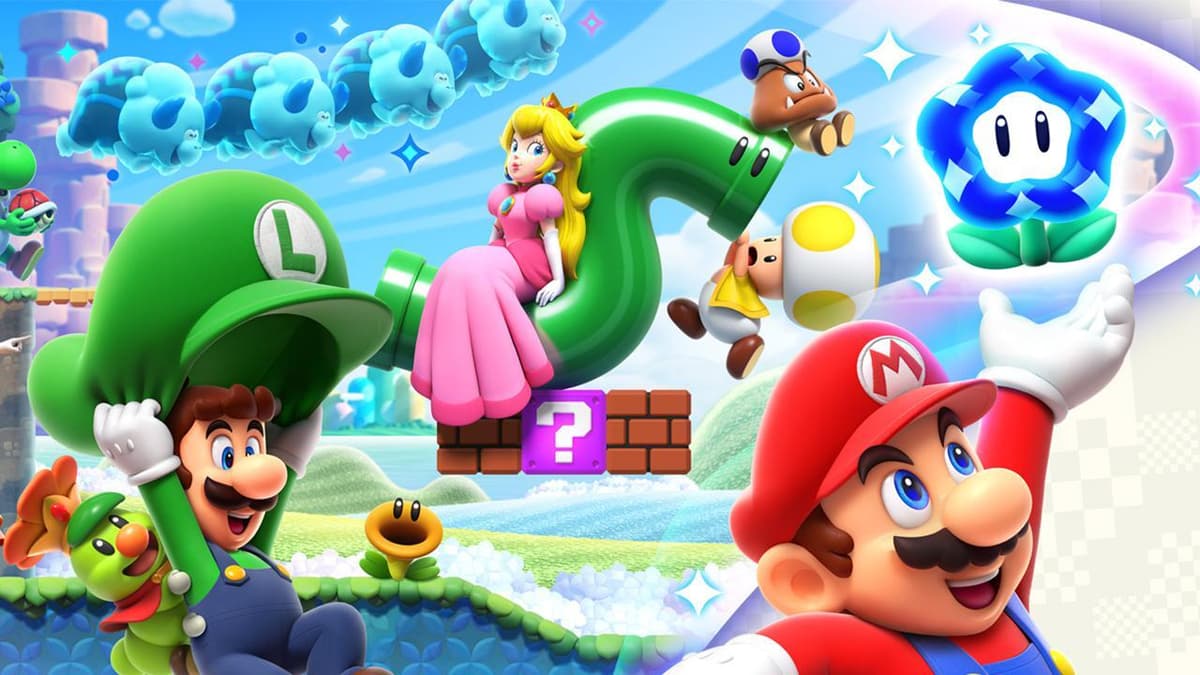
Super Mario Bros. Wonder earns this spot because it does something the long-running New Super Mario Bros. line mostly stopped doing: it feels curious again. The Wonder Flower mechanic lets stages break open in ways that sound silly on paper and work brilliantly in motion. Pipes wriggle, perspectives warp, enemies start singing, and suddenly a familiar Mario level becomes an unpredictable toy box. That constant sense of surprise matters, especially on Switch, where so many 2D platformers sell themselves on challenge rather than imagination.
What keeps it just under Tropical Freeze is that its creativity is the main event, not sustained difficulty. That is not a knock. It is the reason this is the easiest recommendation on the whole list. The controls are clean, the badge system adds just enough customization, and the multiplayer chaos is far less punishing than in older couch co-op platformers. It is also one of the rare games in the genre that genuinely works for mixed-skill groups without feeling watered down. Strong players can chase harder badge challenges and hidden exits, while younger or less experienced players can still see the best ideas. If Tropical Freeze is the “show me the ceiling of 2D level design” pick, Wonder is the “show me why this genre still has room to surprise people” pick. For broad appeal on Switch, nothing else really competes.
3. Rayman Legends: Definitive Edition
Rayman Legends stays near the top because it solves a problem older platformers often have on modern hardware: value without bloat. This is a huge game, but it rarely feels stuffed for the sake of a bullet point. The movement is buttery, the animation gives every jump a snap that reads instantly, and the stages switch between speed, precision, rescue goals, and outright spectacle with almost arrogant confidence. The music levels still hit especially hard because they turn timing and movement into something closer to performance than simple completion.
On Switch, it is also one of the safest recommendations for households that want local co-op without turning the TV into a family argument generator. The chaos is there, but the game usually channels it into slapstick instead of punishment. That matters. A lot of platformers say they are good for co-op, then become a pile of accidental deaths and camera complaints. Rayman Legends mostly avoids that by keeping the basic act of moving through space smooth and readable. The only reason it is not higher is that it does not feel as platform-defining on Switch as Nintendo’s own best exclusives. But if the question is quality rather than identity, it belongs in the same conversation. This is the durable third-party answer when someone wants a platformer that feels generous, stylish, and mechanically locked in from start to finish.
4. Celeste
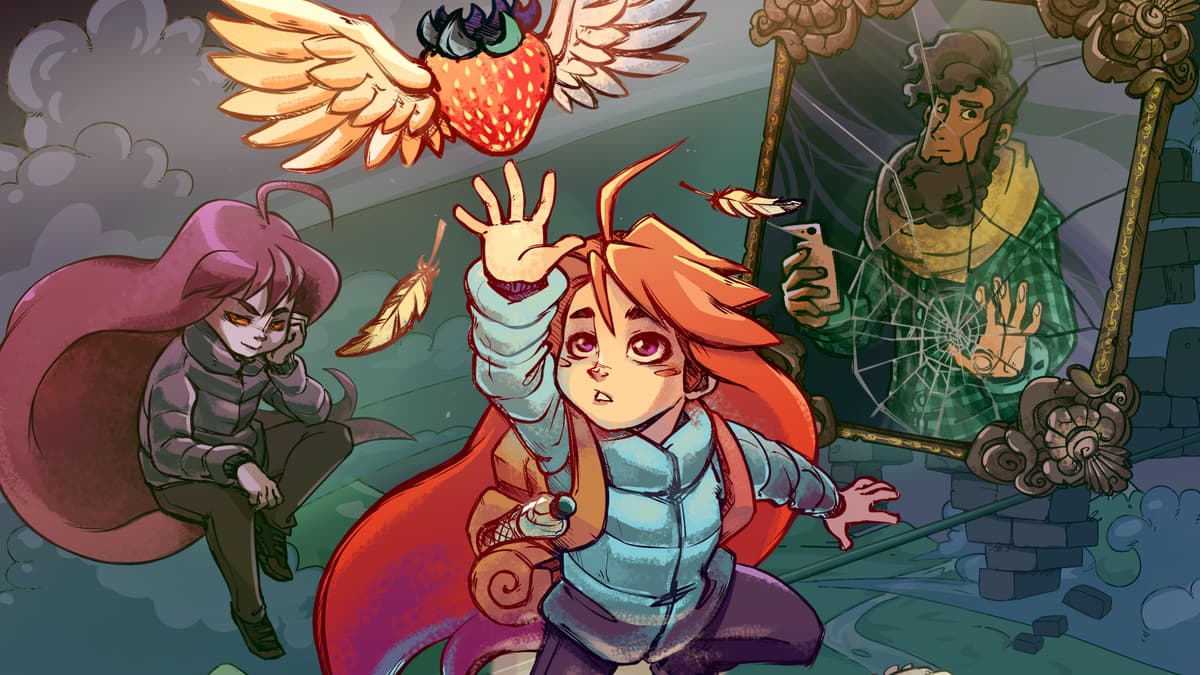
Celeste is the hard-but-fair standard because it understands what makes difficult platforming satisfying instead of exhausting. Its jump, dash, and climb toolkit is tiny, but the game builds an absurd amount from those few verbs. Rooms are short, failures are quick, and the reset speed is so respectful of the player’s time that experimentation becomes part of the fun rather than a tax. That is the secret. The challenge is brutal in places, yet the structure keeps you in problem-solving mode instead of pushing you toward controller-throwing resentment.
It also deserves credit for how it handles accessibility. Assist options are not a side note here; they are part of why the game has become such a standard recommendation on Switch. Players can tune the experience without the design collapsing, which is exactly how more difficult games should think about inclusion. There are harder games on the eShop and there are larger games on this list, but very few are this concentrated. Every screen has intent. Every collectible strawberry feels like a statement of mastery rather than checklist filler. It ranks below the top three only because its flavor of excellence is narrower. If you do not enjoy precision challenge, this will never be your number one. If you do, it has a real case for the top spot.
5. Shovel Knight: Treasure Trove
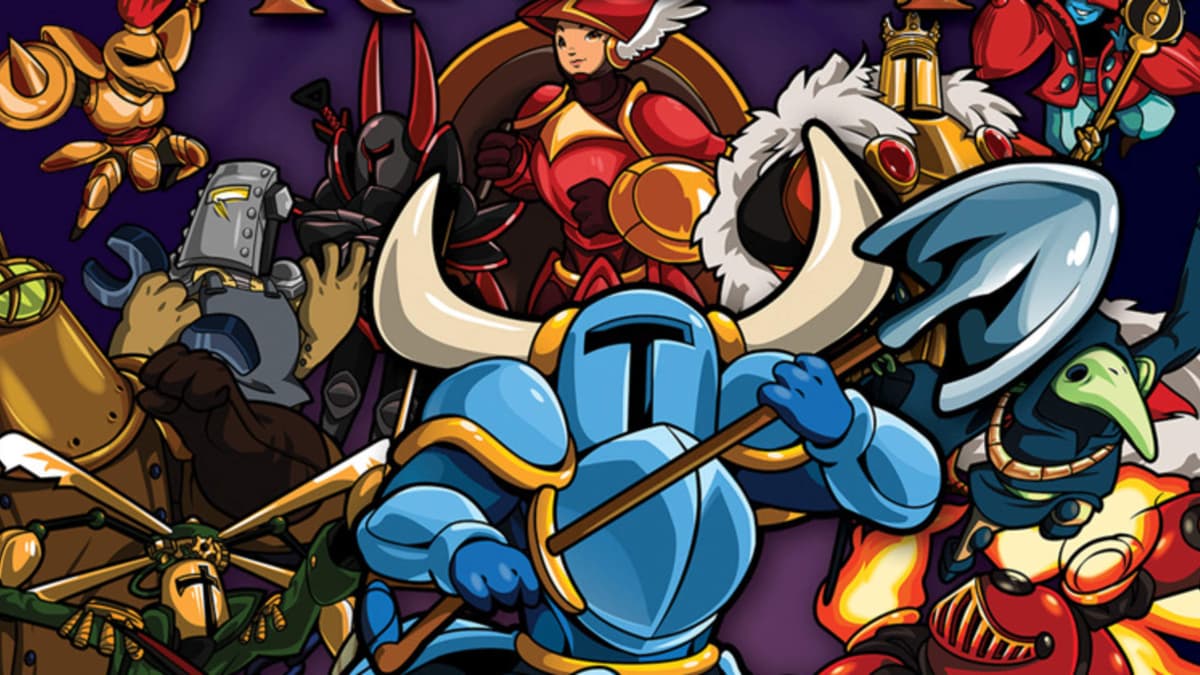
This is the retro revival that actually earns the nostalgia it trades on. Shovel Knight: Treasure Trove could have coasted on 8-bit affection, but the reason it lasts is that it feels better than many of the games it references. The shovel drop is a brilliantly readable signature move, combat has just enough bite, and the stages understand that old-school challenge works best when players can quickly grasp what the designer is asking. It looks like a memory of the NES era, but it plays like a cleaned-up version of that whole design school.
The bigger reason it ranks this high is scope. Treasure Trove is not one campaign stretched thin; it is several genuinely distinct adventures that remix the formula in meaningful ways. Plague Knight, Specter Knight, and King Knight do not feel like cosmetic afterthoughts. They shift movement, stage flow, and even how aggressive the game wants the player to be. On Switch, that makes it one of the most efficient buys in the genre, but the placement is not just about quantity. It is here because the core action-platforming still rules. The only thing keeping it outside the top four is that its combat-forward structure makes it slightly less pure as a platforming recommendation than the games above it. Still, if someone wants a modern game that explains why people still love old-school side-scrollers, this is one of the sharpest answers available.
6. Mega Man 11
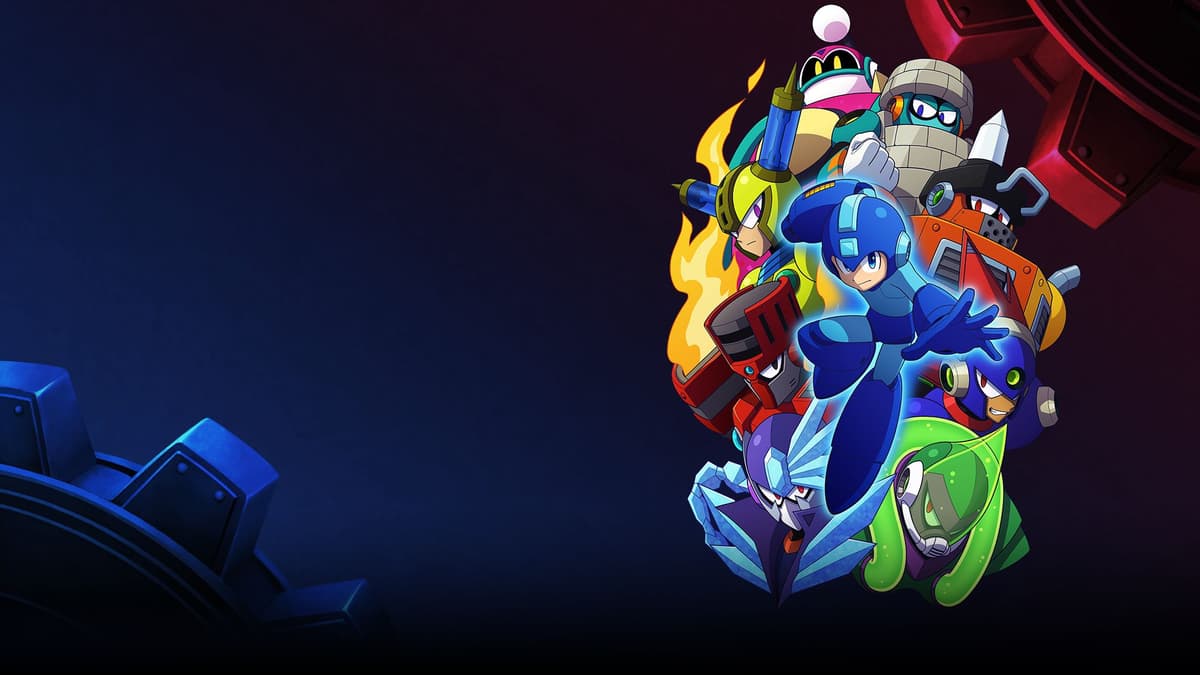
Mega Man 11 is the entry for players who think a platformer should bite back. It earns its place because it carries the series’ old strengths forward without feeling embalmed by tradition. The run, jump, and shooting rhythm is still the foundation, but the Double Gear system adds just enough new texture. Slowing time can rescue a messy section or help read enemy patterns, while powering up shots lets boss fights and tricky rooms feel more tactical than the usual memorize-and-repeat routine.
This is also one of the clearest examples of why “best 2D platformers” and “best pure jump-focused platformers” are not the same list. Mega Man 11 lands because the action and boss design are inseparable from the platforming. Conveyor belts, hazard-heavy stages, weapon-specific solutions, and route planning all matter. It is not as breezy as Wonder, not as graceful as Celeste, and not as visually expressive as Rayman, but it delivers a very specific kind of satisfaction that the Switch library would feel incomplete without. It also respects different skill levels better than older Mega Man games, thanks to multiple difficulty settings that do not turn the game into mush. If you want a platformer where pattern recognition, movement, and boss execution all pull equal weight, this is the one.
7. Kirby’s Return to Dream Land Deluxe
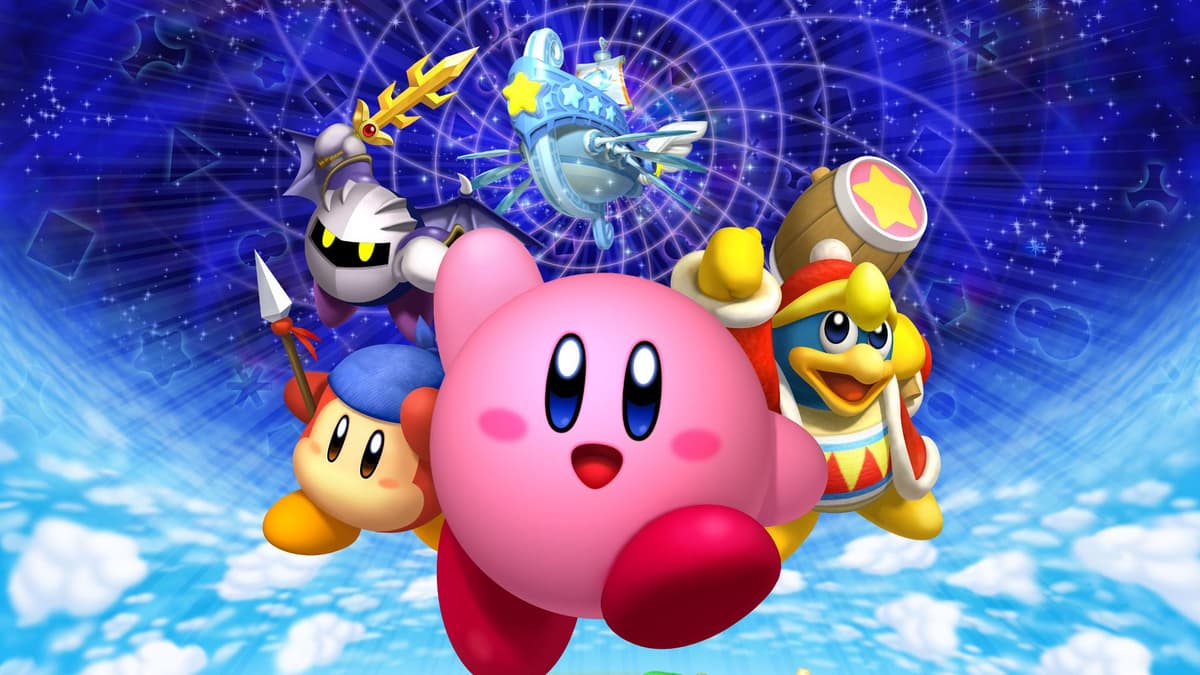
Kirby’s Return to Dream Land Deluxe is not on this list to represent “the easy game.” It is here because it is one of the smartest examples of how accessible platformers can still be mechanically satisfying. Kirby’s copy abilities make basic progression friendly, but the game stays interesting by constantly giving players low-stakes ways to experiment with movement and offense. Hovering forgives bad jumps, yes, but the level design still asks for timing, positioning, and quick reads when it wants to.
The real reason it outranks several tougher games is utility. Few platformers on Switch are this easy to recommend across such a wide range of players. Solo players get a polished, readable campaign with plenty of hidden extras and smooth pacing. Families get a co-op game that is actually manageable. Completionists get enough optional goals and postgame content to keep the whole thing from feeling disposable. And unlike some softer platformers, this one still has a proper sense of forward motion. Bosses have shape, copy powers matter, and the whole package understands that charm only works when the controls do too. It is not trying to overwhelm or punish. It is trying to be replayable, generous, and clean. On a platform whose identity is tied closely to shared play, that matters more than a lot of harder-core fans want to admit.
8. Sonic Mania
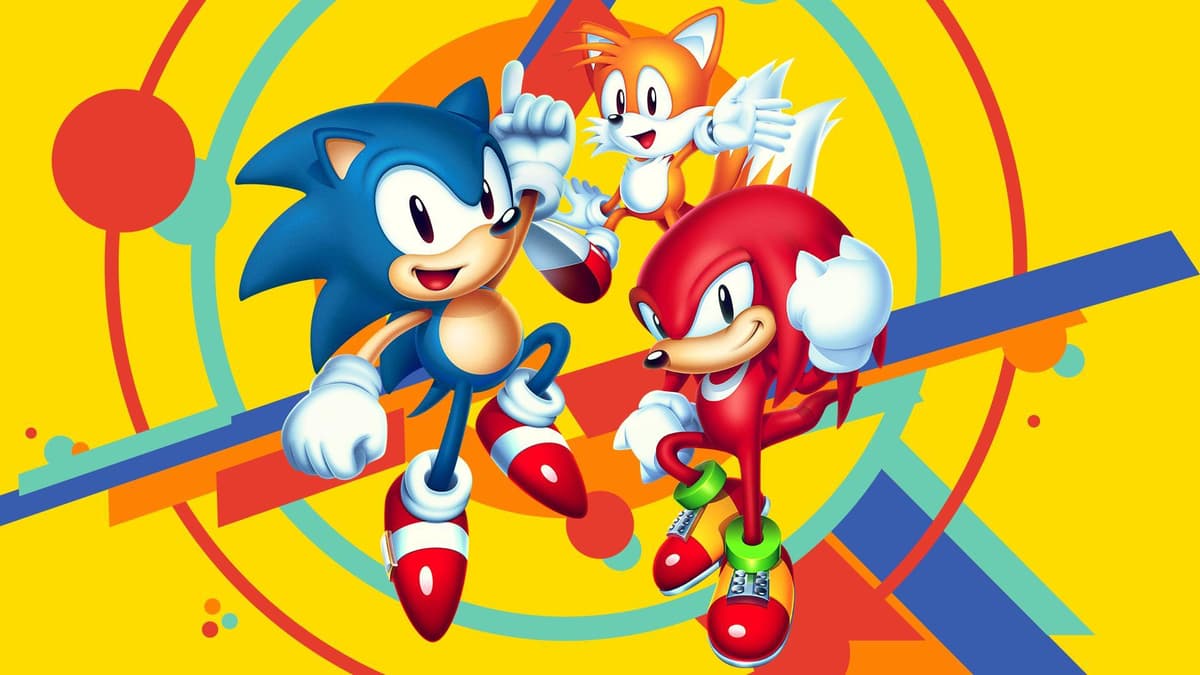
Sonic Mania belongs in any serious Switch platformer list because it does the near-impossible trick of making classic Sonic feel essential again instead of merely familiar. The physics, speed retention, split-second route choices, and hidden path density all capture what fans actually liked about 16-bit Sonic, not just what they remember liking. That distinction matters. Bad retro revivals imitate the surface. Mania rebuilds the underlying rhythm of momentum, pinball-like rebounds, and mastery through repeated runs.
It ranks outside the top tier because Sonic has always been a little messy compared with the strictest platforming greats. Sometimes the spectacle and speed create moments that feel more reactive than deliberate. But the best stages turn that tension into the whole appeal. You are not just clearing obstacles; you are learning how to stay fast without losing control. On Switch, it also makes perfect sense as a portable “one more level” game because the stages reward revisits, route optimization, and character differences. It is not the system’s cleanest platformer and definitely not its most approachable, but it is one of the few that offers this specific flavor of momentum-based mastery. For players who think platforming should feel a little dangerous and a little untidy in the best way, Sonic Mania is still the right recommendation.
9. Yooka-Laylee and the Impossible Lair
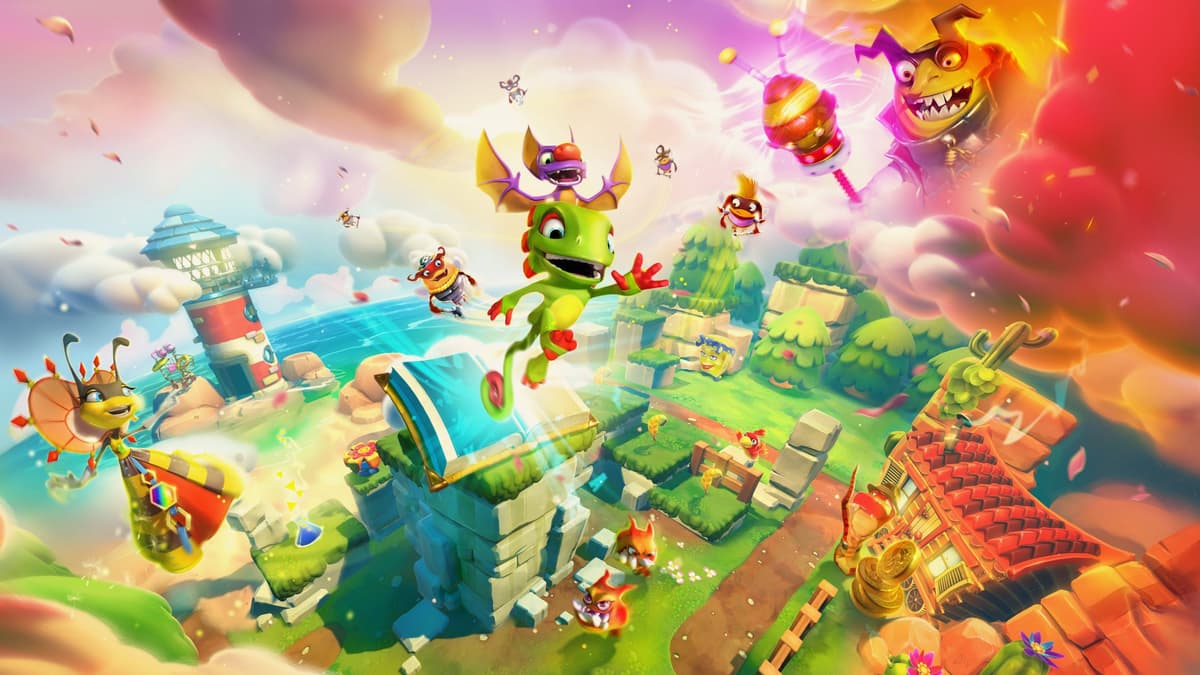
This is one of the easiest games on the list to underrate if you bounced off Yooka-Laylee the first time around. The Impossible Lair is a much stronger fit for Switch because it stops trying to imitate 3D collectathon nostalgia and instead becomes a confident 2D platformer with its own identity. The big hook is the overworld, which is more than a stage select map. It is a playful puzzle space that lets players unlock, alter, and reinterpret levels in ways that make progression feel surprisingly fresh.
Then there is the actual Impossible Lair, one of the boldest structural ideas in a modern platformer. The game lets players attempt the final gauntlet early, then spend the rest of the campaign gathering Bees to cushion failure. That changes the mood of the whole adventure. Exploration is not just about collectibles; it is preparation for a meaningful challenge. The regular stages are strong too, especially their alternate “state change” versions, which can flood a level, freeze it, or otherwise force players to rethink familiar layouts. It does not quite match the polish of Nintendo’s best or the precision of Celeste, but it earns this placement by having an angle nobody else on the list really matches. It is a reminder that inventive structure can matter just as much as tight jumping.
10. New Super Mario Bros. U Deluxe
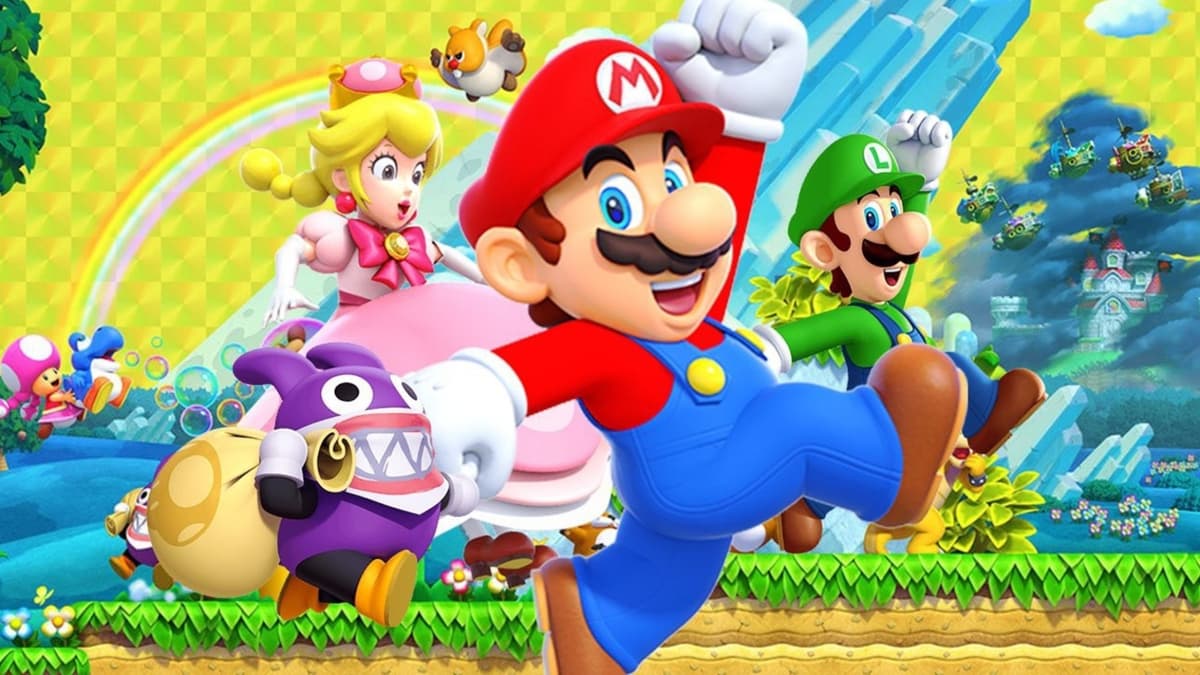
This is where taste starts to split. New Super Mario Bros. U Deluxe is undeniably polished, packed with content, and mechanically reliable. It also has the misfortune of existing next to Super Mario Bros. Wonder, which makes it look more conservative than it really is. Strip away that comparison and what remains is a very sturdy Mario platformer with excellent readability, sharp movement, and enough level variety to remind you why this formula carried Nintendo for so long.
The reason it sits this low is simple: it rarely surprises. Wonder feels alive with ideas; NSMBU Deluxe feels refined. For some players, refined is enough, especially because the package is substantial. You get the main campaign, New Super Luigi U, and character choices that make the game more forgiving or more approachable depending on who is playing. That is valuable on Switch, where plenty of households want a dependable co-op platformer more than they want innovation. Still, this is one of the clearest “belongs on the list, but not near the top” entries. Its controls and level flow are too good to omit, yet it does not define the system in the way Tropical Freeze or Wonder do. Think of it as the comfort-food pick: less exciting, still hard to dislike.
11. Disney Illusion Island
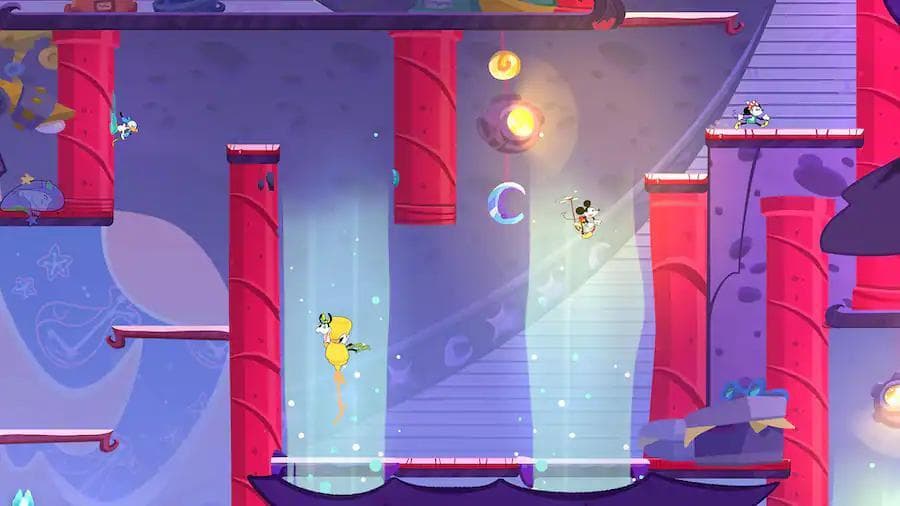
Disney Illusion Island is a useful corrective to the idea that a good platformer needs to be punishing, combat-heavy, or obsessed with mastery. Its big choice is removing combat almost entirely and letting movement carry the experience. That makes the game feel lighter than most entries here, but also more focused than its family-friendly branding suggests. Running, wall-jumping, swinging, and weaving through spaces becomes the point, not just the glue between fights.
That same choice also explains the placement. For players who want difficulty or razor-sharp level design, this can feel too soft. The map structure leans toward exploration, the stakes stay low, and the challenge curve is clearly tuned for accessibility first. But as a Switch library pick, it deserves recognition because it fills a lane that the system needs: low-friction co-op platforming that is cheerful without being brainless. In a lot of households, this will get played more than tougher classics simply because it welcomes everyone onto the couch. Its ceiling is lower than the games above it, yet it earns a spot by understanding its audience completely and by making movement pleasant enough that the lack of combat feels like a design principle rather than a missing feature.
12. Hollow Knight
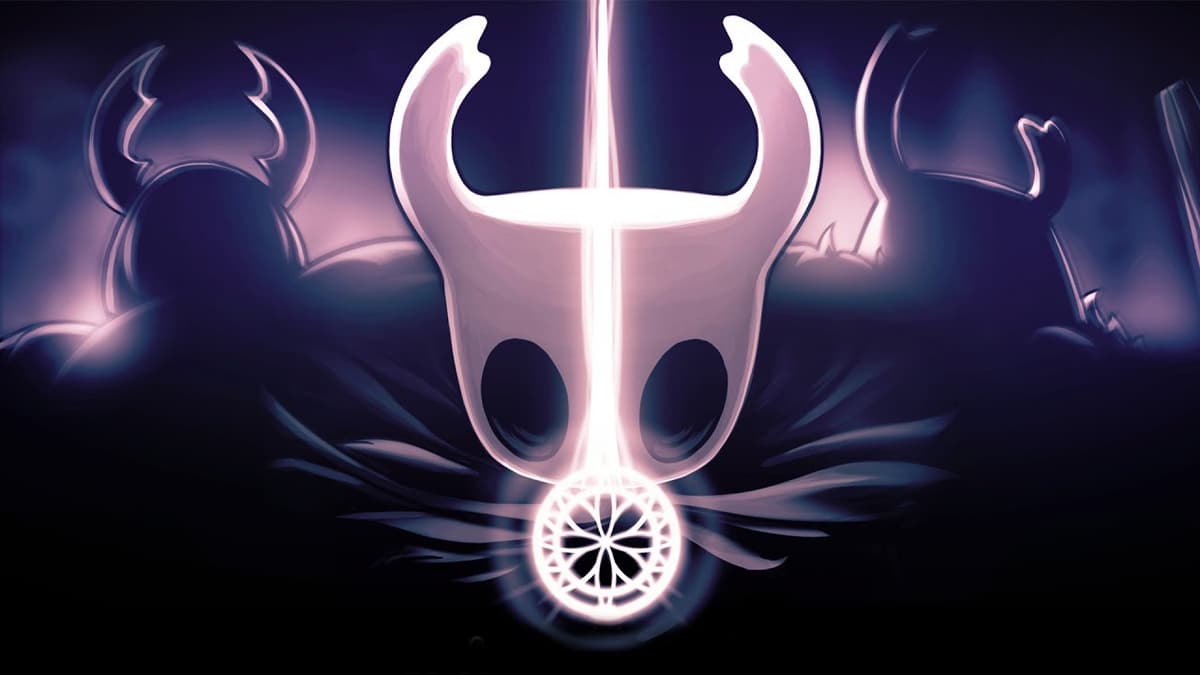
This is the boundary-pushing inclusion, and it belongs with a caveat. Hollow Knight is not a pure stage-based platformer in the same way most of this list is. It is an exploration-heavy action game first. But leaving it out of a Switch 2D platformer conversation would ignore how important its movement becomes over time. Early on, the game is restrained and even a little severe. Later, once the dash, double jump, wall movement, and tighter traversal challenges come online, platforming becomes one of its defining pleasures.
The reason it lands at the bottom rather than higher is genre clarity. If this were a broader list of 2D side-scrollers on Switch, it would shoot upward. But on a stricter platformer ranking, it stays lower because exploration, combat, and atmosphere do so much of the heavy lifting. Even so, there are stretches here that absolutely justify the inclusion, especially the more demanding traversal sequences and the game’s late realization that movement itself can feel heroic. On Switch, it also became one of the most important portable homes for indie side-scrollers, and that platform context matters. The takeaway is simple: if you want pure stage-by-stage platforming, start elsewhere on this list. If you want a darker, bigger, more exploratory game whose movement eventually becomes sublime, this is the justified exception.
FinalBoss // Gear
Level up your setup
01Best-selling Switch 2 gameson Amazon→02Switch 2 accessorieson Amazon→038BitDo controllerson Amazon→04Discounted game keyson Kinguin→
Affiliate links · As an Amazon Associate, FinalBoss earns from qualifying purchases.
Want to Level Up Your Gaming?
Get access to exclusive strategies, hidden tips, and pro-level insights that we don't share publicly.
Ultimate Top Strategy Guide + Weekly Pro Tips