
Table of Contents (15)
How IGN’s anniversary list dragged me back into the dark
When IGN dropped its 30th anniversary video on “30 Horror Masterpieces,” it did that dangerous thing horror always does to me: it made me start reinstalling games I absolutely do not have the mental health for on a work night.
What I liked about their list is that it doesn’t just camp out in the safe hits like Resident Evil 2 and Dead Space. It reaches all the way back to weird text adventures, early point-and-clicks, and niche GameCube experiments like Eternal Darkness. It also nods at modern remakes and even mentions things like a Shadowgate Playdate port and a planned 2026 remake of Fatal Frame II: Crimson Butterfly. I can’t independently verify every future release claim they make – and some of that remake chatter is still in “we’ll see when it actually ships” territory – but the bigger point stands: remakes and ports are actively rewriting what we consider the horror canon.
So instead of just rehashing IGN’s 30, I pulled together 13 horror games that, in my experience, actually changed how survival horror works. Some of them are on IGN’s list, some sit in the shadows around it, but each one pushed the genre somewhere new – whether that’s camera design, sanity systems, streaming-era scares, or full-blown power fantasies like Castlevania: Symphony of the Night and Bloodborne.
This isn’t a “best ever” list in the Metacritic sense. It’s the stuff that stuck to my brain, the games I still reference when I see something like Resident Evil Requiem synthesize 30 years of design history. You might disagree with some picks. Honestly, I kind of hope you do.
1. Shadowgate
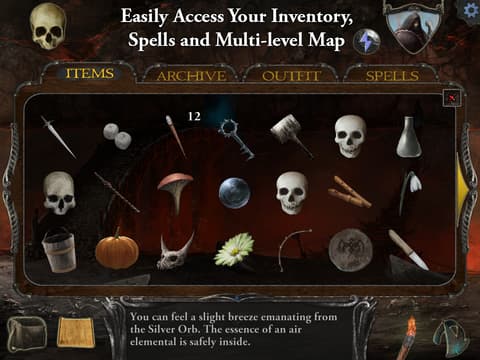
Shadowgate is the first game on IGN’s video that made me go, “Oh right, that’s where this all started for me.” I didn’t play it on an ’80s Mac; I found it years later on NES, jammed between platformers in a dusty rental shop. I went home expecting a generic fantasy adventure and got repeatedly murdered by a hallway because I forgot to relight my damn torch.
What makes Shadowgate matter for horror isn’t gore – it’s how it weaponizes uncertainty. First-person static screens, obscure verb-based commands, and a constant sense that the game is actively trying to trick you. Open the wrong door? Dead. Touch the wrong item? Dead. Wait too long? The torches go out, and you die in the dark. That petty, almost spiteful lethality is the DNA you see later in mansion puzzles in Resident Evil and the trial-and-error deaths of early survival horror.
IGN’s anniversary piece calls out how its obtuse environmental puzzles foreshadowed the logic of PS1-era horror. That tracks. You can feel the lineage between “use random crest on weird statue” in Shadowgate and the emblem doors in the Spencer Mansion. Even if the rumored modern ports and Playdate version bounce around in uncertainty, the original’s impact is clear: it proved that horror could be about text, implication, and the fear of choosing wrong in a hostile system – long before we were counting bullets in 3D.
2. Doom (1993)
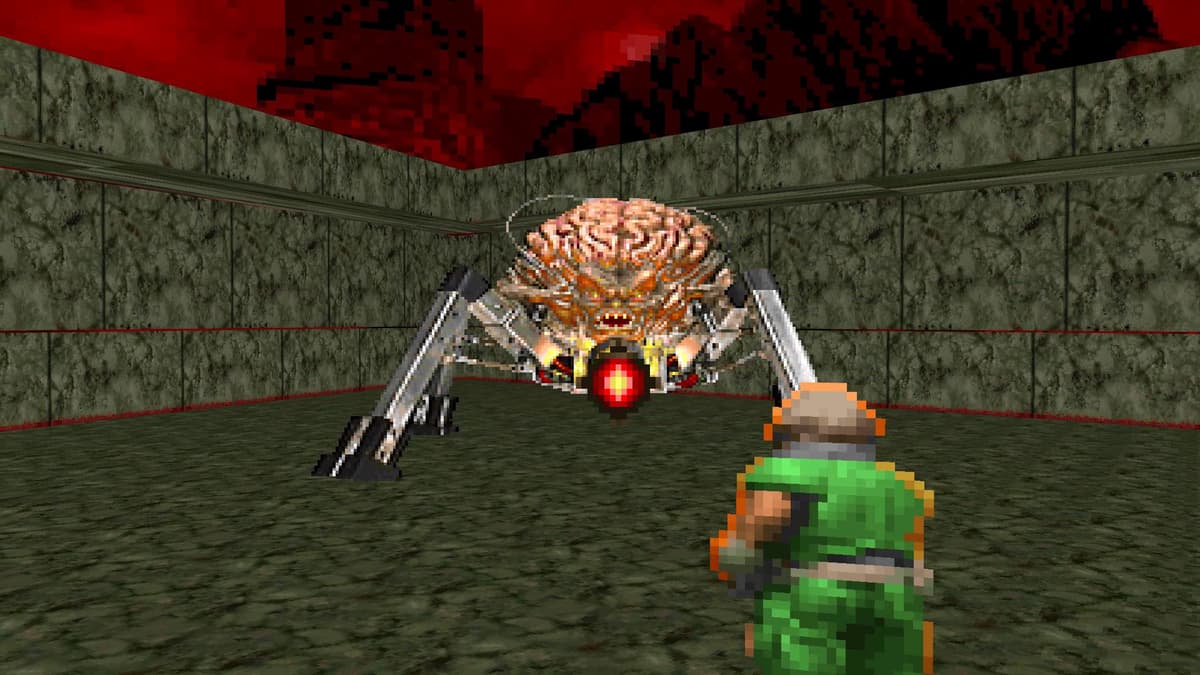
People file Doom under “FPS” so hard that it’s easy to forget how much horror it actually is. I still remember playing it on a creaky 486 in a dark room, headphones on, and realizing halfway through E1M3 that the game had tricked me into playing a haunted house at 200 km/h. The low-res demons look quaint now, but back then those snarls in the dark meant something had seen you before you’d seen it.
IGN rightfully positions Doom as a horror milestone, not just a shooter revolution. The key trick: atmosphere through limitation. Tight corridors, flickering lights, and sound design that tells you there’s an imp somewhere behind that door, but not exactly where. It’s a power fantasy – you’re chainsawing cyberdemons in space – but the pacing is pure slasher movie: quiet, tension, chaotic violence, repeat.
Later entries juggle the mix differently. Doom 3 leans into jump scares and darkness, practically auditioning for survival horror status, while the modern reboots go full “heavy metal album cover” with just enough grotesque creature design to keep the horror flavor. But that original 1993 game is where the genre learned that speed and fear aren’t opposites. Without Doom, you don’t get the combat confidence of Resident Evil 4 or the more aggressive set pieces of something like Resident Evil Requiem in 2026, where action and terror live in the same frame.
3. Clock Tower (PS1)
The first time Scissorman burst through a window in the PS1 Clock Tower, I physically dropped the controller. This was long before modern chase-sequence fatigue set in; being hunted in real time by an enemy you couldn’t reliably kill felt completely wrong in a way my teenage brain wasn’t ready for.
IGN’s video highlights how sparingly Clock Tower uses music, and that’s exactly what stuck with me. Most of the game is just footsteps, door creaks, and the awkward clack of the cursor as you poke around in pre-rendered rooms. When Scissorman finally appears, the sudden sting of music feels like a panic attack. Mechanically, it’s a point-and-click adventure, but structurally it’s proto–Amnesia: you’re mostly running, hiding, and praying your “panic” meter doesn’t max out while you’re stuffed into a locker.
The game’s branching paths and multiple endings also hint at what horror would become: not just a gauntlet to survive, but a narrative space to explore and re-explore. It never blew up like Resident Evil – launching in the same era as Capcom’s mansion masterclass was brutal timing – but its design echoes everywhere from Haunting Ground to modern stalker-AI horror. For me, Clock Tower is where survival horror first truly committed to the fantasy of being prey, not a hero with a shotgun.
4. Resident Evil (1996 & 2002 remake)
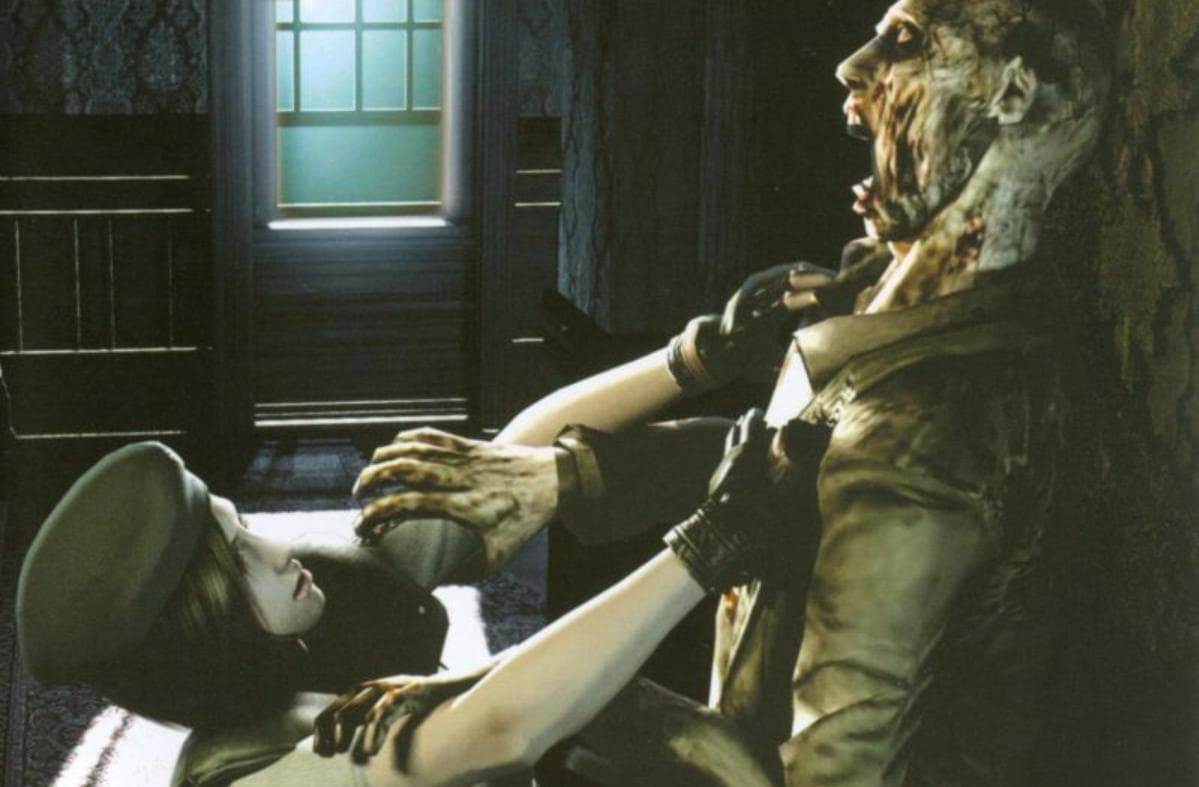
Resident Evil is the one game on this list I’ve owned on more platforms than is reasonable. PS1, GameCube, modern ports – Capcom has my number. The first time I crept down that dog-infested corridor, on a tiny CRT, I got the now-classic jump scare completely spoiled… and it still wrecked me.
IGN’s anniversary framing nails it: this is where “survival horror” became a set of design rules. Fixed camera angles that hide threats just out of sight. Tank controls that make you feel like you’re wrestling your own body. Limited saves and ink ribbons turning every typewriter into a risk assessment. Ammo scarcity that forces the question: “Do I spend three bullets or just sprint past this thing and hope I never come back here?”
The 2002 GameCube remake is the rare do-over that doesn’t overwrite the original; it clarifies it. New areas, nastier surprises like Lisa Trevor lurking in the basement, and better lighting turn the Spencer Mansion into a place I still mentally map when I think about good level design. That remake also set the tone for the current remake wave – you can draw a line from it to Resident Evil 2 (2019), Dead Space (2023), and beyond.
Games like Resident Evil Requiem now remix decades of franchise history into slick, cinematic horror theater, but this is where the template was forged. When people (or press decks) talk about “Masterpieces” of horror, this is the bedrock they’re standing on, whether they realize it or not.
5. Silent Hill 2
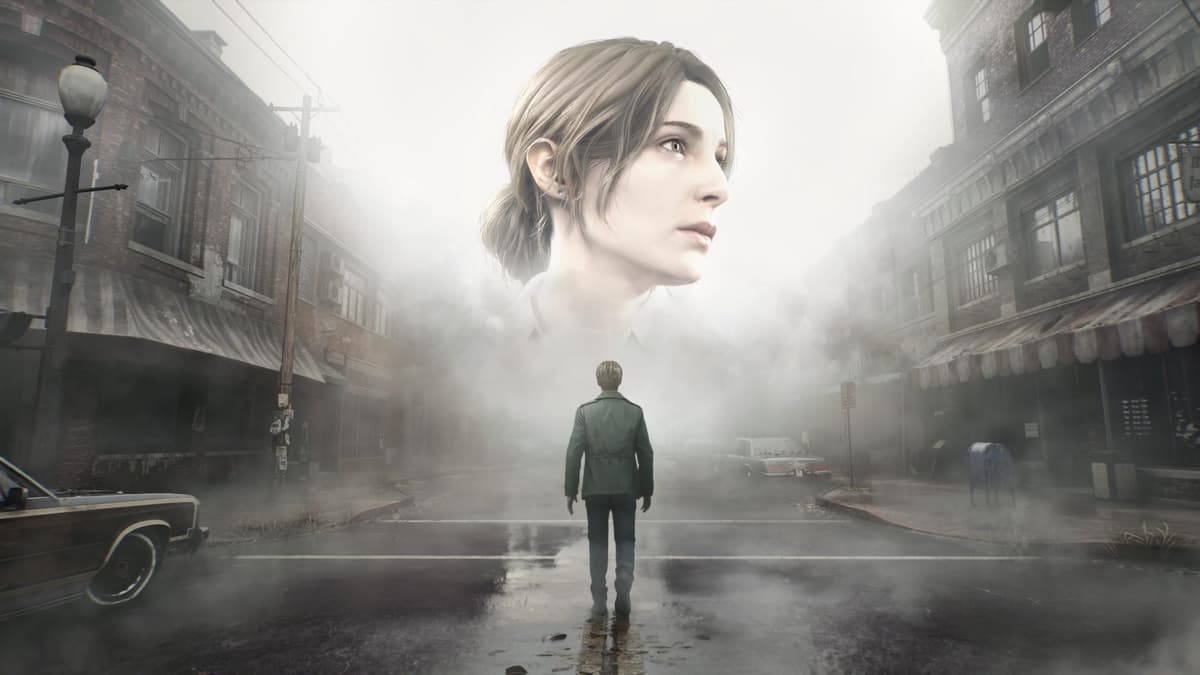
I respect the original Silent Hill, foggy draw-distance hacks and all, but Silent Hill 2 is the one I keep going back to in my head. I played it too young, late at night, volume way too high, and it was the first time a game made me feel genuinely guilty – not for in-game choices, but for wanting to see what came next.
Where Resident Evil is about surviving a hostile space, Silent Hill 2 is about surviving yourself. IGN’s anniversary list talks about the genre’s shift from monsters to psychology, and this is Exhibit A. The fog isn’t just a hardware workaround, it’s a metaphor for James Sunderland’s fractured memory. The monsters aren’t random freaks; they’re manifestations of shame, repression, and violence. Pyramid Head isn’t just a cool boss design – he’s an executioner that only exists because James needs to be punished.
Mechanically, it’s rough by modern standards: clunky combat, awkward inventory, the usual PS2-era wobble. But the audiovisual design still destroys me. The way the radio static ramps up before an encounter. That piano motif that slides between melancholy and dread. The endings that recontextualize everything you’ve seen, plus the now-legendary “In Water” conclusion that hits like a brick if you’ve been paying attention.
When people talk about modern narrative horror – from walking sims to prestige indies – they’re chasing what Silent Hill 2 did in 2001: using horror not just to scare, but to interrogate why we need to be scared in the first place.
6. Castlevania: Symphony of the Night
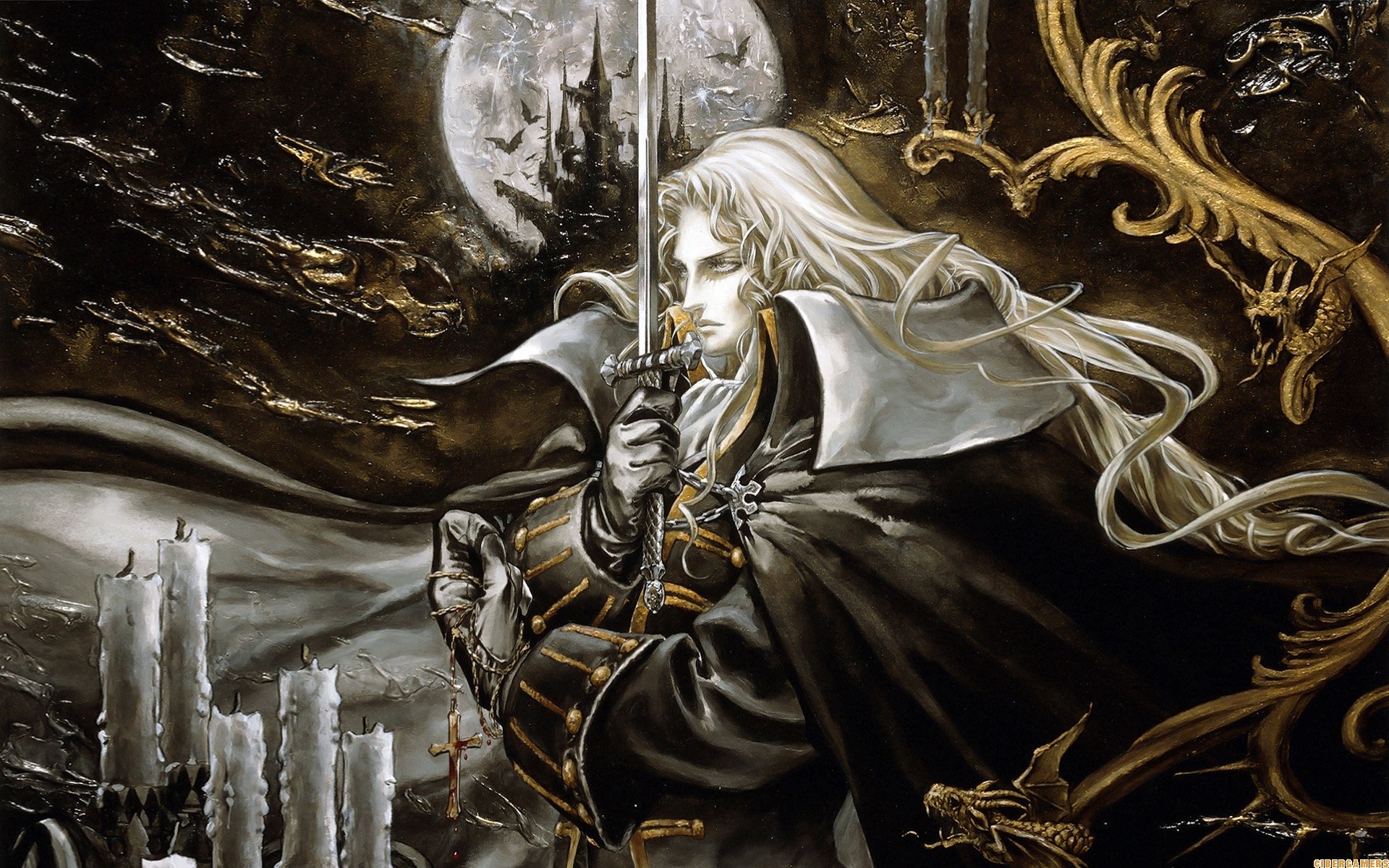
Symphony of the Night is the odd one out on almost every horror list, including IGN’s. It’s not survival horror. It’s not really trying to scare you. I played it after marathoning more traditional horror games and felt like I’d walked into the same haunted house, but this time with a rocket launcher and a PhD in backtracking.
Here’s why it belongs in any conversation about horror “masterpieces”: it proved that horror aesthetics don’t have to mean disempowerment. You’re wandering a castle dripping with gothic atmosphere – blood fountains, inverted crosses, bosses straight out of old monster movies – but instead of scraping for bullets, you’re hoarding relics, spells, and familiars. Every corner hides a secret room or a cheesy voice line. Then, halfway through, the game literally flips the map upside down and asks you to rethink everything.
From a design-history angle, Symphony is the metroidvania blueprint that a generation of indie devs has been remixing ever since. It taught studios that you can do horror theming inside a progression-heavy, exploration-first structure without neutering the fun. Modern games like Bloodstained and countless smaller titles owe it a debt, and its influence even bleeds into more action-forward horror sequels that ditch strict scarcity but keep the monsters.
Whenever people complain that survival horror is “too clunky” or “too stressful,” Symphony of the Night is my go-to recommendation. Same bats, same Dracula, radically different fantasy: not “I hope I survive the night,” but “I hope the night survives me.”
7. Eternal Darkness: Sanity’s Requiem
Eternal Darkness is the game I bring up whenever someone says games can’t really mess with the player the way film or books can. I didn’t own a GameCube at launch, so I binged this at a friend’s house over a weekend, slowly going from “this is a neat Lovecraft knockoff” to “is your TV actually broken or is the game doing this?”
IGN’s video calls out its sanity system, and that’s the heart of it. Most horror titles track health and maybe stamina; Eternal Darkness tracks your mind. See something awful, lose sanity. Lose enough, and the game starts gaslighting you: fake volume prompts, imaginary bugs crawling across the screen, save files “erasing” themselves. In an era where fourth-wall breaks were still rare, this felt downright malicious in the best way.
From a design perspective, it’s surprisingly ambitious. A multi-character story spanning centuries, each chapter tweaking the combat systems just enough to keep you off balance, all layered over a cosmic-horror meta-plot. It’s messy in places – some chapters drag, the combat is clunky – but the intent is crystal clear: use the medium’s unique tricks to attack the player’s trust directly.
Attempts to resurrect the IP have fizzled, leaving the original as a weird, singular artifact. But whenever modern horror games toy with fake crashes, corrupted saves, or UI glitches, you can feel Eternal Darkness whispering in the background, reminding developers that the scariest thing a game can do is convince you something is wrong outside the game.
8. Fatal Frame II: Crimson Butterfly
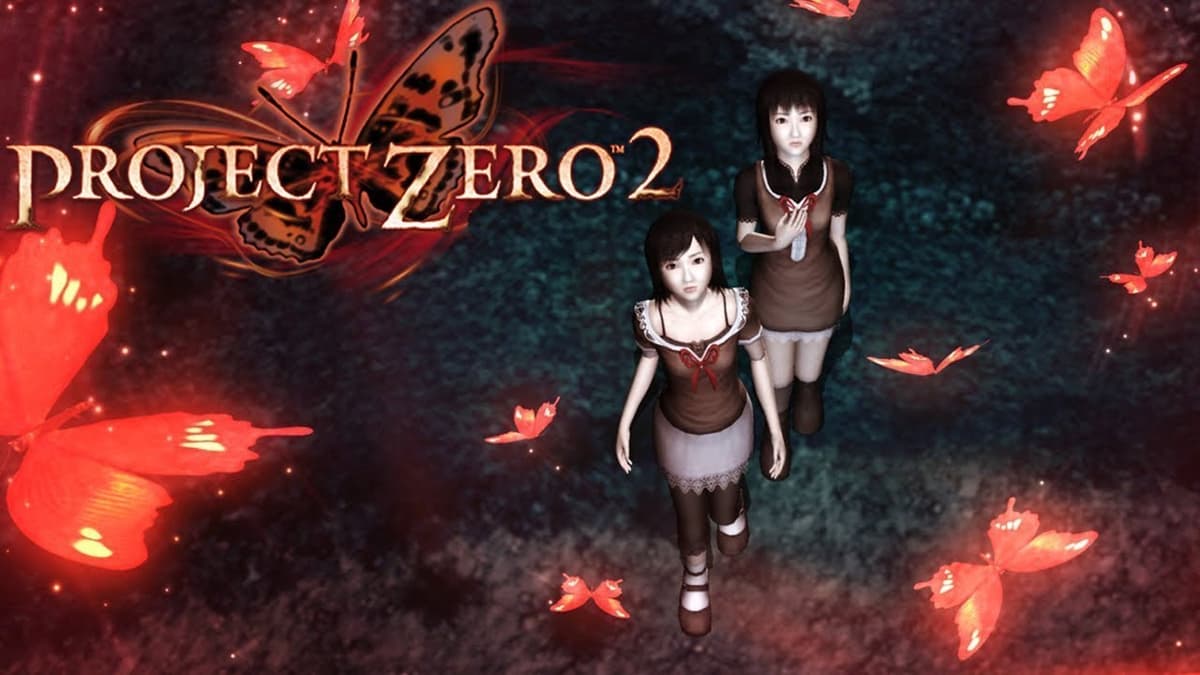
Fatal Frame II is one of the few games where I had to pause, stand up, and walk around my flat after a single jump scare. Not because it was loud or cheap, but because the dread had been building so slowly that when the game finally snapped the trap shut, my body just noped out.
IGN’s anniversary video singles it out as the standout of the trilogy, and I’m with them. The Camera Obscura mechanic is genius: to defend yourself, you have to willingly look directly at the thing you don’t want to see. It’s the inverse of most horror design. Instead of glancing away or hiding under a table, you’re framing ghosts in your lens, waiting for that perfect, teeth-gritted shot as they lunge at you.
What really sells it is the tone. The abandoned village, the ritualistic backstory, the way the game uses twin imagery to make you constantly question who’s safe – it’s all quietly miserable in a way that sticks around. The controls feel dated now, and modern players raised on slick remakes might bounce off the pacing, but once you’re in, you’re in.
IGN mentions a new remake slated around 2026. I can’t verify the final shape or quality of something that’s still in the future, but the fact that publishers keep circling back to Crimson Butterfly says everything. In a genre packed with guns and gore, this is the game that proved a camera and a handful of ghosts could be more terrifying than any rocket launcher.
9. Dead Space (2008 & remake)
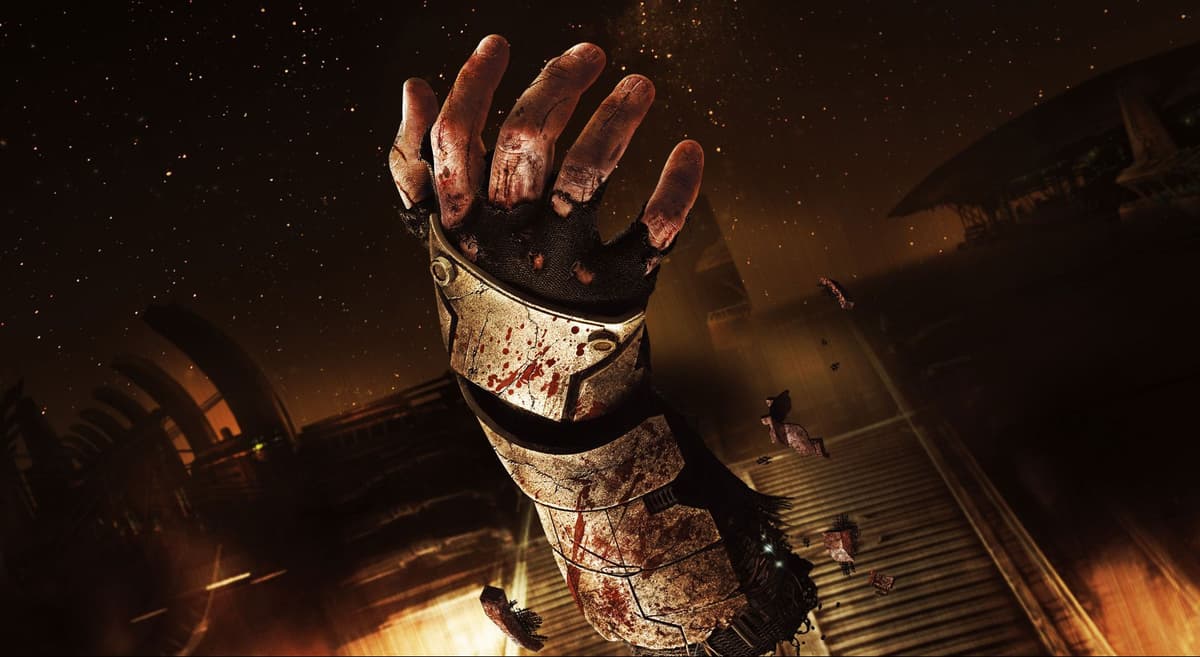
My first run through the USG Ishimura in Dead Space felt like someone had mashed together Alien, The Thing, and an engineering textbook. I spent half the game in awe of the diegetic UI – health bars on RIG suits, ammo counts floating over weapons – and the other half listening for necromorphs in the vents like they were in my actual ceiling.
Where earlier survival horror leaned on fixed cameras and clunky controls, Dead Space embraced modern third-person shooting without losing the fear. Strategic dismemberment forces you to stop treating enemies as bullet sponges and start thinking like a desperate surgeon. Resource management, zero-G sections, and that unforgettable “don’t trust the vents” rule all blend into a single design message: you’re powerful, but you are not safe.
The 2023 remake didn’t just reskin it; it subtly rewired pacing and structure, tightening backtracking and adding character work without breaking what made the original sing. In a lot of ways, it’s the poster child for the current horror remake wave IGN’s list is tapping into: reverent, but not trapped by nostalgia.
When modern reviews talk about games like Resident Evil Requiem delivering “survival horror theater” with big set pieces and dense mechanics, they’re standing on a foundation Dead Space helped pour. It proved you could do AAA production values, chunky combat, and still have players inching around every corner like something’s waiting with a bone saw.
10. Amnesia: The Dark Descent
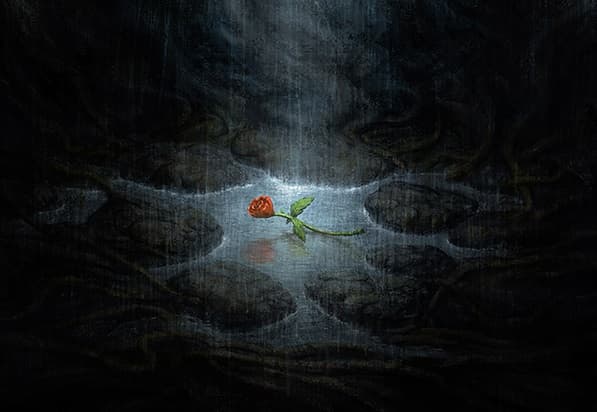
Amnesia is the game that made me realize how dangerous “just one more room” could be at 2 a.m. I booted it up expecting a cool indie experiment and ended up playing it in 20-minute bursts because my heart genuinely couldn’t take more.
Where the older survival horror greats taught you to count bullets, Amnesia took the bullets away. No weapons, no real way to fight back, just a lantern, physics-based interactions, and an aggressively fragile protagonist. Look at monsters too long and your sanity frays. Hide in the dark too long and the same thing happens. It’s a horrible, elegant loop that forces you to balance visibility and vulnerability.
IGN’s 30-year rundown talks a lot about technical shifts – from text adventures to cinematic remakes – but Amnesia marks another kind of shift: the streaming era of horror. Watching people completely fall apart on camera playing this game did more for its legacy than any marketing campaign. Frictional’s design practically anticipates that dynamic, building in long, quiet build-ups and brutal release moments that play perfectly to an audience, whether you’re on the couch with friends or broadcasting to Twitch.
Even if later entries and imitators diluted the formula a bit, the original remains a reference point whenever someone pitches “you’re totally helpless” horror. It’s the moment indie devs realized they could strip away combat and still hold players in a death grip, purely through sound, space, and the fear of being seen.
11. P.T.
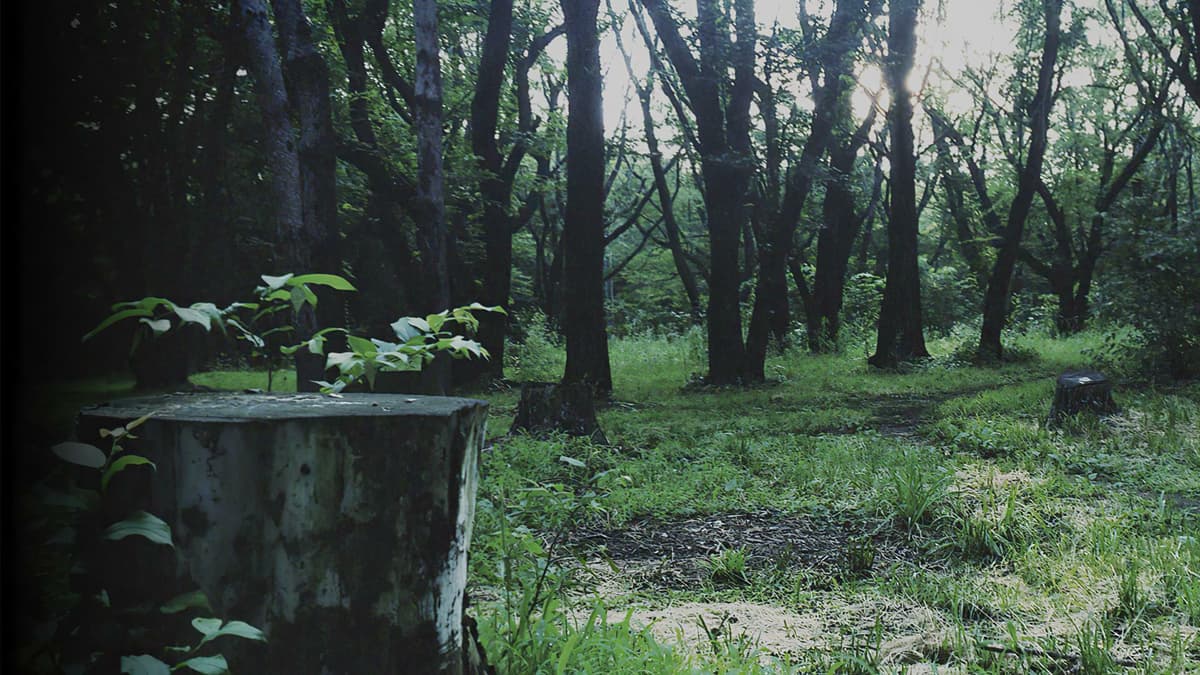
P.T. isn’t even a full game. It’s a cancelled teaser for a project that never came out, and yet it haunts horror design discourse more than some entire franchises. I downloaded it the night it dropped, with no idea what it was beyond “playable teaser,” and spent the next hour looping the same L-shaped hallway, slowly realizing I was trapped in something special – and deeply cruel.
The concept is brutally simple: one space, subtle mutation, escalating threat. Every loop slightly adjusts the lighting, the audio, the things you think you saw at the edge of your vision. There’s barely any explicit explanation, just a slow drip of radio broadcasts and environmental clues. By the time Lisa fully reveals herself, you’ve been dreading her for so long that the payoff feels inevitable and still completely shattering.
From a craft angle, P.T. distilled a decade of psychological horror and streaming-era design into a single hallway. It showed how much you can do with minimal assets and maximal intent. A lot of first-person indie horror since then – looping spaces, cryptic puzzles, meta-events – is either consciously or unconsciously chasing that vibe.
IGN’s list is about “masterpieces to play before you die,” and the cruel joke is that >you literally can’t play this one anymore unless your console already has it installed. But in terms of pure influence-per-minute, P.T. sits near the top of modern horror. It’s the ghost of what console horror could have been, still rattling chains in every claustrophobic corridor that’s come after.
12. Resident Evil 4 (original & remake)
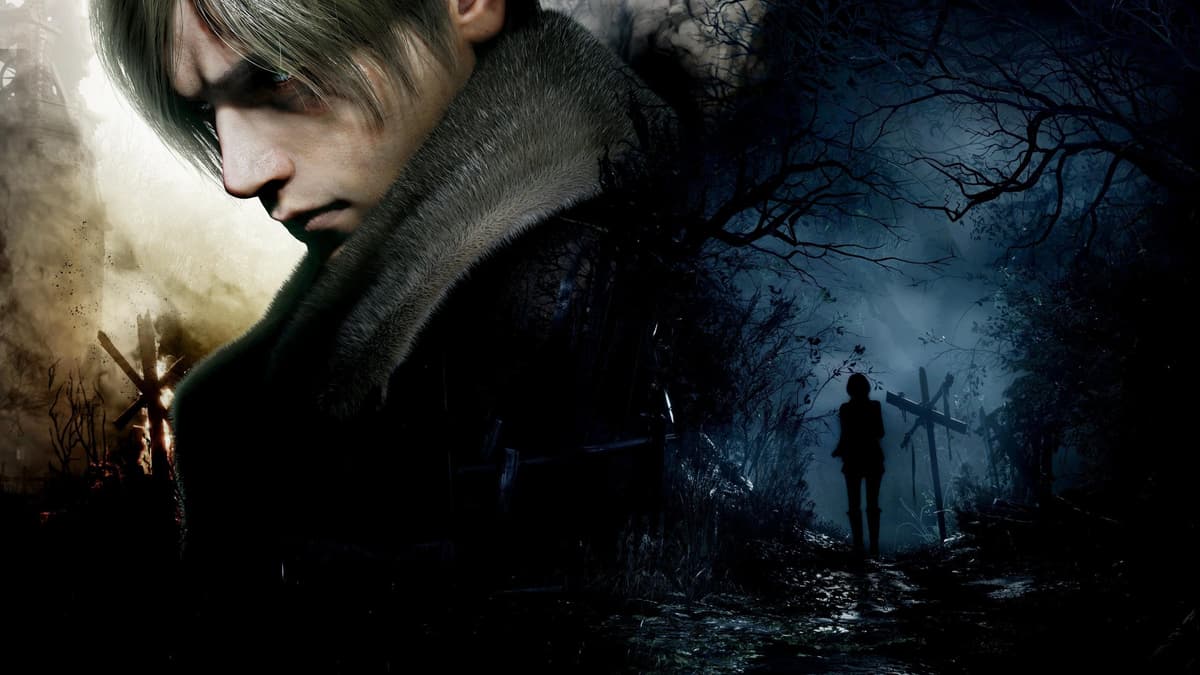
When I finally got my hands on Resident Evil 4 on GameCube, it felt like someone had broken a sacred rule. Horror games weren’t supposed to feel this good to control. A tight over-the-shoulder camera, snap-aiming at kneecaps and heads, roundhouse kicks sending zealots flying – it was intoxicating, and a lot of people declared the “classic” style of survival horror dead on the spot.
IGN’s piece hints at this broader shift: as technology improved, horror either leaned into vulnerability or embraced the power fantasy. RE4 picked the latter and rewrote the playbook. It kept the resource tension – limited ammo, high-stakes encounters – but layered it over a combat system that made you feel like a one-man SWAT team on a very bad vacation. That balance of empowerment and terror is something modern entries like Resident Evil Requiem still wrestle with, even as they add first-person segments and more elaborate set pieces.
The 2023 remake proved the core formula still works. By darkening the tone, tweaking encounters, and subtly increasing Leon’s vulnerability, it nudged the game a bit closer to survival horror again without discarding the kinetic feel that made the original legendary. It also demonstrated how remakes can serve as critical arguments: a way of saying, “This is what this game always wanted to be.”
Love it or not, Resident Evil 4 is the hinge point. Without it, the line between “horror game” and “action game with monsters” looks completely different.
13. Bloodborne
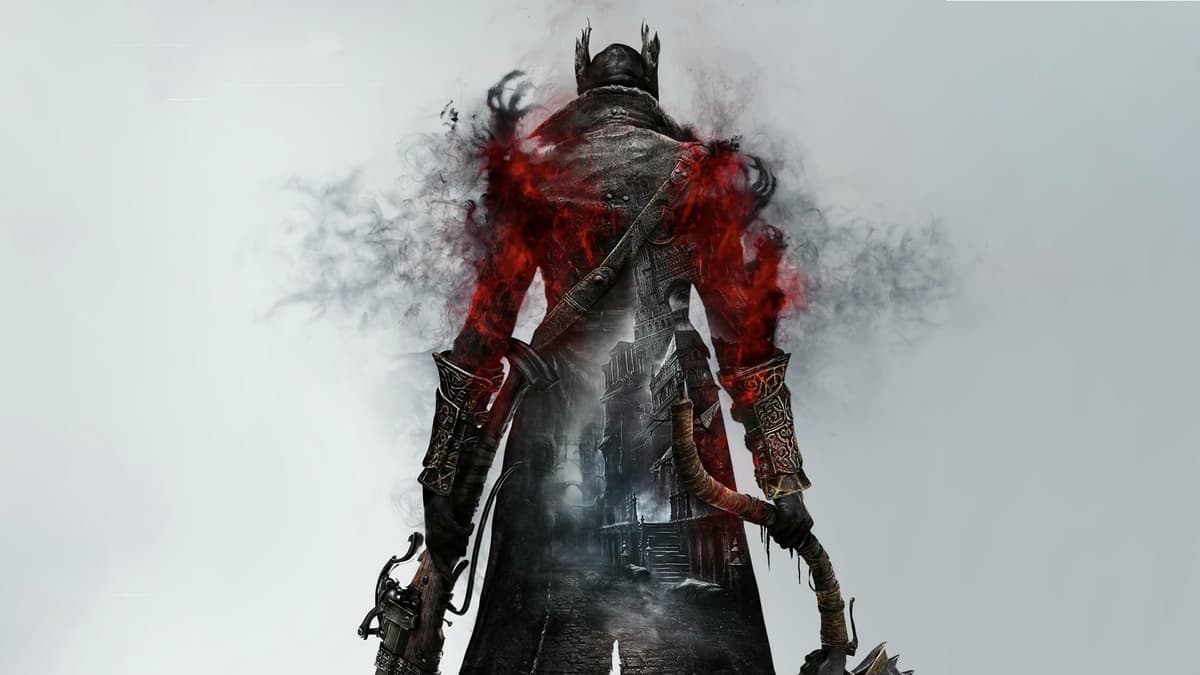
Bloodborne is the game I always hesitate to call “horror” out loud, because then someone shows up to say “it’s an action RPG actually.” But when I think about the most unsettled I’ve ever felt in a game while still being mechanically powerful, it’s wandering Old Yharnam with a torch, hearing beasts howl in the distance.
FromSoftware took the deliberate combat of Dark Souls and injected it with blood, speed, and cosmic dread. The early game sells you on Victorian monster hunting – werewolves, plague carts, angry mobs with pitchforks – and then slowly tilts the camera upward toward the sky, where the real horror lives. By the time you hit the later areas and realize you’ve been walking under the gaze of invisible Great Ones the whole time, the game has quietly changed genres from gothic horror to full-blown cosmic nightmare.
Design-wise, it’s a fascinating inversion of classic survival horror. There’s no ammo scarcity in the traditional sense; instead, the resource you’re managing is nerve. Aggressive combat rewards you with health via the regain system, forcing you to push into danger instead of turtling up. The horror comes not from being underpowered, but from knowing that playing well means constantly diving face-first into things your instincts tell you to run from.
IGN’s anniversary video nods at modern “power fantasy” horror, and Bloodborne is that idea perfected. It’s proof that horror doesn’t die when you hand the player a giant saw cleaver. It just mutates, hides in the lore, crawls into the art direction, and waits for you to realize that being the hunter in this world might be the worst fate of all.
Closing the book (for now) on 30 years of fear
IGN’s 30th anniversary list is a reminder that horror isn’t a straight line from text parser to ultra-HD remake. It’s a messy web of experiments: text adventures that killed you for mistyping a command, PS1 weirdness like Clock Tower, sanity systems in Eternal Darkness, hallway loops in P.T., and big-budget mash-ups like Dead Space and modern Resident Evil.
These 13 are the ones that rewired my own sense of what survival horror can be, and you can see their fingerprints all over today’s releases and upcoming projects. With every new remake, reboot, and fog-drenched “spiritual successor,” we’re not just revisiting old scares – we’re renegotiating what the genre even means.
FinalBoss // Gear
Level up your setup
01Top-rated gaming headsetson Amazon→02High-refresh gaming monitorson Amazon→03Gaming chairson Amazon→04Discounted game keyson Kinguin→Affiliate links · As an Amazon Associate, FinalBoss earns from qualifying purchases.
Want to Level Up Your Gaming?
Get access to exclusive strategies, hidden tips, and pro-level insights that we don't share publicly.
Ultimate Top Strategy Guide + Weekly Pro Tips