
Table of Contents (4)
Why this matters: hit indies that look unprofitable but keep winning
When industry analyst Joost van Dreunen suggested games like Balatro and Hollow Knight: Silksong “don’t make sense” from a traditional financial viewpoint, he wasn’t being cute-he was naming a pattern. These are games built on small budgets or long development timelines that turn into cultural phenomena anyway. For players, that means more surprising, cheaper hits built around tight systems and personality instead of fatter teams and marketing blitzes.
This caught my attention because we’ve been told for years that only massive budgets and massive ad spends can move units. Balatro-created by a solo dev and later published by Playstack-made hundreds of thousands within hours. Team Cherry’s Silksong sits in a slightly different bucket: big fandom, long delay, and now a free expansion (Sea of Sorrow) that keeps community love alive even before a full sales reveal. Those two examples crystallize why smaller-scale projects still matter.
- Key takeaway 1: Viral appeal, streamability and tight loops can outweigh production costs.
- Key takeaway 2: Lower-priced or mobile-first monetization lets tiny teams scale fast.
- Key takeaway 3: Passion projects with fierce communities (cosplay, mods, wishlists) sustain long tails.
- Key takeaway 4: This model raises a question: sustainable industry shift, or a collection of outliers?
Breaking down the economics — how “not making sense” actually works
The obvious expectation is: more money in = more sales out. These games invert that. Balatro’s poker-as-roguelike loop is compact, addictive and perfect for streamers; it turned a tiny development footprint into millions of players across PC, consoles and mobile, with mobile IAPs alone adding millions in revenue. Slay the Spire, Vampire Survivors, Stardew Valley and Celeste follow the same recipe: tight mechanics, replayability and word-of-mouth carry the title far beyond what the budget would predict.
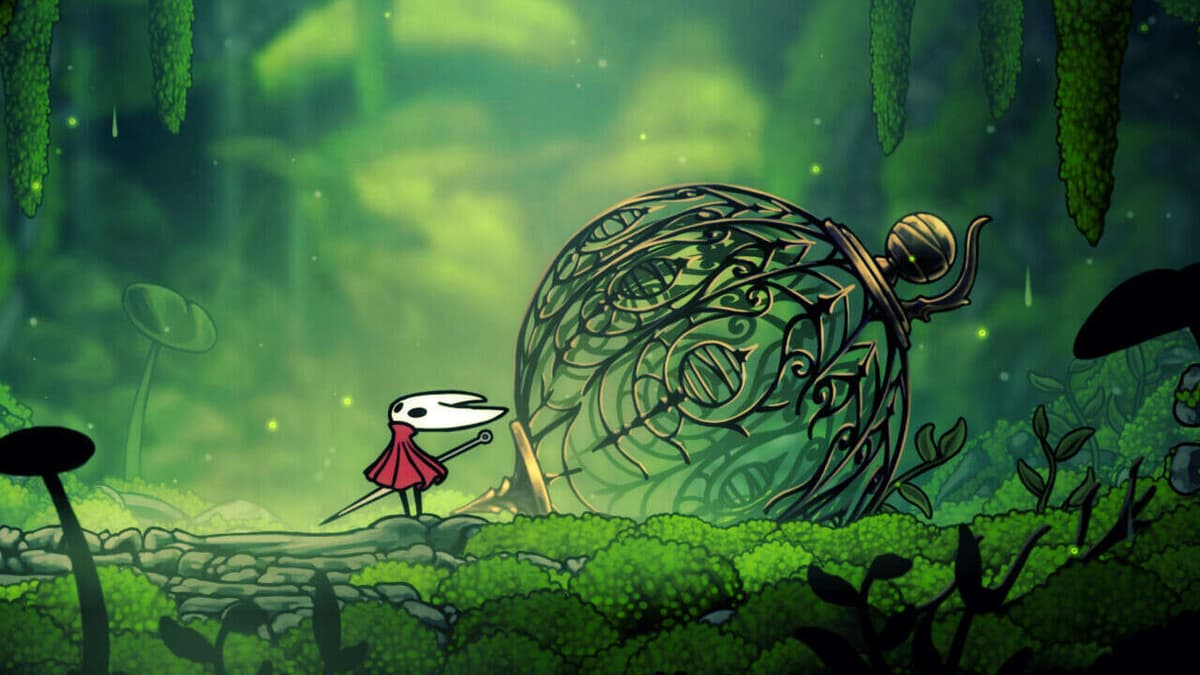
Silksong is the emotional case study. Team Cherry’s sequel lives off the goodwill of Hollow Knight’s community—over a million Steam wishlists, active subreddits, and cosplay at events—and the developer’s decision to ship a free Sea of Sorrow expansion demonstrates a community-first approach that keeps hype hot without necessarily conforming to predictable ROI models. For gamers, that’s a win: free content and more reasons to jump back in.
Twelve examples that prove the point (quick hits)
- Balatro — Solo dev deckbuilder/poker roguelike; exploded to millions of installs and strong mobile revenue thanks to streamer-friendly runs and short-session design.
- Hollow Knight: Silksong — Long-awaited Metroidvania with demo traction and a free Sea of Sorrow expansion that sustains community engagement pre-release.
- Slay the Spire — Small team, massive revenue via early access and a card loop that spawned an entire genre of deck-rogue hybrids.
- Vampire Survivors — Minimal controls, maximum jam; microprice plus DLCs turned a one-mechanic idea into a huge player base.
- Hades — Narrative-forward roguelike that proved a 20-person team can make AAA emotional impact.
- Celeste — Precision platformer with no marketing budget that became a design standard and a teaching tool for accessibility features.
- Among Us — Social surprise hit; tiny studio, enormous player spikes driven by streamers and word-of-mouth.
- Stardew Valley — Solo dev endurance story: 30M+ units over years, proving longevity trumps launch spectacle.
- Undertale — Single creator, obsessive fandom and merch that keeps revenue trickling in for years.
- Dead Cells — Small studio, big procedural scope; steady DLC and updates kept it in players’ rotations.
- Enter the Gungeon — Shooter-roguelike of weird weapons and joyful chaos that built a cult following.
- Spelunky 2 — Sequel to a freeware darling; procedural depth and community challenges extended its shelf life.
Across these examples you see recurring patterns: low-to-mid price points ($5-$25), perfect-fit mechanics for streaming and short sessions, and developers that keep adding free or inexpensive content. That combination reduces the need for massive upfront marketing and lets community momentum do the heavy lifting.
The gamer’s takeaway — why you should care
For players, the takeaway is simple: the next big thing might come from a bedroom dev, not a billion-dollar publisher. That’s good for variety and for pockets. But be realistic—these are partly outliers. Not every solo project will hit streamer gold. Still, Balatro and the ongoing Silksong story show what matters: a crisp core loop, platform fit (mobile + PC + Switch), and an engaged community can turn improbable projects into staples on your backlog.
TL;DR — The “don’t make sense” games expose an industry truth: audiences reward craftsmanship and replayability more reliably than production budgets. Expect more of these wins, but don’t mistake luck for a guaranteed business model.
FinalBoss // Gear
Level up your setup
01Top-rated gaming headsetson Amazon→02High-refresh gaming monitorson Amazon→03Gaming chairson Amazon→04Discounted game keyson Kinguin→Affiliate links · As an Amazon Associate, FinalBoss earns from qualifying purchases.
Want to Level Up Your Gaming?
Get access to exclusive strategies, hidden tips, and pro-level insights that we don't share publicly.
Ultimate Gaming Strategy Guide + Weekly Pro Tips