
Table of Contents (7)
First Glance: Buzzword Overload or Brilliant Idea?
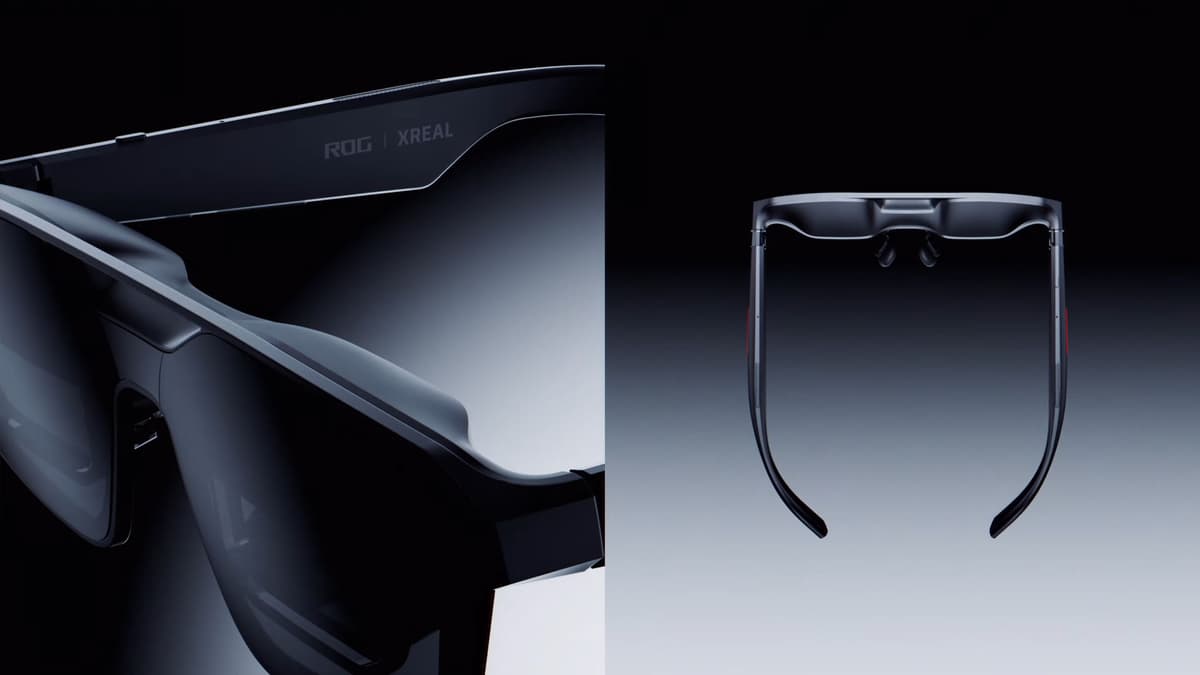
The first time I saw this leak, I thought someone had glued every hot term onto a mockup: 240Hz, micro-LED, Bose audio, AR, ROG styling. It felt like Asus was flexing its buzzword muscles. But after picturing my own setup—a 34-inch OLED at my desk, a Steam Deck OLED in my bag, and a pair of AR glasses I slap on planes—something clicked. If accurate, these ROG Xreal R1 AR glasses might be the first AR hardware built unapologetically for gaming performance instead of “look, floating windows!”
Spotted by Wccftech, a briefly live Asus product page claims this is the “world’s first 240Hz gaming glasses.” They’d pack micro-LED engines, project a 171-inch equivalent screen at 4 m, and hand-off video through a fancy ROG Control Dock with HDMI, DisplayPort and USB-C. There’s even integrated Bose directional speakers and electrochromic lenses for adjustable tinting.
Sure, resolution peaks at 1080p per eye—underwhelming when 1440p monitors are cheap. But if your priority is frame rate and portability, the story gets way more interesting.
Unconfirmed / Leaked Details:
• Specs sourced from a removed Asus page spotted by Wccftech.
• Rumored hardware builds on Xreal’s existing micro-OLED lineup.
• Release and pricing not officially announced; subject to change.
Specs (Rumored)
- Display: Dual micro-LED or Micro-OLED optical engines (Sony 0.55″), 1920×1080 per eye
- Refresh Rate: 240Hz, ~2–3 ms motion-to-photon latency
- Field of View: 57° diagonal (virtual 171″ screen at 4 m)
- Brightness & Color: ~700 nits peak, 107% sRGB coverage
- Audio: Bose directional speakers, low leakage
- Electrochromic Lenses: Manual and auto tinting to block ambient light
- Connectivity Dock: Dual HDMI 2.0, DisplayPort 1.4, USB-C to glasses
- Use Case: Tethered display for PC, consoles, handhelds via DisplayPort over USB-C
Why 240Hz and Micro-LED Matter
The headline feature is 240Hz—something most gamers won’t tolerate less than 144Hz on their monitors. At 1080p, pushing 240 fps on mid-to-high-end GPUs in CS2, Valorant or Apex Legends is totally doable. If the optics and latency hold up, this could be the easiest way to carry a tournament-grade “monitor” in your pocket.

Most AR glasses use micro-OLED: great contrast and low power draw, but brightness tops out around 200–300 nits. Micro-LED is emissive too, but can hit 700 nits or more, which is critical when you’re fighting daylight or cabin lighting. In theory, this means you get a bright, legible image that feels more like a floating TV than a dim ghost overlay.
Positioning: Tethered AR vs. Full-Fat VR
Xreal’s Air series nailed casual streaming, movies and light gaming. Proper VR headsets like Quest 3 or PSVR 2 bring standalone compute, tracking and app ecosystems—but they’re bulky and draw stares on a train. ROG Xreal R1 AR sits dead center:
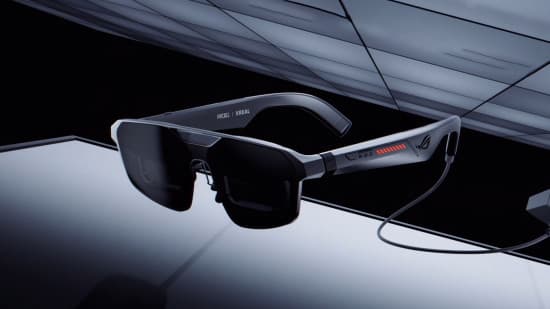
- Pros: Zero video compression, direct wired connection, full-power PC/console GPU, sleek and lightweight (~91 g).
- Cons: No hand tracking, no native apps, limited AR overlays beyond your game window.
If you want a massive, high-frame-rate screen everywhere you go—and you can live without positional tracking or in-app AR—this pitch makes sense.
FOV & Screen Size: What 171 Inches Feels Like
Marketing likes to drop “200-inch cinema in your pocket,” but the crucial stat is FOV. At 57°, the virtual display spans a wide chunk of your vision:
- 27″ monitor at 60 cm = ~45–50°
- VR headsets = ~95–110° (full immersion)
- Earlier AR glasses = ~40–46° (TV across the room feel)
At 57°, you get more than a big TV but less than full VR. It’s wide enough to fill your focus area without veering into disorientation—perfect for twitch shooters and fast camera pans.
Conclusion
The ROG Xreal R1 AR leak is half buzzword salad and half genuinely clever hardware positioning. By choosing 1080p micro-LED at 240Hz, Asus is betting that speed, brightness and portability trump resolution for serious gamers on the move. The Bose audio, electrochromic dimming and multi-port dock show they’re thinking end-to-end about a daily-use setup.
We won’t know how well this works until Asus confirms specs, pricing and release timing—but if they pull it off, these glasses could be the first real “portable gaming monitor” you actually want to wear. Stay tuned for official details.
FinalBoss // Gear
Level up your setup
01Top-rated gaming headsetson Amazon→02High-refresh gaming monitorson Amazon→03Gaming chairson Amazon→04Discounted game keyson Kinguin→Affiliate links · As an Amazon Associate, FinalBoss earns from qualifying purchases.
Want to Level Up Your Gaming?
Get access to exclusive strategies, hidden tips, and pro-level insights that we don't share publicly.
Ultimate Tech Strategy Guide + Weekly Pro Tips