
Table of Contents (7)
Thirty years ago a pair of Game Boy cartridges turned hardware limits into a global social machine
On February 27, 1996, Pokémon Red and Green shipped in Japan. They were small, memory‑tight RPGs with 150 monsters and a design decision that mattered more than any monster roster: the Game Boy link cable. Trading wasn’t an optional extra – it was the social engine that turned a modest Nintendo handheld title into a phenomenon traded, swapped and whispered about across playgrounds worldwide.
- Pokémon’s original hook was social, not solo: trading via the link cable forced players to cooperate and compete in real life, creating a cultural momentum you can’t reproduce with single‑player campaigns alone.
- The myth machine – glitches, hidden monsters like the Mew stories – amplified scarcity into folklore that sold cards, toys and TV deals.
- Today’s anniversary merch (a Game Boy‑styled jukebox, not a playable handheld) highlights how nostalgia is being packaged — faithful audio, not gameplay — and that matters for how the brand remembers its roots.
Trading wasn’t a feature — it was the point
Game Freak spent years squeezing an RPG into the Game Boy’s tiny memory (GamesRadar+). The studio’s solution was clever and social: split the creature set across cartridges and make completing the Pokédex depend on meeting another human with the other version. That decision created scarcity, conversation and a reason to leave the house with two Game Boys and a link cable. It also forced players into a new kind of multiplayer — not co‑op sessions, but real‑world exchange.
Sales back then were slow to start, but once word spread the games took off: combined Red/Green/Blue racked up more than a million sales in 1996 and exploded into the top seller in 1997 (official records). The trading loop — plus the trading card game and the anime — turned a sleeper into a global franchise.
Glitches, myths and the playground economy
Game glitches and half‑true stories became marketing without a budget. Eurogamer’s deep dive into the Mew myth shows how a likely accidental extra Pokémon and a handful of reachable glitches created one of gaming’s most durable urban legends. The “Mew under a truck” tale didn’t need to be true; it simply seeded wonder and made trading and exploration culturally contagious.
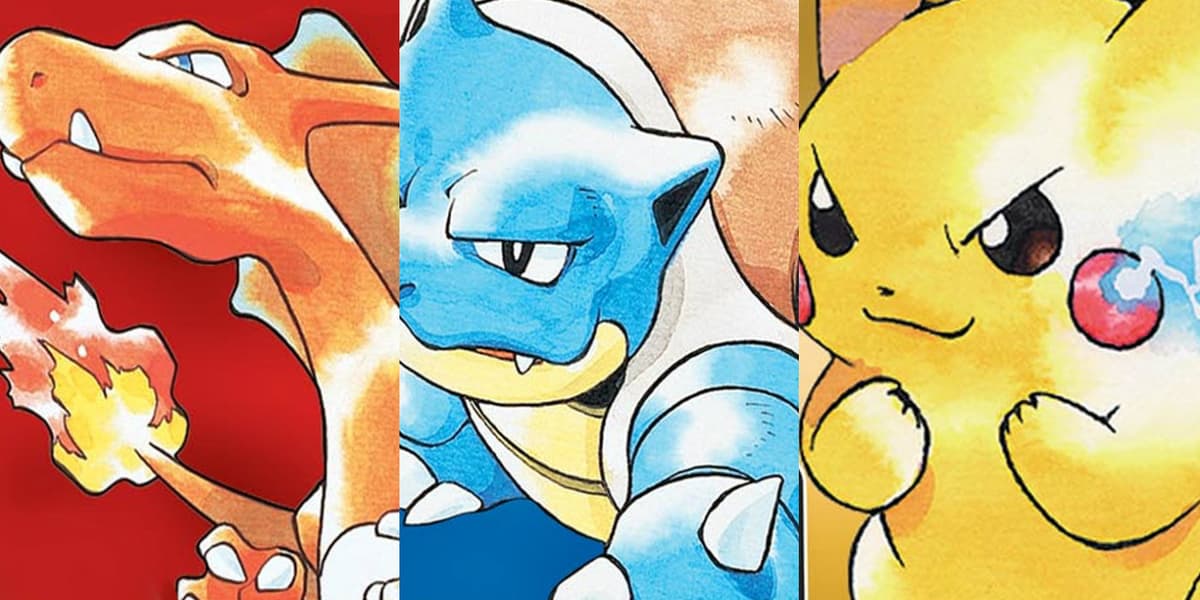
That folklore was as important as design. It created social rituals — swapping tips, swapping cartridges, trading Pokémon — that amplified engagement far beyond the console’s install base. Today’s digital multiplayer models try to replicate that urgency with algorithms and live services; Red and Green did it with physical cables and a shortage of Pikachu shirts.
Nostalgia is being sold back to us — carefully curated, not playable
This anniversary’s biggest hardware nod is telling: the Pokémon Company’s Game Boy Jukebox (Nintendo Life, Numerama) reproduces original audio and comes with collectible mini‑cartridges. It’s an elegant nostalgia product that reproduces sound, not the social mechanics that actually made the game. Junichi Masuda’s insistence on authentic 8‑bit audio is sincere, but the product underlines a larger point — anniversaries now package sentiment into objects, often bypassing the messy, social systems that made the original valuable.
The uncomfortable observation
PR wants you to feel warm about 30 years of Pikachu. The uncomfortable truth is that Pokémon’s original magic was partly accidental and partly social engineering: limited hardware, split rosters and even glitches combined to create scarcity and stories. That accidental chemistry is harder to monetise than a soundtrack or a plush, so modern anniversaries often sell curated nostalgia instead of the social friction that birthed the phenomenon.
The question I’d ask PR — and what to watch next
If I were in the room with a Pokémon PR rep I’d ask this plainly: why make a non‑playable Game Boy jukebox instead of a limited run of hardware that encourages the exact social behaviors that made the series a cultural force? The answer will say a lot about how the brand values gameplay history versus collectible nostalgia.
- Watch: next-generation reveals and how Nintendo/The Pokémon Company preserve or replace trading mechanics in modern titles (especially Switch 2 releases).
- Watch: anniversary TCG drops and merch sellouts — a clearer signal of how nostalgia is being monetized than any retrospective documentary.
- Watch: community‑led retrospectives and datamines (like the Mew investigations) that keep the social mythos alive — those stories still drive interest more than corporate timelines.
Thirty years on, Pokémon’s origin story is less about perfect design than about designing for each other — and letting a few bugs and rumors do the rest. The anniversary celebrations are a reminder that the series’ real secret was social mechanics you can’t easily bottle as merchandise.
TL;DR
Pokémon Red and Green’s 30th is a good moment to remember that trading via the Game Boy link cable — and the myths that sprang from glitches — powered the franchise’s early rise. Anniversary merch like a Game Boy jukebox honors the feel of the era but sidesteps the social mechanics that actually made the games contagious. Watch upcoming game reveals and community investigations to see whether Nintendo treats those social roots as history or as a playbook to be reused.
FinalBoss // Gear
Level up your setup
01Top-rated gaming headsetson Amazon→02High-refresh gaming monitorson Amazon→03Gaming chairson Amazon→04Discounted game keyson Kinguin→Affiliate links · As an Amazon Associate, FinalBoss earns from qualifying purchases.
Want to Level Up Your Gaming?
Get access to exclusive strategies, hidden tips, and pro-level insights that we don't share publicly.
Ultimate Gaming Strategy Guide + Weekly Pro Tips