
Table of Contents (8)
The moment I realised The Hundred Line shouldn’t exist… and why that gives me hope
The Hundred Line: Last Defense Academy is a hybrid visual novel and tactical wave-defense RPG that traps you in 100-day time loops, demanding strategic battles, emotional bonds, and dozens of branching endings. About 60 hours in, I hit one of those rare, quiet scenes that only work because of everything you’ve been through with these characters. Two students, exhausted and shell-shocked after another string of revelations and losses, sneak off to watch the sunrise together. No battle, no twist—just a moment of fragile beauty in a world gone mad.
I set my controller down and thought: “This game should not exist.” Not because it’s bad—by any sane business metric, it’s suicidal. A million-word script, a 100-day loop, roughly 100 endings, hybrid story battles, zero DLC, zero gacha. Five years of development that almost bankrupted Too Kyo Games. In 2025, this isn’t just a pitch—it’s a threat to the “single-player is dead” narrative.
Key Takeaways
- The Hundred Line merges novel-style storytelling with wave-defense tactics across 100 days and 21 major routes.
- All 100 endings aren’t equal but each reveals new character depth and system mechanics.
- Post-launch patches added quality-of-life fixes—fast text, auto-battle, Quick Bond—to make replaying a joy, not a chore.
- Despite its risk, the game sold half a million copies in 2025, proving audiences still crave bold single-player experiences.
Scale as a weapon, not a gimmick
I’ve lost count of times “multiple endings” is just marketing fluff—four finales dressed up as a dozen. When The Hundred Line promised 100 endings, I braced for padding. Instead, those endings are real routes: 21 core branches through the 100-day campaign, each toggling tactical wave-defense missions with board-game campus exploration, bonding events, and hemoanima loadouts.
Rather than filler, scale becomes a microscope. What if you zero in on a background character and they become the war’s keystone? What if you intentionally fail a mission just to watch the aftermath? Different secrets surface, alliances shift, and the world reacts to your choices. Depth isn’t a buzzword here—it’s your daily grind.
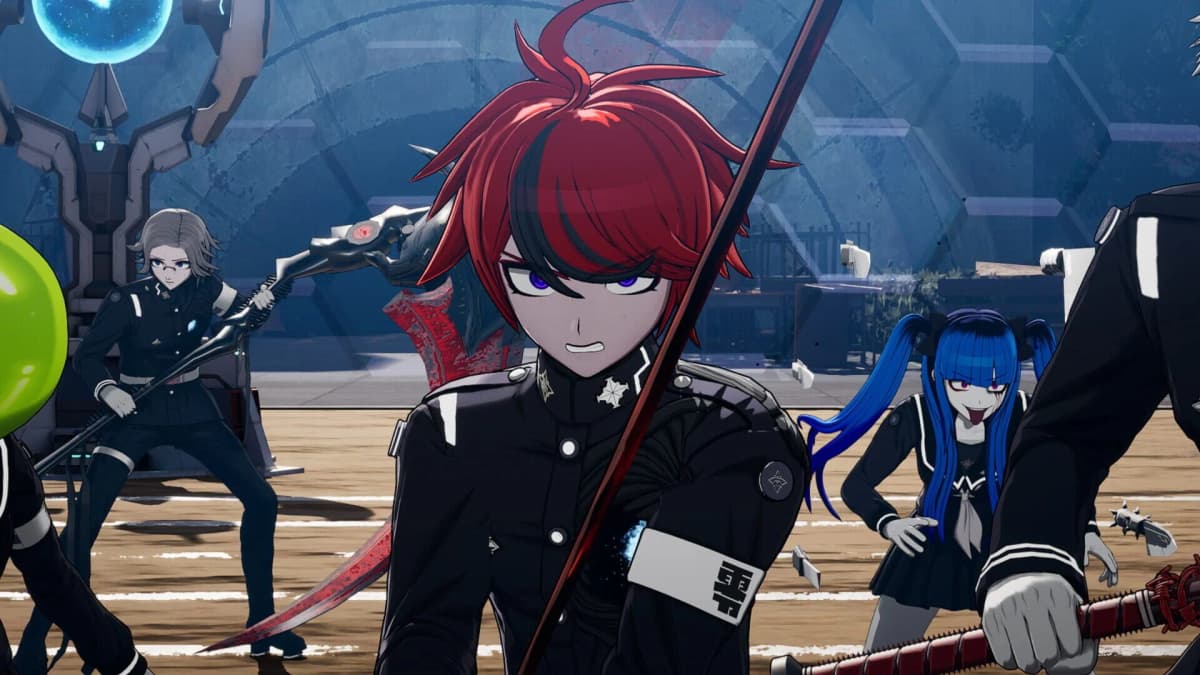
Your choices don’t “matter” — and that’s the genius of it
The wildest trick? Choices don’t lock you out; they invite you in. Most branching games punish missteps: pick the wrong option and you’re stuck on a subpar path. The Hundred Line hands you a timeline flowchart instead of a single save slot. Jump to day 23, swap your ally, and watch the rest reconfigure. No shame in “bad” routes—every dead end teaches you something fresh.
This design transforms choice from stress to empowerment. Instead of curating one story, you explore a narrative labyrinth. The real reward lives across collided endings in your head, not in a singular “true” finale. It’s an invitation to break the game, learn its secrets, and revel in the chaos.
Yeah, it’s huge and grindy — but the grind actually goes somewhere
Let’s be honest: a full 21-route run can hit 90–120+ hours. Early loops feel repetitive—board-game exploration, wave-defense brawl, social link, stat juggling. Late-game missions can punish sloppy builds. Many titles drop the ball here, but Too Kyo didn’t.
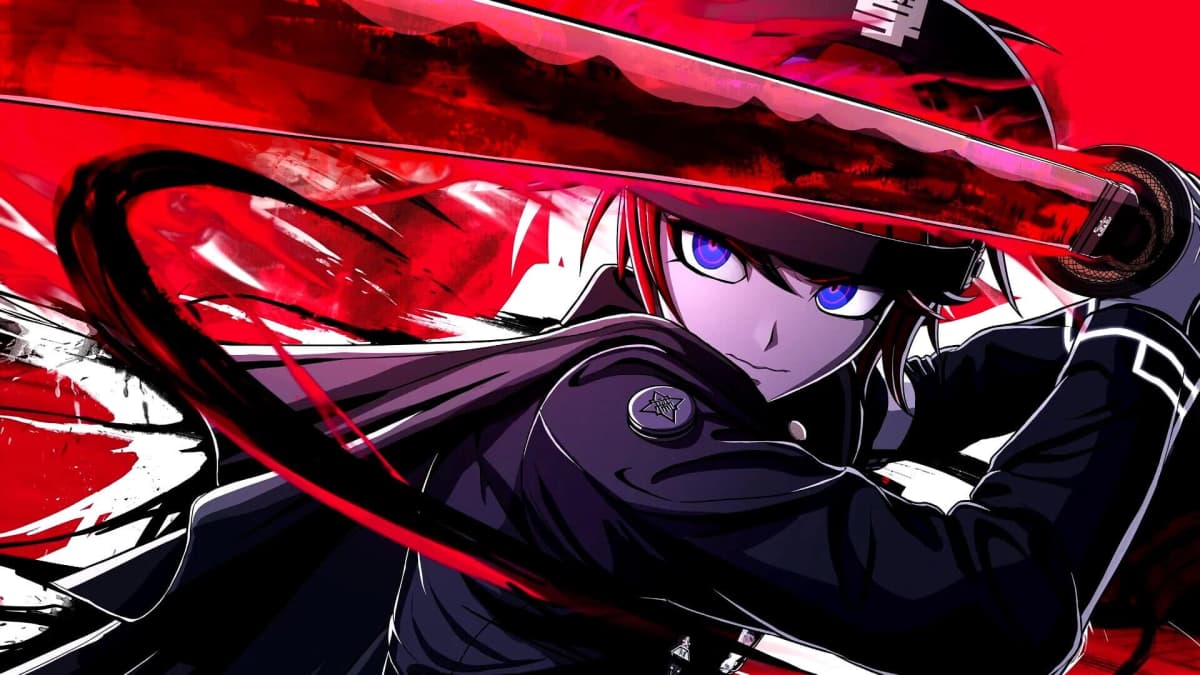
Fast-forward to post-launch: auto-battle for trivial waves, speedy text and skip-read dialogue, One-Tap Bond events, New Game+ optimizations. These patches let the systems shine without slog. Suddenly, tweaking hemoanima loadouts—your blood-infused skills—feels thrilling, not tedious. The grind serves curiosity, not retention metrics.
This game should have been a disaster in 2025’s industry climate
On paper, it’s a nightmare: five years of dev, a million-word script, full VA, 3D battle maps, no microtransactions, $60 full price. Co-directed by Kodaka (Danganronpa) and Uchikoshi (Zero Escape), it leaned into despair. Kodaka admits Too Kyo nearly folded if it flopped.
Meanwhile, 2025’s landscape is live services and battle passes. Single-player story games are labeled “high risk” while sequels churn out safe cash grabs. Yet The Hundred Line sold half a million copies by year’s end, with steady Steam concurrency. Kodaka could finally breathe—and plot the studio’s future.
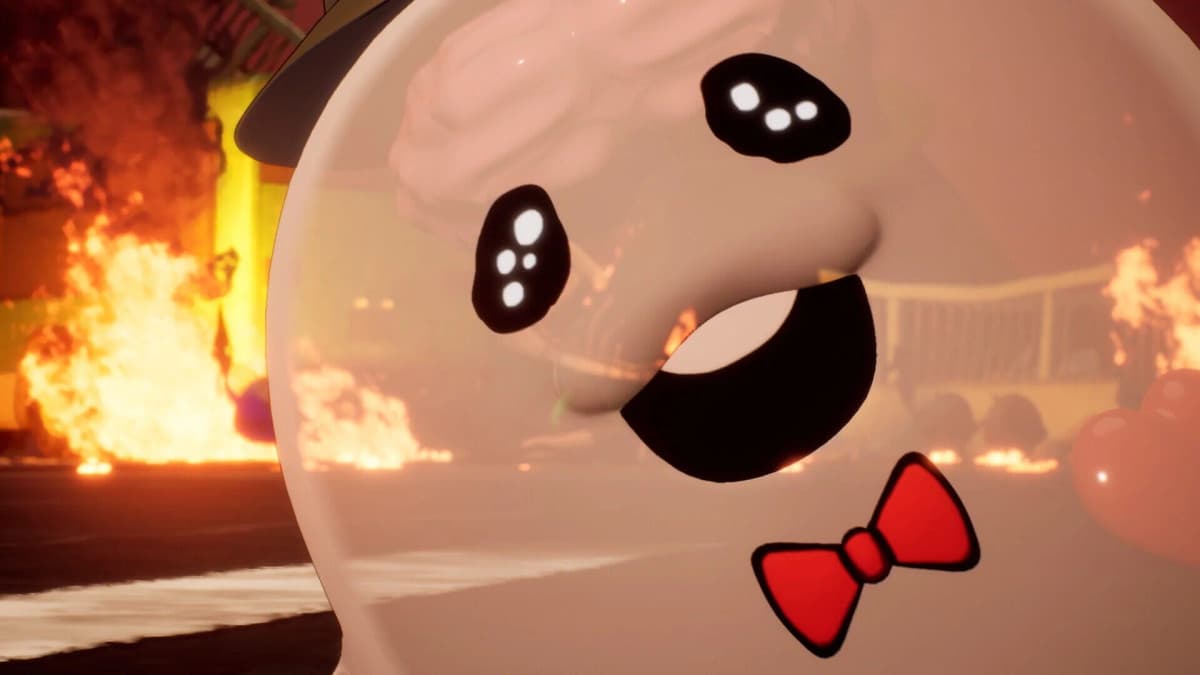
Why this changes how I spend my money on games
After investing triple-digit hours here, I’ve reevaluated my patience. I’m done with half-baked quests disguised as “open worlds” and padded maps filled with meaningless chores. Now I seek out developers bold enough to demand my time and attention, rather than trick it out of me.
If a niche studio can bet the farm on a text-heavy, tactical time-loop epic and win, I’m ready to follow. I’ll back the games that challenge me, surprise me, and refuse to compromise. Because if The Hundred Line has proven anything, it’s that risk—done with respect for players—still pays off.
Conclusion
The Hundred Line: Last Defense Academy shattered the “single-player is dead” myth by delivering ruthless scale, genuine choices, and smart post-launch support. It’s proof that ambitious, dense narratives can thrive alongside live services. Here’s hoping more studios take that gamble—because gaming’s next big surprise might just be a runaway risk worth embracing.
FinalBoss // Gear
Level up your setup
01Top-rated gaming headsetson Amazon→02High-refresh gaming monitorson Amazon→03Gaming chairson Amazon→04Discounted game keyson Kinguin→Affiliate links · As an Amazon Associate, FinalBoss earns from qualifying purchases.
Want to Level Up Your Gaming?
Get access to exclusive strategies, hidden tips, and pro-level insights that we don't share publicly.
Ultimate Gaming Strategy Guide + Weekly Pro Tips