
The speed of The Cube, Save Us going from “new extraction shooter to watch” to “servers closing and full refunds” is not just another live-service flop. It is a compressed case study of what happens when you mix early access, aggressive monetization, and a brutally competitive genre with almost no margin for error.
Table of Contents (8)
Key takeaways
- Lifecycle: ~51 days. The Cube, Save Us launched in mid‑March 2026 and will shut its servers on May 8, making it one of the shortest‑lived online shooters to actually release.
- Full refunds on Steam. XLGAMES is issuing automatic full refunds for all legitimate in‑game purchases made via Steam starting April 9, without players needing to file claims.
- Player verdict was swift and brutal. Concurrency fell from a launch peak of around 5,000 to a few hundred, and Steam reviews hovered near one‑third positive, flagging technical issues, clumsy combat, and perceived pay‑to‑win monetization.
- Early access is not a shield anymore. Labeling a game “early access” while shipping a full free‑to‑play economy and cosmetics shop did nothing to buy goodwill once the core experience failed to land.
51 days from launch to shutdown
XLGAMES announced on April 8, 2026 that its sci‑fi PvPvE extraction shooter THE CUBE, SAVE US will cease service on May 8, 2026 at 10:00 JST (May 7, 18:00 PST). That puts the game’s total lifetime at roughly 51-52 days after its mid‑March Steam early access launch.
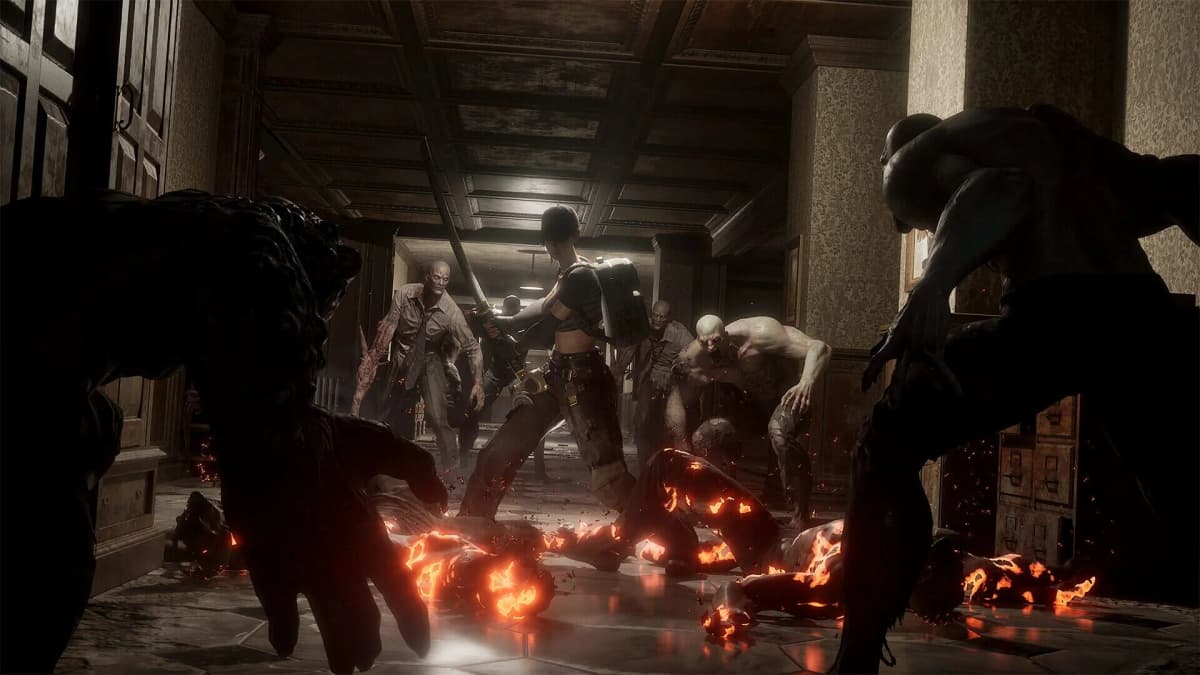
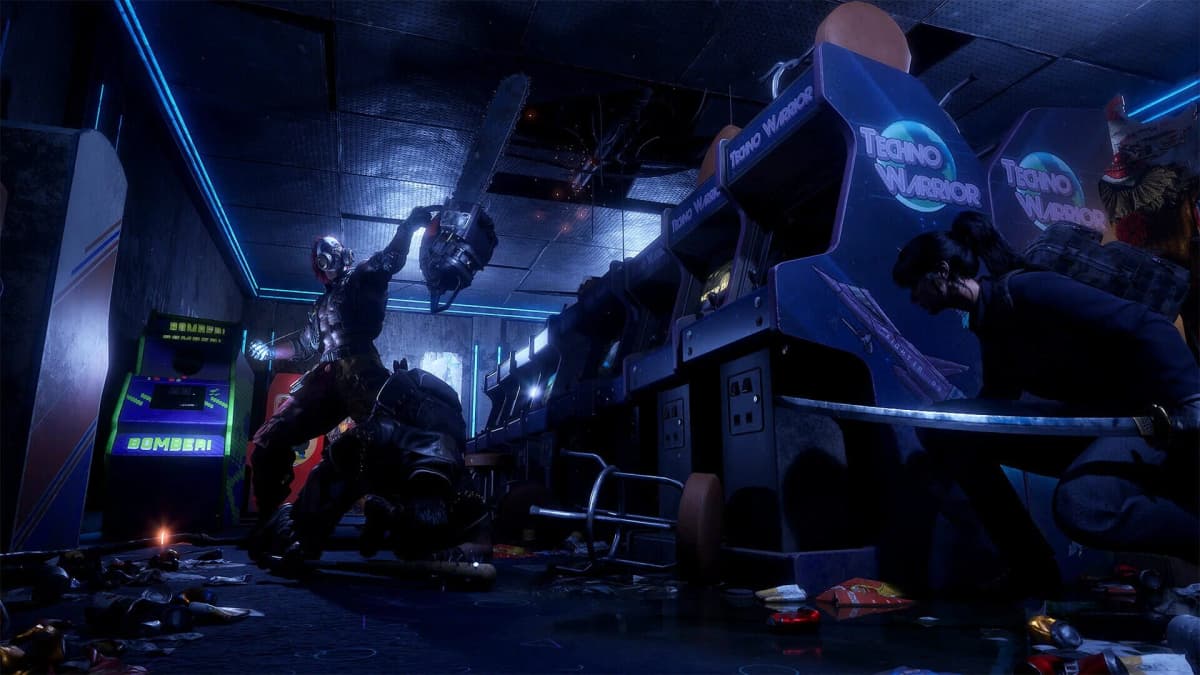
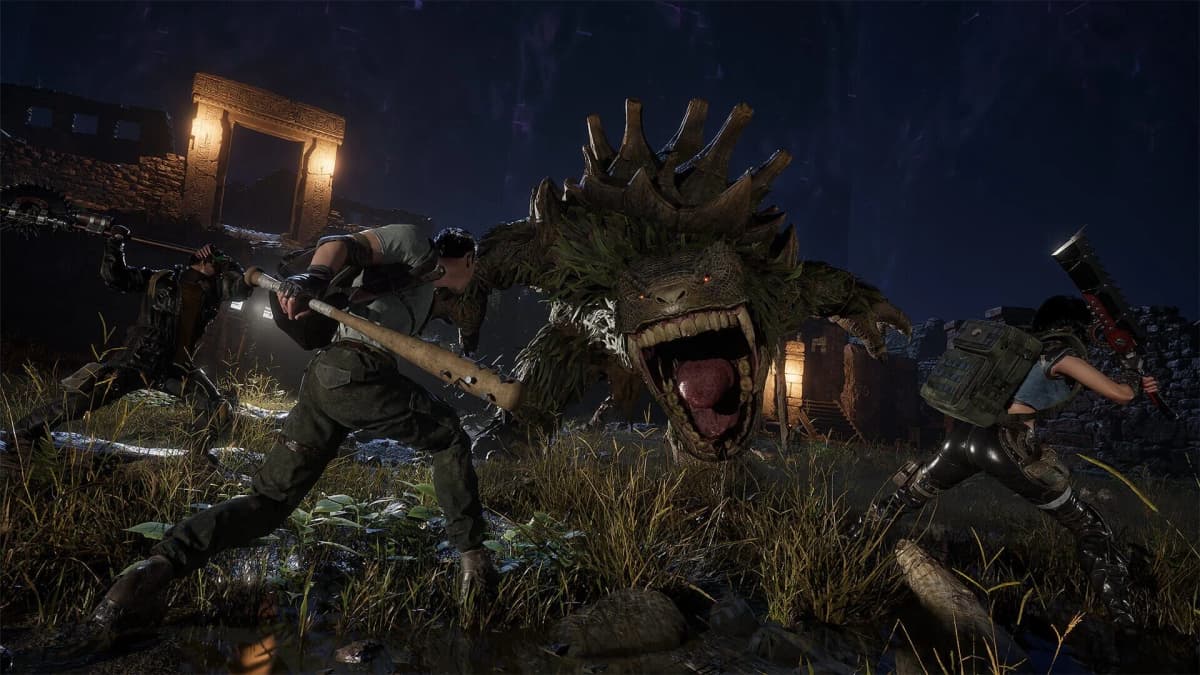
The premise on paper was straightforward: a post‑apocalyptic “escape‑action” MMO where players enter a giant Cube made up of 27 shifting fragments – urban districts, pyramids, amusement parks – to fight mutants, scavenge loot, and extract before the environment kills them. Think Escape from Tarkov by way of a rotating sci‑fi diorama.
The business model followed the current extraction fashion: free‑to‑play, persistent progression, microtransactions layered on top. Cosmetics and other paid items were available through Steam from day one of early access.
Player interest at launch was not the problem. Steam data and regional reporting point to a peak just over 5,000 concurrent players around launch, after the game had enjoyed visibility during Steam Next Fest. For a niche extraction MMO, those are workable numbers – if you can retain them.
The retention never materialized. Within weeks, The Cube, Save Us was down to a few hundred daily players. Steam user reviews settled into the “mostly negative” zone, with roughly a third of reviews positive depending on the snapshot you look at. Technical complaints (server issues, lag, crashes), control problems, weak melee combat, and monetization concerns dominated feedback.
The studio’s shutdown notice called the decision “heartbreaking,” thanked players, and confirmed that both the game servers and the official Discord will be taken offline. What it did not provide was a detailed post‑mortem. The real explanation is written in the metrics: poor reviews, low engagement, and an expensive infrastructure to run for a game that clearly was not finding its audience.
“Full refunds” are generous – and also very cheap
The one consumer‑friendly part of this story is XLGAMES’ refund policy. Starting April 9, the studio is processing automatic, full refunds for all legitimate microtransaction purchases made through Steam. Players do not need to open tickets or argue with support; the plan is to simply unwind the game’s economy for anyone who spent money.
That is more than many failed live‑service titles have offered. Plenty of games have sunsetted after a year or two and left their remaining players with dead premium currencies and unusable cosmetics. In Spain, coverage of the news boiled it down to a blunt summary: “The Cube, Save Us closes on May 8 and offers full refunds.” That is the headline version here as well.
But the logic behind this kind of generosity is worth spelling out. If a free‑to‑play extraction shooter launches, fails to keep more than a few hundred players, and lives for less than two months, the total net revenue from microtransactions is almost certainly modest compared to the sunk development cost. Refunding that revenue costs relatively little and buys two things:
- Damage control for the studio’s reputation, especially important for a company like XLGAMES that already has a global MMORPG brand to protect.
- Regulatory and platform goodwill, by showing Steam and regional consumer bodies that players are not being left holding the bag for a product that barely existed.
In other words, the refund is absolutely the right thing to do for players, but it is also a relatively low‑cost PR move for a project that clearly never reached meaningful commercial scale.
A checklist of live‑service mistakes
Strip away the sci‑fi dressing and The Cube, Save Us failed in the same places many live‑service hopefuls fail — just faster.
- Core feel was not there. Early user reviews repeatedly flagged clunky controls and unresponsive or unsatisfying combat, particularly melee. In an extraction shooter, where every encounter is high stakes, bad feel is non‑negotiable.
- Technical foundation wobbled. Reports of server problems, lag, disconnects, and general instability were common. When progress and loot persistence are the entire point of the loop, losing runs to technical issues is one of the fastest ways to drive players away.
- Monetization pushed too hard, too soon. Cosmetic saturation, a busy in‑game shop, and perceptions of pay‑to‑win advantages showed up early in reviews. Whether or not any single item crossed the line, the perception of imbalance in a PvPvE economy is enough to poison trust.
- Weak anti‑cheat and moderation. Community impressions in some regions mentioned cheating and insufficient enforcement. In a PvPvE extraction environment, this is fatal; fair risk is the draw, unfair risk kills retention.
None of these issues are novel. We have seen variations of this story with other failed shooters and live‑service experiments: games that launch with a monetization structure designed for a multi‑year run, but with the technical and mechanical stability of a prototype.
The extraction genre in particular offers almost no safety net. Escape from Tarkov set the bar for tension and systemic depth. The Cycle: Frontier, Marauders, various “DMZ‑like” modes, and other contenders have all learned the same lesson: if your gunplay, netcode, progression, and economy are not airtight, players will not stick around long enough for you to fix them.
Early access plus F2P: a fragile social contract
On paper, The Cube, Save Us launched as an early access title. In practice, it launched as a fully monetized free‑to‑play game that happened to wear an “early access” badge on its Steam page.
Early access is supposed to buy time and patience. Players accept some rough edges in exchange for steady updates, transparent roadmaps, and the sense that their feedback is shaping the game. Traditionally, the most successful early access projects — Hades, Deep Rock Galactic, Valheim, and others — have kept monetization simple, often sticking to the upfront purchase until the core experience is solid.
By contrast, The Cube, Save Us asked players to tolerate the instability and design churn of early access while also locking a full microtransaction economy in place from day one. That is a much harder sell, especially in 2026, after years of bad experiences with “in‑development” live‑service titles that folded or pivoted away.
The result is a social contract that feels lopsided. The studio reserves the right to close the doors after 51 days if key performance indicators miss their targets. Players are asked to invest time — and, via cosmetics and other purchases, money — into a fragile, experimental platform.
Full refunds soften the blow this time. They do not fix the underlying trust problem for the next early access live‑service project that shows up on Steam with a robust in‑game store and a vague roadmap.
What this says about XLGAMES and mid‑tier live services
XLGAMES is not an unknown indie outfit. The Korean studio is best known for ArcheAge, an ambitious sandbox MMO that built a dedicated audience but spent years under fire for aggressive monetization and controversial pay structures. The company also has ArcheAge 2 in development, positioning itself as a long‑term MMO player.
That context matters. When a studio with this history ships a new, heavily monetized live‑service shooter and then pulls the plug in under two months, it reinforces a wider skepticism around mid‑tier companies chasing the live‑service model without the runway of a Riot, Epic, or Bungie.
Running an extraction MMO is not just about shipping 1.0. It is about funding:
- Server and infrastructure costs
- Ongoing balance and content updates
- Anti‑cheat and security work
- Community support and live operations
For a project like The Cube, Save Us, if early metrics show poor retention and low monetization per user, the business decision to cut losses comes quickly. From a spreadsheet perspective, the shutdown is rational. From a player perspective, it reads as another warning label on the “games as a service” experiment.
The uncomfortable question for any PR representative here is simple: if you were not prepared to carry this game for at least a year of iteration, why launch it as a live service with a full cosmetic shop at all? The answer, as usual, lies in the pressure to find the next breakout hit in a genre everyone is chasing at once.
What to watch next
- XLGAMES’ next move. How the studio talks about The Cube, Save Us in future interviews — if at all — will indicate whether this is treated as a learning experience or quietly buried.
- Steam’s stance on monetized early access. If more projects launch with full F2P economies and then vanish quickly, platform‑level guidelines or informal pressure could emerge around refunds and disclosure.
- Player skepticism toward new extraction shooters. With multiple high‑profile failures and pivots in the genre, new titles will increasingly need to demonstrate core quality and stability before pushing monetization.
- Industry norms on shutdown refunds. The “full refunds for everyone” approach here sets a bar. Future early collapses will be judged against it, especially for games that live and die in under a year.
TL;DR
The Cube, Save Us, a free‑to‑play sci‑fi extraction shooter from XLGAMES, is shutting its servers on May 8, roughly 51 days after its early access launch. Player numbers cratered, Steam reviews skewed largely negative, and the game never escaped technical issues, weak combat, and mistrust around its monetization. XLGAMES is issuing automatic full refunds for all Steam purchases — a fair outcome for players, and a stark reminder of how unforgiving the live‑service landscape has become.
FinalBoss // Gear
Level up your setup
01Top-rated gaming headsetson Amazon→02High-refresh gaming monitorson Amazon→03Gaming chairson Amazon→04Discounted game keyson Kinguin→Affiliate links · As an Amazon Associate, FinalBoss earns from qualifying purchases.
Want to Level Up Your Gaming?
Get access to exclusive strategies, hidden tips, and pro-level insights that we don't share publicly.
Ultimate Gaming Strategy Guide + Weekly Pro Tips