
This rogue‑lite made me gamble for my life — and sold a million copies. Now it’s on Game Pass
Game intel
Cloverpit
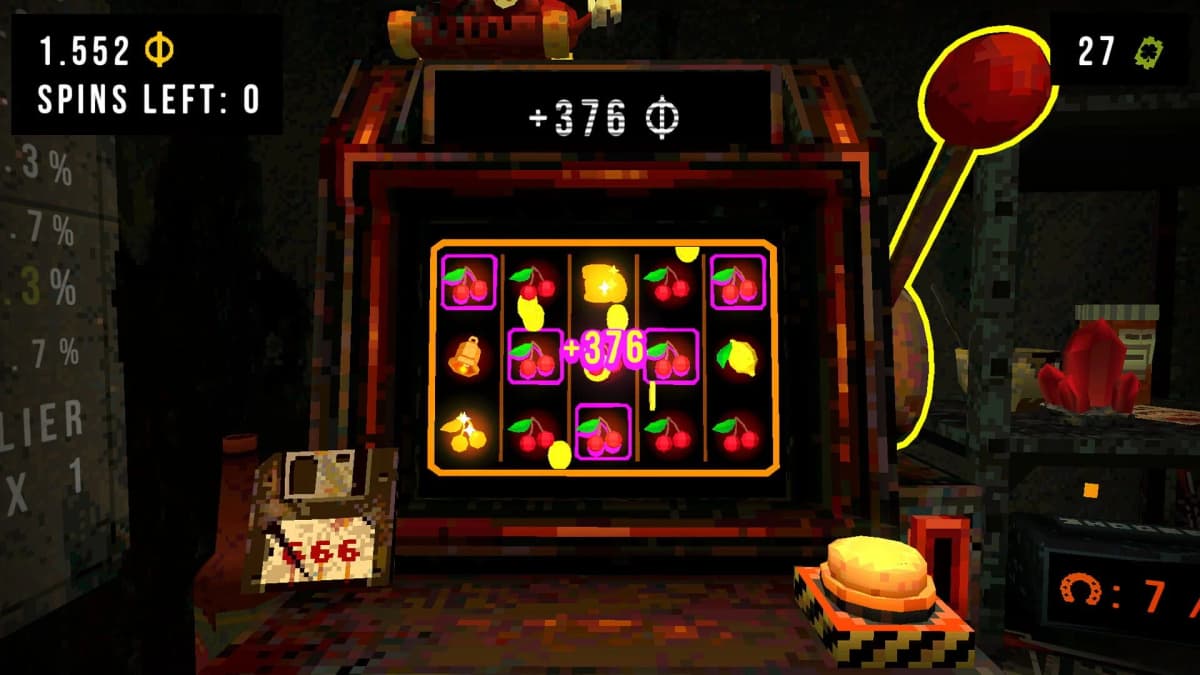
You wake up in a rusty, narrow cell, standing over a dangerously unstable grate. Someone has kidnapped you, demanding payment, and your only way out is to pla…
Why CloverPit landing on Xbox/Game Pass actually matters
This caught my attention because CloverPit doesn’t look like a typical breakout indie: it locks you in a rusting cell with one mechanic – a slot machine – and makes that the whole game. That bite‑sized, high‑risk idea hooked players on Steam and pushed Panik Arcade, a two‑person team, past a million copies sold. Now CloverPit is on Xbox and PC for €9.99 and included in Game Pass, which changes the calculus for both players and the studio.
- Small team, big hit: Panik Arcade sold over a million copies on Steam – yes, from a two‑person studio.
- Game Pass = massively easier discoverability for the kind of niche, high‑concept rogue‑lite CloverPit is.
- New update and an announced expansion (“Unholy Fusion”) mean this isn’t a one‑trick novelty — it’s being supported.
- It’s addictive and weird: slot machine mechanics, 150+ items, and builds that let you bend chance — but it can wear thin if you don’t like repetition.
Breaking down the announcement — what gamers actually get
At its core, CloverPit is a rogue‑lite about survival through gambling. You stand in a cramped, corroded cell above an unstable grate and your lifeline is a slot machine. Each run is a tense negotiation: play the machine, tweak your odds with items, and try not to fail the payment at the end of a round because failure means instant defeat. It’s been described online as “Balatro meets Buckshot Roulette,” which is a useful shorthand — if you’ve played Balatro, you know the delightful cruelty of builds that change probabilities; CloverPit pushes that concept into pure desperation theater.
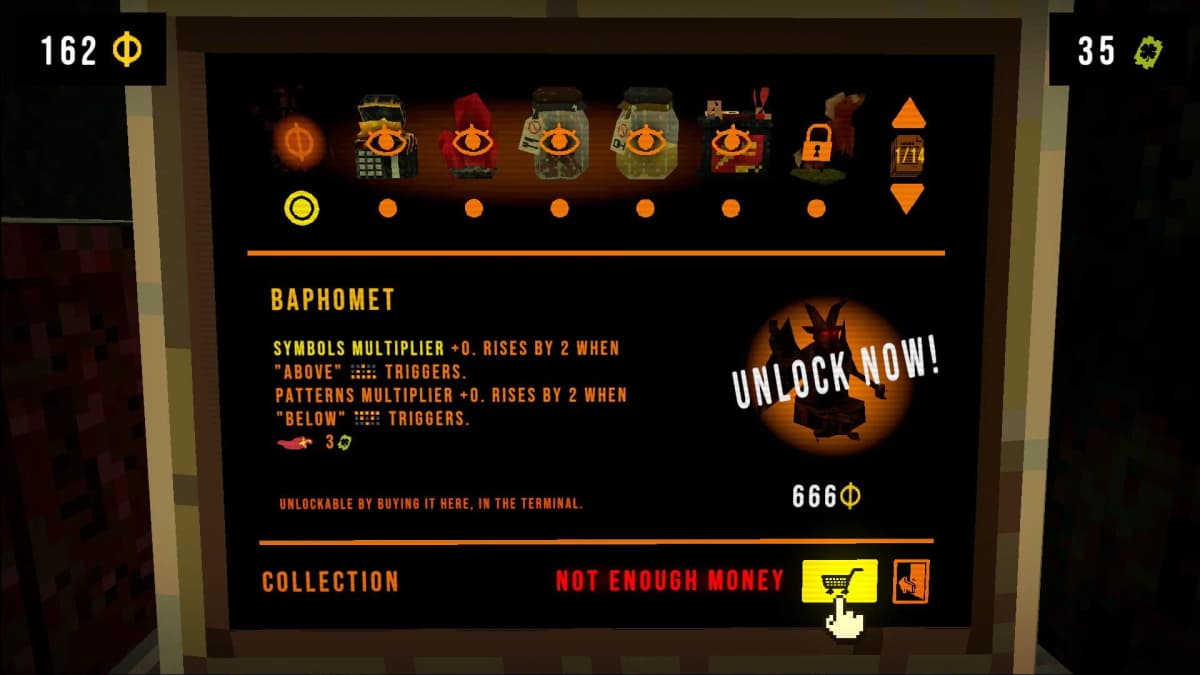
Mechanically, the hook is the build diversity. The game boasts over 150 items, charms, and totems that change how the slot behaves, letting you tilt probabilities, convert small payoffs into jackpot potential, or stack survivability effects. That creates a satisfying layer of experimentation: a bad run feels like a lesson toward a better build next time. It’s the kind of loop rogue‑lite fans love — failure is both punishment and curriculum.
Why Game Pass inclusion is a double‑edged sword
Being on Game Pass and priced at €9.99 is smart for discoverability. A lot of players won’t risk buying a niche experimental title, but they’ll try it if it’s in their subscription. For a two‑person studio that already hit viral momentum on Steam, Game Pass could broaden the audience even further and extend the game’s shelf life.
That said, Game Pass can blur the perception of value. Some players treat Game Pass titles as disposable, trying something once and dropping it. CloverPit’s charm is in repeated runs and learning curves — which rewards time investment. Whether those Game Pass trialists stick around or just skim a few runs will shape how the community grows and whether word‑of‑mouth keeps the momentum.
Update, expansion, and the long game
Panik Arcade marked the Xbox rollout by shipping a patch that adds a “hard” mode and an interface overhaul. That’s the kind of post‑launch polish fans expect, but the bigger reveal is the announced expansion, Unholy Fusion. From the studio’s framing, the DLC aims to deepen combo possibilities and raise the challenge ceiling — exactly the direction a build‑centric rogue‑lite should go if it wants to stay relevant beyond the initial viral burst.
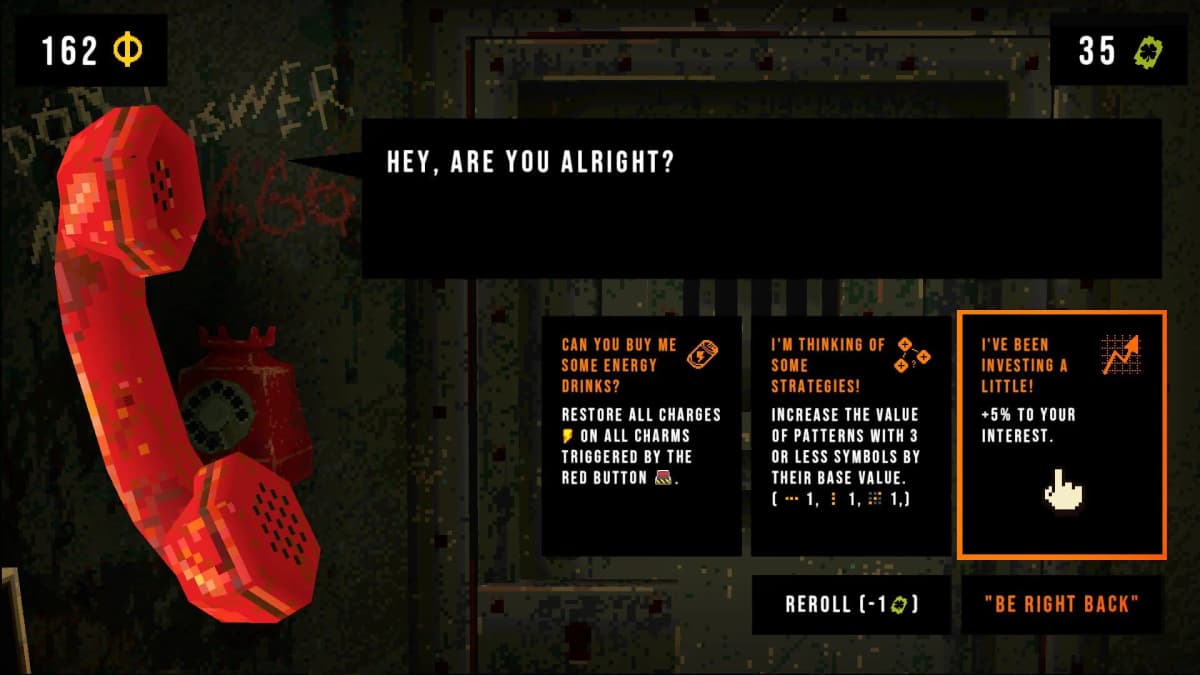
My skeptical side wonders how much more the slot conceit can be stretched before it becomes repetitive. The original hook is brilliant in its restraint; expansions need to add meaningful systems, not just more trinkets. If Unholy Fusion introduces new mechanics that change the risk calculus — new reels, modifiers that alter run structure, or meta‑systems that reward long‑term progression — this could turn CloverPit from a one‑season hit into a staple for rogue‑lite players.
Want to Level Up Your Gaming?
Get access to exclusive strategies, hidden tips, and pro-level insights that we don't share publicly.
Ultimate Gaming Strategy Guide + Weekly Pro Tips
What this means for players
If you’re on Game Pass: try it. CloverPit is precisely the kind of compact, experimental indie the subscription lets you gamble on (pun intended). If you’re buying it outright at €9.99, you’re getting a well‑tuned, replayable rogue‑lite with a lot of build variety for a low price.
Long term, watch the expansion and community reaction. This is a great case study in how a tiny studio can turn a bold design into a commercial success — and how platform visibility via Game Pass can turbocharge or dilute that success depending on player retention.
TL;DR
CloverPit is a clever, addictive rogue‑lite about surviving with a slot machine, made by a two‑person studio that sold a million copies on Steam. It’s now on Xbox/PC for €9.99 and free on Game Pass, has a hard mode/UI refresh, and an expansion called Unholy Fusion is coming. Try it if you like build‑driven risk systems — but don’t be surprised if its loop isn’t for everyone.