
Table of Contents (6)
Why Orbitals matters (and why I paid attention)
Orbitals grabbed my attention during The Game Awards because it isn’t just another couch co‑op with cute art – it aims to graft ’80s anime spectacle onto a physics‑heavy, two‑player survival loop built around tethering, station building and synchronized turret play. That combo is rare on Nintendo platforms and, crucially, it’s arriving as a Switch 2 exclusive in 2026. For players who loved hectic co‑op like Lovers in a Dangerous Spacetime but wanted something with teeth and old‑school anime attitude, this is worth watching.
- Two‑player split‑screen co‑op is the core – not an afterthought.
- Retro pre‑90s anime look is baked into the design, not just a filter.
- Switch 2 exclusivity promises hardware tricks, but we should stay skeptical until hands‑on.
What the reveal actually showed – and what it didn’t
The trailer focused on two characters — Maki and Omura — juggling ship piloting, turret operation and physics puzzles inside a supernatural space storm. Visuals scream hand‑drawn cel animation: jagged silhouettes, bold linework and cinematic wipes. Gameplay hooks were obvious: latch onto debris, swing to build momentum, use shields and turrets for cover, and chain destruction to harvest upgrade shards.
Important caveats: the reveal leaned heavily on spectacle, not systems. Kepler Interactive published the trailer but gave limited detail on save systems, netcode, or whether solo players get a viable AI partner. The developer — Tokyo studio Shapefarm — looks to be making a statement with exclusivity, but history tells us “exclusive” can mean timed or platform‑focused marketing. Expect follow‑ups on netcode and demo windows well before any purchase decision.
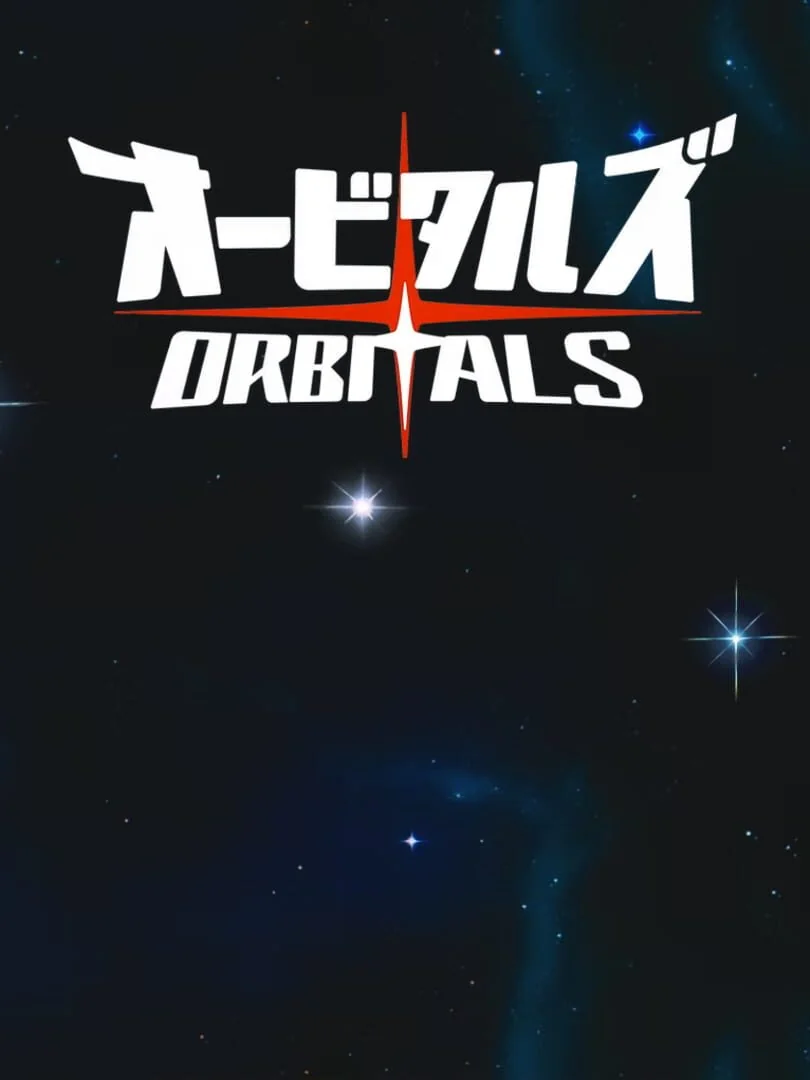
Why the ’80s anime angle matters for gameplay
Too many games slap retro art on a generic formula and call it homage. Orbitals instead seems to pull from specific design DNA: ragtag crews, dramatic single‑shot camera work, and theatrical boss encounters that reward precise choreography between players. That aesthetic does two things for gamers: it gives each run an immediate mood and it telegraphs enemy tells in readable, stylized ways — useful in split‑screen chaos.
For players who binge classic OVAs, the parallels will be fun. For everyone else, the bigger point is mechanical clarity: bold, high‑contrast sprites and predictable physics make split‑screen co‑op less confusing. If Shapefarm follows through and uses those design choices to teach co‑op skills rather than hide them, Orbitals could be a genuinely good pick for friends learning to play together.
Switch 2 exclusivity: hardware win or marketing flex?
The announcement leans on Switch 2’s upgraded controller and docked power to sell split‑screen at high fidelity. That’s plausible — better sticks, improved rumble and more GPU headroom help a physics‑heavy title — but exclusivity raises questions. Is this timed? Will PC or other consoles come later? Kepler’s involvement increases confidence that the game will hit production values, but until we see a playable build I’m keeping a healthy skepticism about promised framerate and resolution numbers.
What you should do now (practical steps)
- Wishlist Orbitals on the eShop and follow the dev on social — that’s how betas and demos usually roll out.
- If you’re short on controllers and care about local co‑op, budget for an extra Joy‑Con 2 pair; precise tethering looks like it’ll reward good sticks.
- Warm up with physics co‑op games (Deep Rock Galactic, Lovers in a Dangerous Spacetime) to practice role coordination.
- Watch some classic space anime if you want to appreciate the art direction — it’s part of the experience, not just window dressing.
The final score — why Orbitals could be a must‑watch for 2026
Orbitals isn’t promising to reinvent co‑op; it’s promising to refine a compact co‑op loop with a specific personality. That matters. The Switch family has long been the home for couch‑centric creativity, and a two‑player exclusive that leans into synchronized physics and a distinct visual identity is an easy way to make Switch 2 feel like more than raw power. My hope: tight netcode, a fair price, and a couple of modes that let friends hop in without a steep learning wall. My worry: overreliance on aesthetics and unclear online plans.
TL;DR — Orbitals looks like the co‑op space puzzler Switch fans have been missing: stylish, focused, and built for teamwork. Keep an eye on Kepler and Shapefarm for hands‑on builds before you buy, but if the gameplay matches the trailer, this could be your 2026 co‑op go‑to.
FinalBoss // Gear
Level up your setup
01Best-selling Switch 2 gameson Amazon→02Switch 2 accessorieson Amazon→038BitDo controllerson Amazon→04Discounted game keyson Kinguin→Affiliate links · As an Amazon Associate, FinalBoss earns from qualifying purchases.
Want to Level Up Your Gaming?
Get access to exclusive strategies, hidden tips, and pro-level insights that we don't share publicly.
Ultimate Gaming Strategy Guide + Weekly Pro Tips