
Table of Contents (6)
Here’s why a two‑person studio matters more than you might think
This caught my attention because Talha & Jack Co. are doing something rare: they’re making slow‑burn, handcrafted games in an era that rewards 5‑second clips and thumb‑scroll discovery. Their upcoming stop‑motion horror Abide is on Kickstarter with eight days left and roughly $9,000 to hit its target, and the duo’s back catalogue is on sale on Steam through Feb 24 – so the question of whether players want dense, experimental games is suddenly urgent.
- They ship quickly without “shallow” design – by reusing code and animation systems they’ve refined across projects.
- Stop‑motion art isn’t a novelty stunt – it’s the studio’s language for psychological weight and texture.
- Abide’s crowdfunding is time‑sensitive — the campaign needs a final push and the Steam sale is a limited visibility window.
Why this matters now
Indie cycles are noisy: big solo projects grabbing huge Kickstarters, and marketing teams optimizing every second for a viral clip. Talha Kaya and Jack King‑Spooner deliberately resist that. They’ve built a workflow that lets them take big, weird swings without the slack and bureaucracy of a larger studio — and that workflow is why Abide exists at all. But workflows don’t fund themselves. With eight days left and a final $9,000 gap, the campaign’s outcome will determine whether Abide ships at the scope the team is promising or gets trimmed back.
How Talha & Jack actually pull off “handmade” at pace
The headline trick isn’t magic; it’s engineering discipline plus a clear aesthetic. King‑Spooner’s stop‑motion clay visuals are time‑consuming in isolation, but the duo offsets that by carrying forward reusable systems: animation pipelines, code frameworks, and asset tools they’ve developed across Judero, Mashina and other projects. That means they can prototype and ship denser, more experimental ideas without rebuilding the foundation each time.

There’s an old indie tradeoff — polish versus idea — and Talha & Jack tilt toward meaning over sheer sheen. They’ll admit they don’t have a AAA budget, and they’re not pretending they do. Instead they fold meaning into handcrafted visuals and design that requires patience from players. In a market where “watch this 5‑second loop” is the default pitch, their games demand sitting down and paying attention.
What Abide looks and feels like
Abide is pitched as a surreal stop‑motion horror experience. The studio has talked about consulting therapists to handle difficult psychological themes responsibly, which suggests they’re aiming for something thoughtful rather than cheap jump scares. If their previous work is any indicator — Judero’s druidic weirdness and Mashina’s dense atmospheres — Abide will probably center texture and mood over twitchy mechanics.
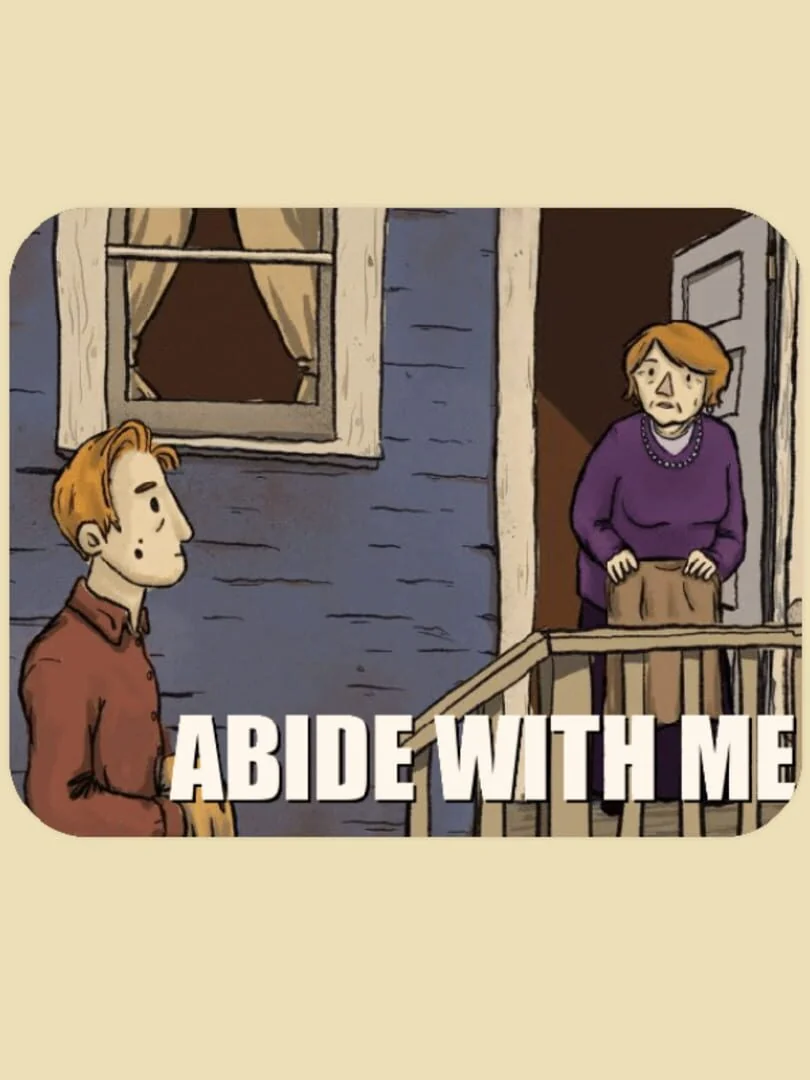
For players who enjoy art‑driven, experimental games that reward slow immersion (think Handsome Bob mixed with tactile stop‑motion oddities), Abide looks like exactly the sort of title that won’t trend on short‑form feeds but will stick with you after the credits roll.
What you can do right now — and what it would mean
The practical bit: Abide’s Kickstarter needs a final push and the Steam sale (their back catalogue bundled for $15) runs only through Feb 24 on Windows/Steam. Backing the campaign helps secure the team’s resources and creative freedom; grabbing their past games is the easiest way to sample their voice before committing. If the Kickstarter falls short the studio can still iterate — small teams are nimble — but the scope, polish or support for Abide could end up smaller or delayed.
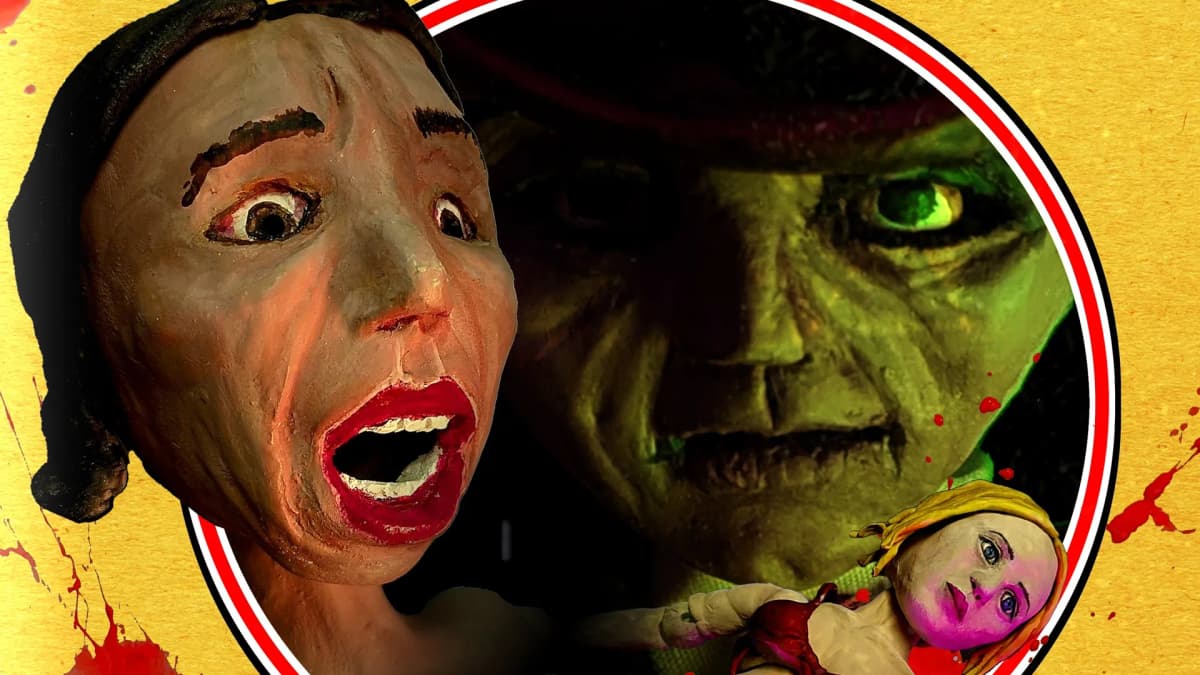
There’s also a bigger industry note embedded here: when marketing rewards snackable content, projects that require patience become harder to sell. Talha & Jack’s approach is an explicit pushback — they make games that ask more of players, and their funding window right now is the market’s answer to whether that ask is still viable.
TL;DR
Talha & Jack Co. are two people making dense, handcrafted stop‑motion games by reusing technical systems and leaning into texture over clicks. Their Kickstarter for Abide has eight days left and about $9,000 to go — and their Steam sale ends Feb 24. If you care about weird, slow‑burn art games, this is one of those rare moments where your small contribution actually changes the scope of what gets made.
FinalBoss // Gear
Level up your setup
01Top-rated gaming headsetson Amazon→02High-refresh gaming monitorson Amazon→03Gaming chairson Amazon→04Discounted game keyson Kinguin→Affiliate links · As an Amazon Associate, FinalBoss earns from qualifying purchases.
Want to Level Up Your Gaming?
Get access to exclusive strategies, hidden tips, and pro-level insights that we don't share publicly.
Ultimate Gaming Strategy Guide + Weekly Pro Tips